
Discontinued guns do not always climb slowly. Sometimes the market shrugs for a few years, then suddenly a model people used to pass over starts getting chased hard. That usually happens when three things meet at once: the gun has a real reputation, the supply is permanently capped, and buyers start realizing there is no true replacement sitting on the shelf. Once that clicks, prices can move a lot faster than people expect, especially for cleaner examples with boxes, rare barrel lengths, or early-production features. That is how ordinary “used gun” money turns into collector money in a hurry.
The surprise is that the jump is not always driven by the rarest guns. A lot of the time, it is driven by familiar ones that were common enough to be overlooked until they were gone. Then the market starts separating rough shooters from clean originals, and prices stop behaving the way longtime owners remember. If you have been around gun shops long enough, you have seen this happen more than once. These are the discontinued models that made that move faster than a lot of people saw coming.
Colt Python
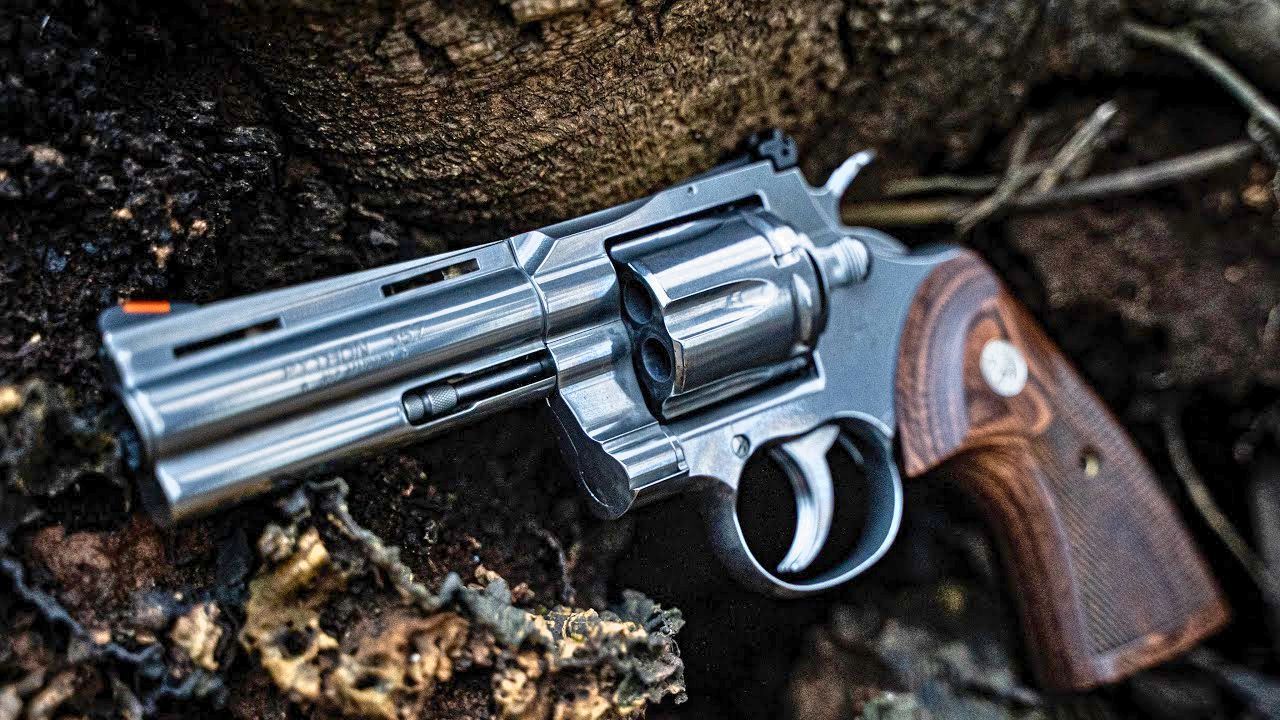
The original Colt Python is the textbook example. Colt’s classic Python ran from 1955 to 2005, and for a long time plenty of shooters treated them as expensive but still reachable revolvers. Then the collector market tightened, cleaner originals dried up, and the price curve started pulling away from what people remembered paying. Rock Island Auction says original Python values pushed past the $3,000 average mark in recent years, and over the last four years their average sale price stayed above $3,300. That is a serious jump for a revolver many people once thought they had more time to buy.
Part of the speed came from the Python’s reputation. It was never an anonymous wheelgun, so once supply was locked in and collector attention heated up, it did not take long for the market to start moving hard. Even Colt bringing the name back in 2020 did not erase the appetite for original-production guns. If anything, it reminded more buyers what the old ones were and sent many of them looking for first-run examples instead of newer substitutes.
Original-production Colt Anaconda
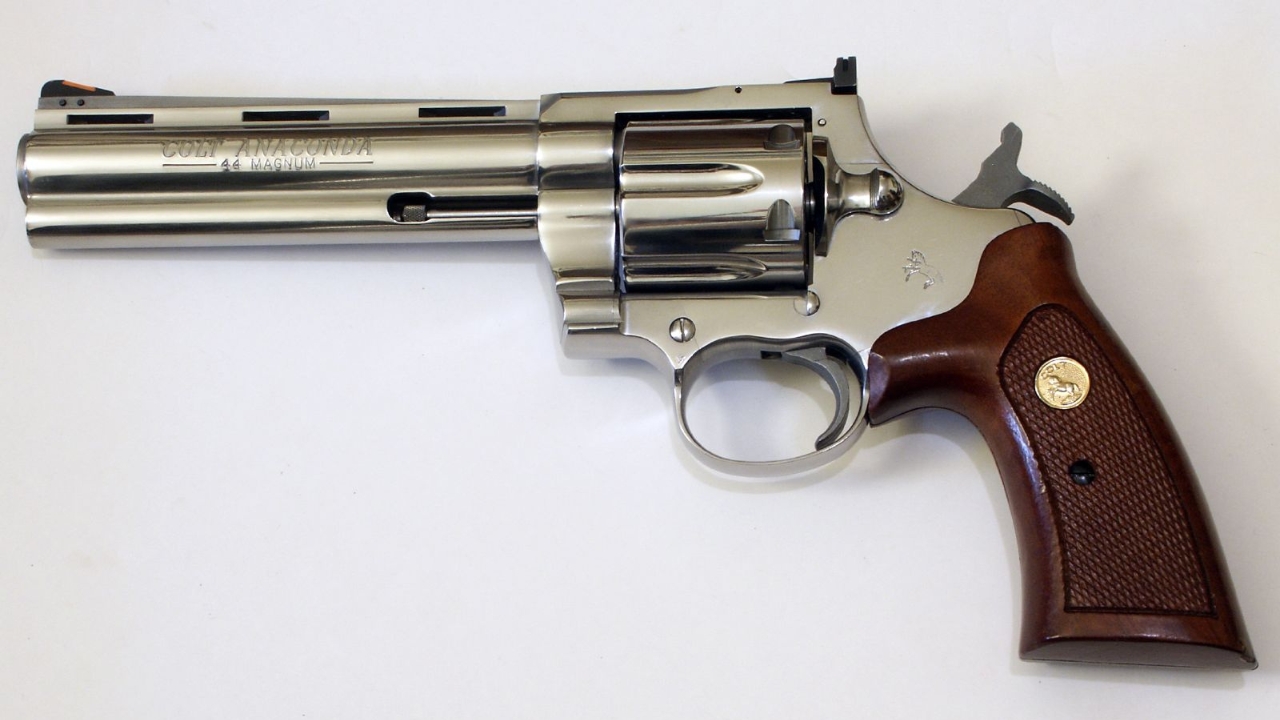
The original Colt Anaconda followed a similar pattern, even if it never had quite the same mainstream celebrity as the Python. The first production run started in 1990 and ended in 2003 before Colt brought back a redesigned Anaconda in 2021. That matters because the original guns had a relatively limited run compared with many long-lived revolver lines, and that shorter window gave them less time to flood the market. Current sales data on older Anacondas still show used examples sitting well above many shooters’ old mental price range.
What made the jump feel fast was how long the gun sat in that “nice, but maybe later” category. A lot of people liked them, but far fewer bought them when they were still easy to find. Then the original line ended, buyers started re-evaluating Colt snake guns as a whole, and the market moved. The 2021 reintroduction kept the name alive, but it did not make original-production examples stop mattering. Those older guns had already crossed into collector territory by then.
Browning Hi-Power
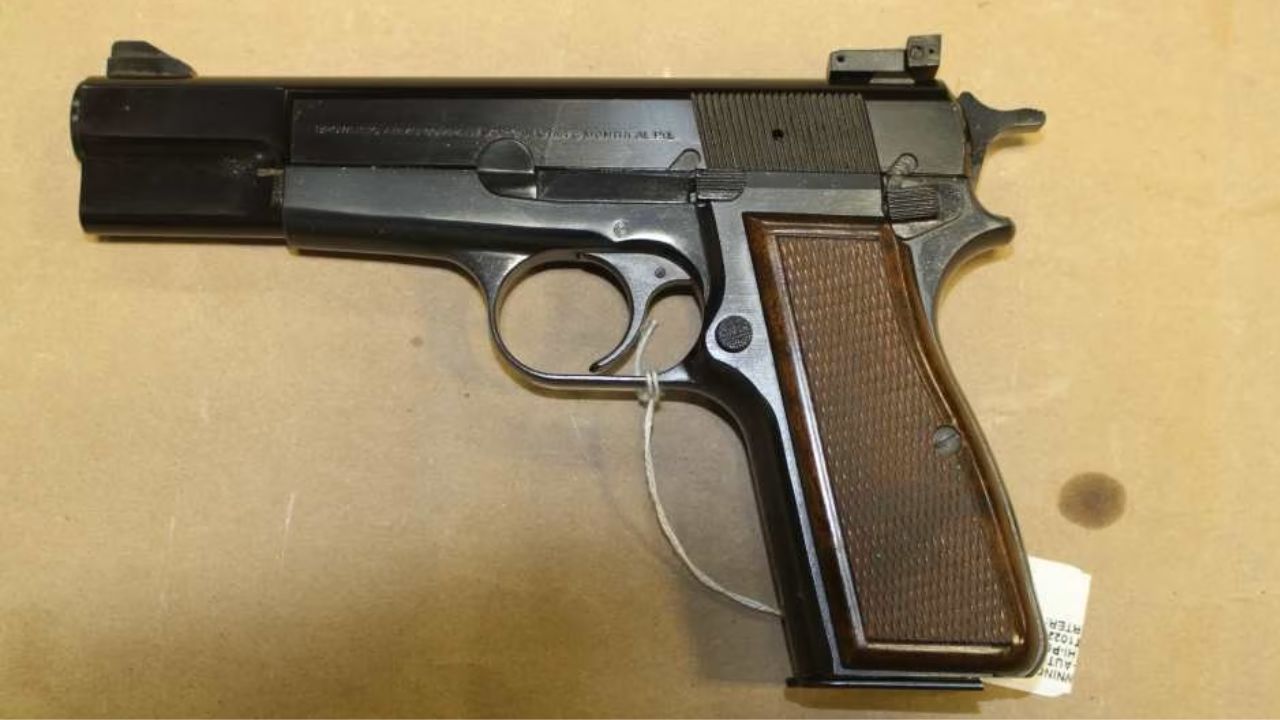
The Browning Hi-Power had a long production life, which is exactly why many shooters assumed prices would stay reasonable forever. But once FN stopped regular production and Browning confirmed it was no longer in production, the market started treating clean Belgian guns with more urgency. Browning’s own page says dealer inventory would be the last broadly available stock, and that kind of language always gets attention. It tells buyers the pipeline has closed.
Since then, the Hi-Power has stayed one of the clearest examples of a classic service pistol becoming more collectible in plain sight. Rock Island specifically points to Belgian Hi-Powers as classics that have been rising in value, and current value tracking still shows used demand moving. That makes sense. The Hi-Power is one of those pistols people thought would always be around until it wasn’t. Once that changed, the “I’ll grab one later” crowd started competing with collectors, and that usually makes prices move faster than expected.
Colt Woodsman

The Colt Woodsman is a different kind of value story because it is a .22, and a lot of shooters underestimate how quickly quality rimfires can turn into collector pieces. The Woodsman was built from 1915 to 1977, which gave it a long, respected run and a deep base of owners. That kind of history matters when a gun is well made, tied to Browning, and still admired by both shooters and collectors. Current market data still shows solid values, especially once condition starts climbing.
What caught people off guard is that the Woodsman was once the sort of pistol many buyers treated as an old-quality plinker. Then the supply of cleaner guns kept shrinking, the collector side woke up, and buyers started paying closer attention to series, barrel types, and Match Target variants. That is how the price floor moves. A pistol that seemed like a nice old .22 starts getting viewed as a Colt classic, and once that shift happens, values rarely stay where they were.
Colt Detective Special
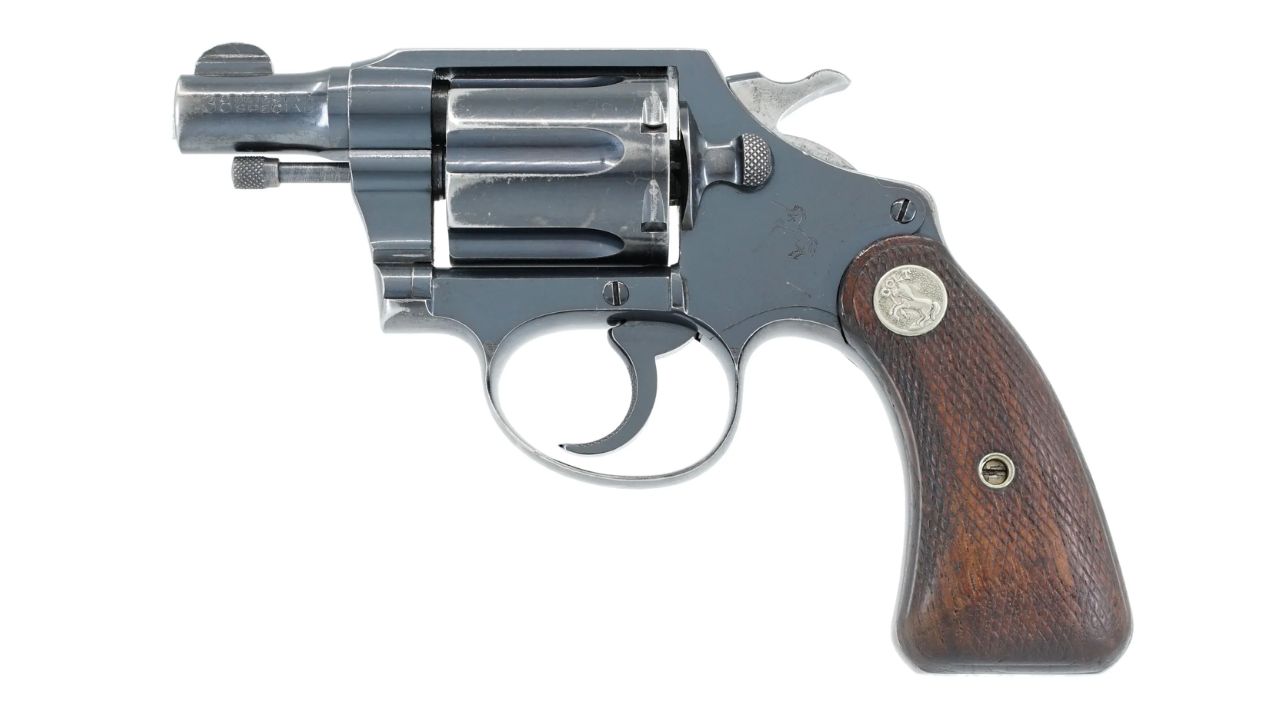
The Colt Detective Special does not always get the same headline treatment as the bigger Colt snake guns, but it is a very real example of a discontinued revolver that quietly climbed while people were looking elsewhere. Current value tracking shows used Detective Specials rising over the last year, and that is not surprising once you remember what the gun represents: a genuine Colt snubnose with a deep law-enforcement and carry-gun history behind it.
That combination matters in the used market. You are not dealing with a random old revolver. You are dealing with a classic double-action Colt that still has name recognition, a distinct feel, and a following among buyers who want old-school carry revolvers with real pedigree. Because it was once considered a more accessible collectible, a lot of people did not realize how fast cleaner examples could firm up. Then the market did what it always does with good discontinued Colts: it started separating the better ones and pricing them accordingly.
Smith & Wesson 1076
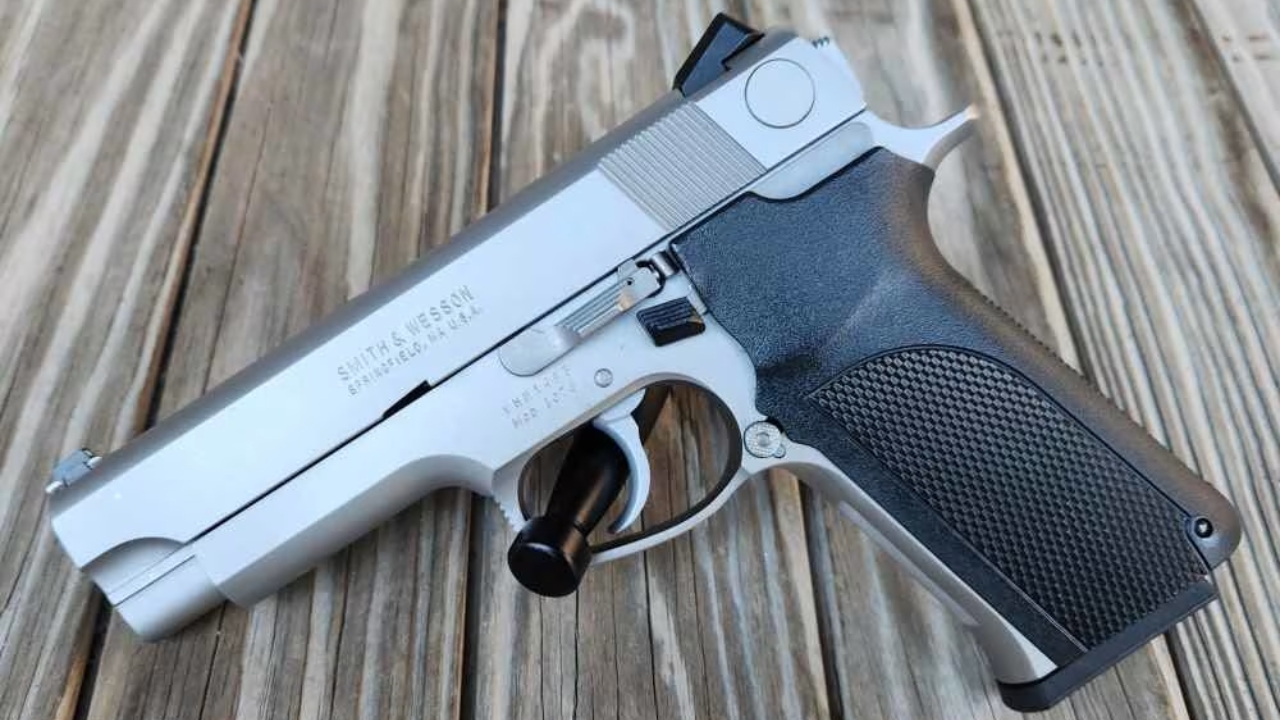
The Smith & Wesson 1076 is one of those pistols that got more interesting after it disappeared. It was part of Smith’s third-generation 10mm family, and it benefited from two things modern buyers care about: limited production and a direct tie to the FBI’s brief 10mm chapter. Current value tracking shows used 1076 pistols averaging north of $1,500, with gains over the last year. That is a long way from the era when these were mainly viewed as heavy used autos with a niche following.
The speed of the jump makes sense when you look at the broader 10mm comeback. Once 10mm became cool again, buyers started rethinking the older pistols built around it. The 1076 suddenly looked less like an oddball and more like a legitimate piece of serious auto-pistol history. Add in the FBI connection and the fact that clean third-gen Smiths are not multiplying, and it becomes easy to see why buyers started bidding these up faster than many owners expected.
Smith & Wesson 1006
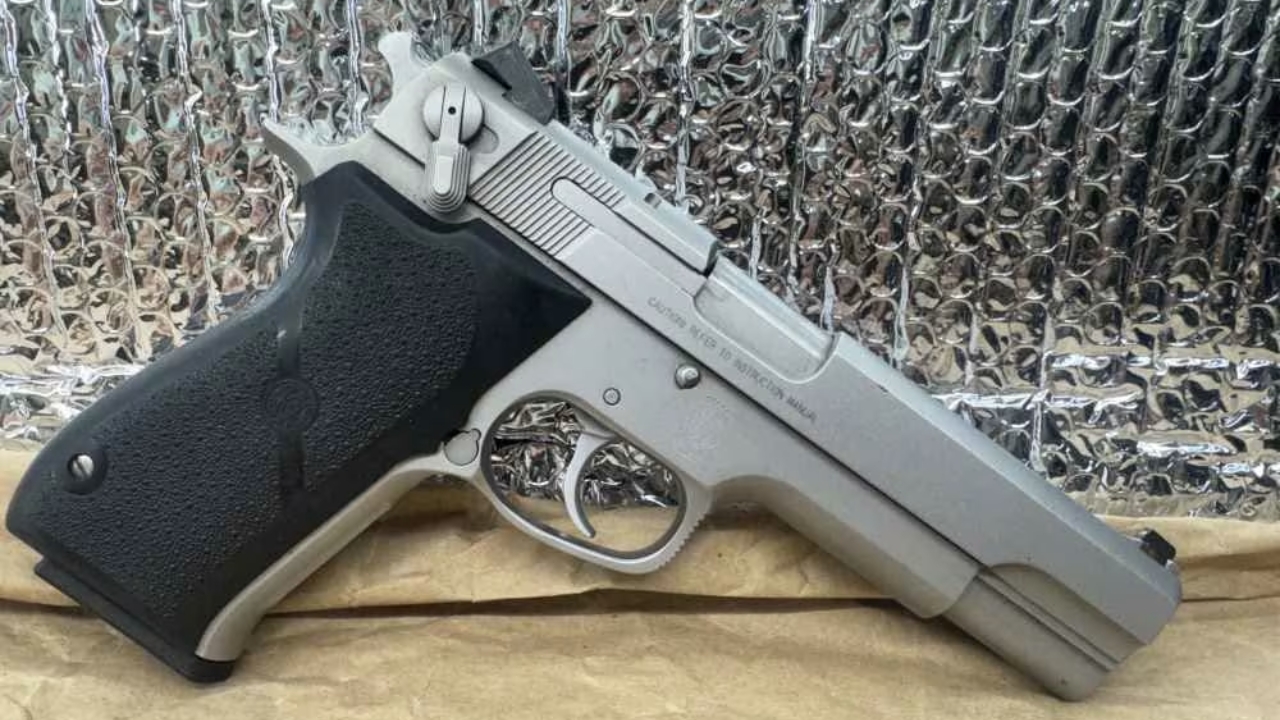
The Smith & Wesson 1006 rode that same 10mm wave, though it has its own following separate from the 1076. Current value tracking puts used 1006 pistols above $1,200 on average, and demand has risen as more shooters look for old-school all-steel 10mm pistols that were built to handle the cartridge seriously. For years, the 1006 was respected but not exactly chased. That changed once modern buyers started rediscovering big-frame 10mm autos.
A lot of the value jump came from timing. The 1006 was out of production, ammo interest was coming back, and the gun itself had a reputation for strength that fit the new appetite for hard-use 10mms. That is how once-overlooked pistols turn into sought-after ones. You do not need a flashy backstory when the gun already has durability, stainless-steel heft, and a cartridge that is suddenly fashionable again. The market did the rest.
Winchester 9422
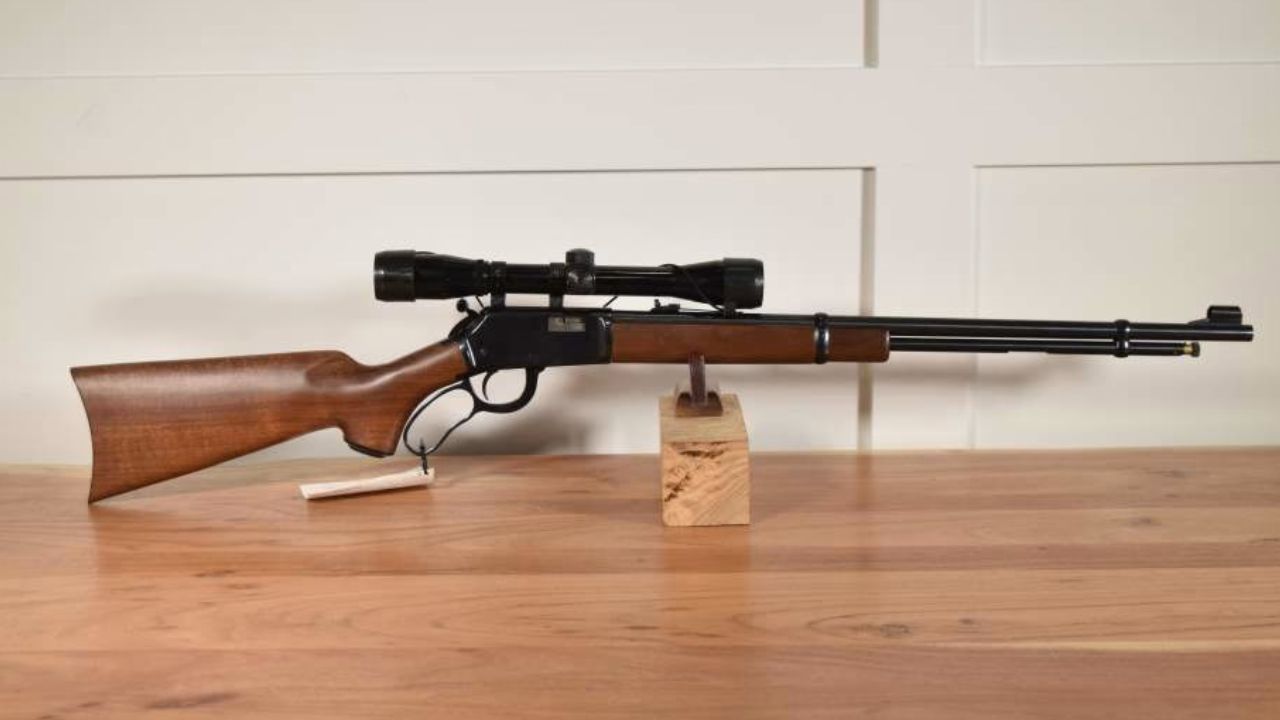
The Winchester 9422 is one of the cleanest examples of a “why did that get expensive so fast?” rifle. It was introduced in 1972 and discontinued in 2004, with estimates around 850,000 produced. That sounds like a lot until you remember how many got used hard, handed down, or tucked away by people who have no interest in selling. Current value tracking shows used 9422s averaging well over $1,100, and that is far beyond the old idea of it being merely a nice lever-action rimfire.
What pushed the jump was the lack of a true replacement. Once the 9422 was gone, buyers who wanted that specific Winchester feel in a lever .22 had fewer real options. That kind of vacuum matters. The rifle had quality, a loyal fan base, and no direct continuation keeping prices grounded. As soon as collectors and nostalgic shooters started chasing the same clean examples, values stopped behaving like ordinary used rimfire values and started acting like collector values instead.
Winchester Model 88

The Winchester Model 88 was discontinued in 1973, and that alone gave it time to age into collectibility. It already had a strong identity as a box-magazine lever gun that felt more modern than older tube-fed designs, and that gave it a personality all its own. Current value tracking shows used examples pushing close to or above the $900 mark on average, with demand up. The rarer chamberings, especially .284, have long had a reputation for drawing stronger money.
What surprised people was how quickly the market started treating ordinary nice examples as more than “old lever guns.” Once collectors and hunters both wanted them, the supply of good rifles tightened. The Model 88 has never really had a modern clone that scratches the same itch, and that makes buyers more willing to pay up when a clean one appears. A lot of rifles climb slowly. The 88 had stretches where it seemed like the market suddenly remembered what it was.
Savage 99

The Savage 99 has been respected for a long time, but that respect has turned into firmer pricing as supply keeps thinning. Current value tracking shows used examples in the mid-to-high hundreds on average, with demand rising. That matters because the 99 is not merely old—it is a lever gun with a real place in American hunting history and a design that stands apart from the usual Winchester-and-Marlin conversation. Buyers notice that.
The jump felt faster once hunters started realizing how many clean 99s had already been absorbed into private collections or family safes. They were made to be used, and many were. That leaves fewer really clean rifles in circulation than people assume. Once condition, caliber, and configuration start mattering, prices can separate quickly. The 99 went from “classic hunting rifle” to “classic hunting rifle you’d better buy now if you want a nice one,” and that is usually when the market speeds up.
Marlin 39A

The Marlin 39A has one of the strongest reputations in the rimfire lever world, and that reputation matters a lot now that production appears to be over. The model’s line traces deep into Marlin history, and sources note production effectively ended with Remington’s factory closure and bankruptcy in 2020, with the 39A still out of production afterward. Once buyers understood that this was not a short pause with a guaranteed immediate return, the market’s tone changed.
That is how value can jump faster than expected even without one neat auction headline. The 39A was already respected, already tied to a long-running legacy, and already favored by people who wanted a real steel-and-wood rimfire lever gun. Once the supply of new ones stopped, clean older guns started looking a lot more important. Buyers who used to wait around suddenly had a reason not to. That tends to move prices quicker than people expect in the rimfire world.
JM-stamped Marlin 1894

The JM-stamped Marlin 1894 is a good example of how collector value can attach to a production era, not only a model name. After Marlin’s production disruption and eventual transfer to Ruger, “JM” guns became a distinct category in buyers’ minds. That matters because once the market starts treating one production period as the desirable one, prices can jump fast even if the model itself still exists in some form. Current market data on Marlin 1894 variants still shows used values holding real money, and forum chatter around JM guns has reflected that for years.
What made the rise feel sudden was the emotional shift. Buyers stopped seeing these as merely used Marlins and started seeing them as “pre-change” Marlins. Once that happens, every clean example starts carrying extra weight. The JM stamp became shorthand for an earlier manufacturing identity, and the market responded exactly the way it usually does when shooters think one era is the era to own. That is when a normal used lever gun starts getting priced like a collectible.
Remington Nylon 66

The Remington Nylon 66 is one of the better examples of a rifle that looked ordinary for years and then quietly moved into a more serious collector lane. Current value tracking shows used Nylon 66 rifles in the $500 range with recent gains and stronger demand. That does not sound like Python money, but it is a real jump for a once-common .22 many people used to think of as a durable oddball rather than an appreciating collectible.
The speed came from a simple market truth: distinctive guns age differently. The Nylon 66 was not just another wood-stock rimfire. It had its own look, its own material story, and a place in American rimfire history that became more interesting over time, not less. Once buyers started chasing nice originals instead of treating them like cheap utility rifles, values tightened. That is how a gun people once bought to toss behind a truck seat starts becoming something buyers now hunt for carefully.
Remington 600

The Remington 600 has always had a certain cult following, but that following has hardened into stronger prices. Current value tracking shows used examples around the $900 mark, and some datasets show sizable year-over-year increases. That matters because the 600 is a short-run, highly recognizable bolt gun with a distinct look and handling style. It was never a generic rifle, which is exactly why it was primed for a faster-than-expected climb once collectors and field-rifle fans started competing for the same examples.
A lot of buyers once treated the 600 as a quirky little hunting rifle with a mixed reputation depending on configuration. Then the market matured around it. People started valuing originality, short production history, and the fact that there really is not another mainstream rifle quite like it. That is often the recipe for a quick rise: a gun that used to be merely “interesting” becomes one that buyers suddenly decide they do not want to miss again.
Like The Avid Outdoorsman’s content? Be sure to follow us.
Here’s more from us:


