
Shooting a single-action revolver feels a little different from most modern handguns. They take a little more patience, but once you get the rhythm, it’s a satisfying experience. From loading to firing, the process is slower but teaches you to focus on your fundamentals. Whether you’re plinking at the range or trying your hand at cowboy action shooting, these tips will help you handle a single-action revolver the right way. Here’s how to get the most out of these old-school wheel guns.
Understand How the Action Works

With a single-action revolver, you have to manually cock the hammer before every shot. That’s why it’s called “single-action.” Pulling the trigger only drops the hammer—it doesn’t cock it like a double-action revolver would. This style gives you a lighter trigger pull, which helps accuracy, but also slows things down. It’s a rhythm you get used to after a few rounds.
Learn to Load Through the Loading Gate

Most single-actions load one round at a time through a side loading gate. You’ll need to open the gate, half-cock the hammer, and rotate the cylinder to line up each chamber. It’s slower than swinging out a cylinder, but it becomes second nature after some practice. Take your time and always double-check your cylinder before closing the gate.
Use the Proper Grip

Grip matters with single-action revolvers, especially with heavier recoil. You don’t want a death grip—let the gun roll back naturally in your hand. This roll absorbs recoil better and keeps your shooting more comfortable. Many shooters prefer to place their pinky under the grip frame, which helps manage muzzle rise during repeated shots.
Cock the Hammer Smoothly

When cocking the hammer, don’t rush it. Use your thumb to smoothly draw the hammer back until it clicks. Jerking the hammer can throw off your grip or your sight alignment. With practice, you’ll cock and shoot in one smooth motion. It’s part of what makes shooting these revolvers feel so classic and controlled.
Focus on a Clean Trigger Pull

Single-action revolvers are known for their light, crisp trigger pulls. That’s a huge plus for accuracy, but it also means poor trigger control can show up fast. Press the trigger smoothly without slapping it, and you’ll be surprised at how tight your groups can get. Let the trigger break naturally after the hammer is cocked.
Master the Sight Picture

Most single-actions come with fixed sights, so you’ll need to pay close attention to your sight alignment. Focus on lining up the front blade evenly in the rear notch. It’s easy to shoot high or low if you get lazy with your sight picture. Take your time and aim deliberately, especially at longer distances.
Unload Safely Using the Ejector Rod

To unload, open the loading gate and use the ejector rod to punch out each spent casing one at a time. Make sure the hammer is half-cocked to allow cylinder rotation. Always check every chamber before you call it clear. Slow, steady unloading keeps you safe and prevents fumbling with stuck brass.
Start Close and Build Confidence
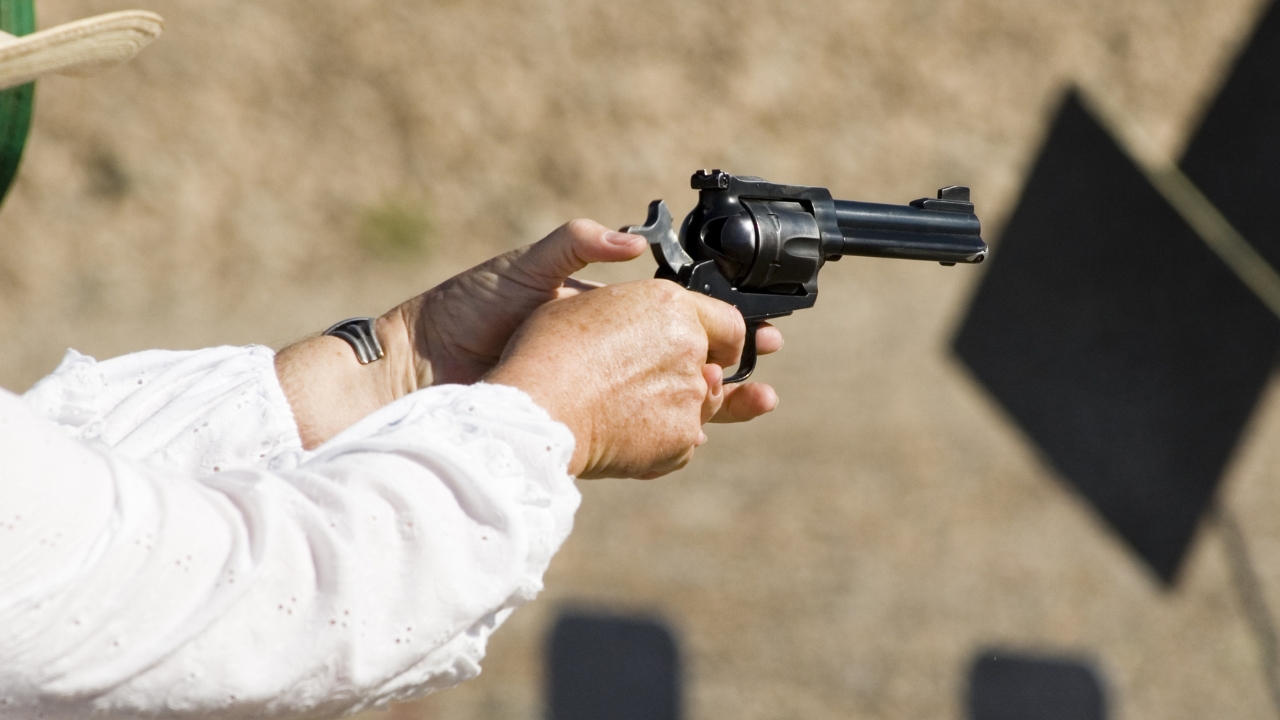
If you’re new to single-actions, start at close range. Focus on smooth hammer cocking, clean trigger pulls, and keeping your sights steady. Once you’re consistent up close, move farther back and tighten your groupings. Mastering the basics first makes shooting these old-school revolvers a lot more fun and a lot less frustrating.
*This article was developed with AI-powered tools and has been carefully reviewed by our editors.


