
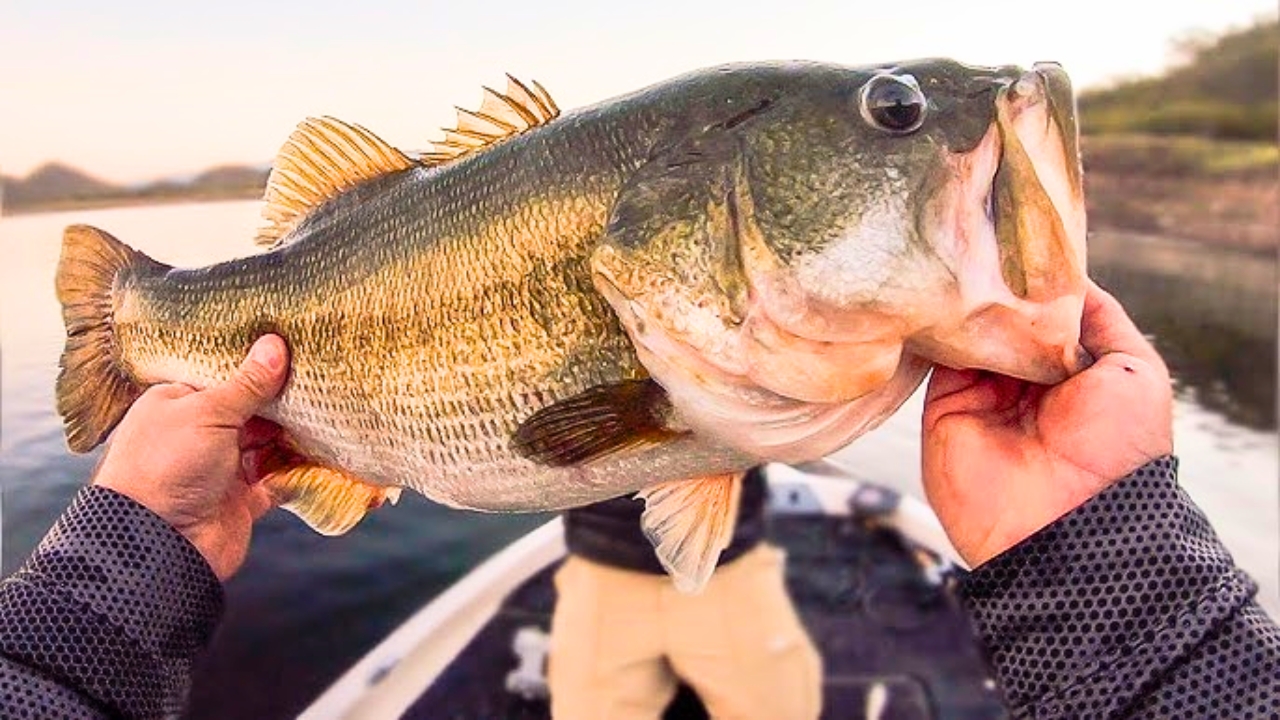
Photo credit: TacticalBassin/YouTube
Sometimes it’s not about switching lakes or buying the newest gear—it’s about tweaking what you’re already doing. A few small changes in how you fish can make a big difference, especially when it comes to catching quality bass. If you’re tired of pulling in short strikes or a string of dinks, it might be time to make a few adjustments. These ten tips are easy to work into your routine, and they just might be the difference between a slow day and your new personal best.
Slow Down Your Retrieve

Big bass don’t always chase. If you’re burning your lure back every cast, you’re probably missing fish that want a slower target. Try cutting your speed in half and watch what happens.
Slower retrieves keep your bait in the strike zone longer. Whether it’s a jig, worm, or crankbait, working it methodically can tempt bass that were only curious before. Patience pays off—especially with heavier fish.
Upsize Your Bait

Bigger bass like bigger meals. If you’re using a finesse worm or a small crankbait and only catching runts, try sizing up. Go with a larger plastic, bigger jig trailer, or beefier swimbait.
Larger presentations weed out the small bites and attract fish that are looking for one solid meal. It’s not foolproof, but if you’re after size over numbers, this is one of the easiest ways to shift your results.
Switch to Fluorocarbon
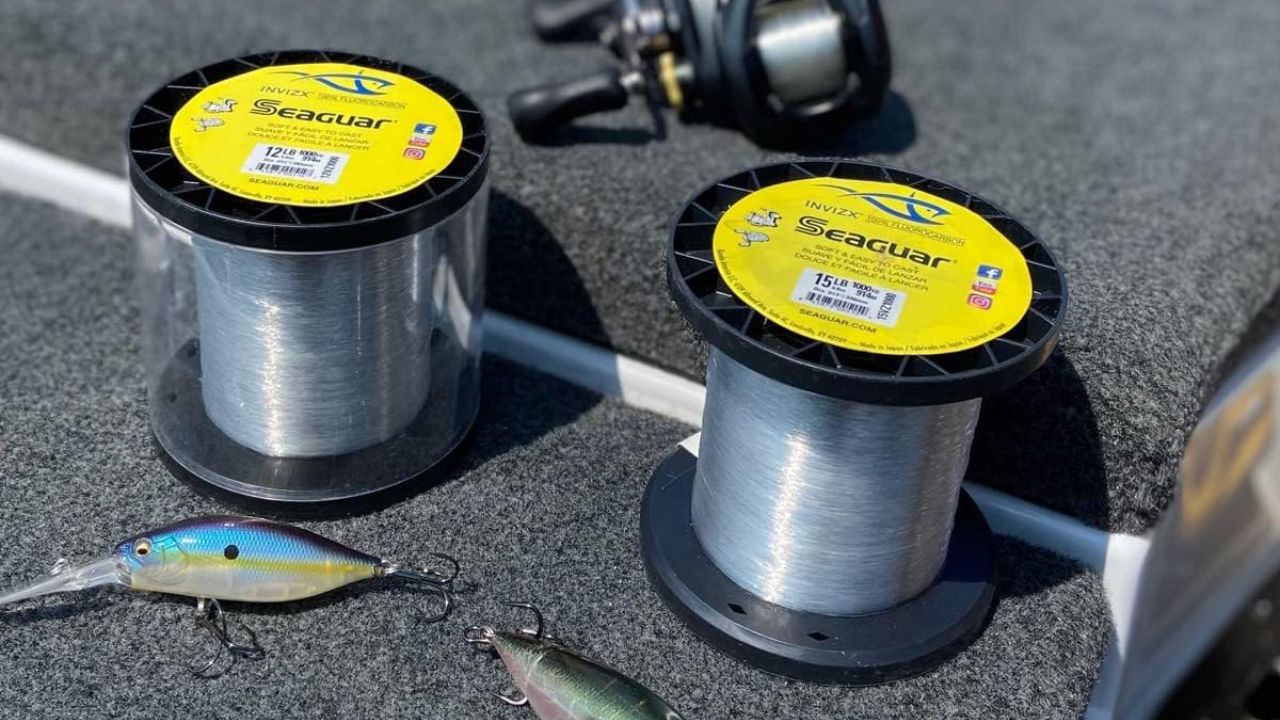
If you’re still using straight mono or braid in clear water, you might be spooking the bigger fish. Fluorocarbon is harder to see underwater and gives you more stealth when it matters.
It also sinks, which helps keep your bait in the strike zone. Whether you run a fluoro leader or spool up your whole reel, this little change can lead to more confident bites—especially when the water’s calm and clear.
Try Fishing Deeper
A lot of anglers stay too shallow, especially during mid-day or in the heat. Big bass often hang deeper where the water’s cooler and less pressured.
Drop shots, jigs, and deep-diving crankbaits are great tools for targeting these fish. Use electronics if you’ve got them, or start probing points and breaks that aren’t getting pounded from the bank. You might be surprised who’s sitting out there.
Match the Hatch More Closely

It’s easy to grab a favorite bait and start casting, but paying attention to what the bass are actually feeding on can change everything. Are they chasing shad? Crawfish? Bluegill?
Match the size, color, and profile of your bait to the forage around you. When your lure blends in just enough to feel natural but still stands out enough to get noticed, that’s when the big bites happen.
Adjust Your Casting Angle

Most folks cast straight toward cover or structure, but changing your angle can trigger more bites. Casting parallel or from a different side can make your bait look more natural.
It also gives fish a new look—especially important in pressured water. If you’re fishing a dock, a laydown, or a weedline, try working it from a few directions before moving on. Sometimes the angle makes all the difference.
Add a Trailer Hook
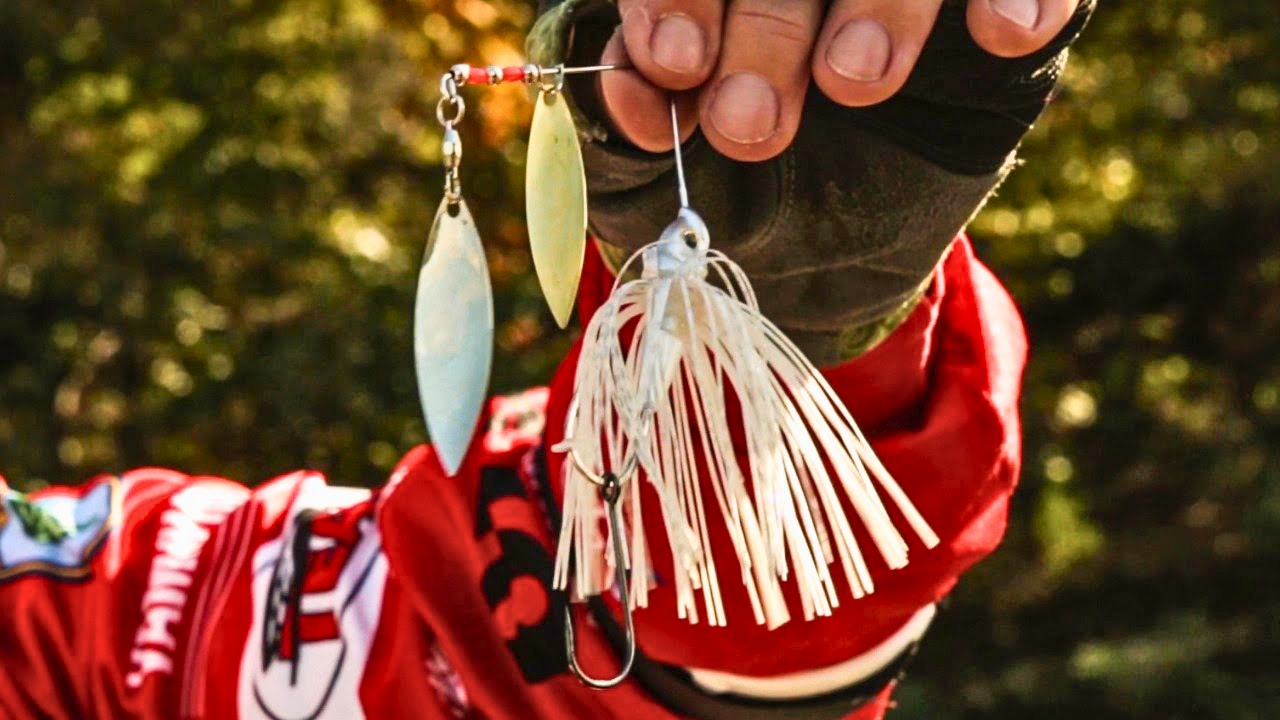
If you’re getting short strikes on your spinnerbait or buzzbait, try adding a trailer hook. Bigger fish often swipe at the back, and you might be missing them without even realizing it.
A trailer hook won’t hurt your presentation, and it’s easy insurance for days when the bite is hesitant. You’ll be surprised how many big fish end up hooked on that little extra steel.
Fish Quieter

Big bass didn’t get big by being dumb. Loud decks, slamming hatches, or heavy footwork can push fish off before you ever make a cast. Be deliberate with your movements and gear.
Even your cast entry matters—try feathering your bait so it lands softly. Subtlety counts, especially in shallow or clear water. The quieter you fish, the more likely you are to catch the ones that are hanging close but cautious.
Downsize in Tough Conditions

Sometimes big bass won’t touch a big bait, especially after a front or in cold water. That’s when downsizing can help. A smaller jig, finesse worm, or compact swimbait can still draw quality bites.
It’s not just about numbers—downsizing can appeal to pressured fish that have seen everything else. Use light line, slower gear, and soft presentations to coax those bigger, skittish bass into biting.
Sharpen or Swap Your Hooks

It sounds simple, but dull hooks lose fish. Factory hooks aren’t always great out of the package, and they dull fast when you’re fishing rock, wood, or heavy cover.
Keep a file handy or swap out your trebles and jig hooks with sharper aftermarket ones. When that big fish hits, you want your hook to stick the first time. It’s an easy fix that can save you from another “the one that got away” story.
*This article was developed with AI-powered tools and has been carefully reviewed by our editors.


