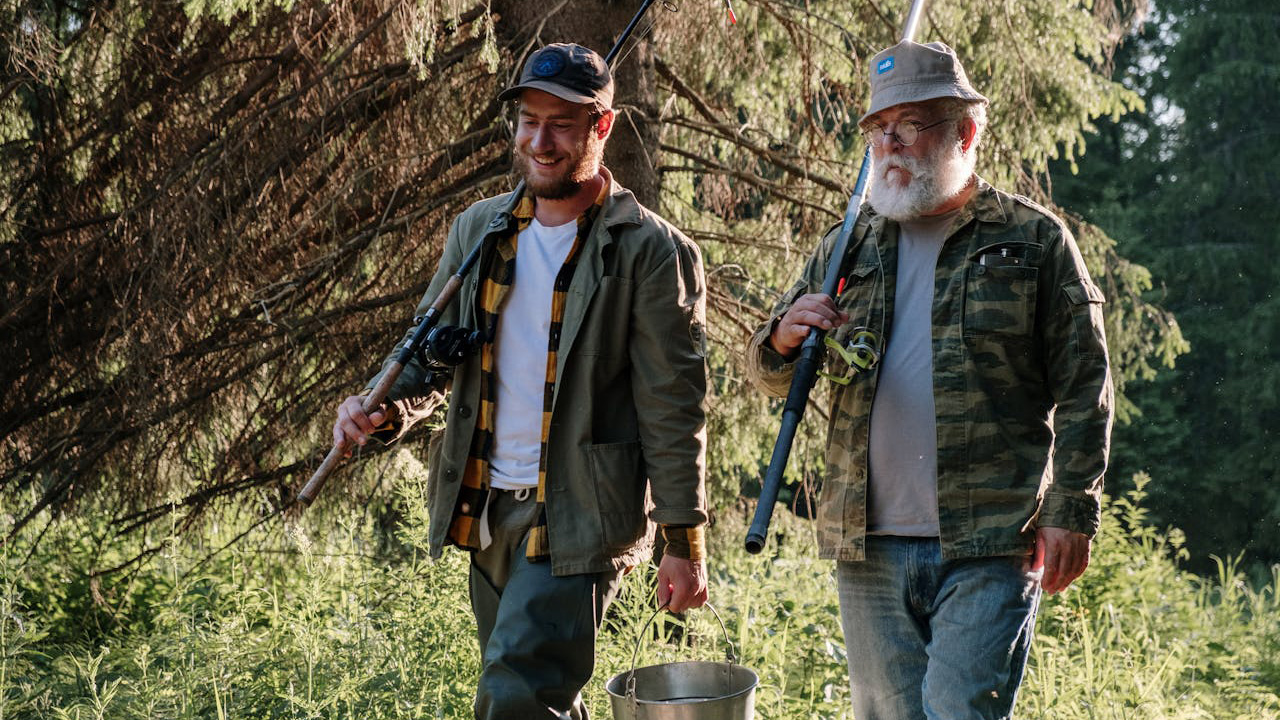
Photo credit: cottonbro studio/Pexels.com
Fishing trips don’t need much to work. A little planning, a few basic habits, and some patience usually get you a long way. The fish may cooperate or they may not, but the day itself tends to stay pretty simple if everybody keeps their head on straight. Truck shows up, rods come out, lines hit the water, and the rest of the day sort of unfolds from there.
But every once in a while a perfectly normal fishing trip starts sliding downhill because somebody keeps stacking small mistakes. Nothing huge at first. Just little decisions that make things slower, messier, or more stressful than they should be. By the time the day’s over, everyone’s exhausted, the boat looks like a yard sale, and the whole trip somehow felt harder than it needed to be. These are the habits that turn a calm day on the water into a full three-act disaster.
He Shows Up With Gear That Isn’t Ready

Nothing derails a fishing trip faster than a guy who brings equipment that hasn’t been touched since the last season ended. Reels still tangled from the last outing, rods missing guides, line that looks like it survived a war, and tackle boxes that somehow lost every hook size you actually need. Now the first hour of the trip gets spent fixing problems that should’ve been handled at home.
Experienced anglers usually prep their gear before the trip ever starts. They check line, tighten hardware, organize tackle, and make sure the basics are squared away. The guy who skips that step turns the boat ramp or shoreline into his personal repair shop. Everyone else is ready to fish, and he’s still fighting knots and digging through gear like he’s trying to remember how any of it works.
He Brings Way More Rods Than He Can Manage
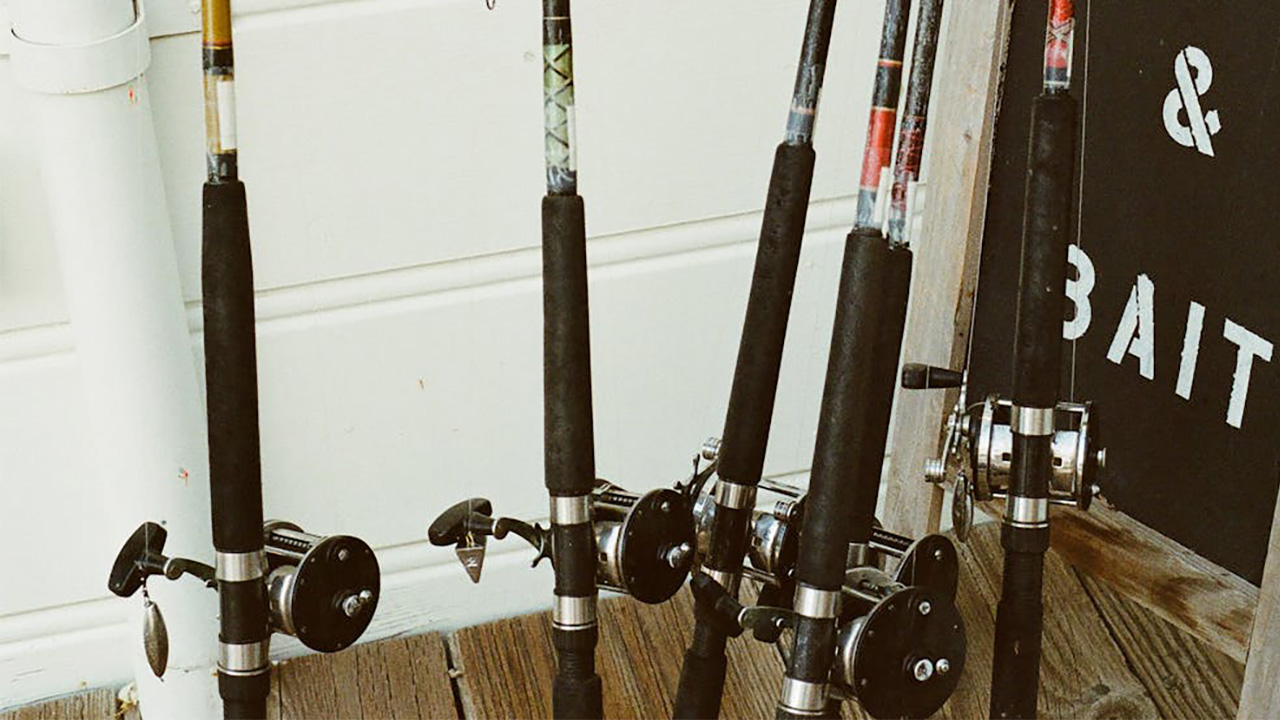
Some anglers show up with enough rods to stock a small bait shop. They’ve got one for every technique they’ve ever read about, plus two backups just in case. The problem is those rods end up leaning against things, tangling together, falling over, and generally creating chaos every time the boat moves or someone walks by.
Fishing works better when gear stays manageable. A couple rods you actually know how to use usually beat a pile of equipment that needs constant babysitting. The man juggling six setups spends half the day untangling line, stepping around rods, and apologizing for knocking somebody else’s gear over. By mid-afternoon his deck space looks like a spaghetti factory exploded.
He Forgets the Simple Stuff That Actually Matters
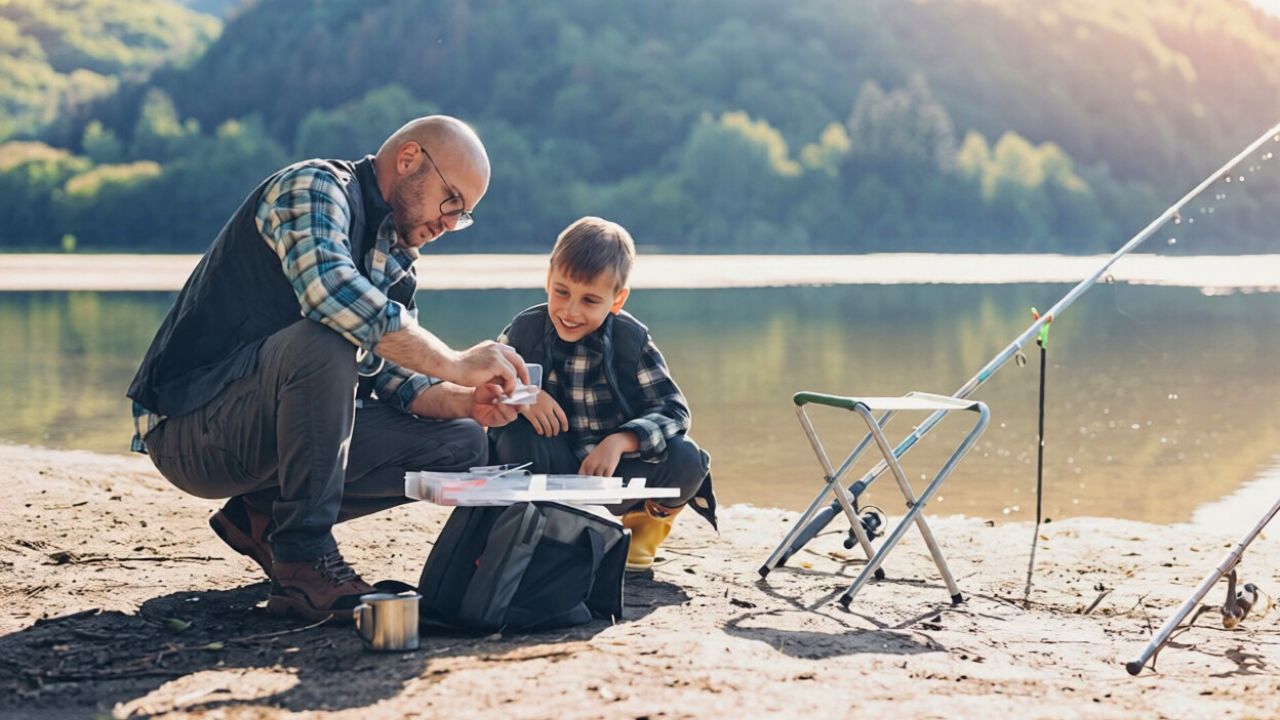
Plenty of fishing trips start strong and then stall because someone forgot basic supplies. Maybe it’s pliers, maybe it’s a knife, maybe it’s the net, the sunscreen, the cooler, or something equally simple that suddenly becomes essential once the fish start biting. Now everyone’s improvising with tools that aren’t meant for the job or making do without something that should’ve been sitting right there.
The funny part is that people almost always remember the flashy gear. Expensive rods, fancy lures, high-end electronics. But the little practical pieces that make fishing smoother somehow stay at home. Those small items are what keep a trip running cleanly. Forget them, and suddenly every fish landed or line cut becomes a small engineering project.
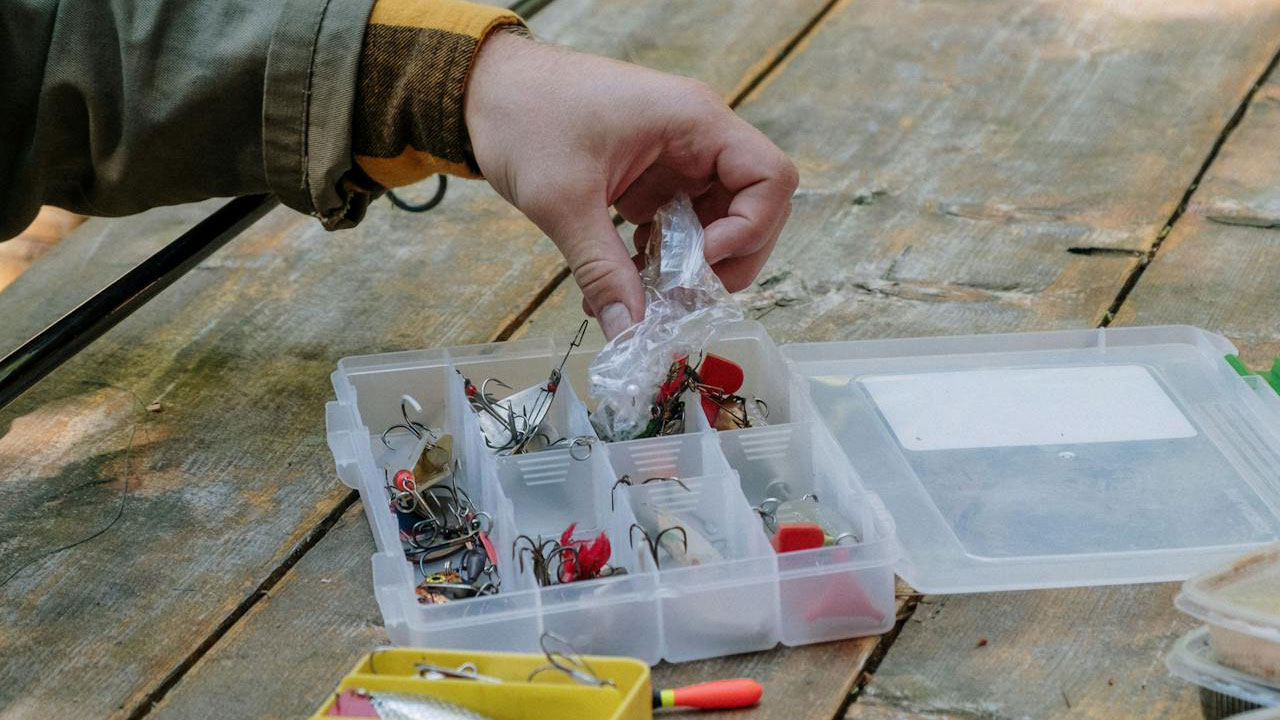
He Treats the Tackle Box Like a Dumping Ground
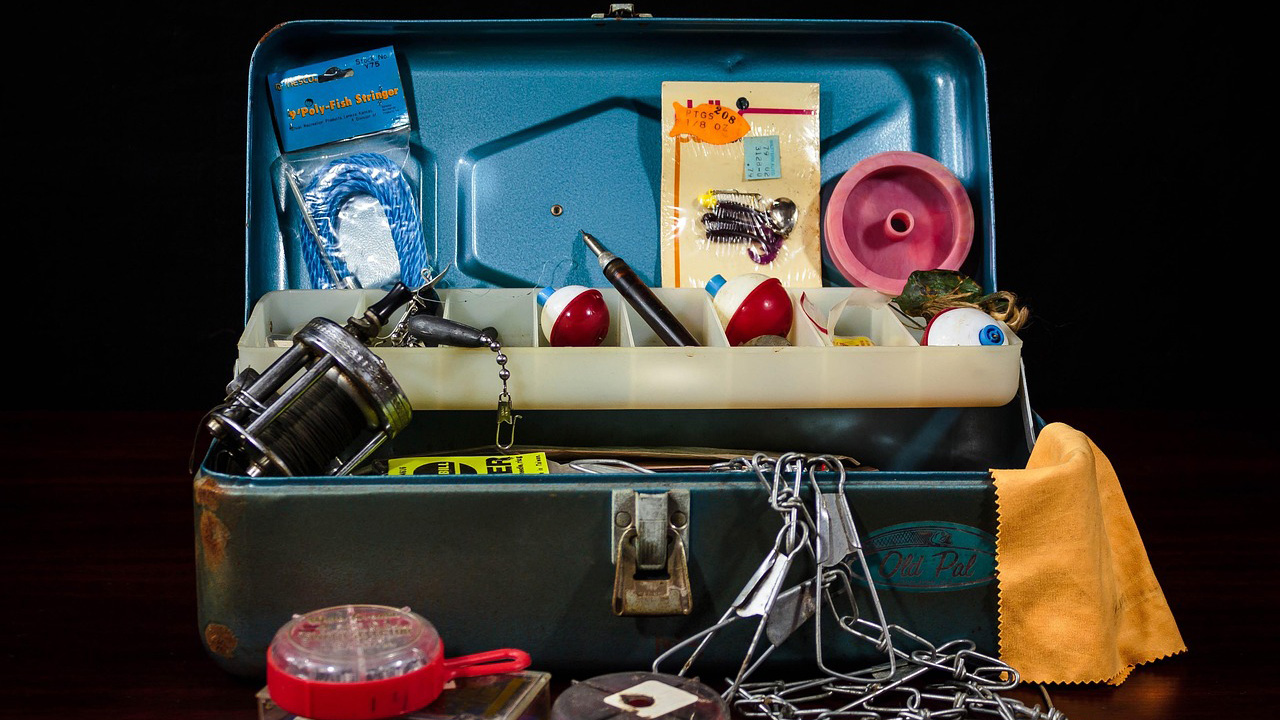
A messy tackle box has ruined plenty of fishing days before the first cast even lands. Hooks loose in random compartments, lures tangled together, weights mixed with swivels, soft plastics crushed into corners, and old line scraps floating around like confetti. Every time he opens the box, it’s a new puzzle that eats up more time.
Organization might not sound exciting, but it keeps the day moving. When tackle has a place, you grab what you need and get back to fishing. The guy with the junk-drawer tackle box ends up digging through piles while the bite window quietly closes. Eventually everyone else is fishing while he’s still sorting through the same mess he created months ago.
He Changes Lures Every Five Minutes

Some people fish. Others perform constant tackle surgery while standing near the water. They cast once or twice, decide it’s time for a new lure, cut the line, tie something else on, and repeat the process ten minutes later. Before long, they’ve spent more time re-rigging than actually fishing.
Confidence is a big part of angling. Sometimes sticking with a presentation long enough to let it work matters more than chasing the perfect lure every few minutes. The constant changer never settles into a rhythm. Instead of learning what the water is doing, he keeps starting over. The result is a day full of knots and frustration instead of actual fishing.
He Can’t Keep Track of Where Anything Is

Some anglers somehow lose track of everything the moment they step onto a boat or shoreline. Pliers vanish. The net moves somewhere mysterious. The cooler lid gets buried under gear. Sunglasses disappear. Someone’s always asking where a tool went because one person keeps setting things down in new places every ten minutes.
Fishing trips run smoother when gear has a home. Tools stay where people expect them, which means nobody has to hunt for them in the middle of a bite or while dealing with a fish. The disorganized angler creates constant interruptions. Instead of focusing on the water, everyone ends up searching for objects that were perfectly easy to manage before he started moving them around.
He Leaves the Cooler Open
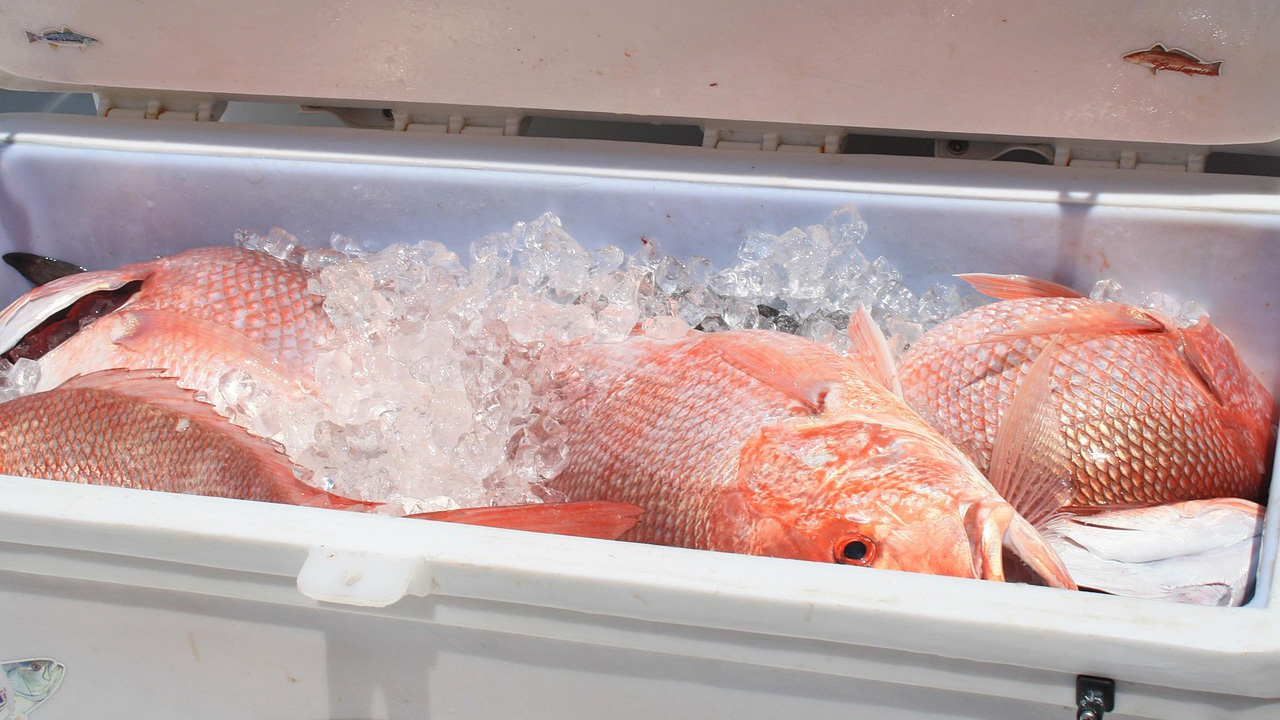
A cooler should be one of the easiest things to manage on a fishing trip. Open it, grab what you need, close it. Somehow that basic system falls apart with certain people. They leave the lid open while they think, search for drinks, or wander off to handle something else. Cold air escapes, ice melts faster, and the whole cooler becomes less useful for the rest of the day.
It might seem like a tiny habit, but small waste adds up quickly outdoors. A cooler that stays closed holds ice for hours longer than one that’s constantly open. The guy who forgets that turns everyone’s drinks warm before the afternoon even gets going.
He Casts Without Looking Around First
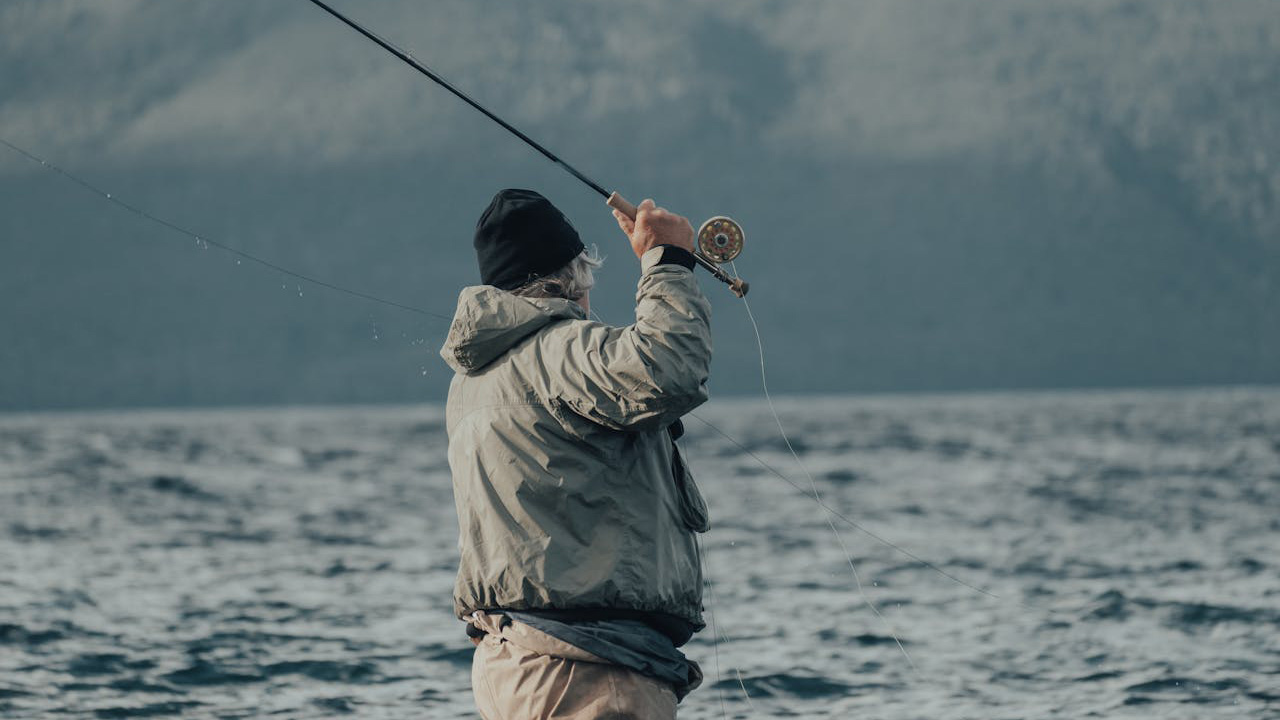
Few things create instant tension on a fishing trip like someone who swings a rod around without paying attention to where everyone else is standing. Hooks fly close to faces, lines cross other lines, and suddenly a calm morning turns into a tangle of apologies and frustration.
Fishing requires a little awareness of space. Checking behind you before casting takes about two seconds and prevents a surprising number of problems. The careless caster doesn’t slow down long enough to notice his surroundings. That’s how you end up with crossed lines, lost lures, and a crew that quietly starts keeping extra distance from him.
He Lets Fish Flop Around the Deck
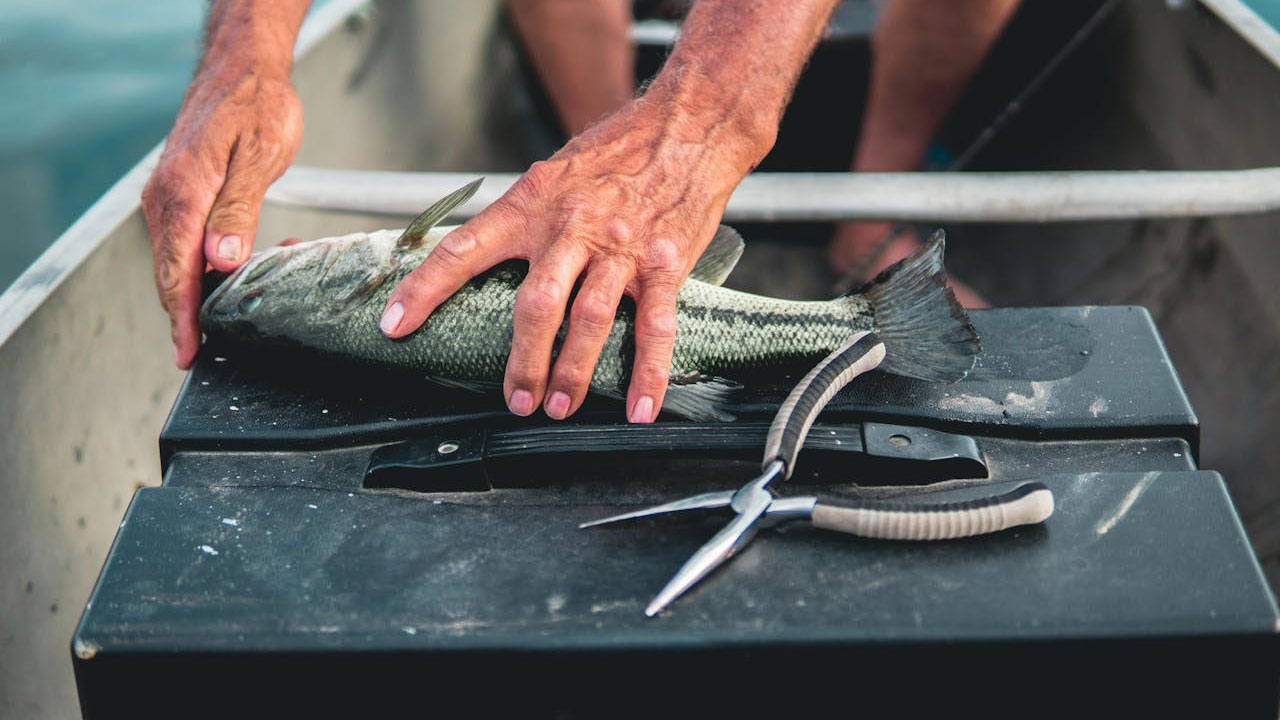
Landing a fish is the fun part. What happens immediately after matters too. Some anglers control the moment smoothly, unhook the fish quickly, and get it into the cooler or back in the water. Others drop it on the deck and let it bounce around like a pinball while they search for tools.
Besides looking chaotic, that habit wastes time and creates a mess. Fish slime spreads, hooks tangle, and the fish itself gets harder to handle the longer it flops around. Experienced anglers know the next move before the fish even comes aboard. The unprepared guy turns every catch into a scrambling scene that disrupts the whole flow of the trip.
He Drops Line and Trash Everywhere
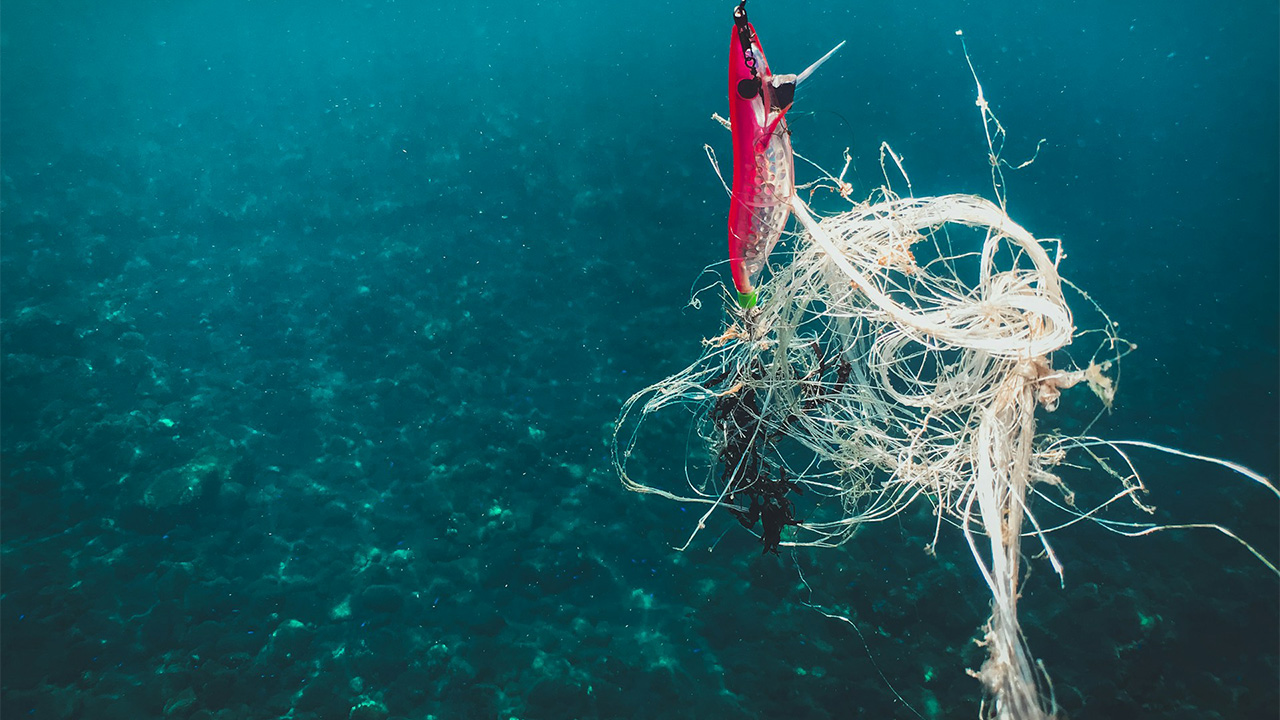
Loose fishing line and random trash seem to follow certain anglers around like a trail. Cut line gets tossed on the deck, bait packaging ends up in corners, and little scraps collect around the boat or shoreline. Not only does it make the place look sloppy, but it also creates hazards for birds, fish, and people.
Cleaning as you go keeps fishing spaces safe and easy to move around in. The angler who drops things wherever he stands eventually turns the area into a cluttered obstacle course. Now everybody else has to step carefully or stop fishing long enough to clean up behind him.
He Runs the Motor Like It’s a Race
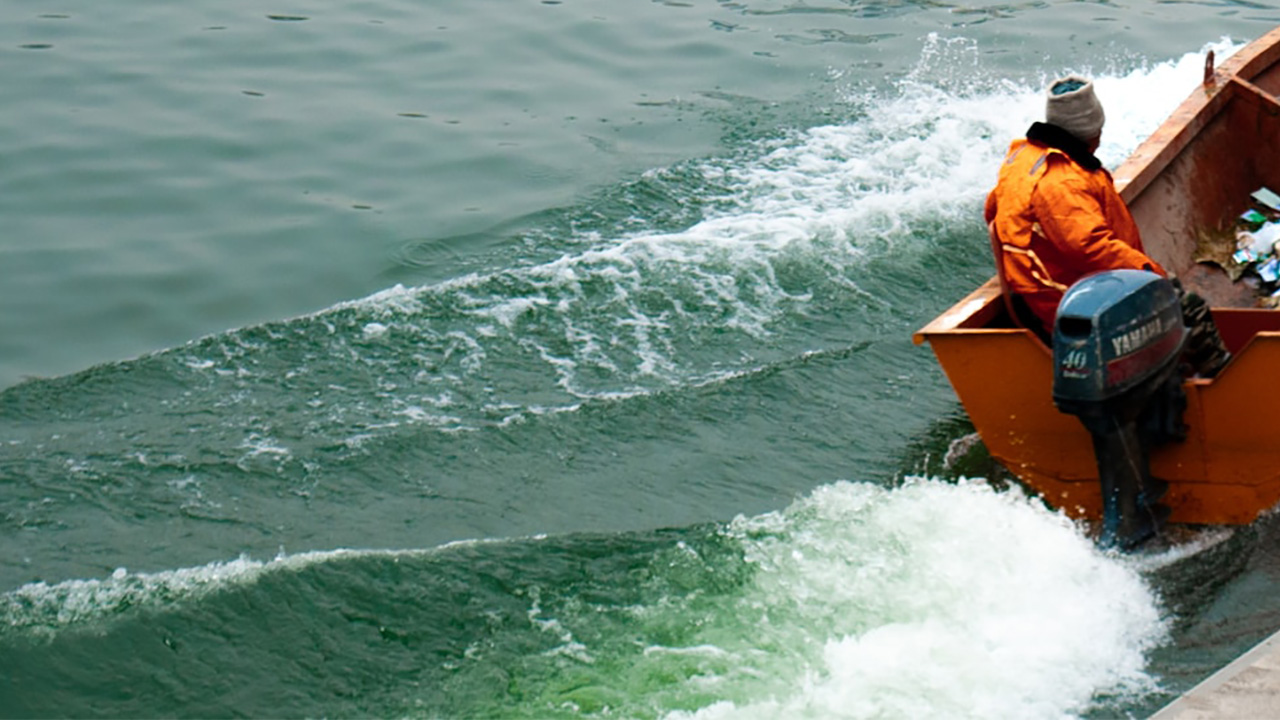
Boat control matters more than most beginners realize. Speeding into spots, slamming the throttle, or constantly repositioning the boat like it’s a powerboat race scares fish and frustrates everyone else trying to fish calmly.
Smooth boat handling keeps the water quiet and predictable. Experienced anglers know how to approach areas slowly and keep the boat steady. The guy who drives like he’s late for something ends up ruining productive water before anyone gets a fair chance to fish it.
He Talks Loud Enough for the Fish to Hear
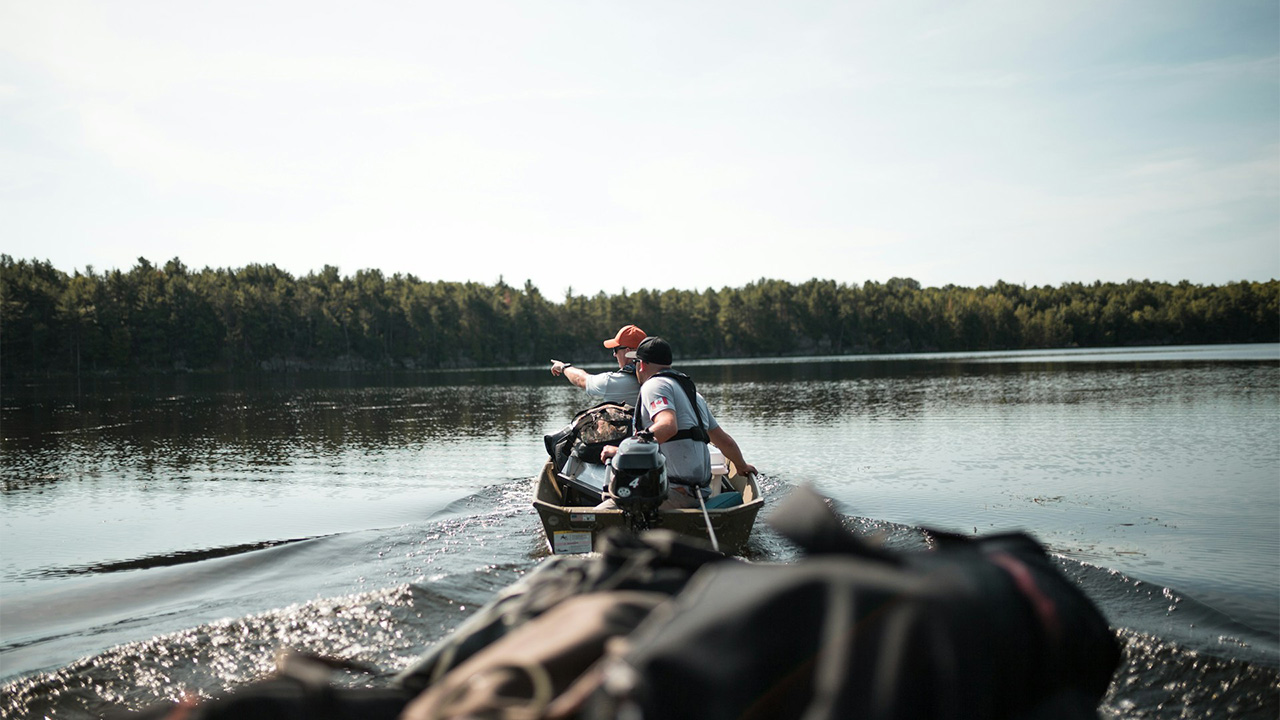
Fishing doesn’t always require silence, but yelling across the boat or shoreline certainly doesn’t help the situation. Some anglers narrate every thought at full volume, laugh loudly, or shout questions that could’ve been asked in a normal voice.
Noise carries surprisingly well over water. Calm conversation is fine, but constant loud chatter breaks the rhythm of a quiet fishing environment. It also tends to distract everyone else who’s trying to focus on what the water is telling them.
He Keeps Moving Everyone’s Gear
Some people can’t resist adjusting things that aren’t theirs. They move rods, shift tackle boxes, reposition bags, or reorganize coolers because it seems convenient in the moment. The result is that nobody knows where their own gear went five minutes later.
Fishing trips run smoother when people respect each other’s setups. Everyone knows where their tools and rods are placed for a reason. The guy who keeps “helpfully” rearranging things turns that system into confusion.
He Ignores the Weather Until It Becomes a Problem

Weather can change quickly around water. Experienced anglers keep an eye on wind shifts, clouds, and temperature changes because those signals affect both fishing conditions and safety.
The careless fisherman treats weather like background scenery until the wind suddenly picks up or rain rolls in. Then everyone’s scrambling to secure gear or head for shelter. Paying attention earlier would have made the whole situation easier to manage.
He Tries to Fix Everything at the Worst Possible Time
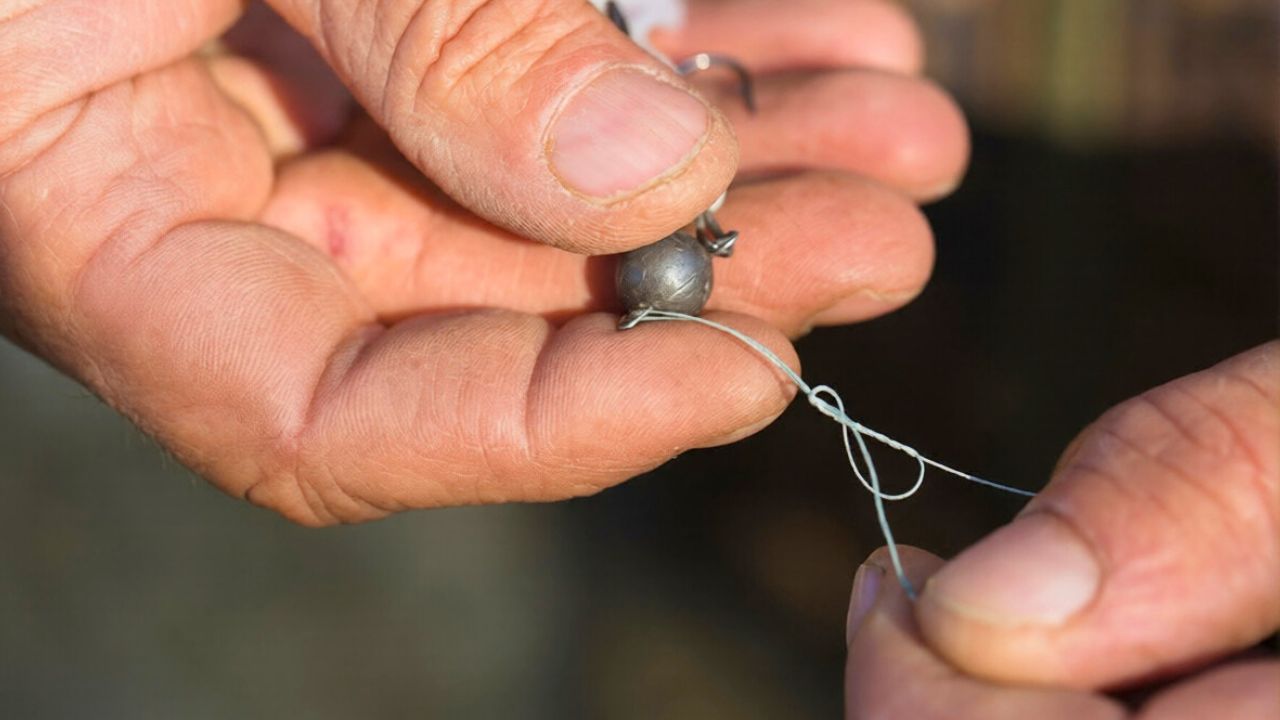
Finally, there’s the guy who waits until the middle of a good bite to start tinkering with equipment. Maybe he decides to re-rig his entire rod, clean a reel, reorganize tackle, or untangle something that could’ve waited until later.
Those timing mistakes interrupt the entire group. Instead of focusing on the fishing window, people are stepping around tools and gear scattered across the boat or shoreline. A simple rule helps avoid this: when the fish are biting, fish. Save the repairs and experiments for when the water slows down.
Like The Avid Outdoorsman’s content? Subscribe to our newsletter so you never miss an article.
Here’s more from us: