Photo credit: ProCinemaStock/Shutterstock.com
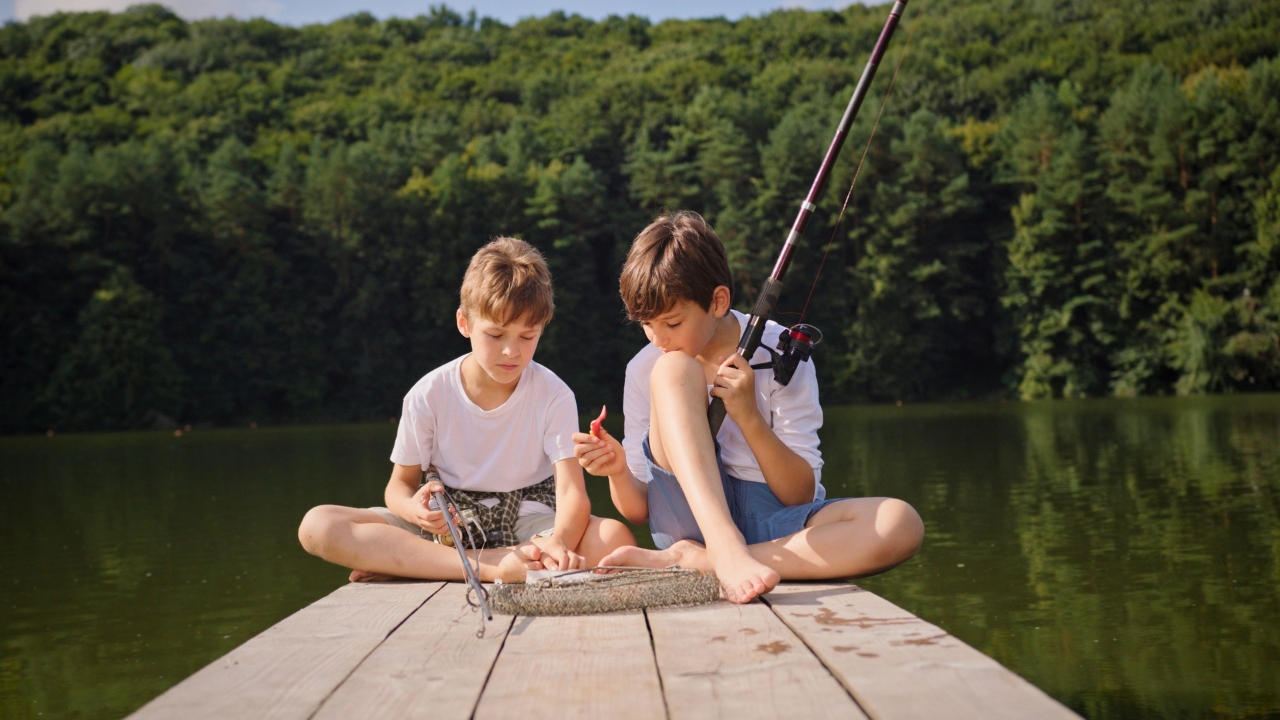
A property owner on Reddit said his family had a pond, and neighborhood kids kept showing up to fish it. At first glance, that may sound like the kind of thing a lot of rural families brush off. Kids see water, they see fish, and they think they’ve found a good place to spend an afternoon. But for the family who owned the pond, it was not that simple. They were worried about what could happen if one of those kids got hurt, fell in, drowned, got bitten by something, or claimed the family had allowed access without making the risks clear.
That’s the problem with private ponds. They look harmless from the outside, especially to kids. A little bank fishing, a few bluegill, maybe some bass, and it feels like no big deal. But anyone who has owned land with water on it knows a pond can be a headache fast. Banks wash out. Mud gets slick. Old hooks, broken glass, rusty wire, stumps, snakes, snapping turtles, deep drop-offs, and hidden holes can all be sitting right where somebody decides to climb down and cast.
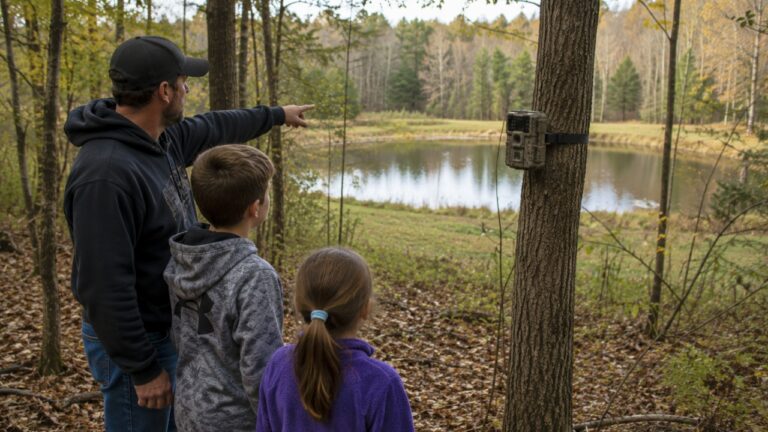
The family was not trying to be cruel to kids who wanted to fish. They were trying to figure out how to protect themselves before something bad happened. That is a tough spot for landowners because people often treat open land like it is public until they are told otherwise. A pond that sits near a neighborhood, road, or walking path can start drawing people without anyone asking permission. One kid tells another kid. Then a couple bikes show up. Then fishing poles start appearing. Before long, a private pond has turned into the unofficial local fishing hole.
That may sound harmless until a parent gets involved after an injury. A kid slipping down a muddy bank can become a broken wrist. A hook in the hand can become an angry phone call. A kid wading in too deep can become the kind of emergency nobody wants to think about. Even if the landowner never invited anyone, the situation can still turn into a legal mess, especially when minors are involved and the property has something naturally attractive to them.
Reddit users pushed the family toward the practical side: post clear “No Trespassing” signs, make the boundary obvious, tell kids and parents directly that the pond is private, and stop allowing casual access before it looks like permission. That last part matters. If a landowner lets people fish for months and never says anything, those people may start acting like they have a standing invitation. Then when the owner finally says no, everybody acts offended, as if the private pond became community property through repetition.
For outdoorsmen, this is where being “nice” can backfire. A lot of landowners want to be decent. They remember fishing farm ponds as kids and do not want to be the cranky adult who runs everyone off. But there is a difference between letting one trusted neighbor’s kid fish with permission and letting random minors come and go without supervision. Once it becomes open access, the landowner loses control over who is there, what they bring, what they leave behind, and what risks they take.
There is also the wildlife and property damage side of it. Kids may leave line on the bank, drop bait containers, cut through fences, drag trash in, or mess with boats, docks, feeders, gates, or livestock areas. They may not mean harm, but that does not matter much when you are the one cleaning up fishing line before it wraps around a mower blade or hurts an animal. A pond that gets treated like public water can get trashed quickly if nobody is responsible for it.
The smartest setup is boring and firm. Post signs. Lock gates if there are gates. Put permission rules in writing if anyone is allowed to fish. Require an adult to be present for minors. Make clear that access can be revoked. Keep records if you have had to tell people to leave. If the same kids keep coming back, speak with the parents instead of getting into it with the kids on the bank. The goal is not to scare anybody. It is to make it impossible for someone to claim they did not know the pond was private.
A private pond is one of the best things a landowner can have, but it comes with responsibility. Fish need managed. Banks need watched. Access needs controlled. And when neighborhood kids start treating it like their weekend spot, the owner has to think beyond the next cast. Being generous is fine when the rules are clear. Letting strangers wander onto private water because you do not want to seem rude can turn into a problem that follows you long after the fish quit biting.