Photo credit: Gaspar Zaldo/Pexels.com
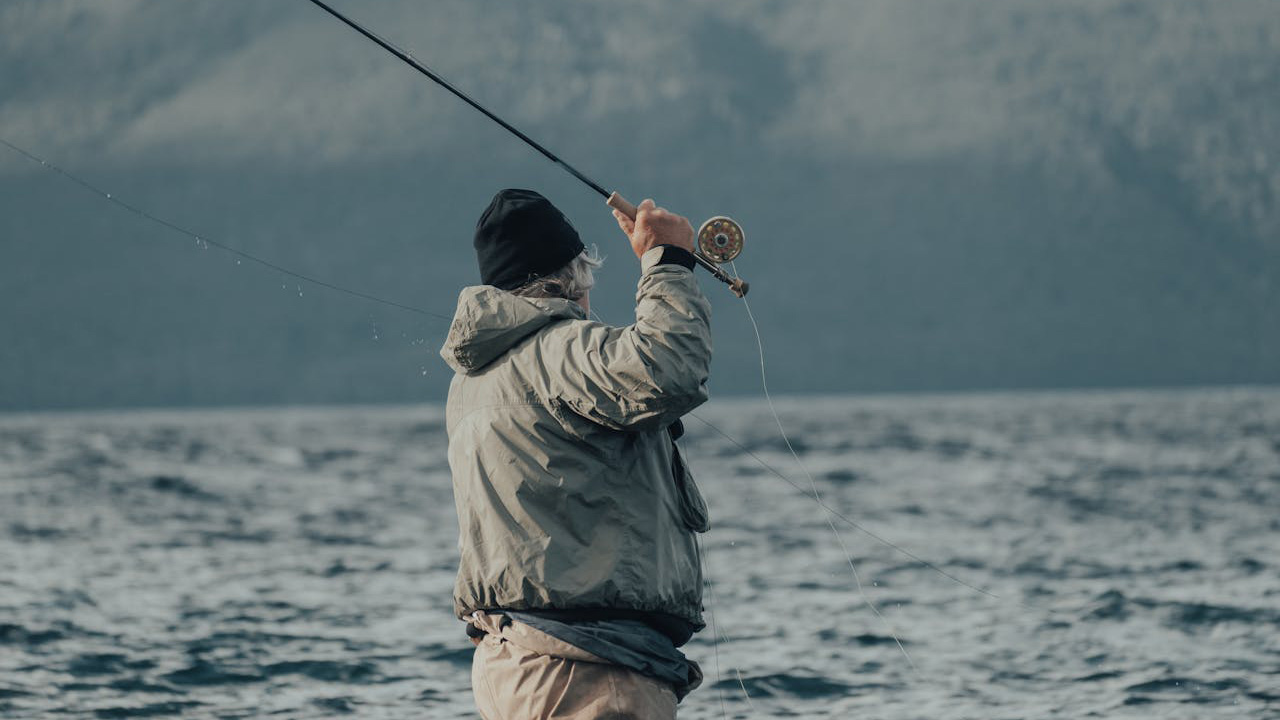
A fly fisherman on Reddit said he was fishing a small pond that had produced good northern pike for him over the years. It was not a giant lake, and it was not a place where people had unlimited room to spread out. There were two ponds separated by a small bridge, and he had set up near that bridge where the fish were stacked. He was throwing large streamers and, according to him, hammering pike almost every cast. He had caught multiple 3-footers from that same pond before, so this was not random luck. He knew the water, knew the fish were there, and had found the exact lane where everything was working.
Then another guy rolled up with spinning gear. At first, the fly fisherman thought the man was just passing by. That happens all the time on small water. Someone walks the bank, sees another angler, gives a nod, and keeps moving until he finds a spot with enough room. The fly fisherman gave him that nod. The other man ignored it. Instead of walking past, he stepped in behind him and set up right in the fly fisherman’s back cast.
That is not a small etiquette mistake. A fly fisherman needs space behind him the way a boater needs water under the prop. When you are throwing large streamers for pike, there is line moving forward and backward with a heavy, hook-filled fly traveling fast enough to hurt somebody. This was not a tiny dry fly drifting over trout. It was pike gear. Big streamer, bigger hook, harder cast, and a whole lot more risk if someone stands where that line needs to go.
The fly fisherman kept casting and kept catching fish. The other angler started throwing a jerkbait over him and managed to foul-hook one of the pike the fly fisherman had just caught and released. That alone would irritate most people. The guy had already crowded him from behind, and now he was casting across the same fish. Instead of finding his own angle or waiting for a clean opening, he pushed into the active bite like the other fisherman was not even there.
The fly fisherman said he was catching pike on nearly every cast, while the spinning-gear guy was not getting anything clean. That probably made the tension worse. Some anglers can watch another person catch fish and handle it fine. Others get weirdly territorial or desperate, like they deserve part of the action because they walked up and saw it happening. That is when people start crowding, crossing lines, and doing things they would never appreciate if the roles were reversed.
The situation got worse when the fly fisherman’s back cast finally caught the other man. From the way he told it, the guy had been standing in the danger zone long enough that it was only a matter of time. A streamer on a back cast is not something you want in your clothes, skin, face, or hat. The other angler was angry about it, but the fly fisherman had a pretty obvious defense: he had been there first, fishing that lane first, and the other man had set up directly behind a fly caster.
That is the kind of public-water stupidity that can turn a good bite into a headache. The fly fisherman was having one of those rare pond sessions where everything lines up. Fish were active, the pattern was working, and he had room to cast until someone else walked into the exact wrong place. The other angler did not need to leave the whole pond. He only needed to give enough space for the cast, the line, and basic safety. On small water, that may mean waiting, moving to the other pond, fishing a different angle, or simply not stepping into another man’s back cast.
There is also a real safety issue with pike flies. Big streamers can carry stout hooks, weighted heads, wire, flash, and enough mass to hit hard. If one catches a person in the face or neck, that is not a funny little snag. It can mean a trip to urgent care, a cut line, a ruined fly, and a story nobody needed. Standing behind someone throwing that kind of gear is like standing behind someone swinging a golf club and acting surprised when you get clipped.
The easiest rule is also the oldest one: the person already fishing gets the room needed to fish safely. Not the whole lake. Not every fish in the pond. Just enough space to cast without hooking another human being. If someone is fly casting, stay out of the back cast. If someone is working a small bridge, culvert, point, or narrow channel, do not walk into the one lane they are using. If they are catching fish and you want in, ask where you can stand without interfering. Most anglers will respect that a lot more than being crowded by someone who pretends he does not see them.
The fly fisherman went there for pike and found them. Another angler saw it happening and tried to slide into the action without giving him room. By the end, a good bite had turned into another reminder that the fish are rarely the hardest part of fishing public water. A lot of the time, it is the people who show up after you found them.