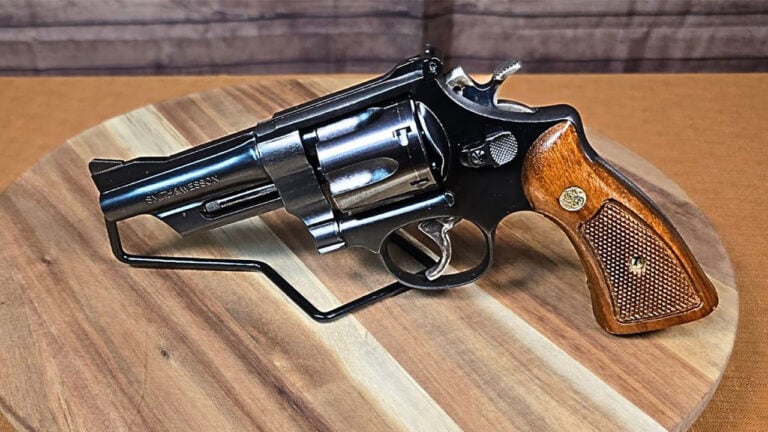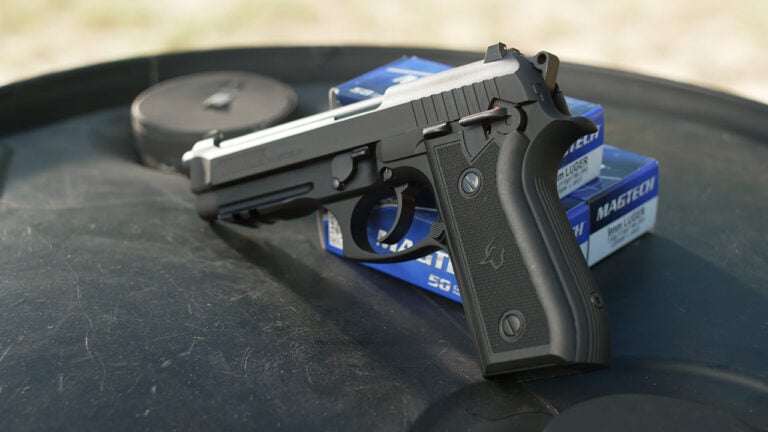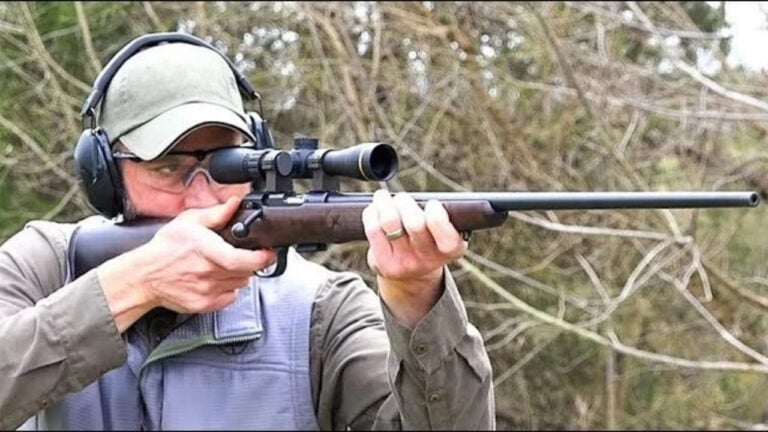
Photo credit: Jordi Mora/Shutterstock
Ballistics tables always look tidy—numbers for velocity, drop, and energy make certain cartridges seem like they’ll punch well above their weight. But once you step onto a real range or hillside where wind is a constant factor, some calibers reveal their shortcomings quickly. Lightweight bullets with flashy speed often lose stability in even mild crosswinds, and that energy advantage fades fast. If you’ve ever dialed perfectly for elevation but still missed because of drift, you’ve seen the problem firsthand. Let’s break down calibers that shine on paper but stumble when the air starts moving.
.22 Hornet
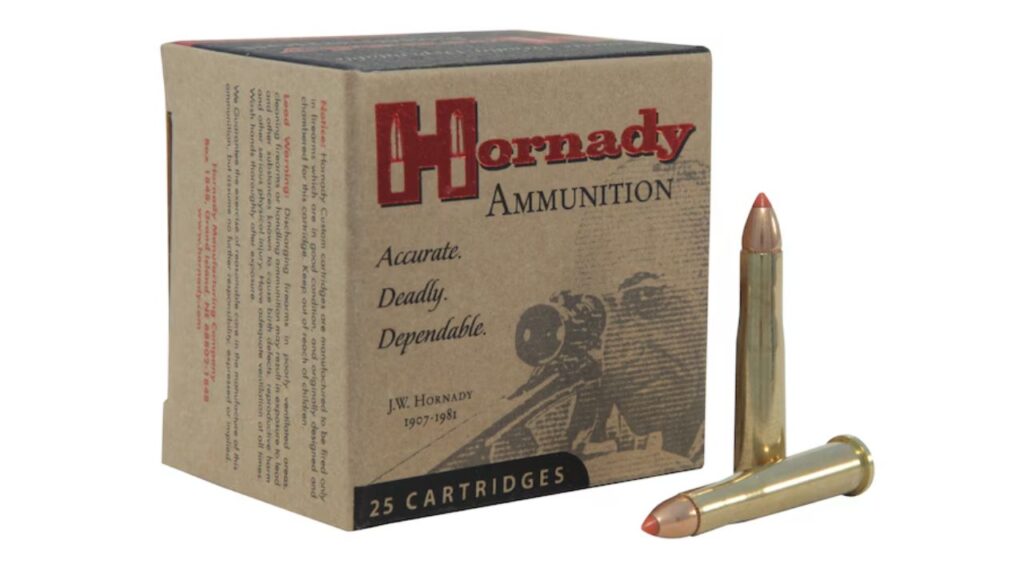
The .22 Hornet is often praised for being flat-shooting and efficient, especially for small-game and varmint work. On paper, it looks like a tidy little cartridge with respectable velocity out past 150 yards. The problem is its bullet weights, usually in the 35- to 45-grain range, don’t hold up in even moderate crosswinds. Drift becomes noticeable almost immediately past 100 yards.
Hunters who try stretching the Hornet past its comfort zone quickly see its accuracy vanish in gusty conditions. It remains an excellent close-range small-game option, but the ballistics charts oversell its real-world ability to stay steady in wind. Beyond short-range use, the Hornet is more frustrating than effective.
.218 Bee
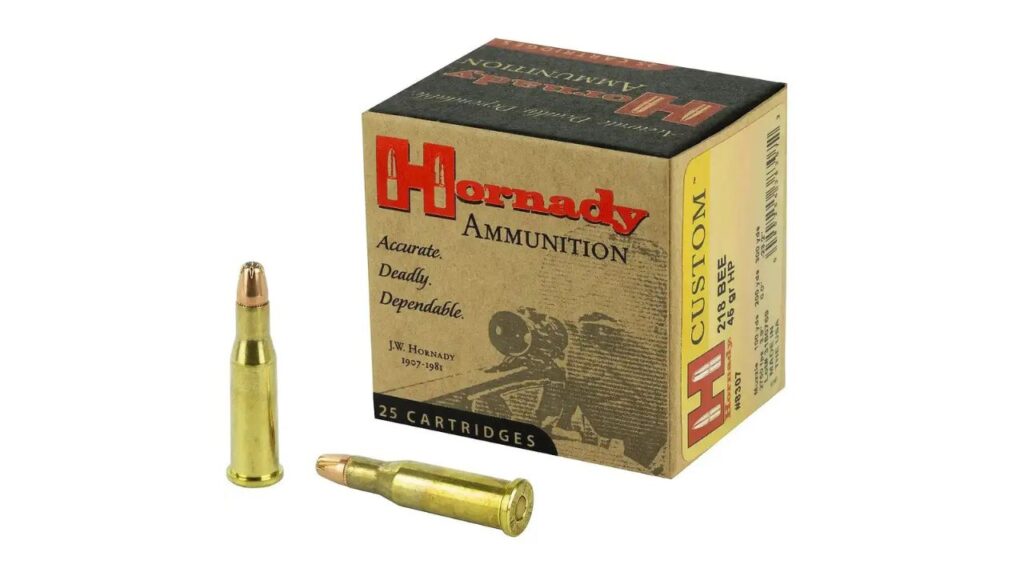
The .218 Bee doesn’t get mentioned much these days, but when it was first introduced it looked like a hot little varmint round. With muzzle velocities topping 3,000 fps, it promised flat shooting across open country. The reality is that its light bullets shed energy quickly, and wind drift is worse than most shooters expect once you stretch beyond 150 yards.
In calm air, the Bee still has nostalgic charm. But bring wind into the mix, and the groups spread fast. It’s another reminder that speed alone doesn’t fight crosswinds—weight and ballistic coefficient matter more. On paper, it tempts handloaders, but in practical hunting conditions, it rarely lives up to its charts.
.25-20 Winchester
The .25-20 Winchester earned a following as a small-game and early varmint cartridge, and looking at its ballistics, it seems like it should reach out a bit farther than the .22s of its day. The reality is that its light, slow-moving bullets are pushed badly by wind, making accuracy tough beyond 100 yards in anything but perfect conditions.
What looks balanced in old ballistic tables doesn’t translate into steady field performance. The cartridge lacks both speed and weight to buck wind effectively. While it’s a nostalgic round with history behind it, the .25-20 shows exactly why some cartridges fade out—they simply don’t perform reliably in the conditions hunters actually face.
.204 Ruger
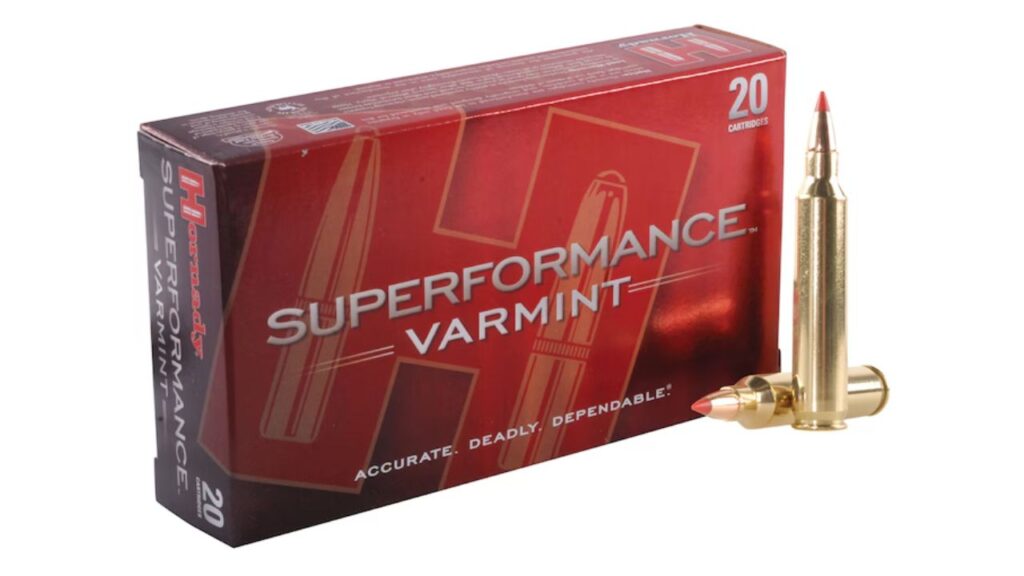
The .204 Ruger was hyped for blistering speeds, often pushing 32-grain bullets past 4,000 fps. That velocity makes for a flat trajectory at closer ranges, but the low sectional density and light weight of the bullet cause major drift in wind. The speed helps a little, but once energy starts bleeding off, the tiny projectile can’t stay stable.
Varmint shooters quickly learn that in windy plains, the .204 doesn’t hold as steady as they’d like. At 300 yards, even moderate wind can move shots several inches off target. That turns clean hits on small animals into marginal ones. While the .204 Ruger looks fantastic on paper with drop charts, it fails to deliver predictable accuracy where the breeze is always moving grass and fence lines.
.22-250 Remington with light bullets
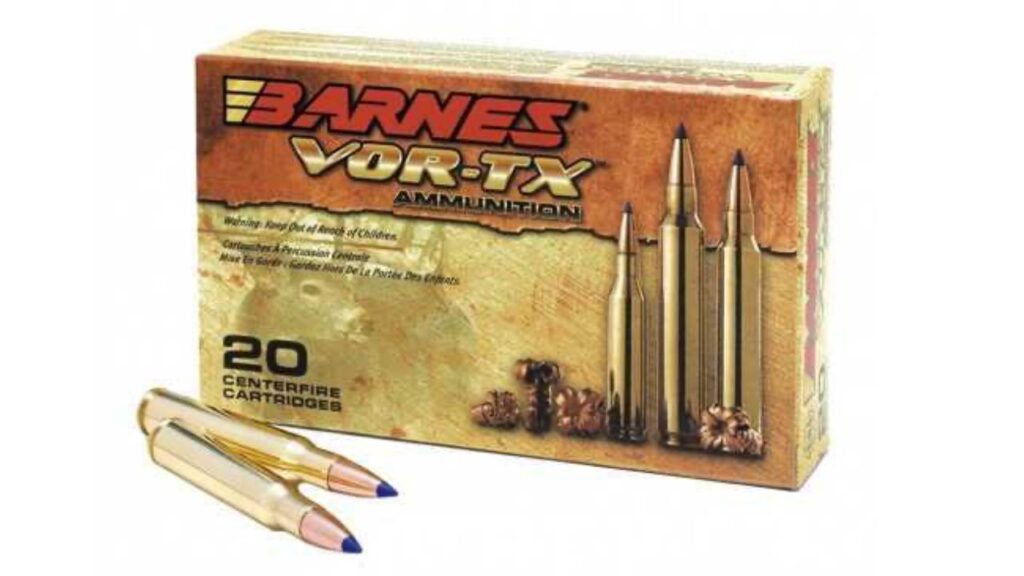
The .22-250 Remington has a reputation for speed, but it’s often paired with 40-grain bullets to maximize velocity. At nearly 4,000 fps, it looks unbeatable on paper. Yet, those light bullets shed energy quickly and drift heavily in wind compared to heavier options. Ballistics charts rarely highlight this weakness, but the difference shows when real conditions apply.
Shooters in prairie country have seen firsthand that lighter .22-250 loads can miss badly despite perfect elevation calls. Swap to heavier 55- or 60-grain bullets, and it behaves better, but many still buy into the hype of those lighter projectiles. It’s a caliber that rewards careful loading choices, but when built for speed over weight, wind drift makes it unreliable in open conditions.
6.5 Grendel
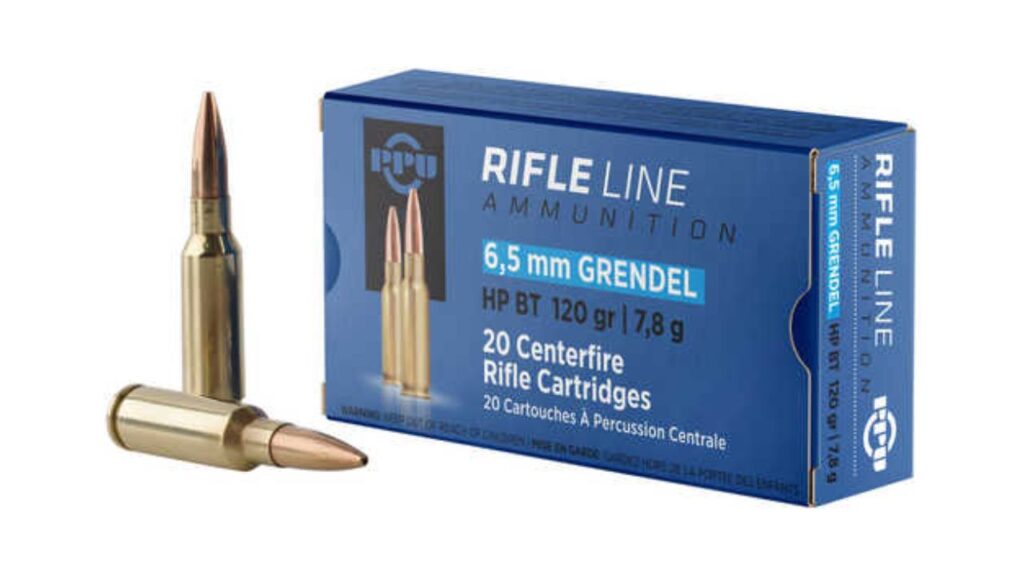
The 6.5 Grendel markets itself as a long-range option for the AR platform, with decent velocity and energy at moderate distances. On paper, it looks efficient, but once you stretch it past 400 yards in wind, its weaknesses appear. The slower speeds compared to full-sized 6.5 cartridges give the wind more time to act on its bullets.
Hunters who chase game with the Grendel in open fields often find they must hold more wind than expected. Its bullets have good ballistic coefficients, but lower muzzle velocity reduces their ability to stay tight in gusty conditions. The 6.5 Grendel can be very accurate in calm weather, but if you expect reliable performance across variable wind at extended ranges, it doesn’t quite keep up.
7mm-08 Remington with light loads

The 7mm-08 Remington is an excellent hunting caliber overall, but when paired with lighter bullet loads, it falters in wind. Many hunters opt for 120-grain bullets for flatter trajectories, and while they look solid on charts, the lower weight increases drift compared to heavier 140- or 150-grain options.
On calm ranges, the light 7mm-08 loads perform well, but in mountain hunting where crosswinds funnel unpredictably, they can wander off target. The heavier bullets balance out wind resistance better, but the appeal of lighter, faster projectiles tempts many. In the end, the 7mm-08 isn’t inherently flawed—it’s the lighter bullet pairings that show how numbers on paper don’t always tell the whole story in the field.
.243 Winchester with varmint bullets

The .243 Winchester can be an excellent all-around cartridge, but when paired with 55- to 70-grain varmint bullets, it falls apart in wind. Those loads race out of the barrel fast, but with such light mass, they drift heavily at 200 yards and beyond. Ballistics charts show minimal drop, which grabs attention, but real-world performance tells a different story.
Deer hunters who stick with heavier 90- to 100-grain bullets see better results in crosswinds. But those chasing varmints with lighter loads quickly learn that steady hits become rare once wind is part of the picture. The .243 Winchester proves that bullet weight choice matters as much as caliber, and in this case, the paper numbers oversell what happens when the wind shows up.
.300 Blackout subsonic
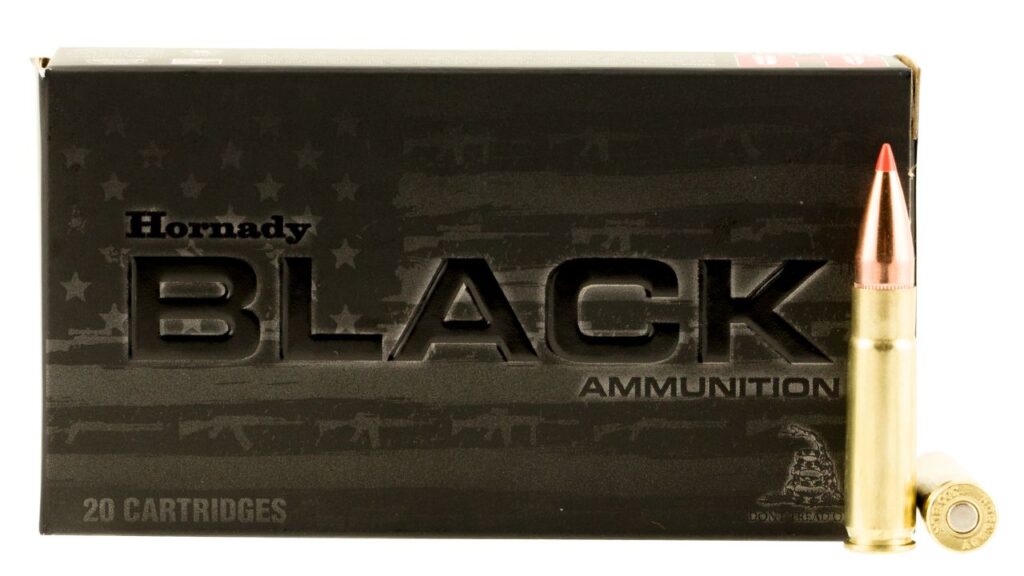
The .300 Blackout shines in close-range suppressed roles, but when you run subsonic loads, wind becomes a serious obstacle. Heavy bullets at slow speeds stay in the air longer, giving crosswinds plenty of time to shove them off course. On paper, those big 220-grain bullets look like they’ll push through anything, but the low velocity changes the outcome.
At 100 yards, drift is already obvious. Beyond that, you can struggle to stay on target without constant wind corrections. The cartridge’s strengths in quiet shooting don’t transfer to consistency in windy conditions. It’s a perfect example of a caliber that looks solid in specs but doesn’t meet the same expectations when faced with practical challenges outdoors.
.270 Winchester with lighter loads
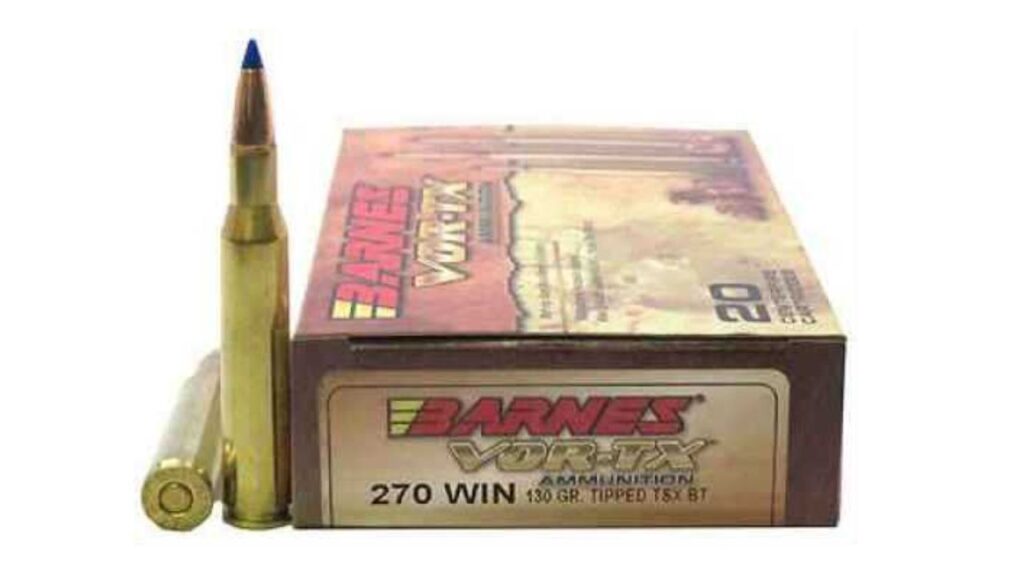
The .270 Winchester is a classic big-game round, but its lighter 90- to 110-grain loads marketed for varmints or flatter shooting don’t perform well in wind. On paper, those high speeds look like an advantage, but the reduced sectional density means drift increases quickly with distance.
Hunters who stick with the traditional 130- to 150-grain bullets see much better results in the wind. But if you buy into the flatter-shooting light loads, you’ll be frustrated when gusts pull your shots away. The .270 itself isn’t the problem—it’s when it’s loaded for velocity over weight that the cartridge loses consistency in real-world, windy conditions.
*This article was developed with AI-powered tools and has been carefully reviewed by our editors.