Photo credit: Smith & Wesson/YouTube
Choosing the right carry position is a personal decision, and what works for one person might not work for another. Some methods prioritize speed and accessibility, while others focus on comfort and deep concealment. Whether you prefer carrying on your waist, ankle, or even in a bag, each position comes with its own pros and cons. Here’s a breakdown of nine common (and not-so-common) ways to carry a handgun, so you can figure out which one makes the most sense for you.
Carrying Inside the Waistband (IWB)
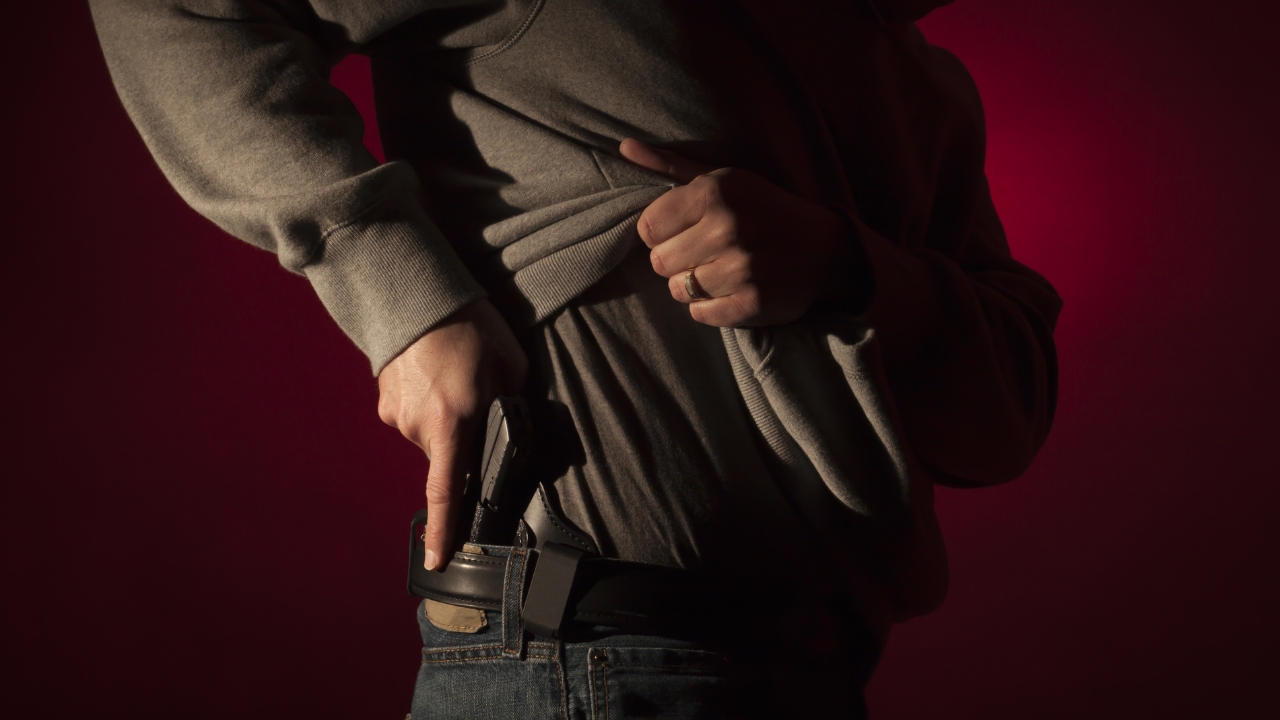
IWB carry is a favorite for a reason—it’s secure, discreet, and practical. By keeping the gun snug against your body inside your waistband, you minimize printing (where the outline of the gun shows through your clothes). It’s one of the best options for everyday carry, especially if you want to keep things low-profile.
The key to making IWB work? A solid holster and a good belt. A quality setup makes all the difference in comfort and accessibility. Some folks prefer a slight forward cant to help with drawing, especially when seated. If you’re willing to tweak your setup a little, IWB can be a comfortable and reliable way to carry daily.
Appendix Carry (AIWB)
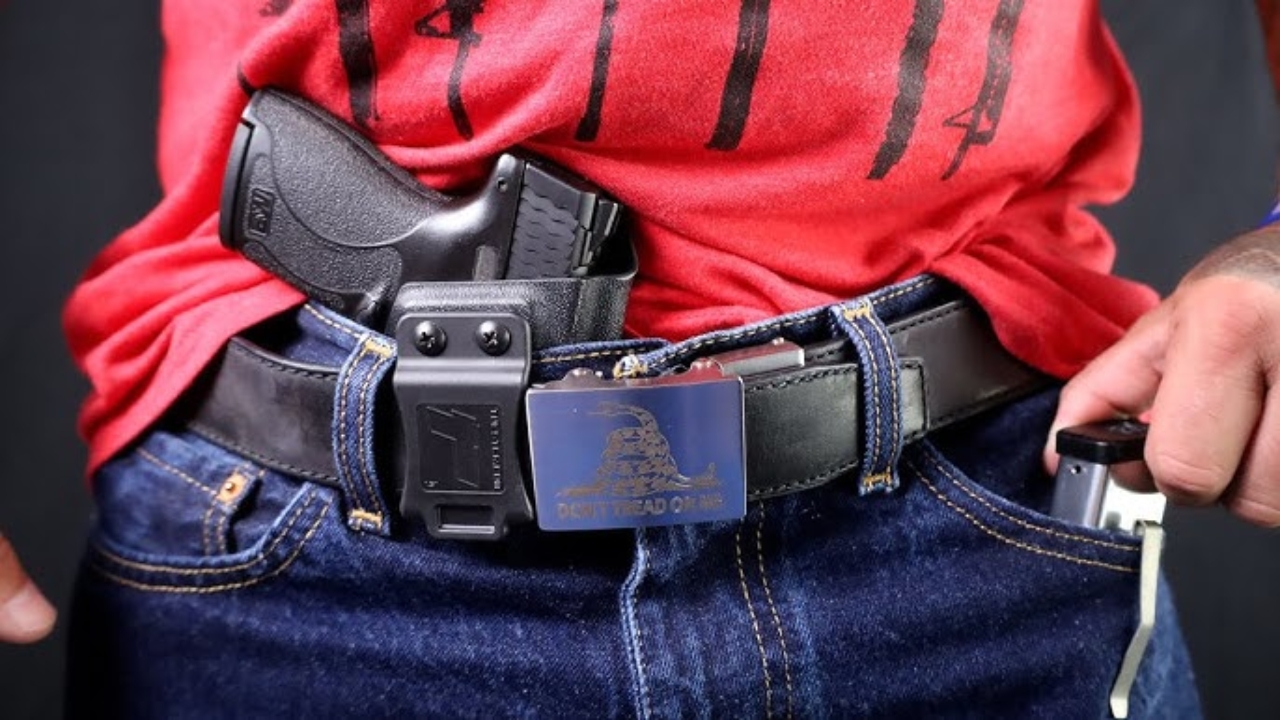
Appendix carry is all about quick access—the gun sits up front, usually around the 1 o’clock position, making for a fast and natural draw. It’s especially useful if you spend a lot of time sitting or driving, since you don’t have to twist awkwardly to get to your firearm. That’s a huge plus for concealed carriers who want speed on their side.
But let’s be real—AIWB isn’t for everyone. Some people find it uncomfortable, especially when sitting for long periods. And there’s always the concern about where the barrel is pointed when reholstering. A good AIWB-specific holster with a built-in wedge or claw can make a huge difference in comfort and concealment. If you can get past the initial adjustment period, AIWB is one of the best ways to carry.
Outside the Waistband (OWB)

OWB is probably the most comfortable way to carry, but it’s also the hardest to conceal. The gun sits on the outside of your waistband, which means quick access and less pressure on your body—a big win for open carry or wintertime concealed carry under a jacket.
The trade-off? Concealment takes more effort. You’ll need a longer shirt or a jacket to keep the gun hidden, and depending on your body type, it might still print. If deep concealment isn’t your top priority, OWB can be a great everyday carry option—especially for those who prioritize comfort over absolute stealth.
Pocket Carry

Pocket carry is as simple as it gets—drop a small gun in your pocket (in a proper holster) and go about your day. It’s a solid choice for deep concealment, especially if you’re wearing lighter clothing or just don’t want to hassle with a belt setup. One big advantage? You can keep a hand on your gun without drawing attention—a huge plus in sketchy situations.
That said, safety is everything with pocket carry. A good pocket holster keeps the trigger covered and ensures the gun stays in place. Without it, you’re asking for trouble. And forget about carrying anything else in that pocket—keys, change, or anything loose can become a real hazard. If you’ve got a micro pistol and need a discreet, no-fuss carry method, pocket carry might be worth considering.
Cross Draw

Cross draw places your gun on the opposite side of your dominant hand, usually angled forward. It’s a solid choice for people who sit a lot, like drivers or desk workers, since the gun is easier to access than a strong-side holster in those positions. Plus, it’s a more natural draw if you ever need to reach for your gun while seated or belted in.
But let’s be honest—cross draw has its downsides. It’s slower than strong-side or appendix carry, and if you’re ever in a physical struggle, the gun is easier for someone else to grab. Plus, drawing across your body means you’re briefly sweeping everything in front of you with the muzzle—a big no-go in many training circles. It’s a niche carry position that works well for some, but it’s not the fastest or most secure option out there.
Shoulder Holster

Shoulder holsters have that old-school appeal, and they actually make a lot of sense for some people. If you spend most of your day driving or sitting, a shoulder holster keeps the gun accessible without digging into your side. It’s also a great alternative for people who can’t carry on their waist due to medical reasons or comfort issues.
The catch? Concealment is tricky. Unless you’re wearing a jacket or heavy overshirt, the holster and straps can print badly. Plus, drawing from a shoulder rig requires a sweeping motion, which takes practice to do safely. If you’re willing to work with the drawbacks, a shoulder holster can be a comfortable and functional carry method—just don’t expect it to be as fast or discreet as waistband carry.
Ankle Carry

Ankle carry is all about deep concealment—great for a backup gun but not ideal as your main option. It’s tucked away and out of sight, making it one of the most discreet ways to carry, but let’s be honest—it’s slow to draw from, especially when standing. If you ever actually need it, you’ll likely have to kneel or bend down, which isn’t ideal in a high-stress situation.
That said, for those who carry a secondary firearm, ankle carry has its place. It works best with compact revolvers or subcompact pistols, and if you go this route, you’ll need loose-fitting pants to avoid printing. Some folks even double up on socks to keep the holster from rubbing. It’s not the fastest or most practical carry method, but it’s a solid backup option.
Off-Body Carry

Off-body carry—using a bag, purse, or backpack—is sometimes the only option for people who can’t (or don’t want to) carry on-body. It’s convenient, lets you carry a larger firearm, and works well if your clothing makes traditional carry difficult.
But here’s the problem: you’re not always in control of your firearm. If you set your bag down or someone grabs it, your gun goes with it. And in a high-stress situation, digging through a bag is way too slow compared to drawing from a holster. If you go this route, you need a bag with a dedicated, secure compartment that keeps the gun accessible—but honestly, on-body carry is almost always the better choice.
Waistband Harness
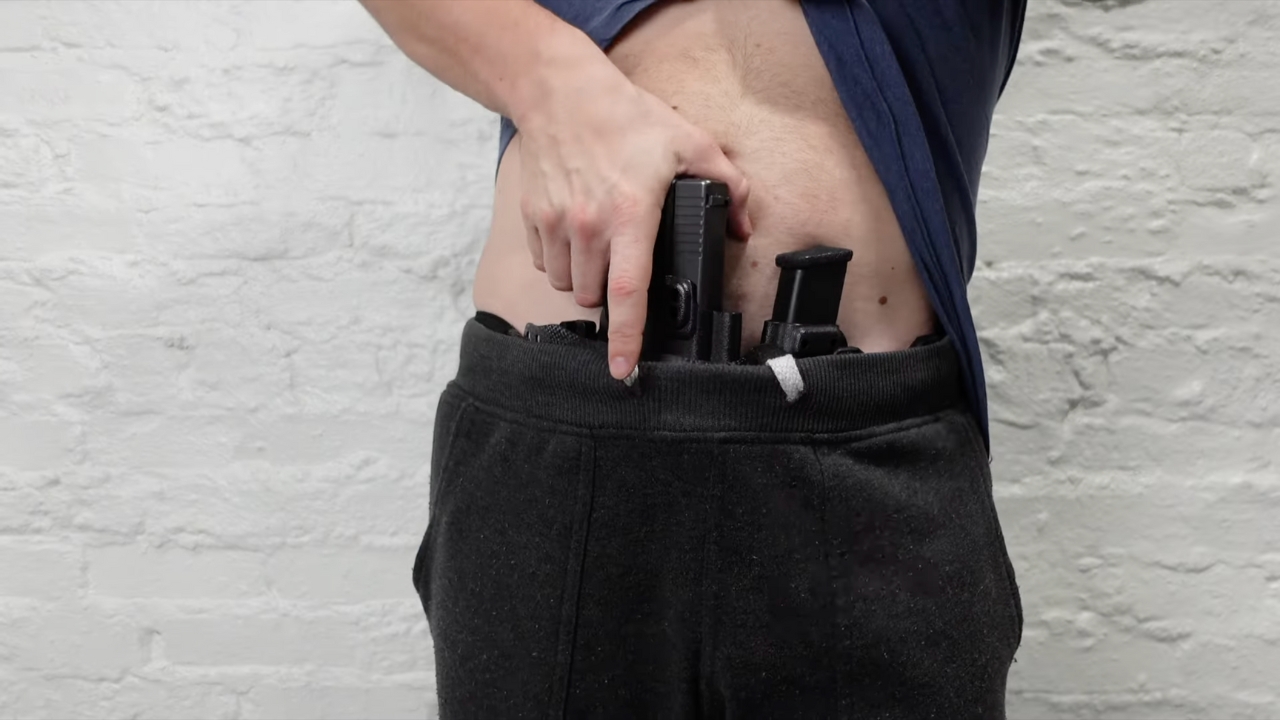
Waistband harness systems, like the Filster Enigma, have changed the game for concealed carry. Instead of relying on a belt, these systems anchor the holster to your body, making them perfect for athletic wear, dresses, or other outfits that don’t work well with a belt. If you’ve ever struggled with traditional IWB setups, a waistband harness can be a comfortable and highly concealable alternative.
The biggest benefit? It keeps the gun secure and stable, no matter what you’re wearing. The trade-off is that it takes a little time to set up properly, and you’ll need to practice your draw to get used to it. But if traditional waistband carry hasn’t worked for you, this setup is worth considering.
Finding the Best Carry Position for You

There’s no one-size-fits-all answer when it comes to carrying a firearm. The best position is the one that fits your lifestyle, your body type, and your level of training. Some methods prioritize speed, while others focus on comfort or concealment—but none of them matter if you don’t practice.
Try different positions, invest in a good holster, and train with your setup. Whether you prefer AIWB, OWB, or something less conventional, the key is confidence and consistency. If you can carry comfortably and access your firearm quickly when it matters, you’re on the right track.
Like The Avid Outdoorsman’s content? Subscribe to our newsletter so you never miss an article.
Here’s more from us: