Some cartridges stick around because they solve real problems. Others hang on because shooters feel nostalgic, even when better options have been around for decades. When you look at what’s available today—modern bullets, stronger actions, and rifles that hold zero better than ever—some of the older or overly specialized rounds simply don’t have a clear role anymore. They’re harder to find, pricier to feed, and outperformed by cartridges that kick less, shoot flatter, or drop game cleaner. If you’ve spent time on ranges or in hunting camps, you’ve seen these rounds fade while newer designs keep taking over. Here are the cartridges that no longer offer a good reason to stick with them.
.30-40 Krag

The .30-40 Krag was groundbreaking in its day, but that day is long gone. With modern .308 Winchester and .30-06 Springfield rifles offering far more power, flatter trajectories, and far better availability, the Krag simply doesn’t justify itself anymore. Ammunition is difficult to find, inconsistent in quality, and expensive for what it delivers. Even handloaders struggle to make it competitive with modern .30-caliber rounds.
While it still carries historical charm, it lacks the punch many hunters want for bigger game and doesn’t offer the efficiency today’s shooters expect. Most rifles chambered for it are older, softer steel designs that restrict pressure and bullet choice. When you compare it to current offerings, staying with the Krag feels more like nostalgia than practicality.
.32 Winchester Special

The .32 Winchester Special was supposed to give lever-gunners a little more punch than the .30-30 while still using black powder if needed. That appeal vanished a century ago. Today, the .30-30 remains far more available, offers better bullet options, and performs within a few feet per second of the .32 Special. Meanwhile, .32 Special ammo has become a rare commodity, often costing two or three times more—if you can even find it.
Rifles chambered for it are mostly older lever actions, which limits the use of modern bullets that could otherwise help it catch up. In real-world performance, it simply doesn’t outshine the .30-30 enough to justify the added cost and scarcity. It’s a round that doesn’t occupy a meaningful niche anymore.
.35 Remington
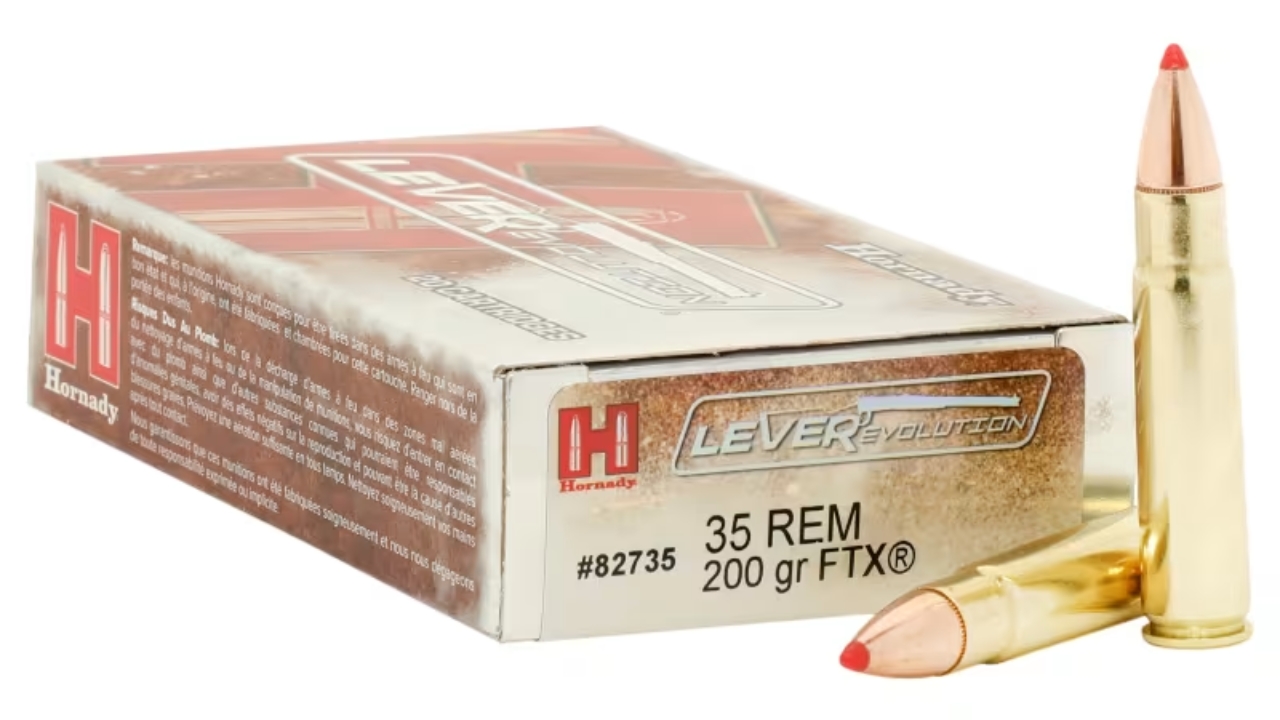
Once respected for woods hunting, the .35 Remington has slowly lost ground. Modern .350 Legend rifles hit the same energy levels, use widely available straight-wall ammo, and offer far more rifle choices. Meanwhile, .35 Rem factory ammo is pricey, inconsistent in stock, and often underloaded for older rifles. The ballistic edge it once had isn’t enough to keep it relevant.
The round’s low pressure limits make it hard to modernize, and the number of rifles chambered for it keeps shrinking. You still see it in old Marlins and Remington pumps, but even there, newer cartridges outperform it with less recoil and better bullet designs. Its era has passed, and the market has moved on.
.25-20 Winchester

The .25-20 Winchester once filled a niche for small game and varmint work, but modern rimfires and small centerfires have overtaken it completely. A .22 WMR shoots flatter, hits harder, and costs far less to feed. Meanwhile, .17 HMR offers even better trajectory for tiny targets. For centerfire fans, the .204 Ruger and .223 Remington outperform the .25-20 in every possible way.
Ammunition is nearly impossible to find, and when it does appear, prices are steep. Reloading components aren’t much easier to source. The round simply can’t keep up with today’s options, and it no longer offers any advantage that makes it worth tracking down.
.38-40 Winchester

The .38-40 is a true Old West cartridge, but its usefulness has faded in every category. Cowboys appreciated its mild recoil and decent terminal performance, but modern shooters have better choices across the board. It’s overshadowed by .357 Magnum in revolvers and lever actions, and by .40 S&W in semi-autos. Meanwhile, the ammunition is hard to find and usually underloaded for safety reasons.
Even handloaders struggle to get consistent performance, thanks to thin brass and limited bullet choices. When you compare it with modern pistol-caliber options, the .38-40 doesn’t offer anything worth the effort. It survives mostly in cowboy-action circles and nowhere else.
.220 Swift

The .220 Swift once held velocity records, but its niche has shrunk as modern .22 centerfires evolved. The .22-250 Remington delivers nearly the same speed with less barrel wear and more consistent factory ammo. Shooters today appreciate predictable performance, not chasing a few extra feet per second at the cost of barrel life.
The Swift can still be accurate, but it demands meticulous reloading and careful cleaning to stay competitive. With modern cartridges offering easier accuracy and better bullet compatibility, most shooters simply don’t see the need for the Swift anymore. It’s an impressive chapter in history, but it no longer leads the pack.
.300 Savage

The .300 Savage was ahead of its time, giving shooters near-.30-06 performance from a shorter action. But once the .308 Winchester arrived, it effectively replaced the .300 Savage outright. The .308 shoots flatter, hits harder, and is available in countless rifles. Meanwhile, .300 Savage ammo has gotten scarce, expensive, and inconsistent.
Rifles chambered for it—primarily older lever and bolt guns—limit the bullet choices and performance potential. While it still works for deer hunting, it offers nothing that the .308 doesn’t do better. Nostalgia aside, it’s a hard cartridge to justify in 2025.
.244 Remington

The .244 Remington struggled from the start due to twist-rate issues, and even after being rebranded as the 6mm Remington, it never fully recovered. Today, the 6mm Creedmoor and .243 Winchester dominate the space, offering better factory ammo, more rifle choices, and predictable long-range performance.
The .244 suffers from limited availability and inconsistent ammunition. Even when you track down the right bullets, you’re still working with a round that never caught on enough to justify its headaches. Accuracy can be excellent, but the lack of support makes it a tough choice for modern shooters.
.280 Remington

The .280 Remington is a great cartridge on paper, but the market never embraced it the way it embraced .270 Winchester and .30-06. With the rise of the 7mm Rem Mag and now the 7mm PRC, the .280 has even less room to stand out. Ammunition selection is thin, and the few loads available often sit at premium-tier prices.
Rifles aren’t much easier to find. While the cartridge performs well, it’s overshadowed at every turn by rounds that shoot flatter or hit harder with better factory support. It’s hard to recommend when so many alternatives outperform it with less effort.
.30 Carbine
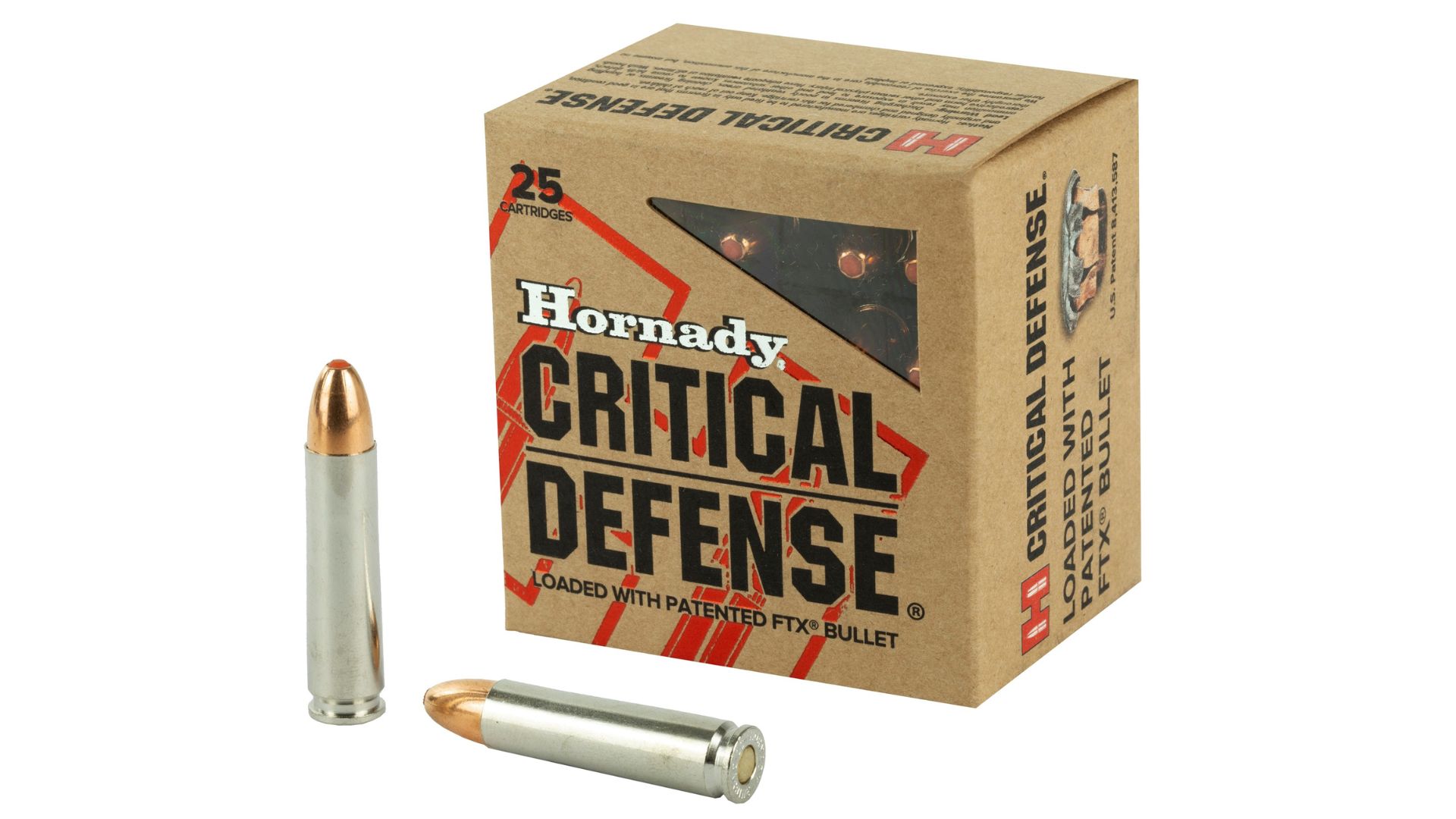
The .30 Carbine has a loyal following thanks to the M1 Carbine, but as a practical cartridge, it doesn’t make much sense anymore. It lacks the energy for reliable deer hunting, and when used for defense, it sits in a strange middle ground between pistol and rifle performance. Modern 9mm PCCs outperform it in cost, availability, and terminal effect.
Ammunition prices continue to climb, and few companies produce high-quality loads. Unless you’re collecting or shooting an original M1, you won’t gain anything by sticking with .30 Carbine in today’s market.
.25-06 Remington

The .25-06 can still take deer cleanly, but it faces stiff competition. Modern 6.5 Creedmoor and .270 Winchester loads outperform it in bullet selection, long-range consistency, and overall versatility. Meanwhile, .25-caliber bullet development has slowed compared to other sizes. The round simply hasn’t kept pace with what hunters expect from modern cartridges.
While handloaders can still get great performance out of it, most factory ammo is limited and pricey. If you want a flat-shooting hunting round, there are simply better-supported options available today.
.17 Remington

The .17 Remington is fun, fast, and incredibly flat—but it’s also finicky. Barrel fouling, wind sensitivity, and inconsistent factory ammo have always made it a tough round to rely on. The rise of .17 HMR and .204 Ruger essentially erased its purpose. They’re easier to find, easier to shoot, and far more affordable.
Most modern rifles aren’t chambered for it anymore, and ammunition is often a special-order item. While it once had a loyal following among varmint hunters, it no longer offers a real advantage in today’s lineup.
.358 Winchester

The .358 Winchester was a powerhouse in the woods, but it never caught on in a meaningful way. With .350 Legend dominating the straight-wall market and modern .308 loads outperforming it in practical hunting scenarios, the .358 doesn’t have a clear place anymore.
Ammunition is scarce, and rifles chambered for it are even scarcer. Handloaders can keep it going, but for most shooters, it’s simply not worth the effort. When a cartridge loses both commercial and practical support, it’s a sign its era has ended.
.264 Winchester Magnum

The .264 Win Mag offered impressive speed but struggled with barrel life and inconsistent factory loads. When 6.5 Creedmoor and 6.5 PRC arrived, they delivered better consistency, better bullets, and better rifle support—without the headaches. The .264’s long, overbore design simply isn’t appealing in 2025.
Hunters once appreciated its flat trajectory, but modern 6.5 cartridges do the same job with less recoil and better accuracy. The .264 Win Mag remains a fascinating piece of ballistic history, but it no longer holds a serious place in today’s lineup of long-range cartridges.
.22 Hornet

The .22 Hornet once had a niche as a quiet, low-recoil varmint round. But modern rimfires and small centerfires outperform it in every category. The .17 HMR, .22 WMR, and .223 Remington all offer better accuracy, better terminal performance, and more affordable ammunition.
Reloading helps, but even then, you’re working with thin brass and limited bullet options. It’s a cartridge caught between eras—too expensive and slow for serious varmint work, and overshadowed by cartridges that offer far better value.
Like The Avid Outdoorsman’s content? Be sure to follow us.
Here’s more from us:
The worst deer rifles money can buy
Sidearms That Belong in the Safe — Not Your Belt
*This article was developed with AI-powered tools and has been carefully reviewed by our editors.