Some factory pistol triggers make it hard to shoot straight, no matter how solid your fundamentals are. Mushy breaks, heavy pulls, or gritty take-up can throw your shots off before the round even leaves the barrel. And if your trigger’s working against you from day one, you’re already at a disadvantage. These are the pistols that show up with triggers so bad, they make you second-guess your own skills—when really, the trigger’s the problem.
Taurus G2C

The Taurus G2C is known for being budget-friendly, but its trigger leaves a lot to be desired. It has a long, gritty pull with a vague break that makes it tough to stay on target. The reset is better, but getting there feels clunky.
Plenty of folks shoot it fine with enough practice, but it’s definitely not doing you any favors out of the box. If you’re looking for tight groups right away, this trigger is going to slow you down.
Kel-Tec PF-9
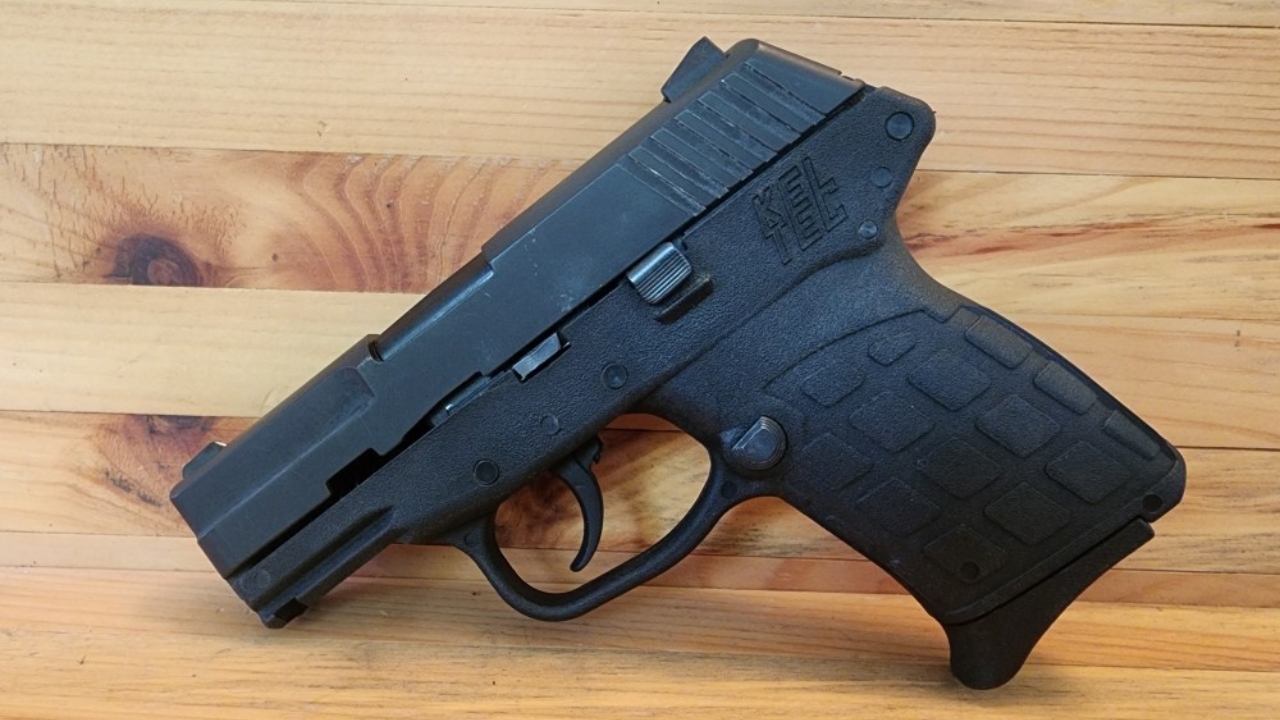
The PF-9 is a compact option that’s light to carry—but heavy to shoot. The double-action-only trigger is long and stiff, and it feels like you’re dragging the shot through mud. There’s no clean break and barely any feedback.
Accuracy suffers fast because the pull is so distracting. Most shooters find themselves anticipating the break or pulling shots off target. It’s one of those guns that makes range time more frustrating than it should be.
Smith & Wesson SD9 VE

Smith & Wesson’s SD9 VE isn’t terrible overall, but its factory trigger holds it back. The pull is long, heavy, and not exactly smooth, which throws off timing and control. It’s not unmanageable—it’s just not great.
Most people who stick with the SD9 VE end up swapping the trigger or getting used to it over time. But if you’re shooting it right out of the box, don’t expect tight groups without a little struggle.
Hi-Point C9
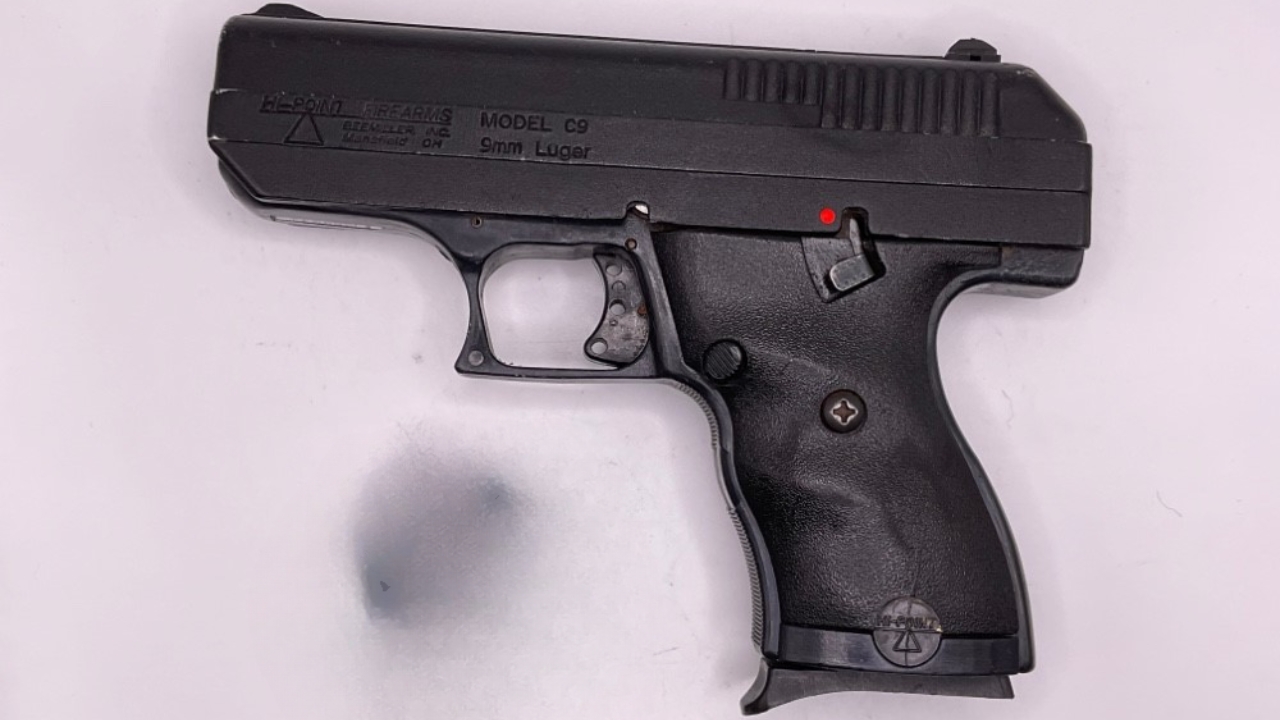
Nobody’s expecting a Hi-Point to feel premium, but the trigger on the C9 is particularly rough. It’s spongy, inconsistent, and breaks in a way that doesn’t inspire confidence. Add in a heavy pull, and accuracy goes downhill quick.
You can make it work with effort, but the trigger definitely isn’t helping. It’s one of those setups where you have to fight the gun a bit just to stay centered on target.
Glock Gen 3 (Stock)
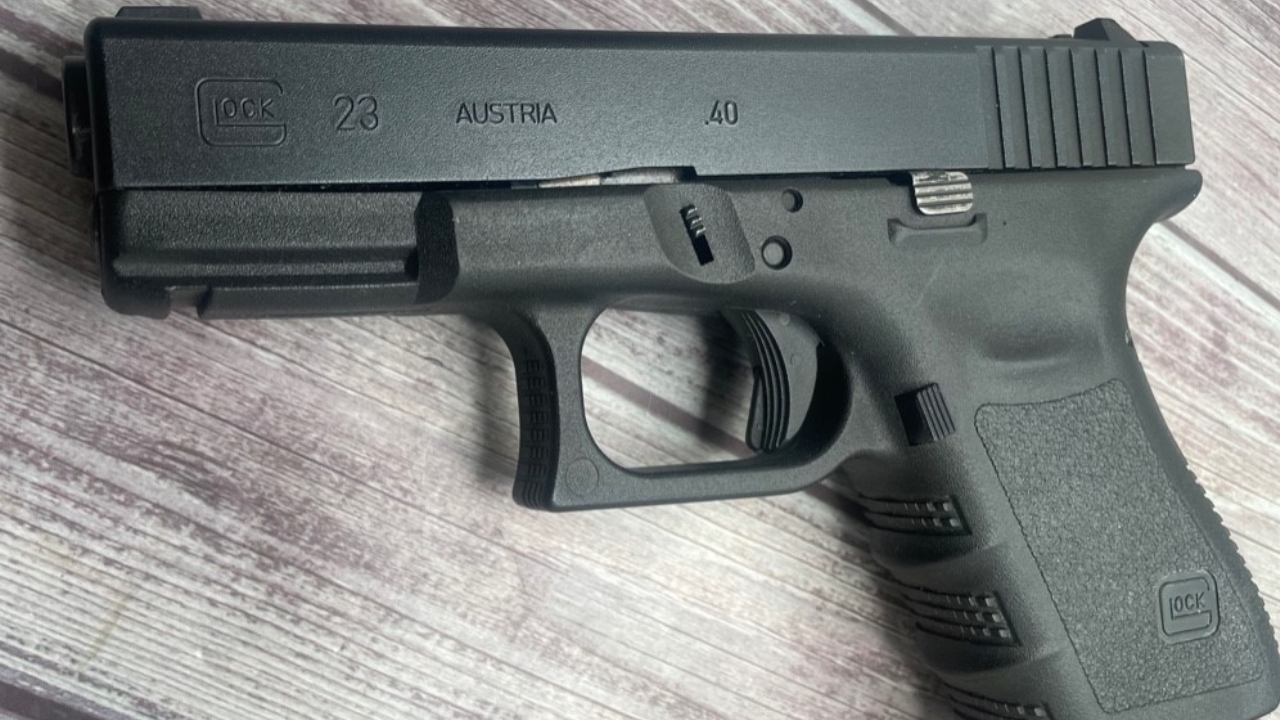
Glock fans may not like this one, but the Gen 3 stock trigger is nothing to brag about. It’s functional, sure—but it’s got a lot of take-up and a wall that feels more squishy than crisp. The break can feel unpredictable for newer shooters.
It gets the job done, but it’s far from refined. Plenty of folks upgrade their Glock triggers for a reason—because the stock one makes it harder to shoot cleanly, especially for slow, precise shots.
Ruger Security-9
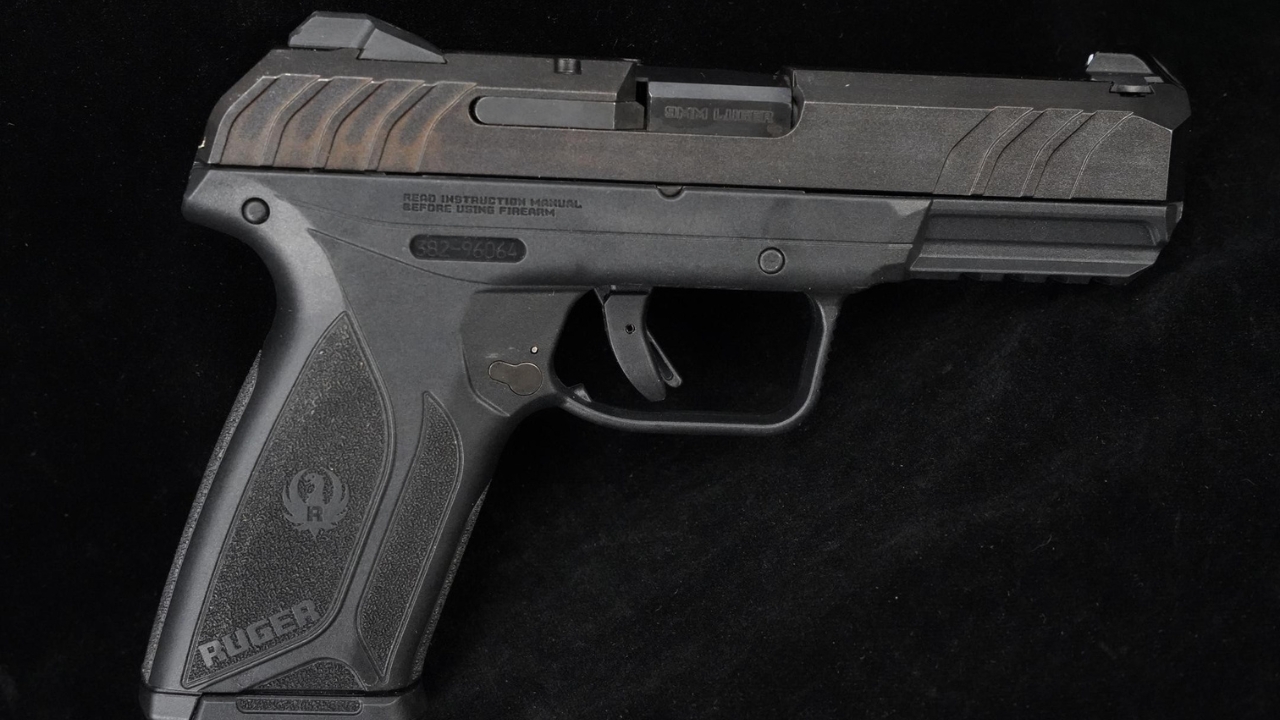
The Ruger Security-9 comes in at a good price point, but the trigger is stiff and springy with an odd reset. It’s a hammer-fired design that feels more like a cheap airsoft gun than a proper carry pistol.
That spongy break doesn’t give you much feedback, which makes it tough to know exactly when the shot’s going off. It’s not the worst trigger out there, but it’s definitely not helping you shoot tighter groups.
Walther CCP

The CCP’s trigger isn’t the worst on the market, but it’s got enough issues to throw your accuracy off if you’re not careful. It’s got a long pull with a somewhat vague break that doesn’t feel consistent from shot to shot.
Add in a reset that isn’t very positive, and you’ll find yourself guessing your way through follow-ups. For a gun marketed toward concealed carry, the trigger feels more like a distraction than a confidence booster.
SCCY CPX-2
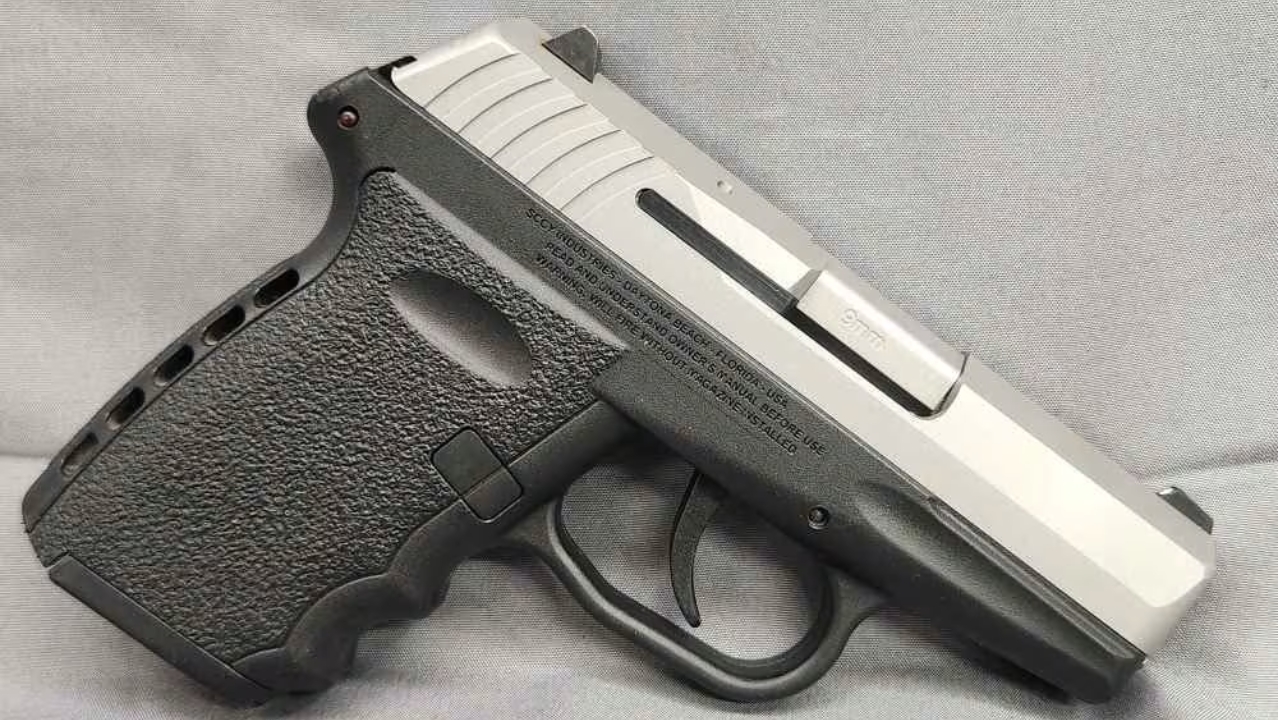
The SCCY CPX-2 has a long, heavy double-action trigger that makes follow-up shots feel slow and unpredictable. There’s no real wall or clean break—it’s a long pull the whole way through.
For new shooters or anyone trying to keep groups tight, it’s a tough one to work with. Some folks get used to it, but right out of the box, the trigger is a major reason this pistol doesn’t shoot as well as it could.
FN 509 (Standard Model)

The FN 509 has a solid reputation for reliability, but the factory trigger on the standard model isn’t great. It’s got a bit of grittiness in the take-up and a break that feels a little vague compared to its price point.
It’s not terrible, but it’s not clean either. For a gun that aims to compete with duty pistols, the trigger should feel sharper. Instead, it tends to be one of the first things folks complain about—and upgrade.
Beretta Nano

The Beretta Nano is compact and simple, but its trigger is a letdown. The pull is long and heavy, and it resets way too deep for fast follow-up shots. It also lacks the crispness you’d want in a concealed carry gun.
Accuracy takes a hit because it’s hard to stay consistent with a trigger that doesn’t give you any feedback. You’re always guessing at the break, and that’s not what you want when precision matters.
*This article was developed with AI-powered tools and has been carefully reviewed by our editors.