Photo credit: Thanakorn.P/ShutterStock.com
You can have a rifle that prints one-hole groups and still fail on the range if the trigger starts acting up. A crisp break doesn’t mean much when reset gets gritty or weak. Triggers wear out—especially ones with small coil springs, carbon-packed sears, or thin pins. After enough firing, heat, grime, and vibration start changing tolerances, and you’ll feel it in the reset: sometimes sharp, sometimes lazy, sometimes nonexistent.
The worst part? It doesn’t always show in dry fire. The gun might feel fine at home, but after a few hours of shooting, you’ll notice resets that don’t click back reliably or even fail to reset at all. Below are rifles and handguns whose triggers are known for losing that predictable reset feel after extended field use. These are lessons learned the hard way—by shooters who’ve run them long enough to know better.
AR-15 Drop-In Triggers (Cheap Aftermarket Units)

Many aftermarket AR-15 drop-ins look impressive—clean break, light pull—but cheaper ones often fail after heavy use. The problem isn’t the design; it’s the materials and tolerances. Triggers from budget brands use weaker reset springs that heat up and soften after long firing strings. Once that happens, you’ll start feeling inconsistent resets or sluggish return to ready.
Some triggers use cast or stamped internals that wear unevenly against the hammer, which throws off engagement surfaces. The trigger will feel fine for the first few hundred rounds, then start showing double-clicks or partial resets. Heat, carbon fouling, and cheap anodizing only speed that decline. Stick with proven names like Geissele, LaRue, or Timney if you plan to shoot thousands of rounds. Bargain triggers might look similar, but they won’t last through a season of hard running without getting unreliable.
SIG Sauer P320 Factory Trigger

The P320’s modular design has made it a hit, but its trigger reset isn’t known for consistency under long use. As carbon builds up around the striker housing and sear contact points, the reset can become muted or vague. Some shooters report it working fine cold, then turning spongy once the gun heats up after several magazines.
SIG’s internal geometry gives the trigger a rolling break rather than a defined wall, and when combined with fouling, that reset can feel almost nonexistent. Light cleaning helps, but after a few thousand rounds, you’ll often see return springs weakening and the reset distance lengthening. Factory units can still run, but they lose that tactile snap fast. For serious use, aftermarket flat triggers with stronger springs and polished disconnectors hold their feel better through heavy round counts.
Glock OEM Triggers (High Round Count)

Glock triggers are famously consistent—until you’ve fired tens of thousands of rounds without refreshing the internals. The reset is driven by a small coil spring and connector tension, both of which degrade under heat and grime. As the parts wear, the reset sound and feel dull, and you’ll start getting inconsistent follow-ups.
Even the slightest carbon on the trigger bar or connector shelf can mute reset entirely. Dry firing masks it, but in live fire, that sluggish return shows up quick. Older Gen 3 and early Gen 4 pistols tend to show it sooner due to softer trigger springs. Cleaning helps for a bit, but after enough use, the only real fix is a parts refresh or polished upgrade kit. A gritty Glock trigger isn’t rare—it’s just one that’s overdue for new springs.
Remington Model 700 X-Mark Pro

The X-Mark Pro trigger promised a crisp break, but it never handled long-term fouling or moisture well. Its enclosed housing traps grit, and over time, that debris slows the return spring. Hunters report resets that start sharp and gradually turn lazy or fail entirely in cold weather.
The coating inside the housing also wears, changing how the sear contacts engage. A rifle that felt perfect at the range can suddenly develop a “mushy” or inconsistent reset after a wet or dusty trip. Remington’s later models improved tolerances, but early triggers in particular show this issue fast. A teardown and deep clean can restore function temporarily, but it’s a repeating problem if the rifle sees real field use.
Smith & Wesson M&P (Pre-2.0 Models)

Before the M&P 2.0 redesign, S&W’s triggers were notorious for weak reset feedback. After heavy use, the vague reset became worse as the trigger bar loop and striker block wore in unevenly. The result? A soft, inconsistent click that sometimes felt like it barely existed.
Over time, carbon and brass residue accumulate in the striker channel, which delays the reset cycle. Shooters who run their M&Ps hard—especially in training or competition—report that the feel can vanish completely until the gun cools and is cleaned. The 2.0’s redesigned sear housing and trigger bar fixed much of it, but older pistols still show this failure mode after sustained fire.
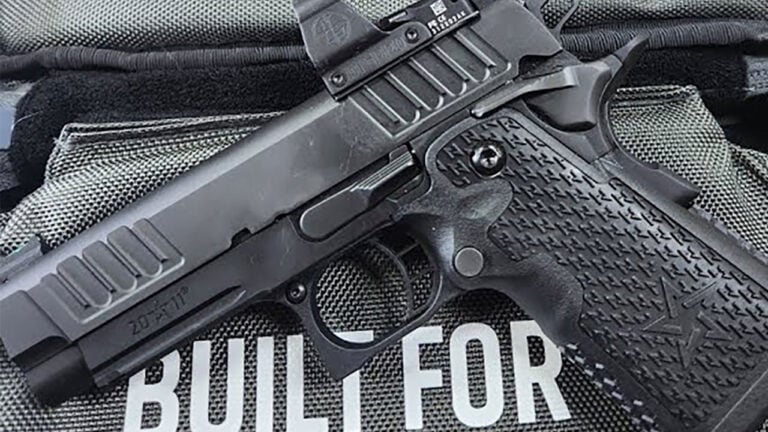
CZ Shadow 2

The Shadow 2 has one of the nicest factory triggers in a DA/SA pistol, but that smoothness comes with tight tolerances that don’t handle grime well. After thousands of rounds, the reset can feel inconsistent as the disconnector channel fouls. That buildup changes timing slightly, so sometimes you’ll get a crisp reset—other times, it’s soft or delayed.
Shooters running the gun in USPSA matches notice it after long stages: the gun heats up, the trigger bar expands slightly, and the reset loses definition. Regular cleaning fixes it short-term, but after prolonged heavy use, internal wear changes reset timing permanently. A trigger job or stronger reset spring helps, but stock Shadow 2s do develop this quirk when pushed hard.
AR-10 Mil-Spec Triggers

AR-10s tend to run hotter and dirtier than their 5.56 counterparts, and that’s bad news for basic mil-spec triggers. The larger bolt carrier group adds extra vibration, which quickly fatigues cheap springs and pins. After a few hundred rounds of rapid fire, reset becomes inconsistent—sometimes positive, sometimes sluggish.
Carbon buildup under the disconnector also plays a role, slowing the reset return. Many shooters find the first sign of trouble is light resets that fail to engage unless the trigger’s released aggressively. Cleaning helps, but once wear starts, it doesn’t stop. Upgrading to a heavier spring or a quality two-stage trigger can fix the issue permanently.
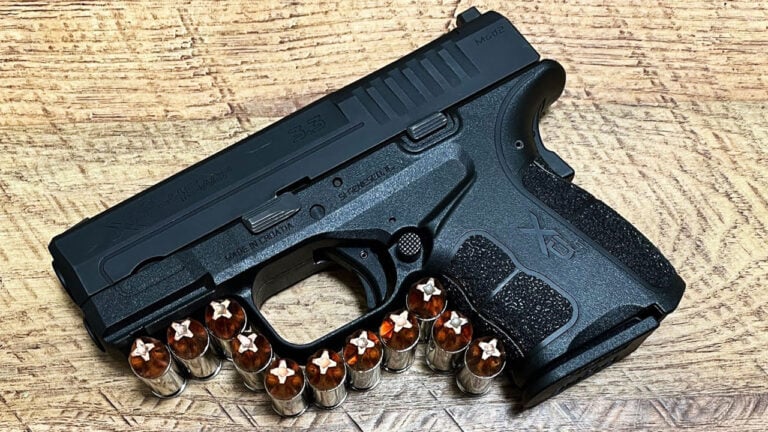
Springfield XD Series

Springfield’s XD pistols have serviceable triggers, but their reset has always been one of the weakest points. After extended shooting, especially with reloads that leave heavier fouling, the reset becomes spongy or inconsistent. The culprit is the trigger bar and striker safety interface—it’s sensitive to carbon and dry lubrication.
When fouled, the disconnector starts dragging, and you lose the audible and tactile feedback that helps with timing. Heat exacerbates the issue, especially in the subcompact variants where space is tighter. Shooters often switch to aftermarket trigger kits not for a lighter pull, but simply to restore a reliable, crisp reset.
HK VP9

The VP9 trigger is praised for its break, but after a lot of rounds, the reset feel fades. It’s not a failure so much as a gradual change in spring tension and surface wear. The disconnector spring weakens slightly, and you’ll notice resets that sometimes click hard and sometimes barely at all.
In competitive shooting or training, that inconsistency becomes noticeable. Lubrication helps restore some feel, but after enough cycles, the geometry simply changes from wear on the sear and bar interface. It’s a subtle issue, but for shooters who depend on timing, it’s frustrating. HK’s build quality keeps it safe and functional—it just doesn’t hold the original reset “snap” forever.
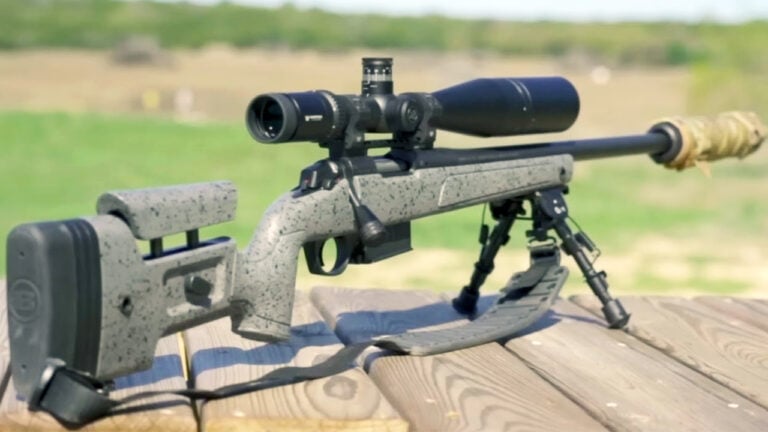
Ruger Precision Rifle

The Ruger Precision Rifle’s adjustable trigger is good for accuracy but not built for thousands of rough rounds without attention. Its internal springs are light to maintain a crisp break, and they lose strength over time, especially when exposed to powder fouling. That leads to resets that sometimes click perfectly and sometimes hang halfway.
Long days on dusty ranges or wet mountain hunts speed up that degradation. Once the internal tolerances shift, it can start doubling or failing to reset altogether. Keeping the trigger group clean and dry helps, but many experienced shooters eventually replace the factory setup with a Timney or TriggerTech unit for reliability. It’s a precision rifle that demands precision maintenance—or it’ll start reminding you why consistent reset matters more than pull weight.
*This article was developed with AI-powered tools and has been carefully reviewed by our editors.