
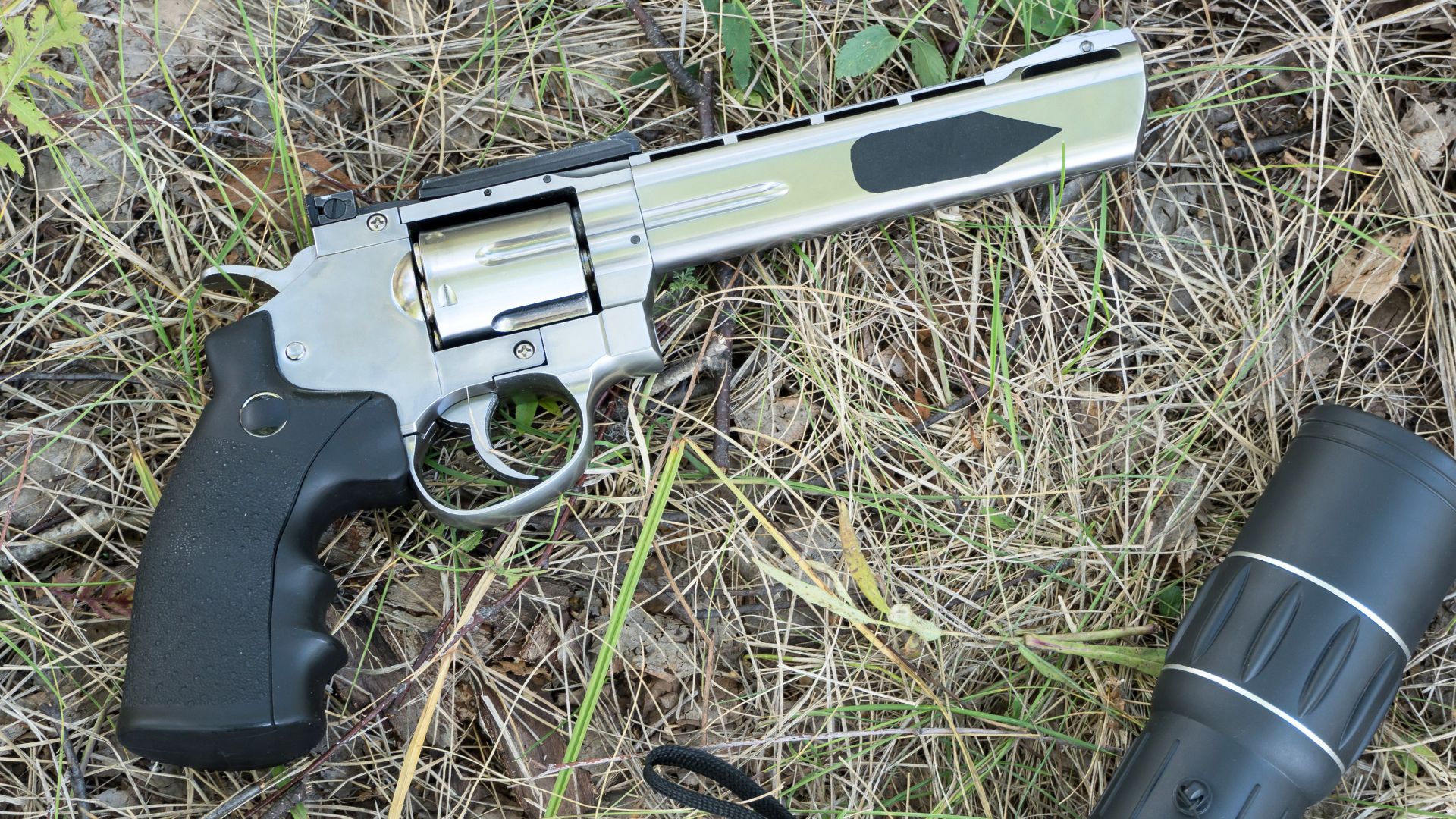
Photo credit: Sambulov Yevgeniy/Shutterstock.com
When you carry a sidearm in hunting country, you expect it to do one job: work every single time you need it. You’re not asking for match pistols or competition triggers—you want reliability, predictable handling, and performance that doesn’t fade once the weather turns rough or your hands get cold. The trouble is, some pistols that look great at the shop don’t hold up when you’re hiking ridges, pushing through brush, or dealing with quick-moving shots on hogs or predators. Hunters learn fast which models they can trust and which ones fall apart once they leave the paved world. These are the pistols that tend to let people down when the field conditions get real.
Glock 20SF

On paper, the Glock 20SF looks like the perfect woods pistol—plenty of power, lots of magazine capacity, and typical Glock durability. But many hunters find that the wide grip frame feels bulky when you’re wearing gloves or dealing with cold hands. That makes consistent trigger control tougher than it should be, especially during quick-draw situations.
The biggest issue for some shooters is how snappy full-power 10mm loads feel in this frame. It’s manageable on a calm range day, but during long hikes or steep climbs, fatigue sets in fast. Hunters expecting a smooth, controlled 10mm platform often discover that the 20SF demands more effort than they wanted to give in the field.
Ruger SR1911 in 10mm
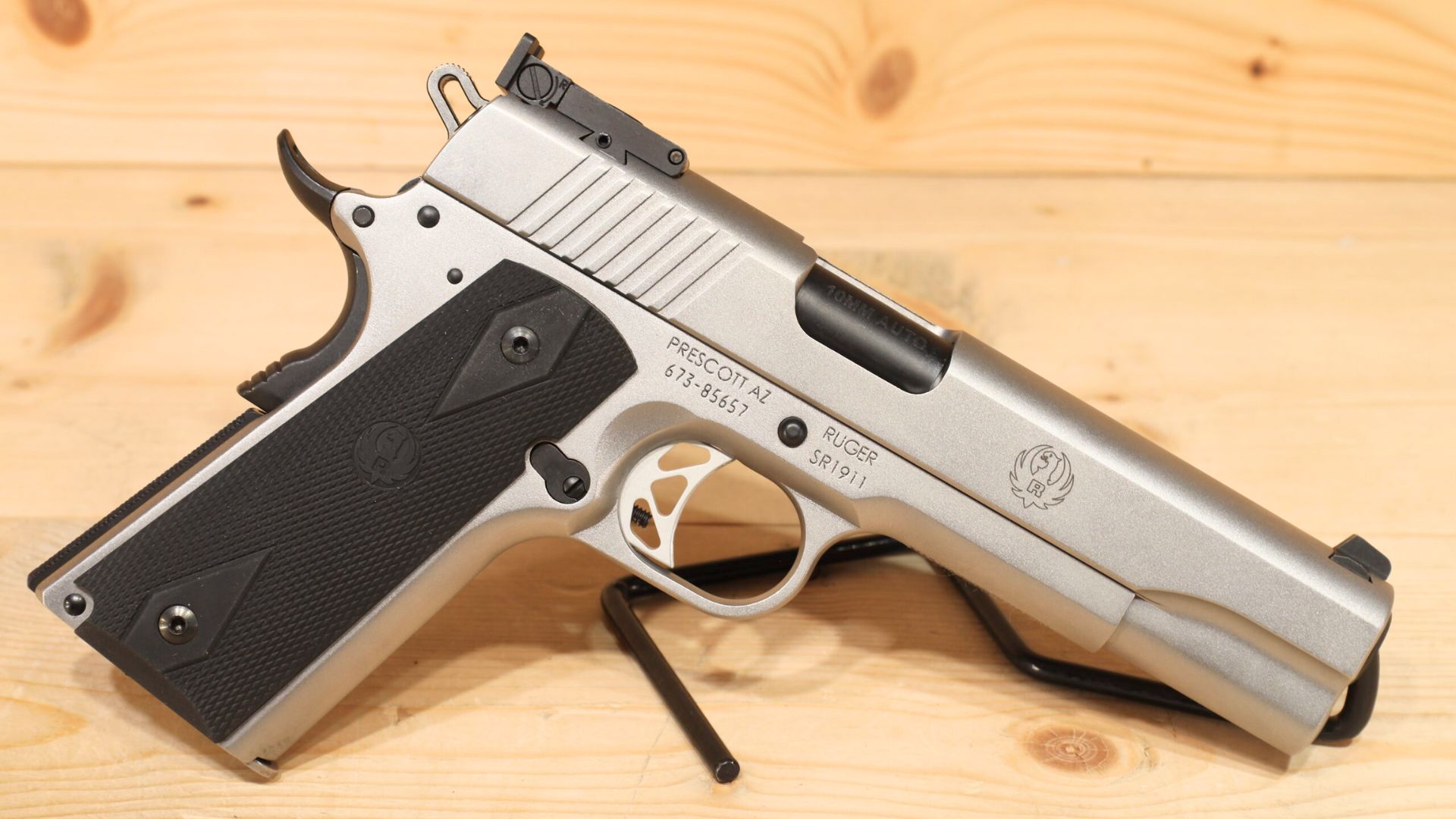
The SR1911 in 10mm is built well, but reliability can vary depending on ammunition. Some hunters report feeding issues with certain hollow-points—something you definitely don’t want when dealing with hogs or black bears. Even when it feeds smoothly, the gun’s weight becomes noticeable after a long day in the woods.
The sharp recoil impulse also catches people off guard. Heavy loads feel harsher in this pistol than in some competing 10mm designs. Hunters who want a dependable backcountry 10mm often end up switching to platforms that digest a wider range of ammo and handle recoil more comfortably.
Taurus Tracker .44 Magnum
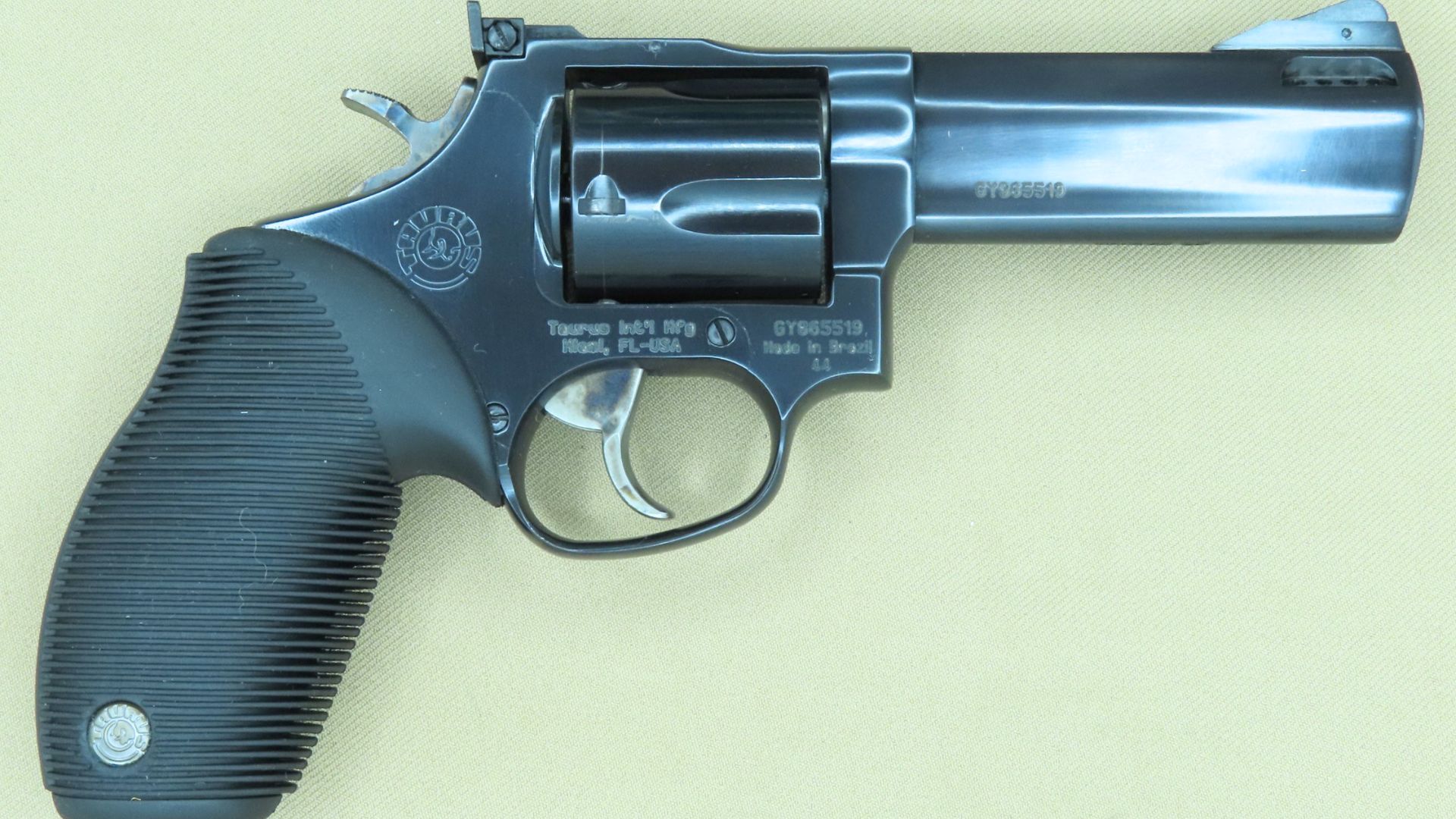
The Taurus Tracker series has been around for years, but the .44 Magnum version has a reputation for inconsistent cylinder timing and stiff extraction. Those issues don’t always show up at the counter—you discover them after putting real rounds through it. In hunting conditions, that inconsistency becomes a liability.
The lightweight frame makes recoil more punishing than most shooters expect. After a few cylinders of heavy .44 Mag loads, accuracy starts to wander as fatigue sets in. Hunters often end up replacing the Tracker with something heavier and more controllable once they realize how hard it is to shoot well under pressure.
Smith & Wesson M&P 40
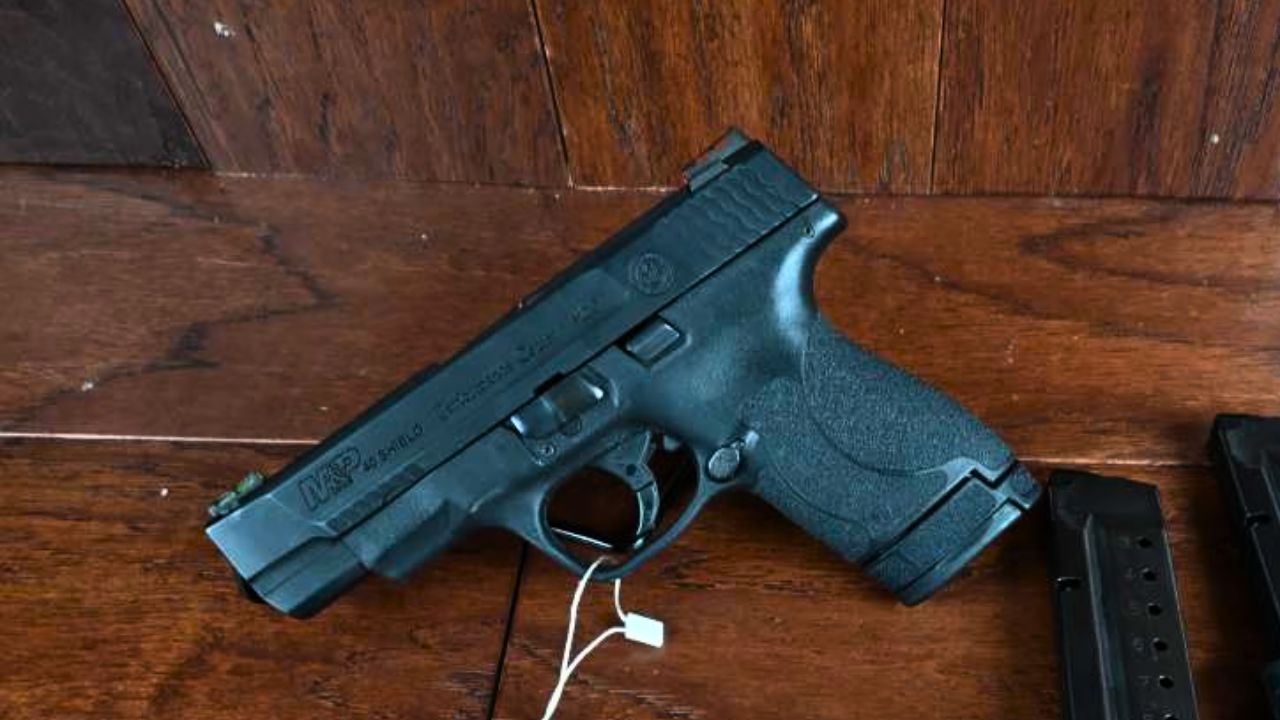
Plenty of folks carry the M&P 40 for defensive use, but hunters often find the pistol lacking for field work. The recoil is noticeably snappy, and during long hikes the constant pounding wears on your hands and wrists. Cold weather makes that even worse, since stiff fingers absorb recoil poorly.
Accuracy isn’t terrible, but the trigger feel varies from sample to sample. When you’re taking quick shots at close-range predators or hogs, that inconsistency turns into missed opportunities. Many hunters who give it a try eventually trade it for a platform that delivers better control with heavy loads.
Springfield XD-M 10mm
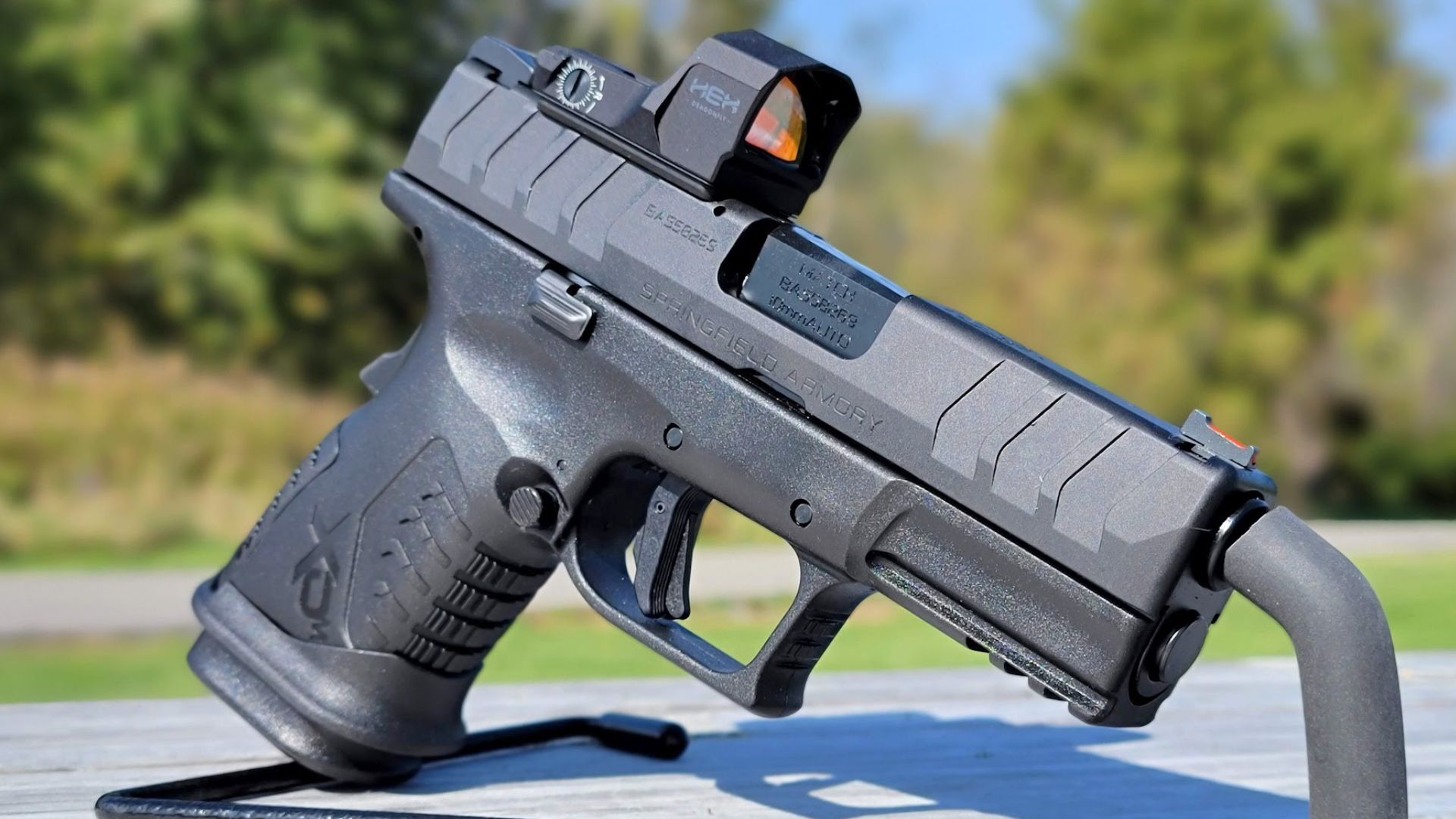
The XD-M 10mm promises high capacity and good ergonomics, but many hunters notice reliability issues when using full-power hunting ammunition. The pistol tends to run better with mid-range loads, which defeats the purpose for someone expecting a powerful woods gun.
Grip texture is another complaint. When your hands are sweaty, wet, or cold, the molding doesn’t lock in as well as you’d hope. Combine that with stout recoil and you get a pistol that requires more effort to control than many hunters want. It’s not unusable, but it doesn’t meet expectations for serious backcountry use.
Kimber Camp Guard 10

Kimber marketed the Camp Guard as an ideal backcountry 1911, but hunters have mixed experiences. Some pistols run flawlessly, while others show finicky behavior with different bullet shapes. When you’re counting on your last-ditch firearm, unpredictability like that becomes a deal-breaker.
The aggressive grip texture can also be rough during long days. It’s meant to help with control, but after hours of carrying, many hunters find it uncomfortable under clothing or in chest holsters. The Camp Guard looks the part, but its real-world behavior varies too much for many woods carry users.
FN FNX-45
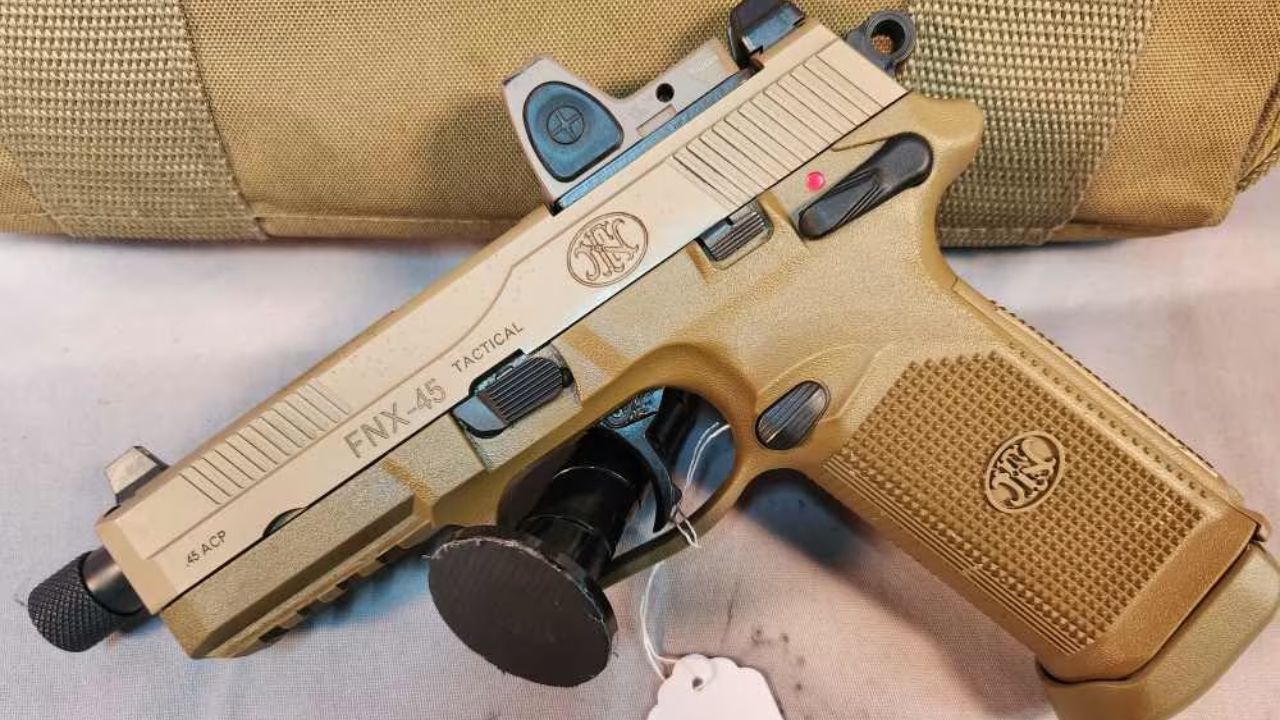
The FNX-45 offers big capacity and strong ballistics, but many hunters quickly learn that its size works against it in the field. The grip is extremely wide, and if you’re wearing gloves—common in cold-weather hunts—it becomes difficult to handle with precision.
The big slide and tall bore height also create more muzzle rise than you’d expect. For a pistol intended to handle heavy loads, it never feels quite as balanced as it should. Hunters often admire its capabilities but find themselves choosing something more practical once they’ve carried it through the woods a few times.
Glock 29
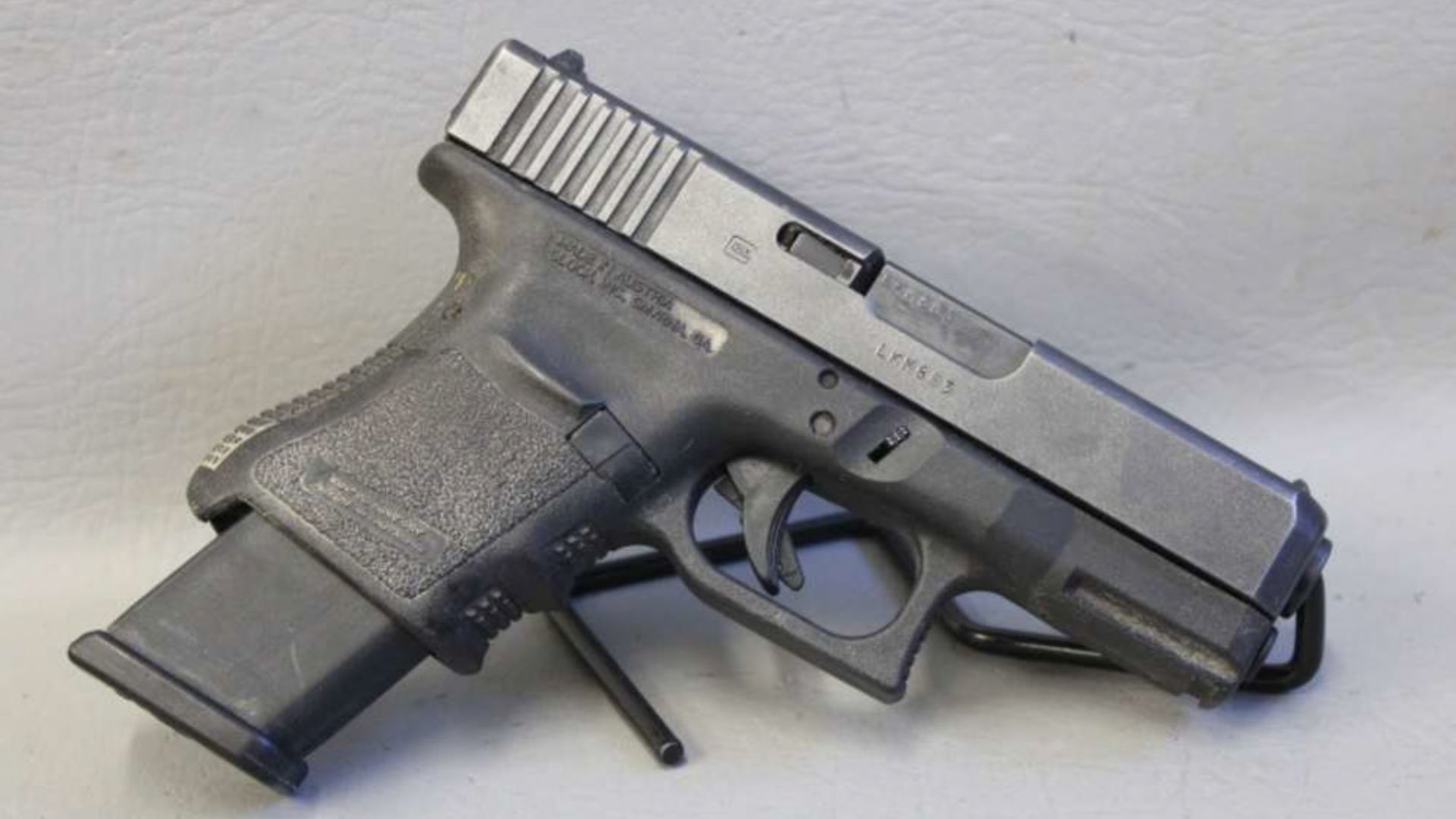
The Glock 29 is a compact powerhouse, but that compactness is a double-edged sword. Full-power 10mm loads feel abrupt and difficult to manage in the short frame, especially when you’re shooting from awkward positions in the woods. Follow-up shots slow down dramatically.
The grip length is also a challenge for many hunters. Even with extensions, it’s tough to get a full purchase with cold hands or gloves. The 29 isn’t unreliable, but it demands a level of control that many hunters don’t want to wrestle with when things get chaotic.
SIG Sauer P220 Hunter
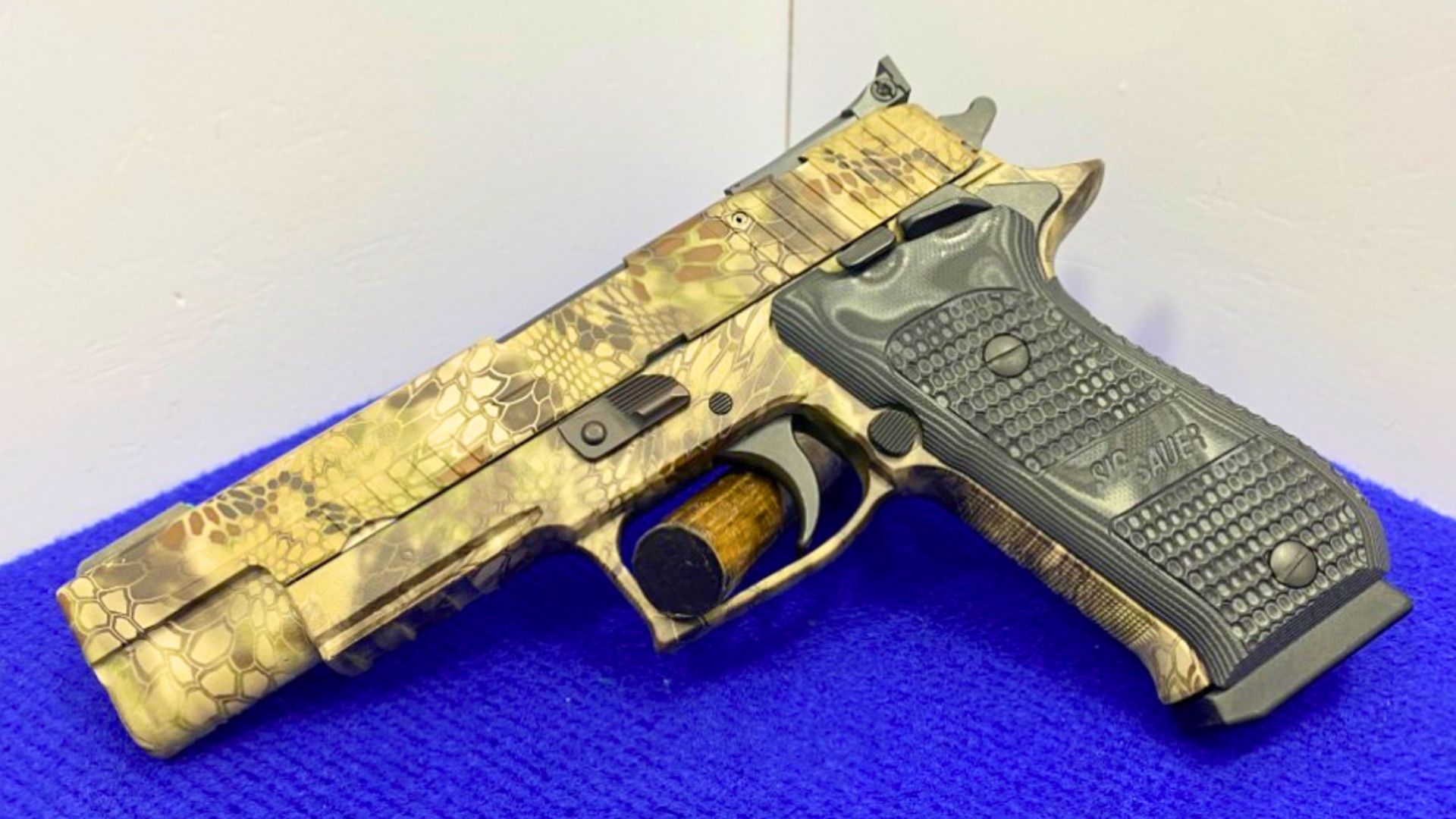
The P220 Hunter has superb build quality, but its slide-heavy balance makes it feel awkward during one-handed shooting or quick draws from chest holsters. In the field, balance matters more than it does on a range bench.
Another common complaint is weight. At over 39 ounces unloaded, it becomes noticeable during long hikes, especially when carried alongside a rifle and pack. While the accuracy is excellent, hunters often conclude that they could get similar performance with a lighter and easier-handling platform.
Ruger Super Redhawk Alaskan

There’s no question the Alaskan has power, but it’s not the most practical option for hunting environments. The extremely short barrel produces fierce recoil, heavy muzzle blast, and slower follow-up shots. Shooting it well requires significant experience and physical control.
Carry comfort is another issue. The revolver is compact but dense, and it tends to feel like a brick on your belt or chest rig. Hunters who initially buy one for bear country often transition to longer-barreled revolvers or more controllable 10mm pistols.
Beretta PX4 Storm

The PX4 Storm’s rotating barrel system works well with lighter loads, but hunters often see reliability drop when they switch to hotter, woods-worthy ammunition. Cycling can become sluggish, and extraction sometimes struggles with dirty chambers during long hunts.
The grip texture and slide serrations also don’t perform as well in rain or cold conditions. When your hands are numb or wet, the PX4 doesn’t offer the secure control you want. It’s a fine general-purpose pistol, but it doesn’t shine in tough field conditions.
Taurus Judge
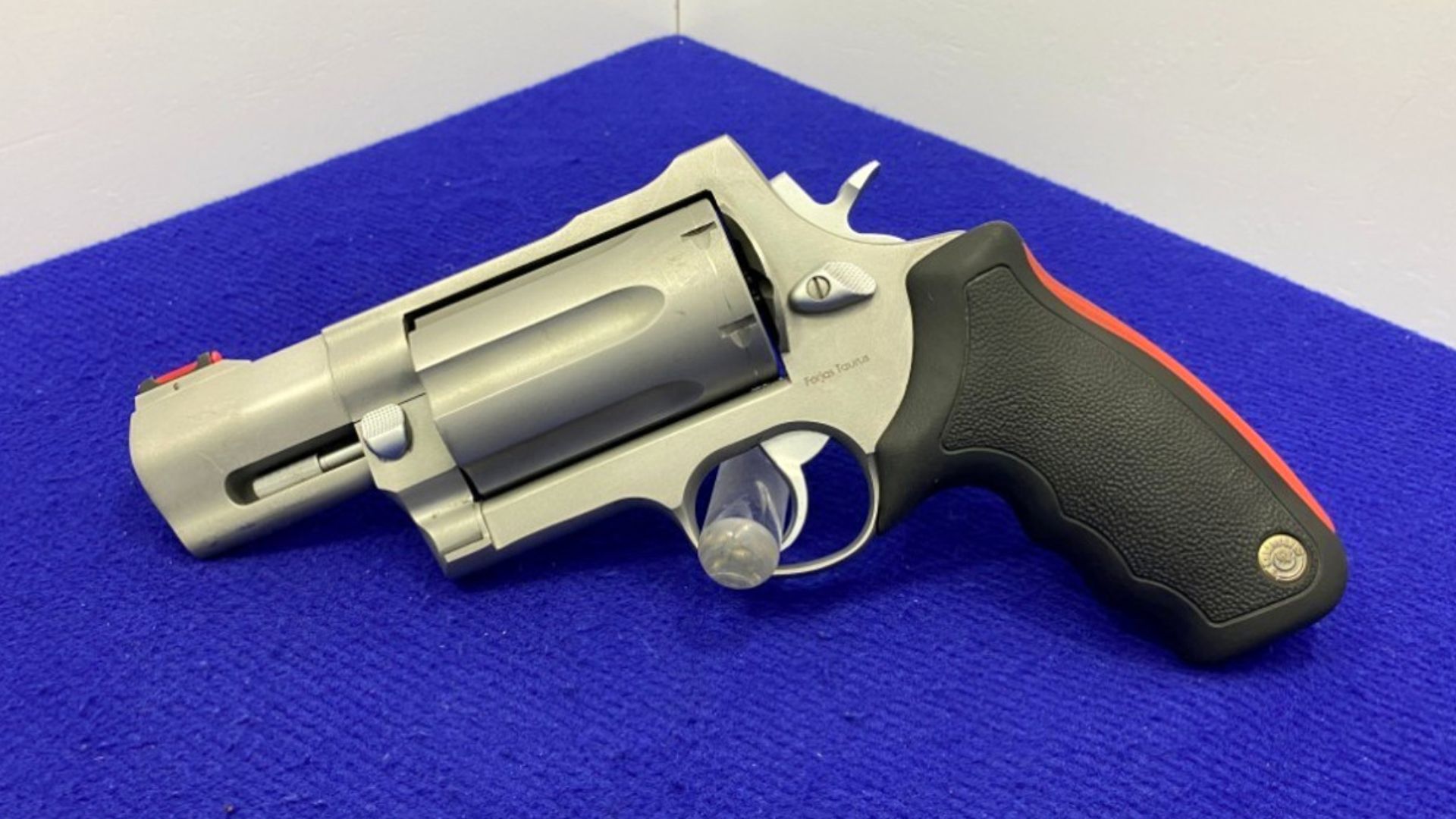
The Judge draws attention for its ability to fire .410 shells, but hunters often learn quickly that it’s more gimmick than tool. Patterns with .410 loads are inconsistent, and the short barrel robs .45 Colt cartridges of their potential. For predators or hogs, performance varies too widely to trust.
The large cylinder also throws off balance, making it tough to shoot accurately at any real distance. Hunters who buy one expecting a versatile woods gun often end up disappointed once they see how unpredictable it is outside of a range setting.
Springfield XD-S in .45 ACP

The XD-S carries well, but in the field it tends to be too snappy for many hunters. The narrow grip concentrates recoil, leading to slower follow-ups and reduced accuracy during fast shots on predators.
Its lightweight frame also transfers more movement into your hand. When you’re shooting from strange angles or bracing against trees, that lack of stability becomes obvious. The XD-S works fine as an urban carry gun, but for the woods, most hunters prefer something with more mass and better control.
Charter Arms Bulldog

The Bulldog’s lightweight frame makes it appealing, but that same feature works against it when you’re shooting full-power .44 Special loads at predators. Recoil feels abrupt, and accuracy can drop off if you’re firing quickly from defensive positions.
The bark from the short barrel is also harsh in the woods, especially if you’re not wearing ear protection. While it’s convenient to carry, many hunters eventually move to revolvers that tame recoil better while staying reliable.
CZ P-07
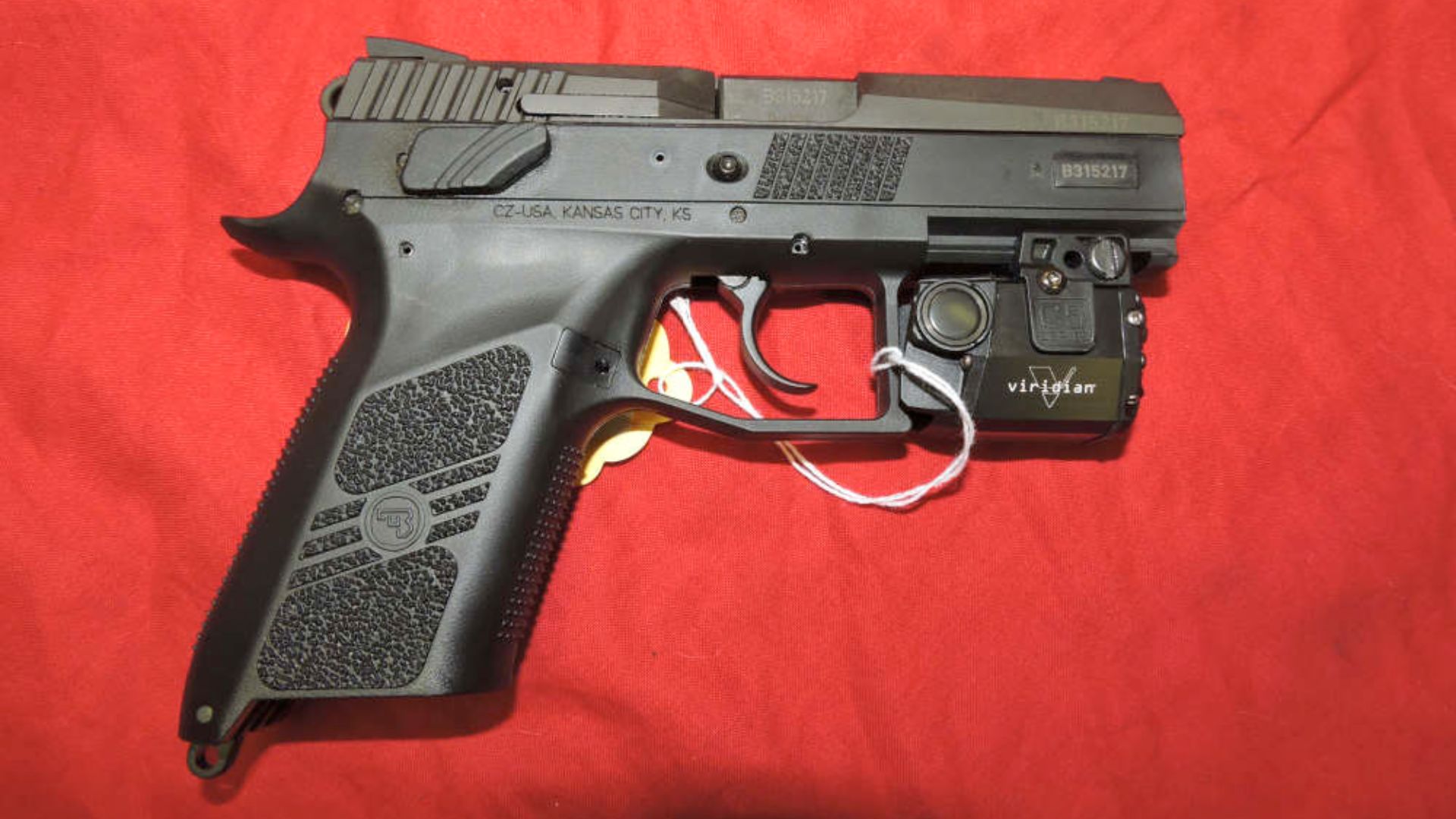
The CZ P-07 is solid for everyday carry, but hunters often find its compact size and lighter weight a little too lively when shooting heavy defensive loads. The high bore axis compared to other CZ models adds more muzzle rise than you’d expect.
In cold or wet weather, the polymer frame doesn’t offer the same locked-in feel as the larger CZ designs. While the P-07 is dependable, it just doesn’t feel as settled or controllable as hunters prefer when dealing with unpredictable field encounters.
Like The Avid Outdoorsman’s content? Be sure to follow us.
Here’s more from us:
The worst deer rifles money can buy
Sidearms That Belong in the Safe — Not Your Belt
*This article was developed with AI-powered tools and has been carefully reviewed by our editors.


