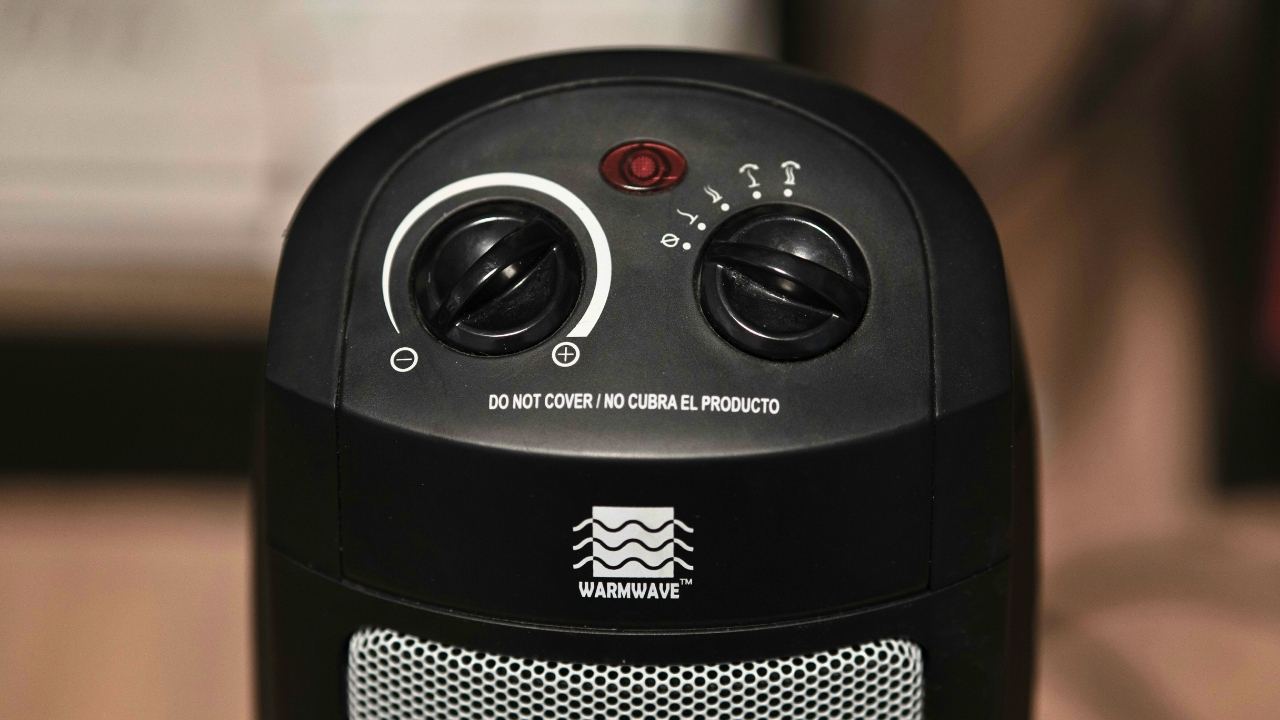
Photo credit: Donald Teel/Unsplash
When temperatures drop, you do not just turn up the heat, you also crank up your risk. Winter is when “stop using it immediately” recalls collide with space heaters, stoves, and tightly sealed homes, creating a perfect storm of fire and carbon monoxide danger. To stay safe, you need to understand why these products fail more often in cold weather and how your own ventilation habits can quietly turn a minor defect into a life‑threatening emergency.
The pattern is not random. You use heaters and cooking appliances harder and longer in winter, manufacturers discover design flaws under that stress, and investigators see the same ventilation mistakes repeated from one burned‑out living room to the next. Once you see how those pieces fit together, you can read a recall notice as an early warning system instead of a panic button.
Winter turns small hazards into major home fire risks
Fire data show that winter is the season when your heating choices matter most. National fire statistics indicate that home heating fires peak in the cold months, with nearly half of all U.S. home heating equipment fires and a large share of related deaths and injuries occurring when you are running furnaces and space heaters hardest. One analysis found that heating equipment was involved in a significant portion of home fires and that these incidents accounted for a substantial percentage of civilian deaths and 71 percent of the injuries linked to heating, underscoring how quickly a “minor” malfunction can escalate when the house is closed up and everyone is home using the same outlets and circuits for hours at a time. Those numbers explain why a winter recall is rarely just a paperwork issue, it is a direct response to patterns investigators are already seeing in burned structures.
At the same time, you are likely layering risks without realizing it. You might plug a portable heater into an extension cord, run the oven longer for baking, and dry wet gloves over a radiator, all while windows stay shut and vents are blocked by furniture. Fire officials and safety advocates repeatedly stress that this combination of heavy use and poor airflow is what turns a single faulty thermostat or overheating motor into a house‑wide emergency. When you see a recall tied to heating equipment in January, it is often because those underlying winter conditions have already exposed a design flaw that might have stayed hidden in milder weather.
Why “stop using it” recalls spike once the cold sets in
Manufacturers and regulators do not randomly choose winter to issue urgent “stop using it” alerts. They are reacting to real‑world failures that only emerge when millions of people start using the same type of product in the same way at the same time. A heater that passed lab tests in short bursts can overheat or short out after weeks of continuous use in a drafty bedroom. A stove that seemed fine in a showroom can reveal a dangerous control flaw when you are juggling multiple pots on a holiday weekend. Once incident reports and lab retests line up, companies and agencies move quickly to tell you to unplug or shut off the product before the next fire or burn injury.
That pattern is visible in recent recalls of winter workhorses. Smart electric heaters, for example, have been pulled from the market after testing showed they could overheat or catch fire under normal use, prompting warnings that consumers should immediately stop using the affected models and seek a remedy. Even everyday kitchen appliances sold through major online marketplaces, highlighted in product listings and search results that look routine to you, can later be flagged as unsafe once enough complaints and lab data accumulate. The timing is not a coincidence, it reflects the moment when seasonal stress on the product exposes a defect that regulators can no longer treat as hypothetical.
Space heaters: convenient, common, and frequently recalled
Portable heaters sit at the center of this winter risk map. They are cheap, easy to move, and marketed as quick fixes for cold bedrooms or home offices, which means you are more likely to buy them on impulse and less likely to read the fine print about clearances and outlets. Safety experts have pointed out that between 2019 and 2023, 29 percent of all home heating equipment fires in the United States involved space heaters, a striking share for a single category of device. That statistic reflects not only product flaws but also how you place and power these units, from tucking them near bedding to plugging them into overloaded strips.
Recent recalls show how quickly a popular heater can go from “must‑have” to “do not plug in.” More than 500K smart electric space heaters were pulled from the market after reports that the units could overheat, with at least one minor burn injury and multiple fire incidents tied to specific GoveeLife and Govee models H7130, H7131, H7132, H7133, H7134, and H7135 that were sold online through major retailers. In a separate advisory, consumer advocates explained that the affected smart heaters could overheat, posing fire and burn hazards, and that testing had determined the products might overheat or catch on fire under certain conditions. When you see language like “immediately stop using” in a heater recall, it is because the combination of design, usage, and winter demand has already produced real‑world damage.
Stoves and ranges: hidden winter dangers in the heart of the kitchen
Cooking appliances are not usually marketed as seasonal products, but your behavior turns them into winter hazards. You cook more hot meals, run the oven longer, and sometimes use the stove as an improvised heat source, which magnifies any underlying defect. A recent example involved LG electric ranges with front‑mounted knobs that could be accidentally turned on, creating a fire hazard that led to injuries and even pet deaths. Reporting on that case noted that 49 incidents had been linked to the problem, a reminder that a single design choice, like knob placement, can have serious consequences when you are moving around a crowded holiday kitchen.
The scale of the response to that hazard was significant. LG Electronics announced a recall of approximately 500,000 slide‑in and freestanding electric ranges, manufactured in Mexico and Korea, after identifying the risk that burners could be activated unintentionally. Coverage of the recall, including detailed accounts By Mike Gauntner from WASHINGTON, emphasized that owners should contact the company for a repair and avoid leaving items on the cooktop that could ignite if a burner turns on. When you combine that kind of design flaw with winter habits like storing pans or even mail on a cool‑looking glass top, you create exactly the kind of scenario that leads to a “stop using it” warning.
Carbon monoxide: the invisible threat behind bad ventilation
Fire is not the only winter hazard that drives urgent recalls and safety alerts. Carbon monoxide, an odorless gas produced by fuel‑burning appliances, becomes far more dangerous when you seal up your home against the cold. Federal safety officials have long Warned of Deadly Fire and Carbon Monoxide Hazards associated with Winter Home Heating, urging you to Install smoke alarms and carbon monoxide (CO) alarms on every level of your home and outside sleeping areas. The risk spikes when furnaces, fireplaces, and portable heaters are used in spaces without adequate ventilation or when chimneys and vents are blocked by snow, debris, or even poorly installed construction materials.
Medical professionals see the consequences in emergency rooms every winter. Health experts describe Winter Health Risk patterns that include Burns and Carbon Monoxide exposure, noting that Electric space heaters can be helpful when it is cold outside but must be used with care, and that symptoms like headache, dizziness, or confusion can signal CO poisoning that requires immediate evaluation. When a recall involves a fuel‑burning heater or generator that can leak exhaust into living spaces, the “stop using it” language is not about property damage, it is about preventing silent, rapid poisoning in homes that are tightly closed for warmth.
Old problems, new products: gas heaters and construction flaws
Some of the most persistent winter hazards are not new at all. Regulators have been wrestling with the safety of unvented gas‑fired space heaters for decades, precisely because the devices release combustion byproducts directly into the room. In one early effort to address the issue, officials noted that Because the unvented heaters do not have a vent to remove combustion wastes, there is a possibility of carbon monoxide poisoning for people who were using these heaters, prompting proposals for stricter standards. That basic physics has not changed, and any modern recall involving unvented or improperly vented gas equipment is still rooted in the same concern about exhaust building up in enclosed spaces.
Winter also exposes flaws in the buildings that surround your appliances. Legal and construction experts point out that But winter weather can do a lot more than just test your heating system, it can expose major construction defects that were hidden during warmer months, from poorly sealed flues to inadequate insulation around vent pipes. When cold air infiltrates walls and ceilings, it can change how exhaust moves through your home, sometimes pushing fumes back inside instead of out. If a recalled heater or furnace is already struggling with combustion or venting, those hidden defects can turn a manageable problem into a serious hazard, which is why some recall notices explicitly urge you to have a professional check both the appliance and the home’s ventilation system.
How your everyday habits turn recalls into emergencies
Product defects are only part of the story. Fire departments repeatedly see the same behavioral patterns that turn a risky device into a full‑scale disaster. The Wausau Fire Department, for example, has warned that Fires often start because people are not paying attention to their appliances, especially when using a space heater as an alternative heat source. Leaving a unit running unattended, draping clothes over it to dry, or placing it too close to bedding or curtains are all decisions you control, yet they are also the exact conditions that manufacturers use when testing worst‑case scenarios for recalls.
National organizations echo that message. The Red Cross has highlighted that home fire risk is higher in winter and has urged people not to leave space heaters unattended, advice that was amplified in coverage featuring Kim Vickers, identified as speaking on a Fri afternoon in JAN and referencing local conditions in AUGUSTA, all while reminding residents to keep a three‑foot safety zone around heating equipment. When a recall tells you to stop using a heater or stove, it assumes you might be using it in less than ideal ways. Adjusting those habits, from staying in the room while a heater is on to keeping kids and pets away from hot surfaces, can dramatically reduce your risk even before a formal fix or replacement arrives.
What safety agencies want you to do before the next cold snap
Regulators are not just issuing recalls, they are also trying to change how you prepare for winter. Consumer safety officials have urged homeowners to Have a professional inspect all fuel‑burning heating systems, including Furnaces, Fireplaces and Chimneys, to ensure they are working properly and venting exhaust safely before heavy use. The same guidance warns that fuel‑burning systems can pose fire and CO hazards if they have cracked heat exchangers, blocked flues, or misadjusted burners, and that these problems are most likely to surface when the equipment is running for long stretches in cold weather.
Fire safety experts also want you to think about your electrical system and plug choices before you bring a new heater home. In one widely shared advisory, specialists urged people to check outlets and circuits before plugging in their heaters, noting in a video released in Dec that between 2019 and 2023, 29 percent of all home heating equipment fires in the US involved space heaters and that many of those incidents started with overloaded circuits or damaged cords. Installing CO alarms, testing smoke detectors, and mapping which outlets are on which breakers are not glamorous tasks, but they are exactly the kind of preparation that can keep a product defect from turning into a tragedy when temperatures plunge.
How to read a recall notice and actually act on it
When a recall hits your feed, it can be tempting to scroll past, especially if you have not noticed any problems with your own unit. That is a mistake. Safety notices often include specific model numbers, manufacturing dates, and serial ranges that you need to check against the label on your product. In the case of the GoveeLife and Govee heaters, for example, the recall spelled out that the affected models H7130 through H7135 had been sold online through major platforms like Amazon and that consumers were advised to immediately stop using the recalled heaters and contact Shenzhen Intellirocks Tech Co. Limited, both based in China, for a refund or replacement. If you bought a “smart” heater or similar gadget from a big marketplace, you should assume it might be part of such a recall until you confirm otherwise.
The same discipline applies to kitchen appliances and other household gear. When LG announced the recall of 500,000 electric ranges, owners were told to check the rating plate for specific model and serial combinations and to contact the company for a free repair kit that would modify the knobs and controls. Many recall notices also explain the underlying hazard in plain language, such as burners that can be turned on accidentally or heaters that can overheat and catch fire, and some even link to product search tools where you can enter a model number or scan a barcode. Taking a few minutes to look up your exact product, whether through an official recall page or a retailer’s product listing, can be the difference between quietly resolving a risk and discovering it only after a fire or injury.
Practical steps to keep heaters, stoves, and air safe all winter
Once you understand why winter amplifies product defects, you can build a simple safety routine around your heaters and stoves. Start with placement and power: keep portable units at least three feet from anything that can burn, plug them directly into a wall outlet instead of an extension cord, and never run cords under rugs where heat can build up. Make sure your range is clear of flammable items, and resist the urge to use the oven or stovetop as a space heater, even for a short time. If you are shopping for new equipment, look for models with tip‑over switches, overheat protection, and clear third‑party safety certifications, and take a moment to review the product details and customer feedback on the retailer’s page before you click “buy,” even if you found the item through a generic product search.
Ventilation and monitoring are your second line of defense. Keep vents, chimneys, and flues clear of snow and debris, schedule regular maintenance for fuel‑burning systems, and install CO and smoke alarms on every level of your home. Pay attention to how you feel when heaters or stoves are running, since headaches or nausea can be early signs of CO buildup. If you live in a newer, tightly sealed home, consider that your construction may trap both heat and exhaust, and remember that winter weather can expose major construction defects that were hidden during warmer months, including gaps or misrouted vents that change how air moves through your rooms. Finally, treat every recall notice as a personal safety alert, not background noise. If a notice tells you to stop using a product, unplug it, shut off the gas if applicable, and contact the manufacturer for the repair, refund, or replacement you are entitled to. Your goal is simple: let winter test your insulation and your wardrobe, not your luck.
Like The Avid Outdoorsman’s content? Be sure to follow us.
Here’s more from us: