Photo credit: OreGear/YouTube
A lot of guns get called “collector” pieces long before they earn that title in any serious way. That usually starts with a familiar name, a special box, a short production run that sounds rarer than it is, or a seller who knows how to make an ordinary firearm feel like a disappearing opportunity. If you have spent enough time around gun shows, estate auctions, and online listings, you have seen it happen over and over. A model gets talked up, the asking prices climb, and suddenly people treat it like a blue-chip collectible whether the collector demand is truly there or not.
Real collector value usually comes from a harder mix of things: originality, condition, rarity, historical importance, and long-term demand from buyers who know exactly what they are looking at. A gun can be desirable and still not be a great collector piece. That is where people get into trouble. These are specific models that are often pitched like serious collectibles, even when the actual value story is a lot thinner than the sales pitch makes it sound.
Winchester Model 94 Theodore Roosevelt Commemorative
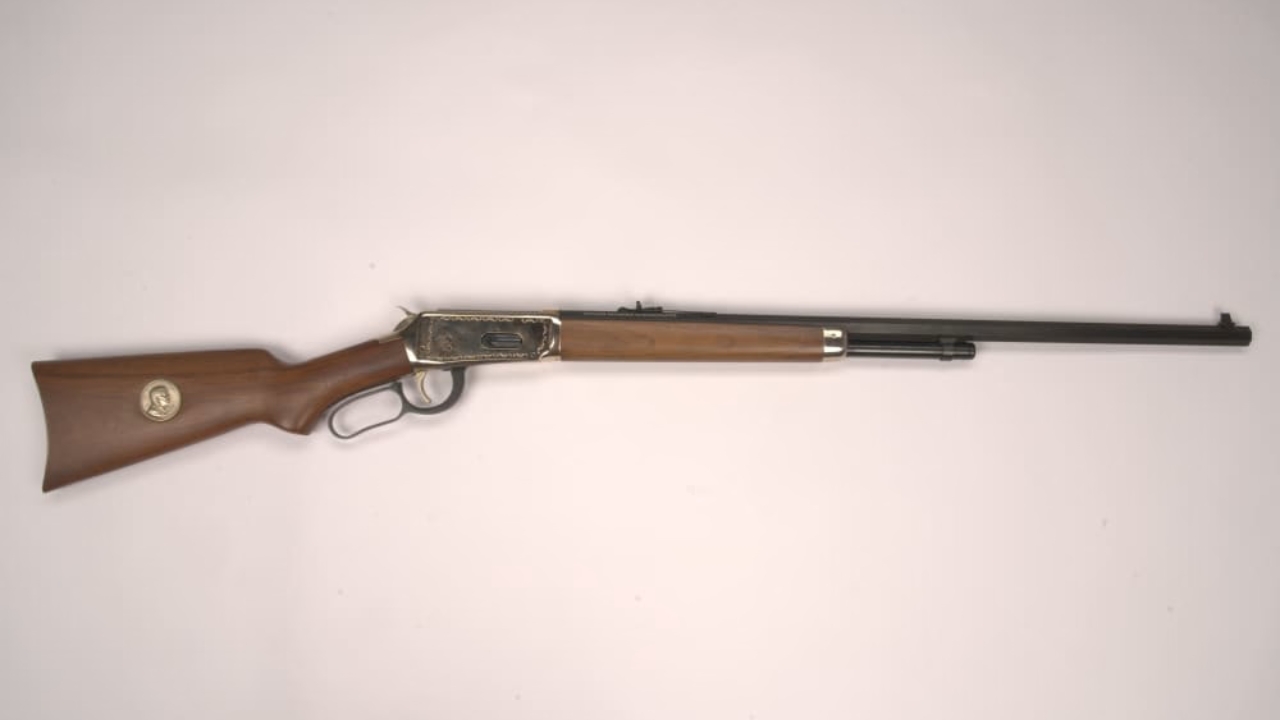
The Winchester Model 94 Theodore Roosevelt Commemorative is one of the clearest examples of a rifle that looks more collectible than it usually is. It has the right surface-level ingredients to attract buyers: a famous name, decorative markings, polished finish, and the word “commemorative” stamped all over the story. If you are buying with your eyes first, it is easy to assume the rifle must have deeper value than a plain production lever gun.
The problem is that many of these commemoratives were made in large enough numbers and bought specifically to be saved. That hurts collector strength. When a lot of buyers tucked them away unfired in the box, scarcity never had much room to develop. You may still like it as a display piece, and that is fine. But when sellers talk like it belongs in the same league as truly scarce or historically important Winchesters, the value claim usually runs ahead of reality.
Colt Python 6-inch blued models from common production years

A Colt Python is a real desirable revolver, but that truth gets stretched way too far when common 6-inch blued examples from ordinary production years are treated like rare treasures. The Python name carries so much weight that sellers often stop there. They lean on the reputation, the finish, and the Colt rollmark as if every example deserves top-tier collector money no matter how common the specific variation actually is.
That is where buyers get into trouble. A standard-production Python with no box, no unusual barrel length, no rare finish, and no notable provenance can still be a nice revolver without being an extraordinary collector piece. You are often paying for the model’s fame more than true rarity. There is a real difference between a gun people strongly want and a gun with deep collector scarcity. With common Pythons, that difference gets ignored all the time, and the asking prices often reflect the name more than the actual collector substance.
Remington Rand M1911A1 rebuilds

A Remington Rand M1911A1 with original finish, correct parts, and strong documented condition can absolutely draw serious collector interest. A postwar rebuild with mixed parts is a very different firearm, even if the frame still carries wartime markings. The trouble is that many rebuilt examples get marketed with the same dramatic language sellers use for original pistols, and that can make buyers think any World War II 1911A1 is automatically a premium collector piece.
That simply is not true. Arsenal rebuilds, refinishes, and mixed internals matter a great deal in this part of the market. A rebuild can still be a cool historical handgun and a fine shooter, but it lacks the originality that serious collectors pay up for. Too many buyers see the manufacturer name and wartime connection and stop there. If the pistol is not correct, the collector ceiling is much lower than the listing usually suggests, no matter how confidently the seller tells the story.
Russian SKS refurbs
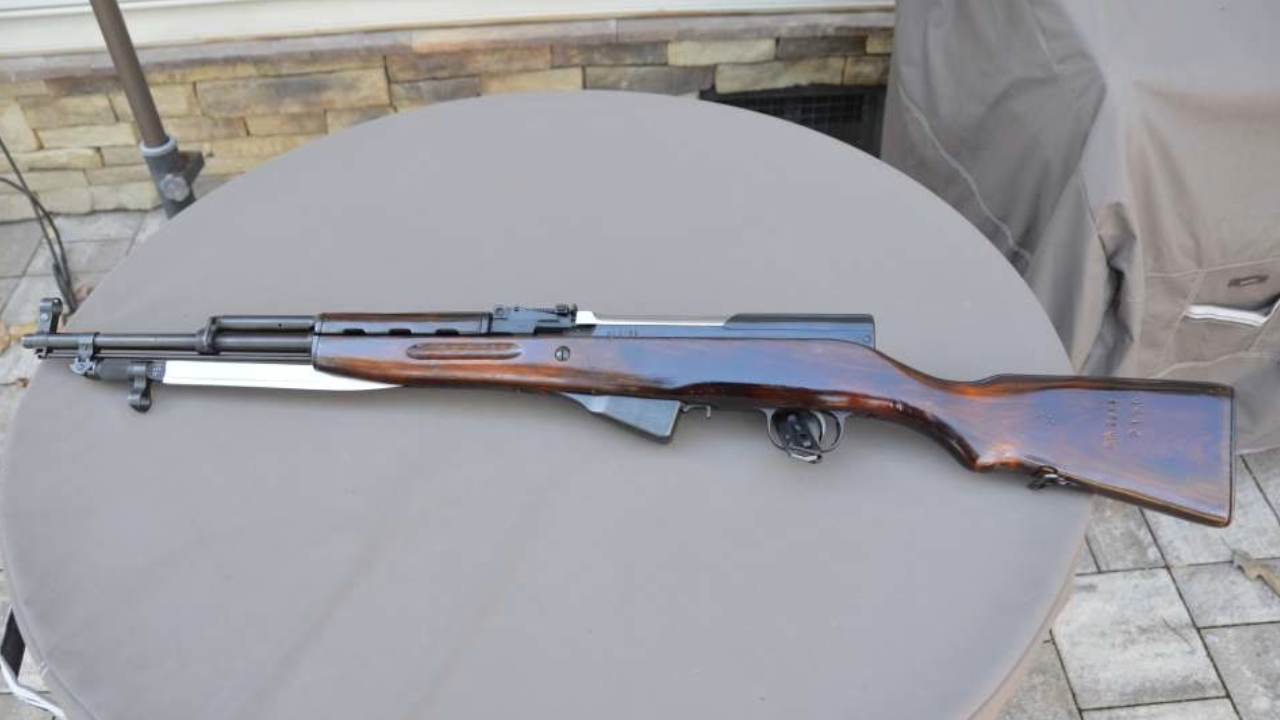
A Russian SKS has more collector pull than many later surplus carbines, but the average refurb gets sold like it is much rarer than it really is. That is where the market gets muddy. Sellers know the Russian origin carries weight, so they use it hard. A clean shellac stock, matching-looking numbers, and the right arsenal mark can make a standard refurb feel like a major find to someone who is not looking closely.
The problem is that many of these rifles were reworked, force-matched, refinished, and stored in exactly the kind of condition that makes them common within their category. That does not make them bad rifles. It does make them weaker collector pieces than the asking prices often imply. A true as-issued example is one thing. A typical refurb is another. Too many buyers end up paying “investment rifle” prices for a carbine that is better understood as a solid surplus piece with some historical appeal, not a scarce collector prize.
Inland M1 Carbines from common mixmaster imports

An Inland M1 Carbine can attract attention fast because the name is real, the wartime connection is real, and the rifle itself has undeniable appeal. That is exactly why common mixmaster examples get pushed so hard as collector guns. A lot of imported carbines wear a wartime receiver and then carry a patchwork of later parts, rebuild marks, import marks, and replacement components that sharply reduce their collector strength.
That kind of rifle can still be fun, useful, and historically interesting. It simply is not the same thing as a correct, original M1 Carbine with strong parts integrity. Sellers often count on buyers seeing “Inland” and stopping there. Serious collectors do not stop there. They care about barrel date, stock, rear sight, finish, and a long list of small details. If those details do not line up, the collector story weakens fast. Too many common carbines get sold as rare military treasures when they are really mismatched service leftovers with modest collector depth.
Mosin-Nagant 91/30 refurbs
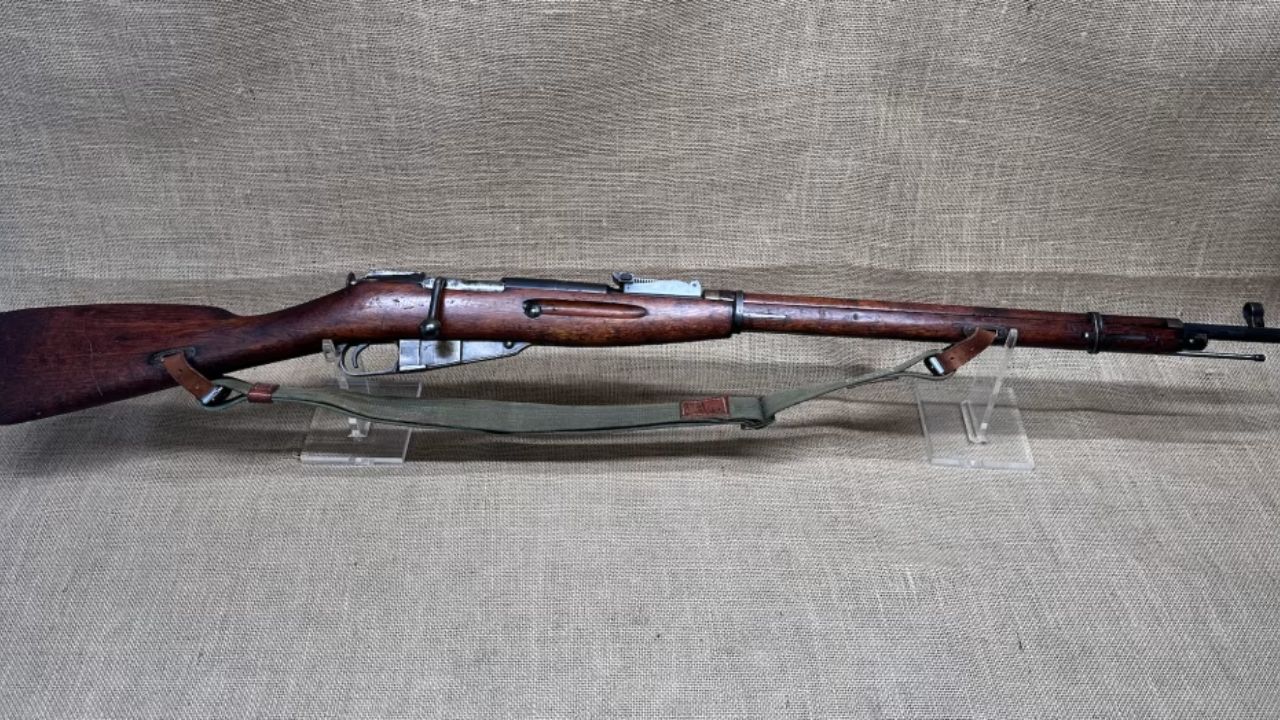
The Mosin-Nagant 91/30 has real military history, but the standard refurb gets treated like a serious collector investment far more often than it should. These rifles came in by the crate for years, and that import history still matters. A common arsenal-refinished 91/30 with shellac, force-matched parts, and the usual post-service work may be a neat rifle, but it is not rare because prices are no longer dirt cheap.
That confusion catches a lot of buyers. People remember when they were inexpensive, see that prices rose, and decide that price increase must mean collector status. It does not. A rifle becoming less cheap is not the same as becoming scarce. There are truly interesting Mosin variants, but the average refurb 91/30 is not one of them. It is often sold with language that makes it sound like a disappearing historical asset when, in most cases, it is still best understood as a common surplus rifle with broad availability and limited collector upside.
Ruger Old Army stainless models

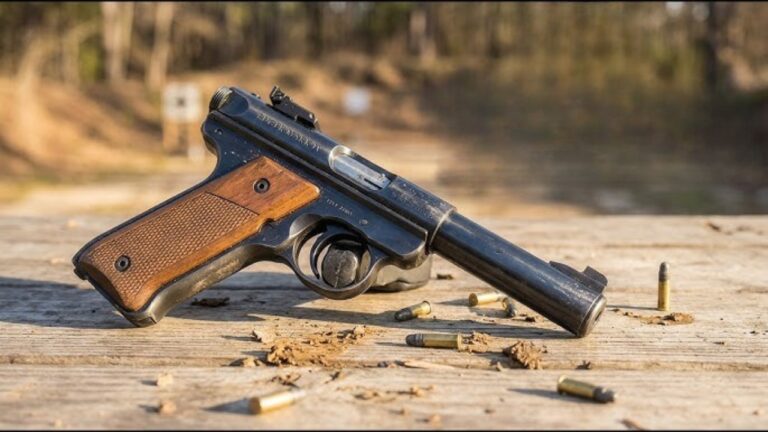
The Ruger Old Army is a respected blackpowder revolver, and it earned that respect the honest way. It is durable, well made, and better than many reproductions in real use. That said, standard stainless examples often get pushed into a collector category that the average gun does not fully support. The moment a model is discontinued, sellers love to start talking like every example has crossed into premium territory overnight.
That is usually where the exaggeration begins. A standard Old Army in ordinary condition is still a desirable revolver, but desire alone does not create deep collector value. It lacks the age, broad historical role, and true scarcity that tend to separate strong collectibles from merely sought-after discontinued guns. A rare variation is one thing. A basic stainless model is another. Too many buyers pay prices based on discontinuation buzz and Ruger loyalty, then discover the market treats it more like a niche favorite than a truly elite collector piece.
Smith & Wesson Model 10 pre-lock revolvers in average condition

The Smith & Wesson Model 10 is a classic service revolver, and pre-lock examples are absolutely preferred by many shooters. That preference, though, has led to a lot of inflated pricing on completely ordinary examples. A standard Model 10 with finish wear, no box, and no unusual barrel length or agency history can still get listed like it is some special collector find simply because it predates the internal lock and comes from an earlier production era.
That is not how real collector value usually works. The Model 10 was made in huge numbers, and many examples remain on the market. A nice one can be a terrific shooter and a worthwhile piece of revolver history, but most are not scarce enough to support the stronger collector language sellers use. Buyers often end up paying “forum nostalgia” prices for a revolver that is common in the broader Smith & Wesson world. Desirable does not always mean deeply collectible, and the Model 10 proves that point often.
Glock 17 Gen 1 in standard used condition

A true early Glock 17 matters in firearms history, and there is a real collector niche for early examples. The problem starts when every standard used Gen 1 gets presented as if it belongs in the same tier as rare early imports, special-marked pistols, or unusually complete boxed specimens. A regular first-generation Glock with ordinary wear and no special provenance can still draw inflated asking prices based almost entirely on the words “Gen 1.”
That is where buyers need to slow down. Early does not always mean rare, and historically important does not always mean premium collector value at any number a seller chooses to print. Glock made a lot of pistols, and many early examples survive. If the gun lacks the right accessories, finish, import details, or unusual features, the collector story becomes much weaker than the listing usually suggests. Too many standard Gen 1 pistols get sold on timeline alone, when the deeper collector factors are often missing.
Walther PPK/S from 1970s and 1980s commercial production
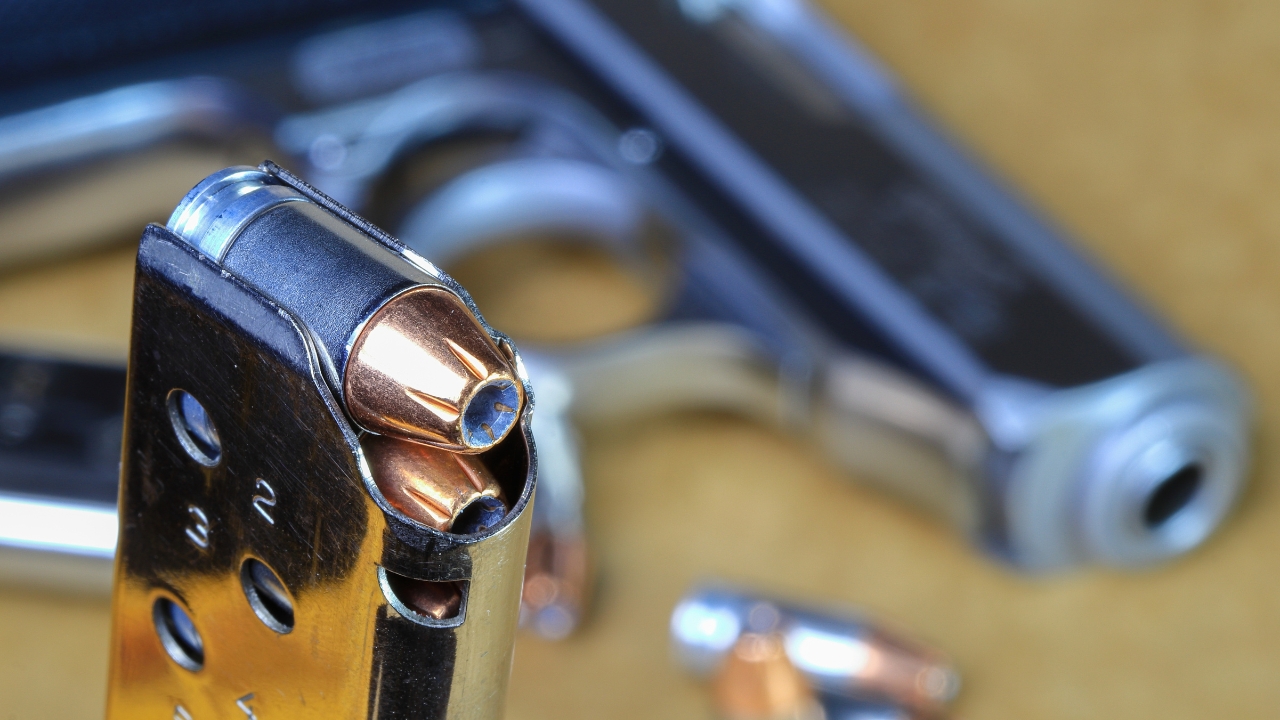
The Walther PPK and PPK/S carry a name that sellers know how to use. The shape is iconic, the movie association is obvious, and the pistol has enough history behind it that buyers often walk in ready to believe. That is exactly why common commercial-production PPK/S pistols from the 1970s and 1980s get treated like premium collector guns even when they are fairly ordinary examples with no unusual provenance.
A nice commercial PPK/S can absolutely be desirable. It may not be a particularly strong collector play at inflated numbers, though. Many were imported, many were saved, and many survive in decent condition. Unless the pistol is tied to a more unusual production period, a scarcer marking variation, or an exceptional complete package, the collector depth is often overstated. You are usually paying for style, recognition, and nostalgia more than true rarity. That can still be worth something, but not always what the seller wants you to believe.
Colt Government Model Series 70 reissues

The Colt Series 70 name has enormous pull, and sellers know it. That becomes a problem when modern reissue Government Models get treated like they are destined to become major collector pieces simply because they wear a familiar rollmark and revive a respected format. A reissue can be a very nice pistol. That does not mean it carries the same collector gravity as an original-period gun with true historical position in Colt’s production timeline.
A lot of buyers confuse brand prestige with collector depth. A current or recent production reissue may hold value as a quality Colt and as a desirable shooter, but many are still modern commercial pistols made to satisfy exactly this kind of demand. They were built with nostalgia already baked into the sales plan. That usually limits the collector upside. You may own a fine handgun, but the idea that every Series 70 reissue is a future blue-chip collectible is more wishful thinking than sober market reality.
Beretta 92FS Inox standard models
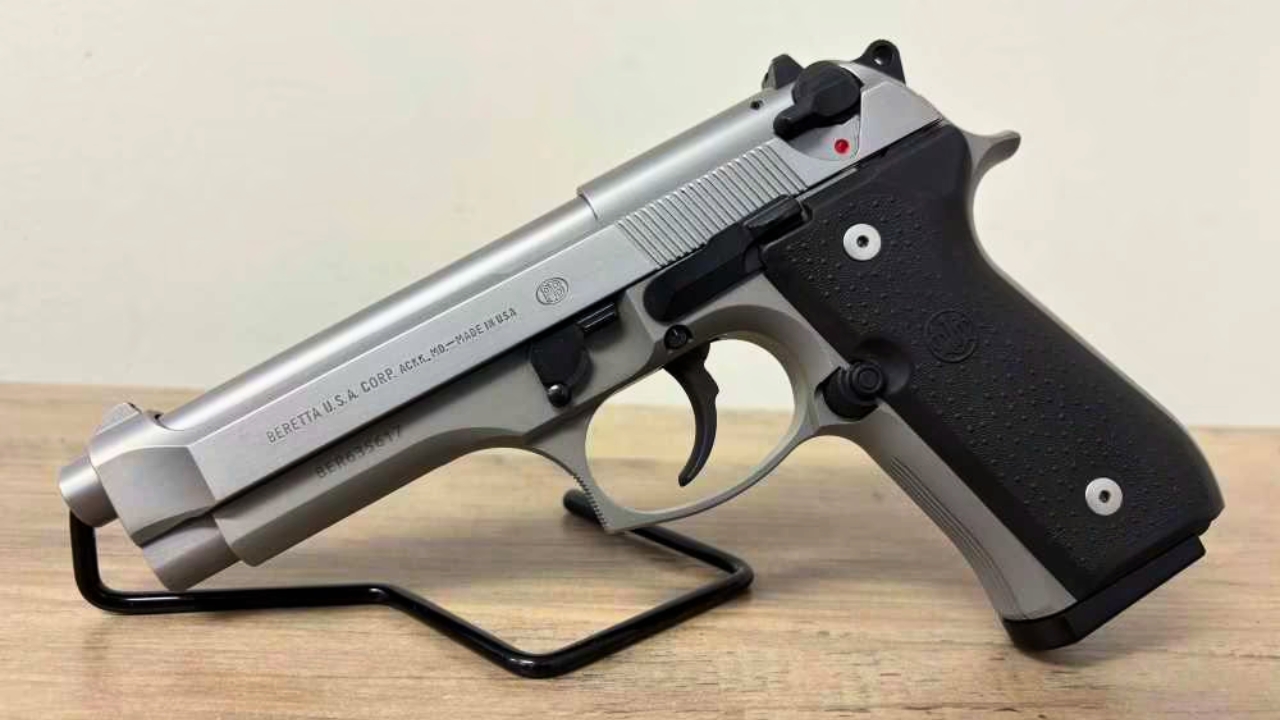
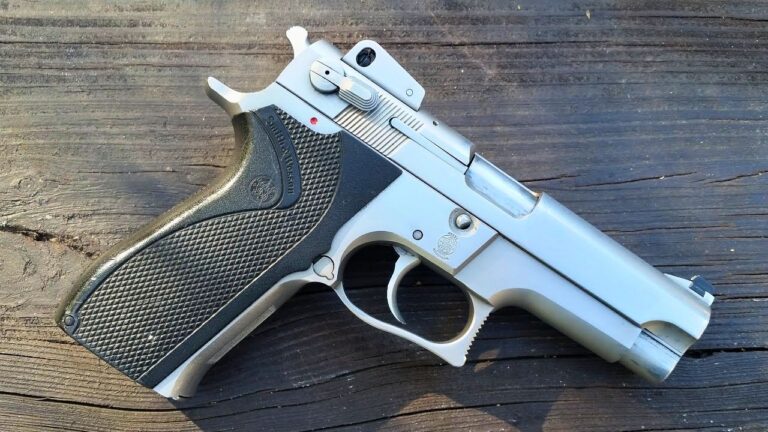
The Beretta 92FS Inox is attractive, recognizable, and easy for sellers to present as “collectible” because the finish stands out and the Beretta name carries weight. The problem is that standard Inox pistols were not some hidden rare run. They were commercial-production guns with broad appeal, and a lot of them were bought specifically because people liked the look. That kind of popularity often works against true collector scarcity later.
A clean Inox can still be a very desirable shooter, and some buyers will pay extra for one. That does not make the average example a serious collector gun with deep long-term value. Sellers often lean on appearance first and let buyers fill in the rest with assumption. If the pistol is a standard configuration, has no unusual factory details, and lacks a rare box-label story or special production significance, the collector language usually runs much hotter than the actual value case. Pretty does not always equal premium collectible.
Colt Detective Special common late-production snubs
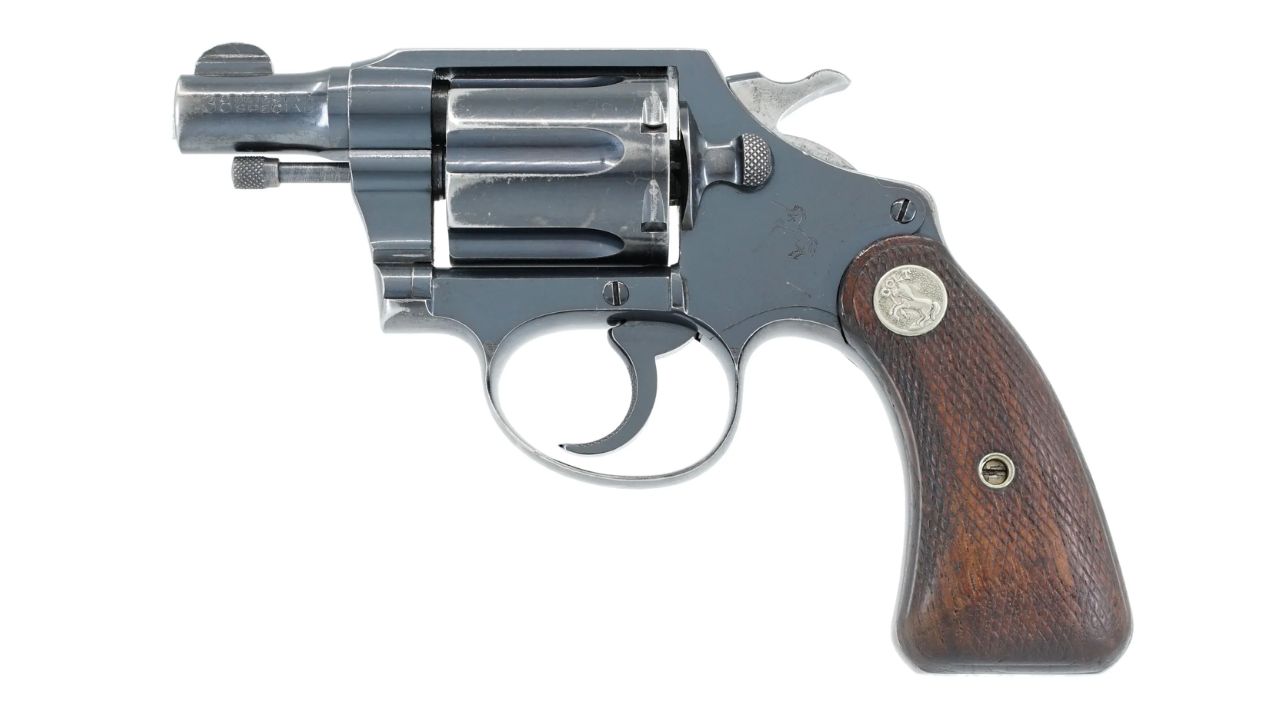
The Colt Detective Special is a historically important snub-nose, and that matters. It helped define the compact defensive revolver long before the modern carry market existed. The trouble is that many common late-production examples get priced like they are all rare collector-grade Colts, even when they are ordinary snubs with finish wear and no unusual features. Sellers often rely on the Colt name and the model’s history to do most of the heavy lifting.
That can push prices well beyond what the specific gun supports. A truly scarce barrel length, early issue, or exceptional original example is one thing. A routine later-production Detective Special is another. It may still be a very worthwhile revolver to own, but it does not automatically justify premium collector pricing because the model has historical importance. Too many buyers blur the line between “important design” and “rare specimen,” and that is exactly where they wind up overpaying for common examples.
Winchester Model 70 XTR Featherweight rifles

The Winchester Model 70 XTR Featherweight has a solid following, and there are good reasons for that. It is a practical sporting rifle with a respected name and a format many hunters still like. The issue is that a lot of standard XTR Featherweights now get marketed like they are all premium collector rifles, when many are simply well-liked hunting guns from a period that still has decent availability on the used market.
That does not mean they lack value. It means the value often gets oversold. A clean XTR Featherweight can absolutely be desirable, but desirability in the hunting-rifle world is not always the same thing as strong collector scarcity. Unless the rifle carries a harder-to-find chambering, exceptional originality, or some genuinely uncommon production detail, the stronger collector language usually feels inflated. Too many buyers pay up because the rifle sounds special and the Winchester name is strong, not because the exact example in front of them is truly rare.
Browning Hi-Power commercial Mark III pistols

The Browning Hi-Power is a real classic, and some versions absolutely deserve collector attention. The common commercial Mark III, though, often gets pulled into collector pricing that outruns its actual rarity. Sellers know the Hi-Power name is powerful, and they use that reputation to make standard late-production commercial guns sound like they all belong in the same pricing conversation as earlier, scarcer, or more historically significant variants.
A standard Mark III is still a fine pistol. It can be desirable as a shooter, and many buyers will always want one. That still does not mean every example has deep collector value. Commercial production was broad enough, and many of these pistols survive in good condition. Without something unusual in the finish, configuration, origin, or complete package, the collector premium can get overstated fast. Too often, buyers are paying for the Hi-Power legend more than for true scarcity, and those are not always the same thing.
Uberti Cattleman standard models

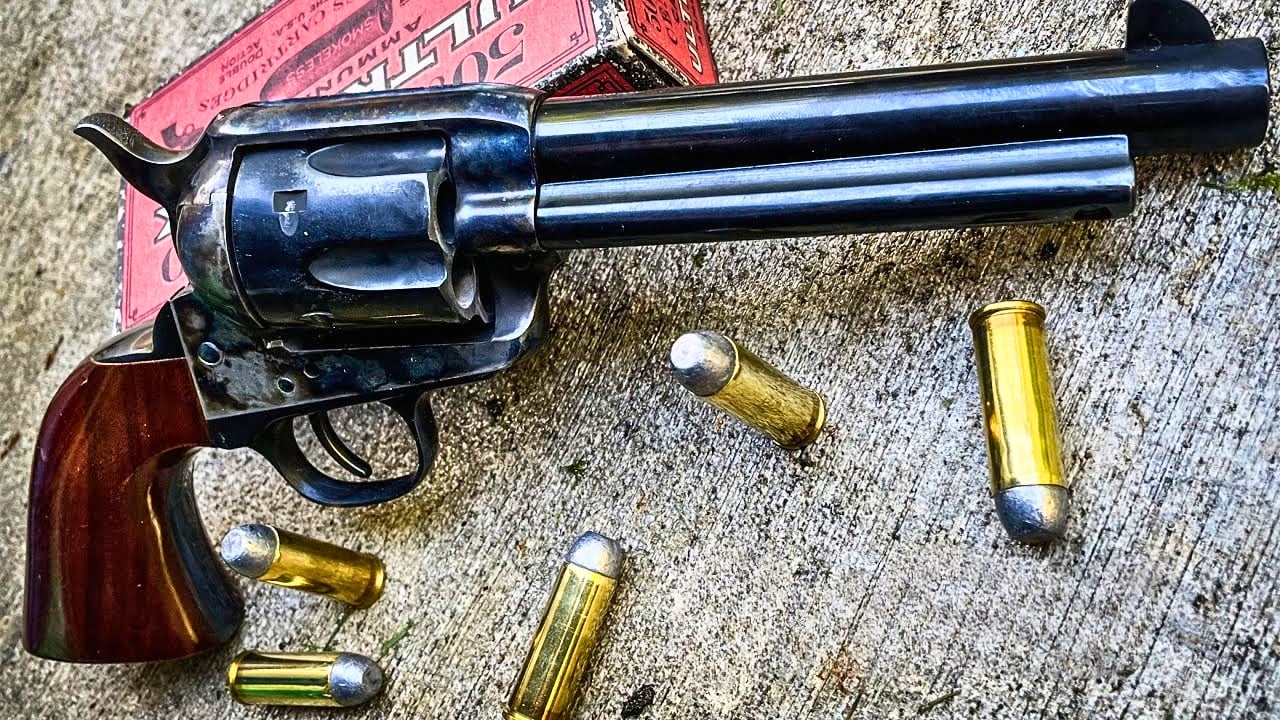
The Uberti Cattleman is a good example of a revolver that gets mistaken for collectible because it looks historical, not because it actually is. The styling is faithful enough, the finish can be attractive, and the Old West image is strong enough that sellers sometimes talk about these guns like they are future collector pieces. That can sound convincing if you are responding more to the look and mood than to the actual production reality.
At the end of the day, a standard Uberti Cattleman is a modern reproduction. It may be a fun shooter, a fine cowboy-action gun, or a handsome display piece, but most standard examples do not have the rarity, production significance, or collector demand needed to support premium long-term value. A lot of them are sold on romance and presentation rather than hard collector fundamentals. That does not make them bad guns. It means the “collector” story attached to them is usually far bigger than the real value underneath it.
Like The Avid Outdoorsman’s content? Be sure to follow us.
Here’s more from us: