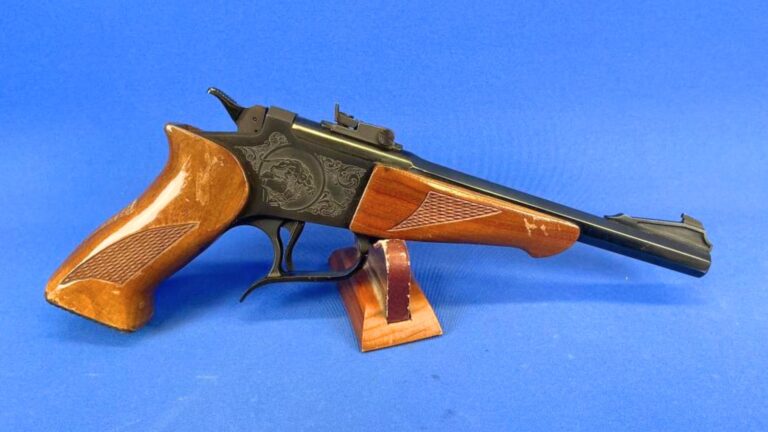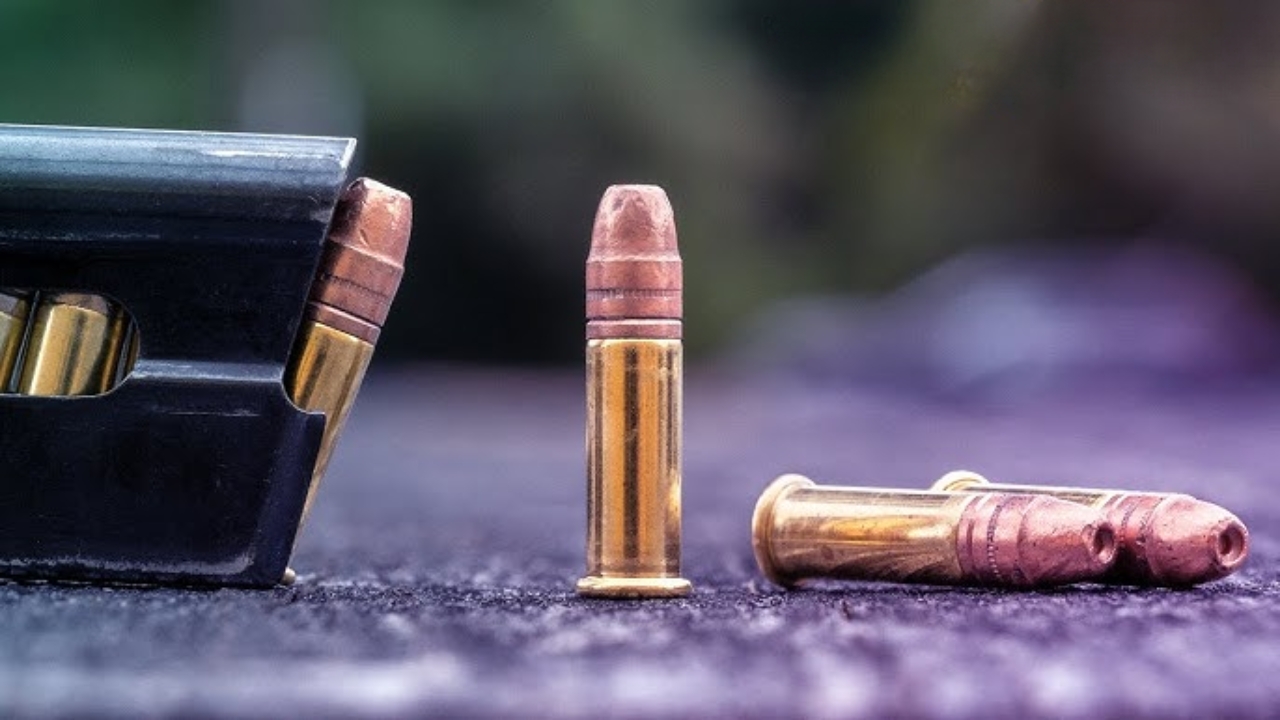
Photo credit: GUN MAN/YouTube
You’ve probably heard someone say, “It’s all about shot placement.” And yeah, that matters—a lot. But that only goes so far. If your caliber doesn’t have enough punch to reach vital organs or break bone when needed, no amount of perfect placement will make up for it. Some rounds just aren’t cut out for serious work, especially when it comes to hunting or defense. Here are ten calibers where even perfect placement might not save the day.
.22 Short

It’s been around forever, and it’s great for plinking cans or teaching kids how to shoot. But for anything beyond that, the .22 Short just doesn’t have the oomph. It lacks penetration and stopping power, plain and simple.
Even with perfect aim, this little round doesn’t reliably reach deep enough to hit anything vital on a larger animal—or attacker. It’s a fun cartridge, not a fight-stopper or ethical hunting option.
.25 ACP

A lot of tiny pocket pistols were chambered in .25 ACP, especially back in the day. But the truth is, this round doesn’t offer much more than a sharp poke. It’s underpowered and has trouble getting through heavy clothing.
You might get lucky with placement, but you shouldn’t count on luck. If you’re going to carry, step up to something with proven effectiveness. The .25 just doesn’t cut it anymore.
.32 S&W (Original)

Not to be confused with .32 H&R Magnum or .327 Federal, the original .32 S&W is just too soft for serious use. It’s slow, light, and barely manages to make it through basic barriers.
Even in close-range situations, this old round struggles to produce consistent penetration. Shot placement won’t help much when the bullet doesn’t reach anything that matters.
.410 Bore from a Handgun

A .410 out of a full-sized shotgun has some purpose. But from a revolver with a short barrel? Not so much. Most .410 loads from handguns just scatter pellets that don’t penetrate well.
It might look intimidating, but that spread doesn’t guarantee effectiveness. You need deep, consistent penetration, and .410 birdshot or buck from a short barrel often falls short—literally.
.22 LR for Self-Defense
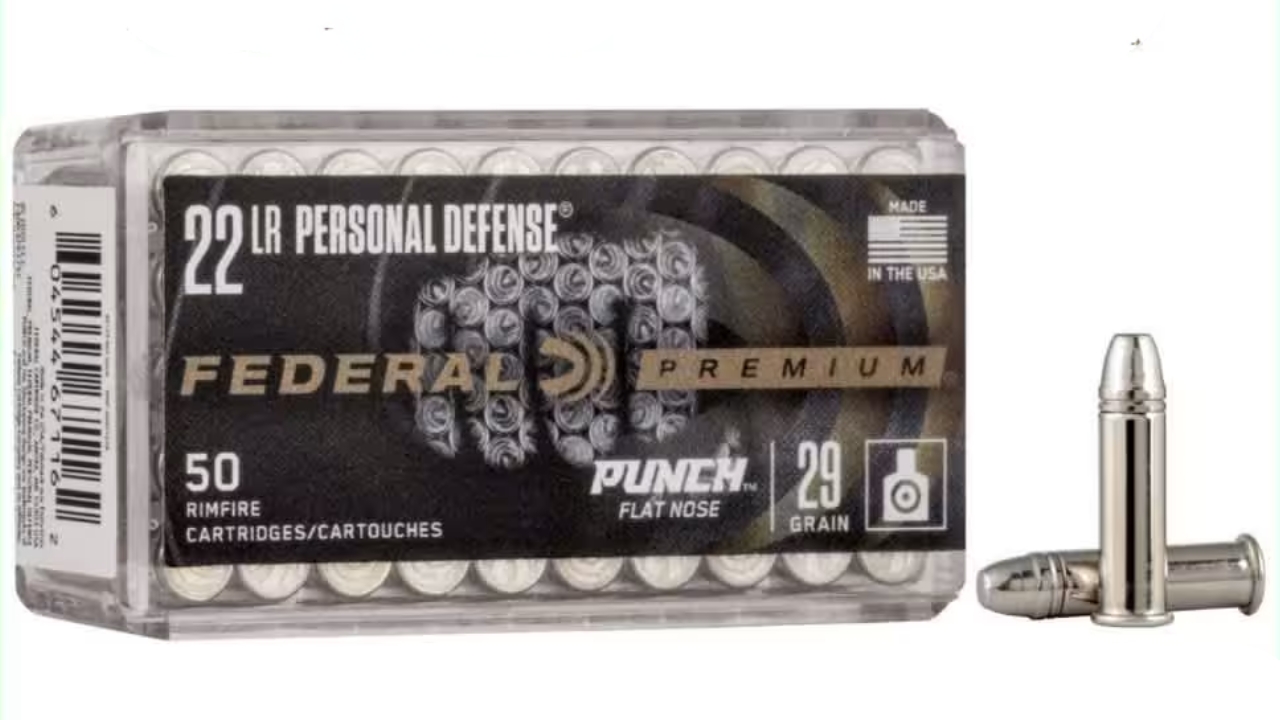
It’s tempting because recoil is low and ammo is cheap. But when it comes to stopping threats, .22 LR just doesn’t deliver enough force. Even with great shot placement, reliability is shaky.
Sure, some folks use it out of necessity, but if you have other options, don’t make this your first pick for defense. Rimfire ignition and inconsistent penetration make it a gamble.
.380 ACP FMJ

.380 ACP isn’t useless, but you have to be careful with the ammo. Full metal jacket loads are known to over-penetrate or underperform. They might zip through soft tissue without doing much damage.
You’re much better off using modern defensive hollow points if you’re going to carry a .380. Relying on FMJs and hoping for perfect placement is a risky strategy.
5.7x28mm with Sporting Loads

Out of a full-length barrel, the 5.7x28mm has potential. But many civilian loads are watered down compared to military or law enforcement variants. That means shallow wounds and limited tissue disruption.
It’s a fast round, sure—but fast doesn’t always mean effective. Without fragmentation or solid penetration, you’re banking on placement doing all the work. That’s not enough.
.38 S&W
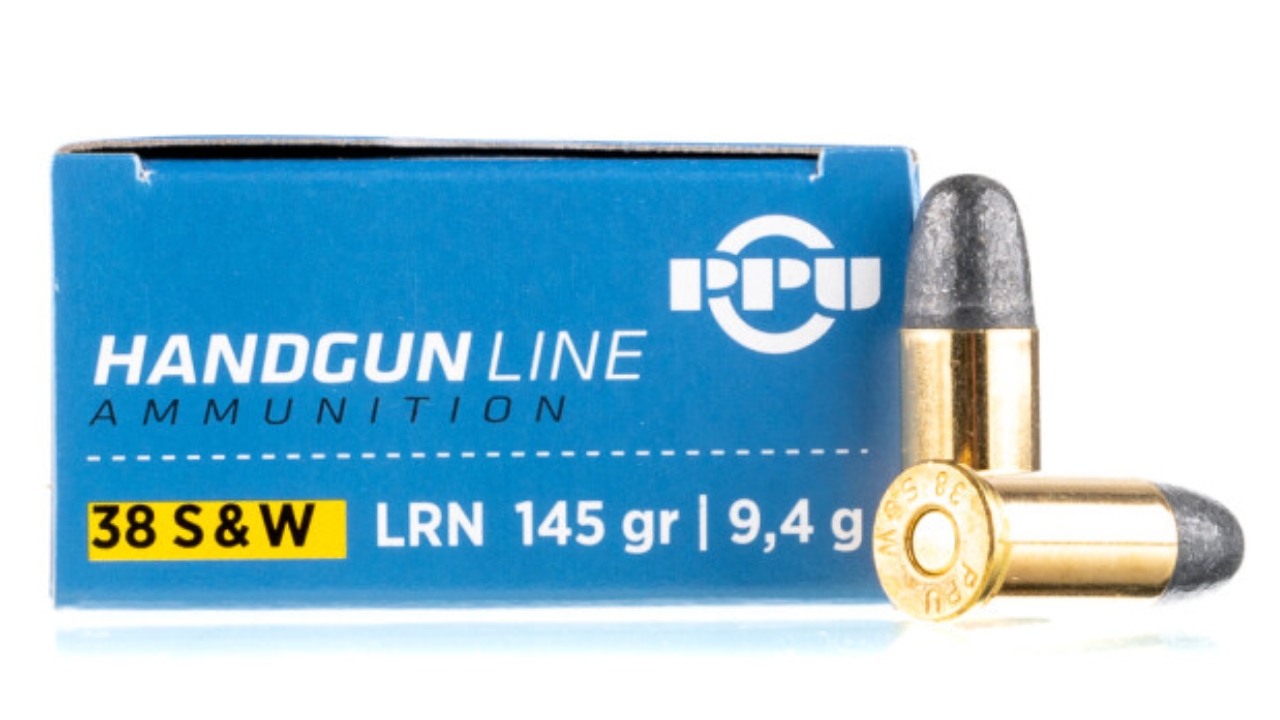
This isn’t the same as .38 Special. The .38 S&W is shorter and less powerful, and was mostly used in old service revolvers. These days, it’s just outdated and underpowered.
If you’re relying on a vintage revolver for self-defense, check what it’s chambered for. The .38 S&W might not give you the kind of performance you’re expecting.
9mm Ultra / 9×18 Ultra
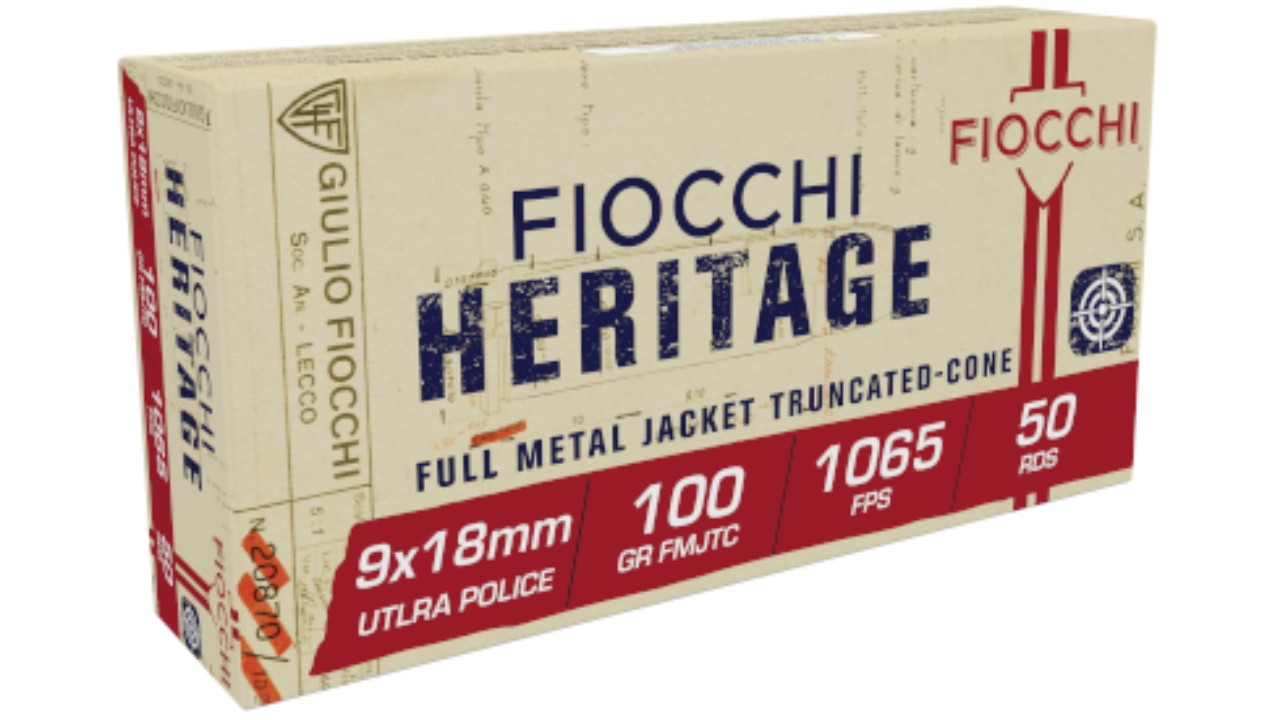
This oddball European round sits between .380 and standard 9mm, but it never really took off. Ammo is hard to find, and even when you can get it, performance is mediocre.
You’d be better off with 9mm Luger or even .380 with proper loads. Choosing something obscure and underpowered puts way too much pressure on your aim.
.45 GAP
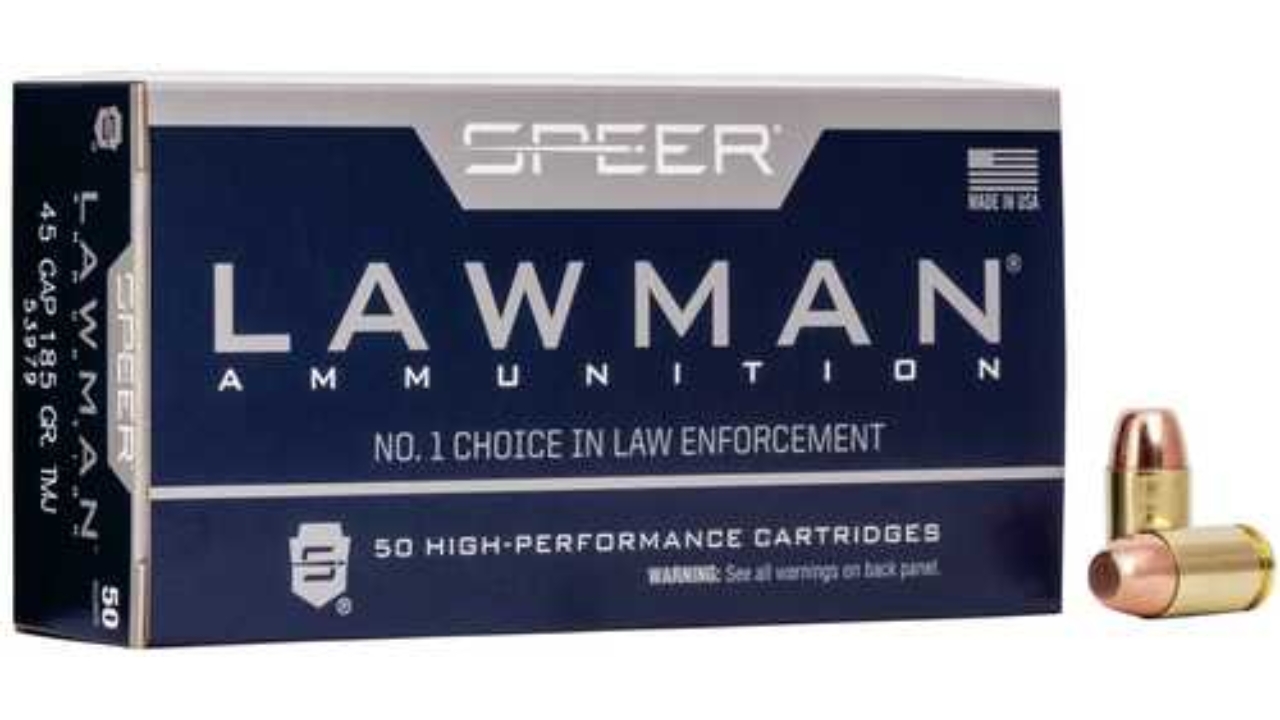
The idea behind .45 GAP was to give .45 ACP performance in a smaller package. Sounds good on paper, but in practice, it struggles to keep up. Recoil is still snappy, and energy just doesn’t quite match .45 ACP.
With limited ammo options and questionable gains, it’s a caliber that never caught on—and for good reason. You can’t rely on shot placement alone when the round is already working with a handicap.
*This article was developed with AI-powered tools and has been carefully reviewed by our editors.