
A lot of guys spend more on glass than they spend on the rifle, and sometimes that makes sense. Good optics can buy you time at dawn, a cleaner aiming point in bad light, and confidence when you’re trying to thread a shot through wind and distance. But there’s another truth you learn after you’ve carried rifles in the real world: plenty of rifles get used inside ranges where premium glass doesn’t change the outcome.
If your rifle lives in thick timber, rides in a truck, gets dragged through brush, or does most of its work inside 150 yards, your returns shrink fast. At that point, reliability, handling, and a fast sight picture matter more than boutique turrets and fancy coatings. These are the rifles that keep proving a hard lesson—set them up with tough, practical sights and spend the rest of your money on ammo, tags, and time behind the trigger.
Marlin 336 (.30-30)

A 336 is a woods rifle, and it earns its keep where shots happen fast and close. When you’re slipping through timber, a big scope can feel like a liability—extra bulk, narrower field of view, and more stuff to snag. The rifle points naturally, and the .30-30 does its best work inside ranges where you don’t need to count clicks or read mirage.
A receiver peep sight or a low-power optic is plenty. Most of the time you’re aiming at a deer-sized target inside 100 yards, sometimes closer, and the rifle’s handling is the advantage. Spend money on a solid sling, good ammo, and practice mounting the gun cleanly. That will pay off more than premium glass hanging over a rifle built for quick work.
Winchester Model 94 (.30-30)

The Model 94 has been dropping deer for generations with iron sights, and it’s still at home in the same places today. It carries light, comes to the shoulder fast, and it doesn’t need a big optic to be effective. In thick cover, you’re rarely sitting behind a scope taking your time. You’re snapping onto an opening and breaking a clean shot.
That’s why expensive optics often feel out of place here. A simple aperture sight or a compact low-power scope gives you enough precision without slowing you down. You’ll also appreciate fewer ounces and less height over bore when you’re shooting offhand. Put your effort into sight alignment, trigger control, and getting comfortable with the rifle’s natural pointability. That’s where the real accuracy comes from.
Ruger 10/22 Carbine
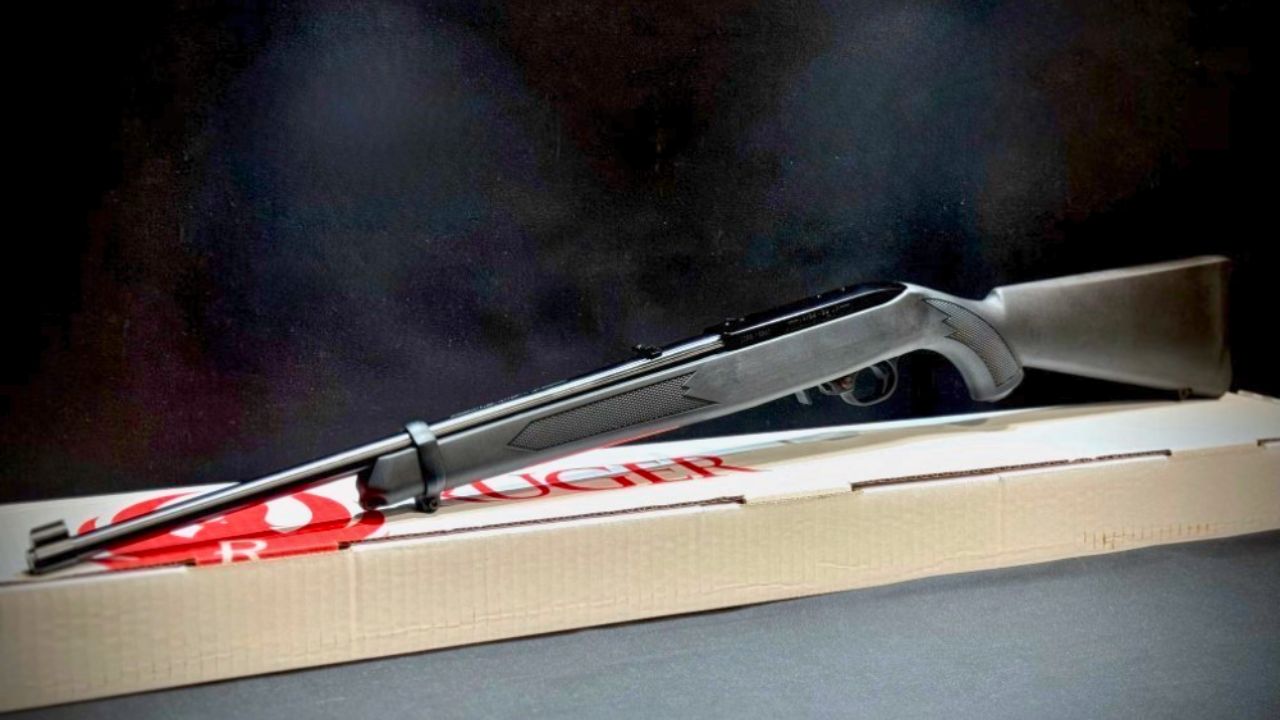
A 10/22 is the rifle you shoot a lot, which is exactly why you don’t need high-dollar glass to enjoy it. Most 10/22 work is inside 50 yards—tin cans, steel, squirrels, and paper. At those distances, a basic rimfire scope, a small red dot, or a set of decent iron sights does everything you need without turning the rifle into a top-heavy contraption.
The other factor is durability and practicality. Rimfire rifles get tossed in trucks, loaned to buddies, and used by kids learning fundamentals. A fancy optic doesn’t make you a better shot there. Reps do. Put the money into ammo and magazines, then learn what your rifle does with a few different loads. When you can call your shots with a .22, you’re building skills that transfer to every rifle you own.
Henry Classic Lever .22

A .22 lever gun is built for fun, small game, and smooth repetition. It’s also a rifle that’s typically used at close ranges where you can hold center and ring steel all day. An expensive optic can feel like you’re overthinking the whole point of the rifle, especially when the factory sights already work well for the job.
A simple peep sight or a modest rimfire scope is plenty if you want help on small targets. The bigger payoff comes from learning your holds and shooting positions. Because the rifle cycles quickly and stays light, it’s great for practicing follow-up shots and sight tracking. Keep it handy, keep it fed, and keep it honest. You’ll get more satisfaction out of smooth shooting than out of premium glass that never gets challenged.
Ruger American Ranch (7.62×39 or .300 Blackout)

The Ranch rifle shines as a short-range utility tool. In 7.62×39 or .300 Blackout, it’s often used for hogs, predators, and general truck-gun chores where shots are close and time matters. That’s not a role that rewards a big, expensive scope with high magnification and complicated controls.
A low-power optic, a red dot, or a compact 1-4x style setup covers the reality of how the rifle gets used. The rifle’s short barrel and handy length are the advantage, so don’t cancel that with oversized glass. Put your money into reliable magazines (where applicable), a good mount, and ammo you’ve actually tested. When your rifle is built to be quick and practical, your sighting system should match that mindset.
SKS (7.62×39)
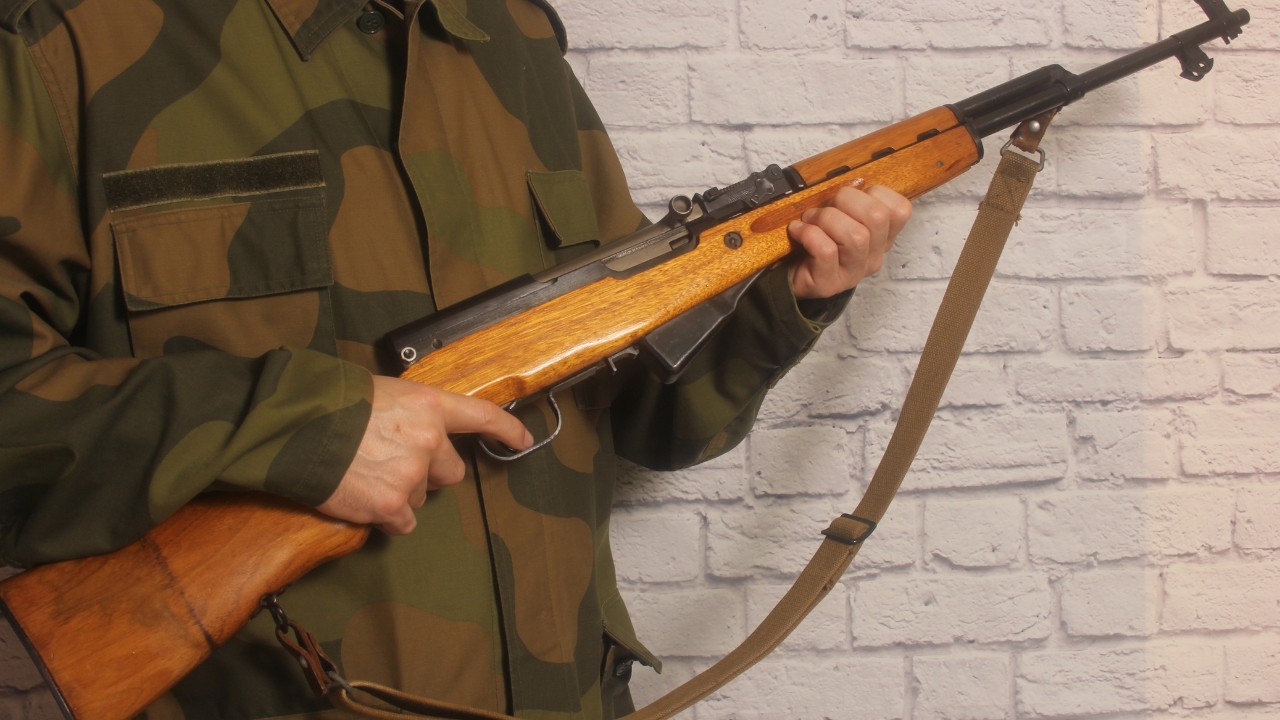
An SKS doesn’t need premium optics because it wasn’t designed to live that way. It’s a rugged, practical rifle that does its work inside realistic distances, often with iron sights, and it tends to run best when you don’t complicate it. Most “scope solutions” for SKS rifles add weight, sit too high, or introduce mounting issues that don’t improve real performance.
A clean front sight, a properly zeroed rear, and practice will get you farther than expensive glass here. If you want an optic, a simple red dot on a solid, proven mount can make sense, but you still don’t need top-tier pricing. The SKS is a rifle you shoot for utility and familiarity. Keep it reliable, keep it zeroed, and spend your energy learning the trigger and sight picture.
AKM-pattern rifles (7.62×39)

The AK earns its reputation by being dependable and quick to run, not by being a precision bench gun. Most people use an AK inside 200 yards, often much closer, where fast target acquisition matters more than magnification. Hanging expensive glass on a rifle that’s going to get knocked around and run hard often feels like protecting the wrong thing.
A quality red dot, a simple prism optic, or even well-regulated irons make more sense than a high-end scope here. The rifle’s recoil impulse and ergonomics reward a clean, repeatable mount and a clear aiming point. Spend money on a durable mount and a sight that holds zero, then invest in training. You’ll get more real capability from learning recoil control and transitions than you will from premium optics that don’t fit the rifle’s mission.
M1 Garand (.30-06)

The Garand is a classic battle rifle that still shoots well, but it doesn’t beg for expensive optics. The iron sights are one of the best parts of the platform—clear, adjustable, and fast once you know them. Most Garand shooting happens on known-distance ranges or in field use where irons do the job without adding complexity.
Optic mounting can also be awkward and changes the rifle’s balance. If you want to shoot a Garand well, learn the sights and learn the trigger. The rifle rewards a steady position and good fundamentals, and it will show you exactly what you did right or wrong. Spend money on ammo, clips, and maintenance parts like springs. That’s a better return than premium glass sitting on a rifle that already has a built-in sighting system worth mastering.
M1 Carbine (.30 Carbine)
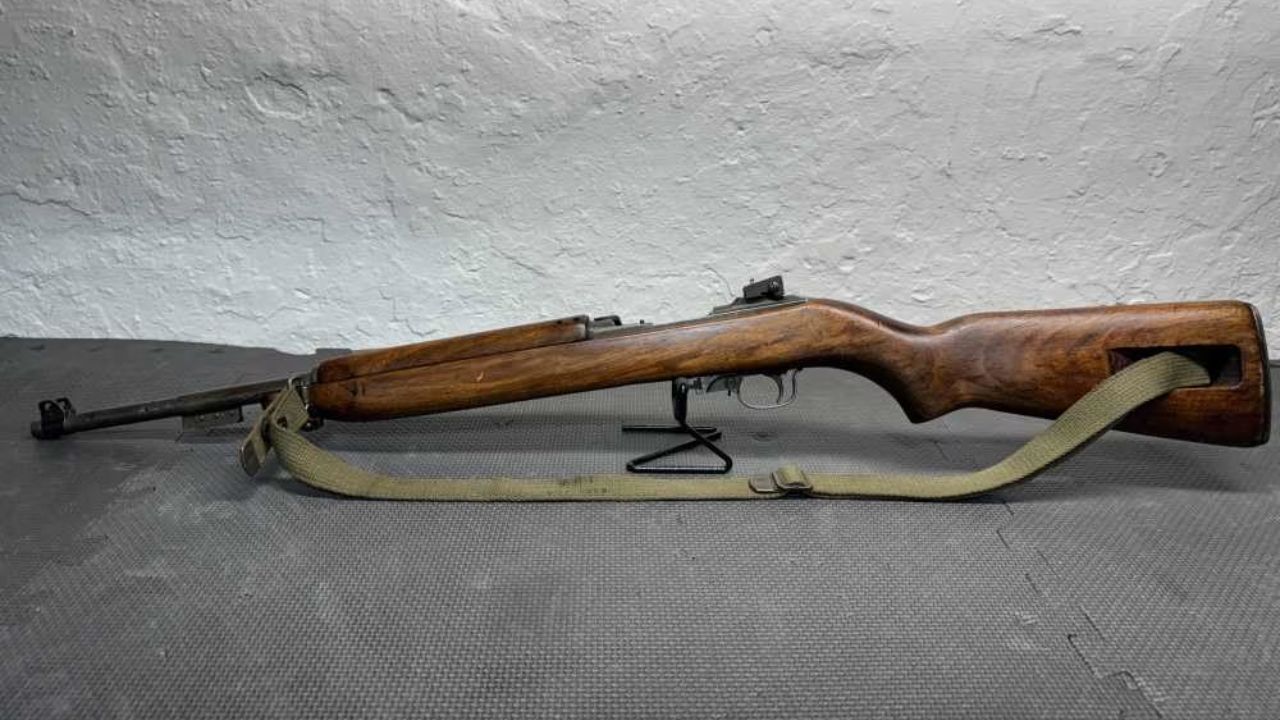
The M1 Carbine is light, quick, and meant for practical ranges. It’s not a distance rifle, and it doesn’t need expensive glass to do what it does well. Inside 100 to 150 yards, the carbine’s handling and fast sight picture are the advantage, and a big optic often feels like you’re forcing the rifle into a role it wasn’t meant to fill.
The irons are usable, and a simple, rugged optic can work if you want a faster aiming point, but premium magnified scopes are usually wasted here. The cartridge and sight radius already tell you the realistic envelope. Put your money into reliable magazines and quality ammo, and then practice quick, accurate shots from field positions. When you run a carbine the way it was intended, fancy glass stops feeling like a priority.
Ruger Gunsite Scout Rifle

Scout rifles are built around a practical idea: fast handling, a usable sight picture, and real-world accuracy without turning the rifle into a long-range rig. The Gunsite Scout comes with usable iron sights and is commonly paired with a low-power optic. That setup makes sense because the rifle is meant for targets you can identify and engage quickly, not for dialing turrets at distance.
When you mount oversized, expensive optics on a scout rifle, you often lose what makes it special. You add weight, change balance, and narrow your field of view. A tough 1-4x, a compact 2-7x, or a simple fixed-power setup is more than enough. Spend the rest of your budget on a good sling and time practicing shooting from awkward positions. That’s where the scout concept pays off.
Ruger No. 1 (big-bore hunting chamberings)
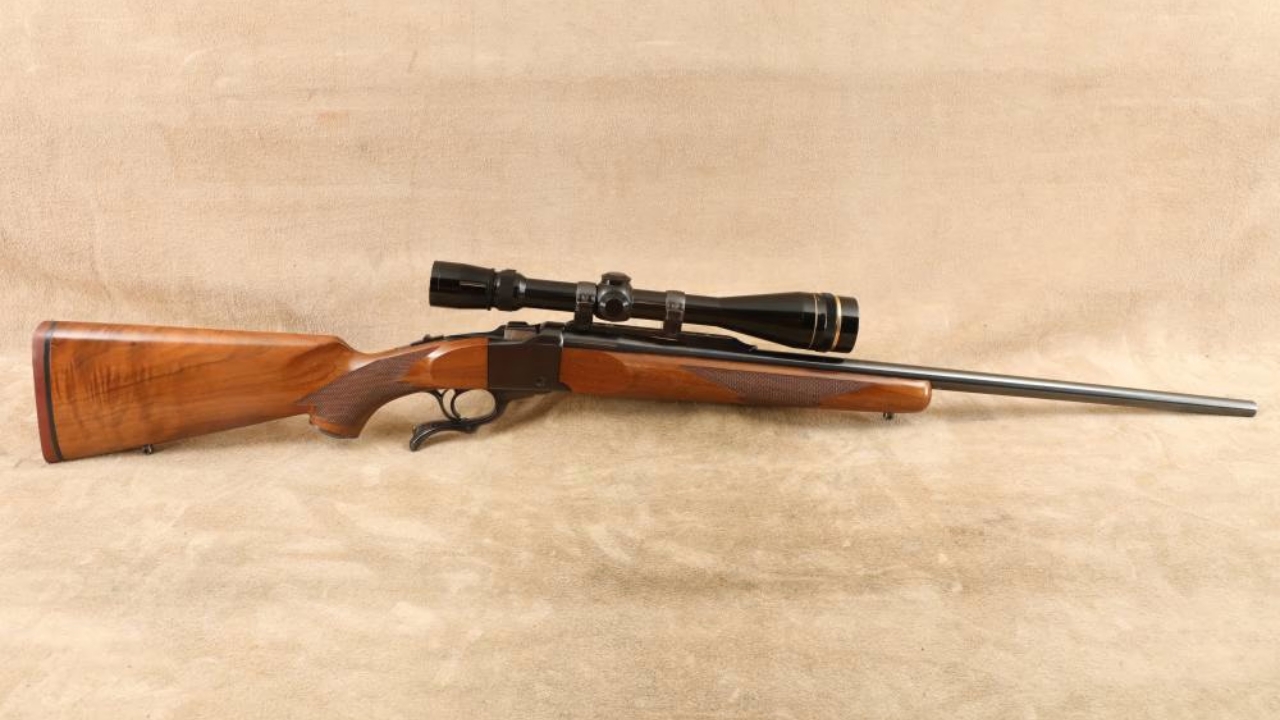
A Ruger No. 1 in a big hunting chambering is often carried as a deliberate, first-shot rifle. When you’re hunting in timber or along edges where the shot is inside a reasonable distance, you don’t need expensive, high-magnification optics to make the rifle effective. In fact, heavy glass can feel wrong on a rifle that carries so well and encourages a clean, careful shot.
A compact, durable scope with sensible magnification is plenty. The rifle’s strength is balance and consistency, not volume of fire or long-range dialing. Keep the setup trim, confirm zero, and learn your trajectory inside the distances you’re willing to shoot. You’ll get more confidence from knowing your rifle and load than you will from premium glass that never gets used to its potential.
Marlin 1895 (45-70)
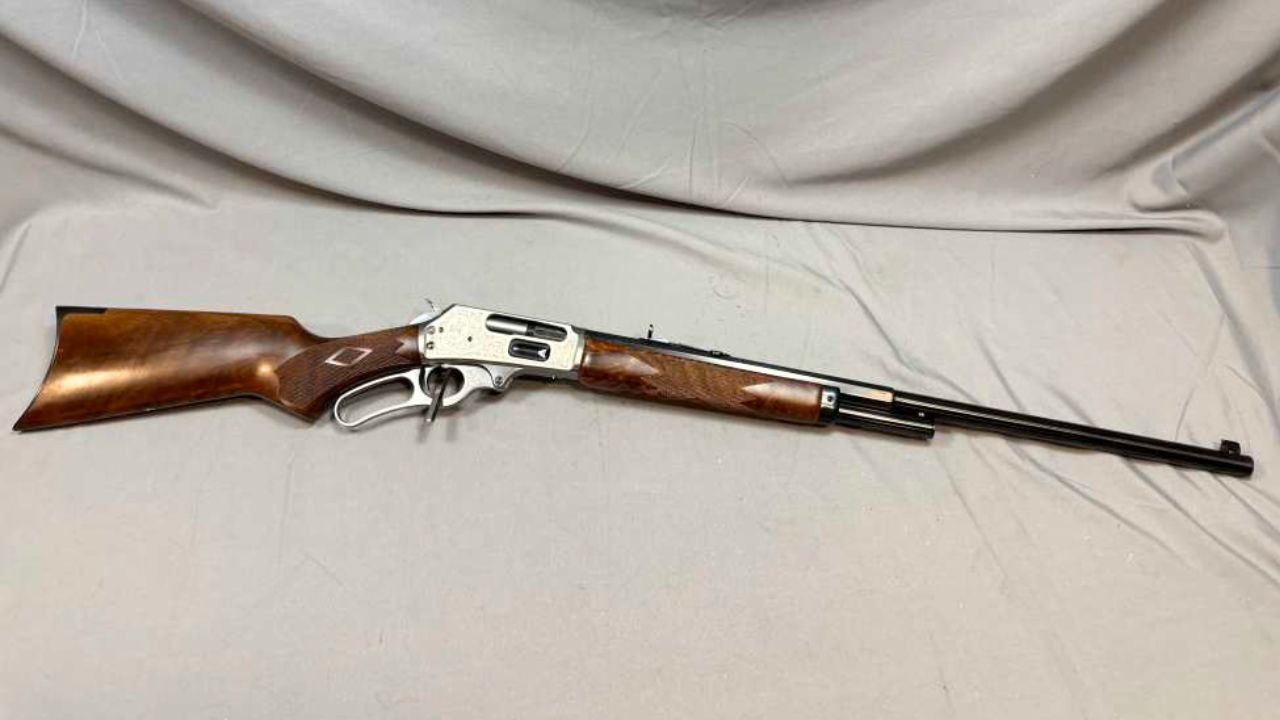
A 45-70 lever gun is a brush and timber tool that hits hard at sane distances. Most hunting with a 1895 happens close enough that you don’t need magnification to find the target. In fact, a large scope can slow you down and add bulk where you don’t want it—right on top of a rifle that’s supposed to handle fast.
A ghost ring sight, a compact low-power scope, or a rugged red dot is a better match. The cartridge’s arc and recoil already keep you honest about range, so premium glass doesn’t buy you much. What does buy you something is a sighting system you can pick up quickly and that stays zeroed after bumps and weather. Put your money into practice with your chosen load and learning how the rifle recoils. That’s the real advantage.
Ruger Mini-14

The Mini-14 is a handy rifle that gets used for ranch work, predators, and general utility shooting. It’s typically a “carry a lot, shoot when needed” gun, which makes expensive optics feel like overkill. Most of its real work happens inside ranges where a clear aiming point and a stable mount matter more than high magnification.
A compact scope, a simple red dot, or even good irons can cover what you’ll realistically do with it. The Mini also rewards keeping the package light and balanced. Oversized glass can make it feel top-heavy and less quick on target. Spend your money on a quality mount and rings that hold zero, plus magazines you trust. Then confirm your zero and shoot enough to know your holds. That’s what makes the rifle useful.
CZ 527 Carbine (7.62×39)
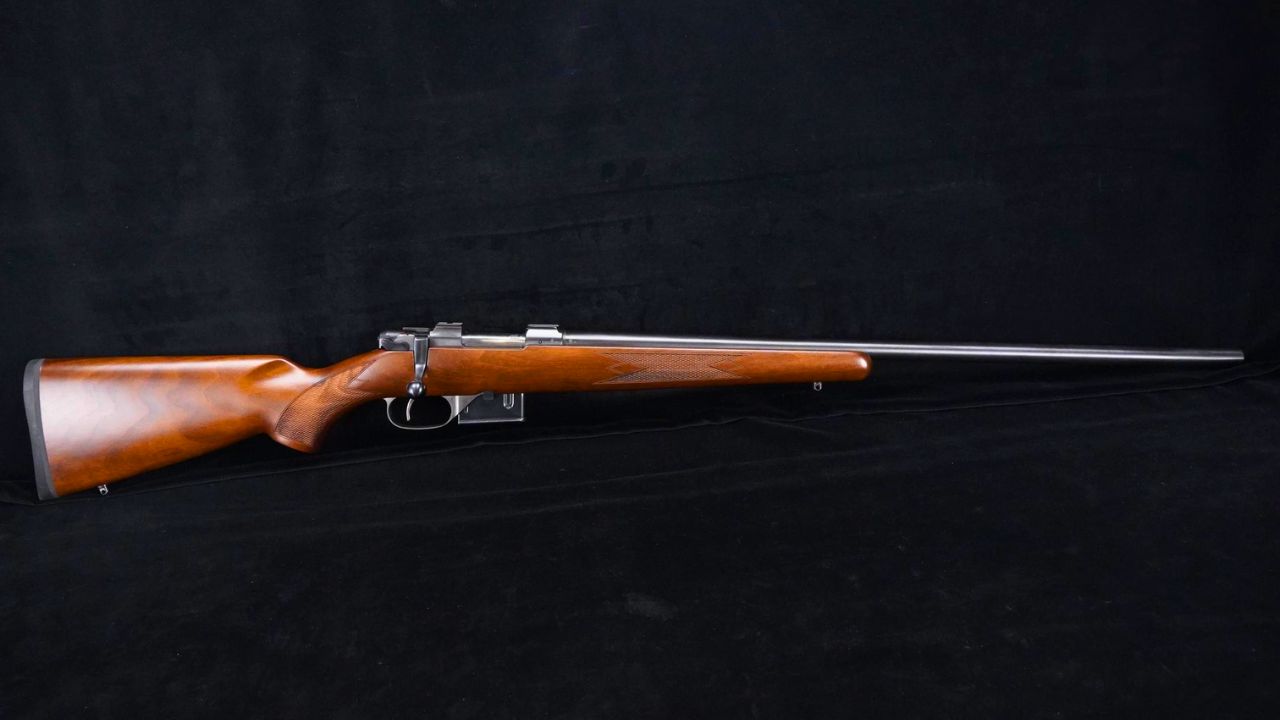
The CZ 527 carbine in 7.62×39 is a perfect example of a rifle that doesn’t need fancy optics to shine. It’s compact, accurate enough for real hunting distances, and built around a cartridge that does its work without pretending to be a long-range round. Most shots you’ll take with it are inside 150 yards, often closer.
A modest scope or a good set of irons is plenty, and keeping the rifle light helps you take advantage of how well it carries. High-end glass won’t change the cartridge’s trajectory or the way the rifle gets used. What will change outcomes is picking an ammo load the rifle likes and practicing from field positions. The 527’s value is how easy it is to carry and shoot well in realistic scenarios. Your optic choice should support that, not fight it.
Remington Model 7
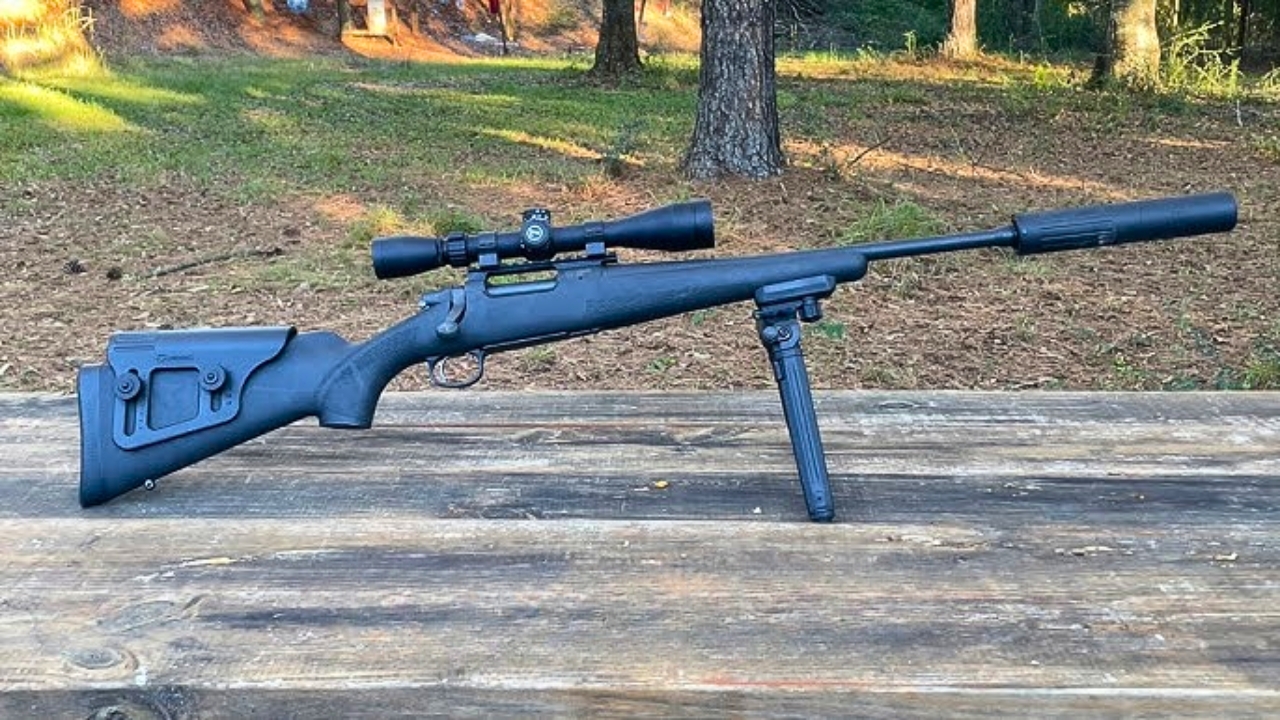
The Model 7 has been a favorite “carry rifle” for a long time because it’s compact, quick to shoulder, and easy to tote in rough country. That also means you’re often shooting inside practical distances where premium optics don’t add much. The rifle’s role is usually a first-shot hunting rifle, not a dial-and-hold long-range setup.
A lightweight 2-7x or similar low-to-mid power scope is plenty, and the best money you can spend is making sure the mount is solid and the rifle is properly zeroed. Heavy, expensive glass can throw off the balance that makes the Model 7 appealing in the first place. Put your budget into a scope that tracks well enough and holds up to bumps, then spend the rest on ammo and range time. Knowing your rifle beats fancy glass.
Winchester Model 1892 (pistol-caliber lever guns)
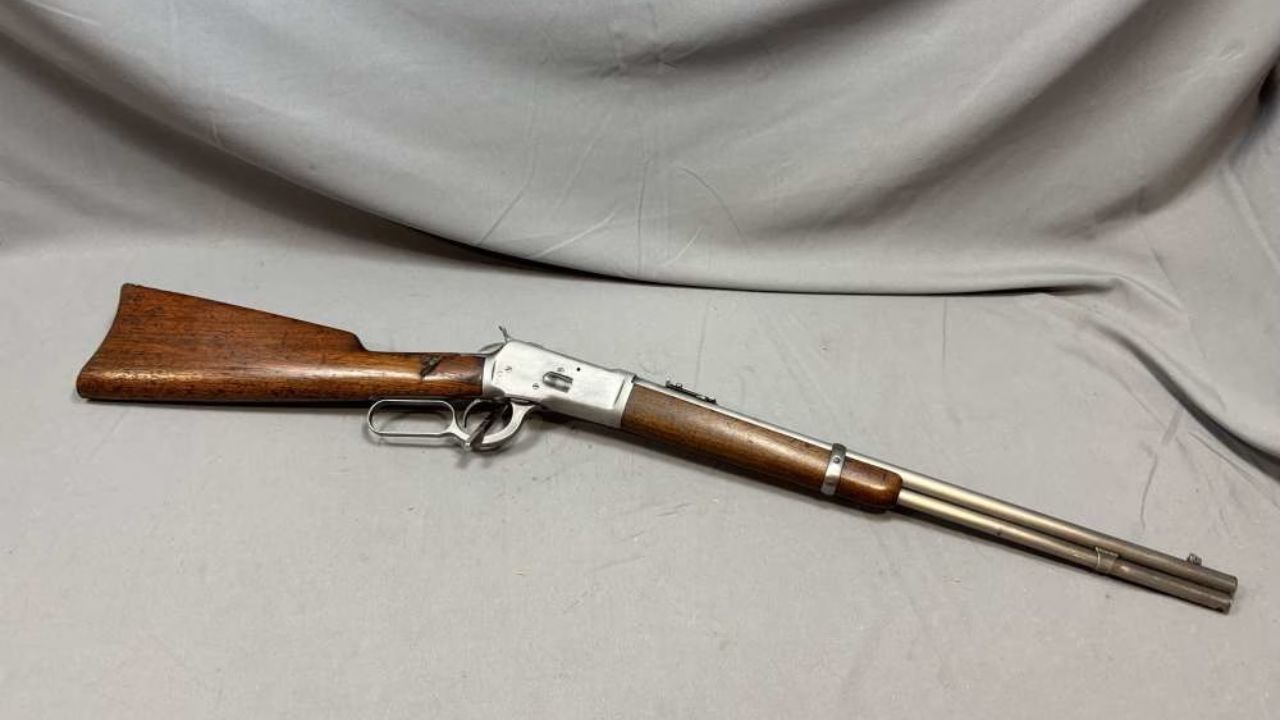
Pistol-caliber lever guns like the 1892 pattern are fun, fast, and practical inside close ranges. Whether you’re shooting steel, walking a property, or hunting in thick cover where legal, you’re not operating in a world that rewards premium optics. Targets appear quickly, distances are short, and speed matters more than magnification.
A simple sight setup—buckhorns, a peep, or a rugged red dot—fits the rifle’s personality. Expensive glass often adds bulk and slows the handling that makes these carbines so enjoyable. The cartridge performance also keeps you honest. You’re not stretching shots to where top-tier optics would matter. Spend your money on a sighting system that’s durable and fast, and then put in reps cycling the action and staying on target. That’s where these rifles deliver real value.
Like The Avid Outdoorsman’s content? Be sure to follow us.
Here’s more from us:


