Photo credit: Savage Arms
A rifle that stacks bullets with one factory load can make you feel like you finally “solved” accuracy. Then you grab a different box off the shelf and the same rifle suddenly acts like it forgot how to shoot. That doesn’t always mean the rifle is bad. It usually means the rifle is picky—about bullet weight, bullet shape, seating depth, velocity, barrel harmonics, or how that specific load interacts with the throat and twist rate.
Some rifles are tolerant and will shoot a wide variety of ammo reasonably well. Others are more like a musician with perfect pitch: they’ll sing when you hit the exact note, and they’ll punish you the moment you’re off. If you hunt and you only ever buy one load and stick with it, this isn’t the end of the world. But if you like grabbing whatever’s available, or you travel and need a backup box, a one-load rifle can be frustrating.
Ruger Mini-14
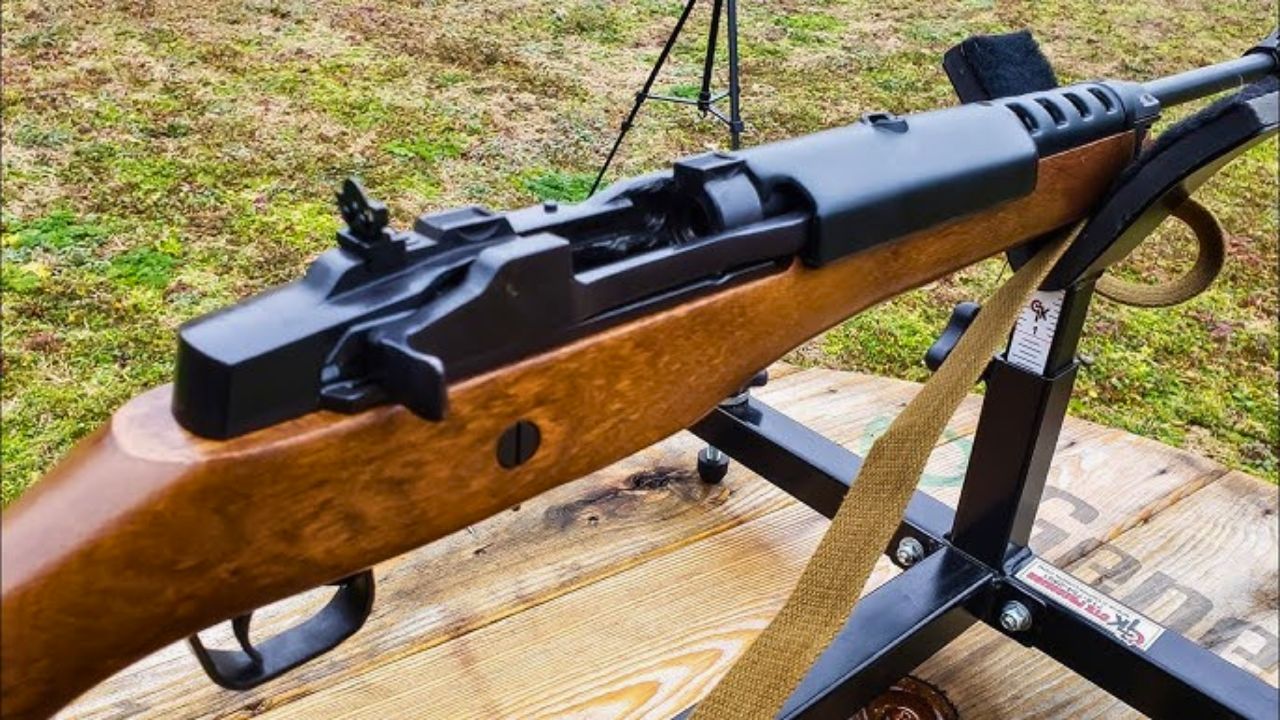
Older Mini-14s can be the poster child for “one load wonder.” With the right ammo, you can see respectable groups and convince yourself the internet is exaggerating. Swap to a different bullet weight or brand, and the groups can open up fast. That thin barrel and the way the rifle heats up can turn small differences in ammo into big differences on paper.
What usually happens is you find one load it likes—often a specific weight—and you’re tempted to stop experimenting because the next box looks like buckshot. You can improve consistency with good mags, a steady rest, and letting it cool, but the ammo sensitivity is real. If you’re expecting AR-15-like tolerance across loads, older Minis can disappoint. If you treat it like a rifle that needs its preferred diet, it can still be a fun, useful tool.
Remington 742 Woodsmaster

A well-running 742 can be accurate enough for whitetail work, but many of them are picky about loads—especially as the rifle gets older. Small differences in bullet weight and velocity can show up as noticeable changes in group size, and the rifle’s condition plays a role. Wear, bedding quirks, and how the action locks up can all make the rifle more sensitive than you’d expect.
What usually happens is you find one load that the rifle “agrees with,” and you stick with it for years because you don’t want to reopen the accuracy lottery. Swap to a different box, and you might see flyers or groups that wander as the rifle warms. It’s not always dramatic, but it’s enough to make you cautious. A 742 that’s been around the block can still hunt, but it often prefers consistency in what you feed it.
Remington 7400

The 7400 often behaves like a rifle that wants a particular load and doesn’t want you experimenting too much. Many shooters find a sweet spot—often a specific bullet weight—and then leave it alone. The action and barrel setup can be sensitive to the way a load vibrates the rifle, and that shows up on target.
With the right ammo, you can get groups that make you comfortable hunting. With the wrong ammo, you can get groups that make you question your scope and mounts. A lot of 7400 owners end up chasing optics, then realize the rifle simply doesn’t like certain loads. The practical play is to test a handful of common hunting loads, pick the one it shoots best, and stock up. If you treat a 7400 like a bolt gun that should love everything, it can frustrate you.
M1A / M14 pattern rifles

M1A rifles can be accurate, but they often show strong preferences for certain bullet weights and load types. The system was built around specific pressure curves and traditional .308/7.62 loads, and the rifle can reward you when you stay close to that. Start throwing very different ammo at it, and accuracy can shift more than you’d expect.
You’ll see it with certain commercial hunting loads versus match-style loads. Some M1As will stack one load and spray another, even when the shooter is consistent. Bedding, stock tension, and how the action sits can also influence this. That’s why serious M1A shooters often settle on one or two loads and stick with them. It’s not that the rifle can’t shoot. It’s that it often wants a specific “diet” to stay predictable.
SKS

An SKS can surprise you with a good group—once you find the ammo it likes. Then you buy a different case of 7.62×39 and the rifle acts like you swapped barrels. Some of that is the rifle. A lot of it is the ammo. Steel-case bulk 7.62×39 varies widely, and the SKS is a platform that will show you that variance on paper.
You might find a load that prints acceptably tight at 100 yards and then spend the next range trip watching groups open up with a different brand. The sights and trigger also don’t help consistency, so the rifle tends to reward the ammo that behaves most predictably. If you want to get the best from an SKS, you test several loads, pick the one it shoots best, and keep your expectations realistic. It can be accurate enough, but it’s not usually flexible.
AKM-pattern rifles (7.62×39)

Most AKs aren’t built to be finicky bench rifles, but many are absolutely picky about what they shoot well. You’ll often see one load produce surprisingly decent groups, then another load produces wide patterns that look like a different shooter showed up. The platform’s inherent variables—barrel quality, sights, trigger, and mounting—magnify ammo differences.
Bullet weight and consistency matter more than people want to admit. Some AKs like 123-grain FMJ from one manufacturer and hate it from another. Some do better with brass-case hunting loads and scatter steel-case bulk. It’s frustrating because you bought the AK to be easy. It is easy to run, but that doesn’t mean it’s easy to make accurate across loads. If you find a load it likes, you keep buying that load. That’s the AK accuracy reality.
Savage 110
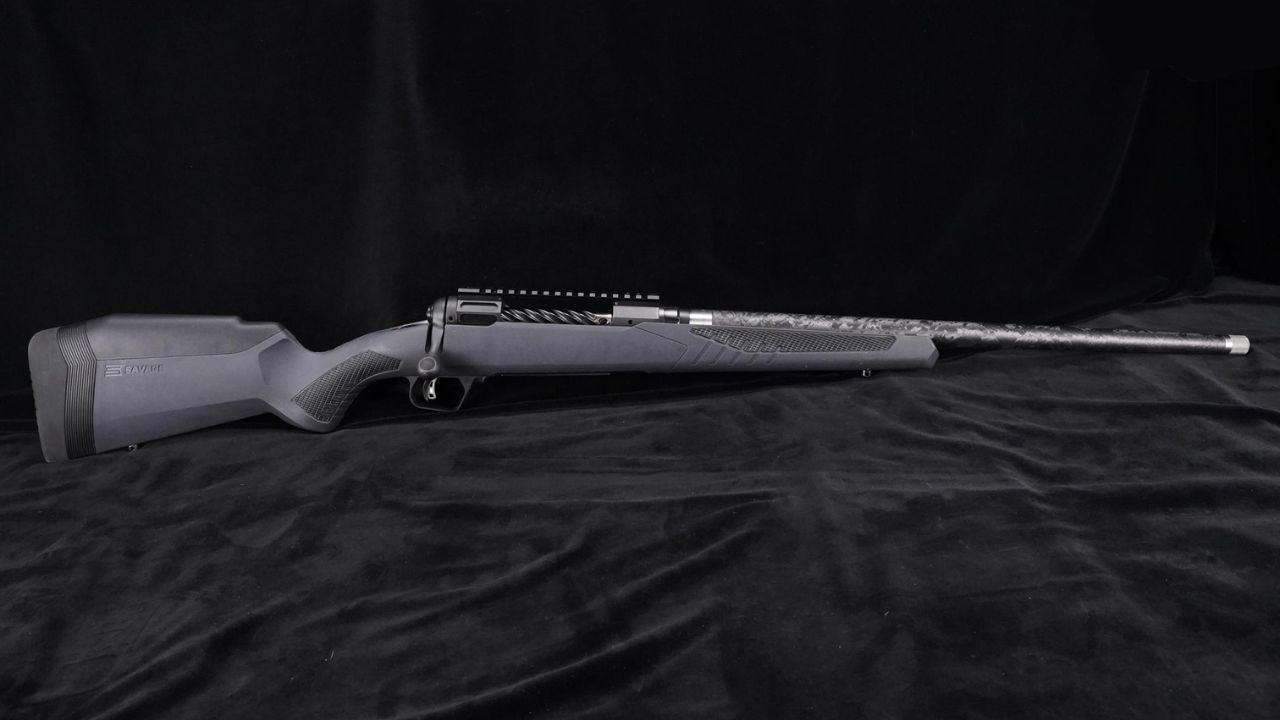
The Savage 110 action has a reputation for accuracy, but older rifles in flexible factory stocks can be strangely ammo sensitive. The barrel might be capable of shooting multiple loads well, but the way the stock contacts the barrel and action can change how the rifle behaves when different loads alter recoil and harmonics.
What you’ll see is one load grouping tight, then another load walking shots or throwing flyers that don’t make sense. Sometimes it’s as simple as inconsistent pressure on the fore-end when you’re shooting off a rest. Sometimes it’s the stock flexing in ways that show up with certain loads. Many shooters “solve” it by finding one load that behaves and sticking with it. Others fix it with a stiffer stock or bedding. The rifle can be accurate, but some setups are more load-picky than they should be.
Mossberg Patriot

The Patriot is an affordable bolt gun that can shoot well, but some examples show strong preferences. You’ll see a rifle that loves one factory hunting load and then acts indifferent—or worse—to everything else. That’s not unheard of in budget rifles, where barrel and chamber variations can lead to a narrower sweet spot.
Often the best results come from matching bullet weight to twist and keeping the rifle’s setup consistent—same torque, same rest position, same cleaning routine. If you change loads and suddenly your group doubles, it’s not always the shooter. Many Patriot owners end up settling on one brand and bullet weight that the rifle clearly prefers and buying that ammo in quantity. It can be a perfectly usable hunting rifle, but it sometimes requires more “ammo dating” before you find the one it wants to commit to.
Ruger Mini-30

The Mini-30 adds another layer of pickiness because 7.62×39 ammo varies a lot. Some loads are soft, some are hot, some have different bullet diameters and jacket styles, and the quality spread is wide. You can find a load that shoots surprisingly well, then switch brands and watch your groups fall apart.
A lot of shooters end up chasing their tail because the rifle isn’t always the problem—the ammo inconsistency is. If you hit the right load, the Mini-30 can be accurate enough for hunting distances. If you grab whatever steel-case is cheapest, you might get patterns instead of groups. It’s one of those rifles that teaches you a lesson: not all 7.62×39 is created equal, and your rifle may only tolerate a narrow slice of it.
Browning BAR (hunting models)

The Browning BAR is a respected hunting rifle, but plenty of them show clear preferences for specific factory loads. You’ll see one brand group tight and another brand scatter, even when the shooter is doing everything right. Gas guns can be a little more sensitive to timing and harmonics than bolt rifles, and that can show up as ammo pickiness.
The frustrating part is that a BAR often feels so smooth and stable that you expect it to shoot everything well. Then you realize the rifle is honest about what it likes. Bullet weight and construction can matter a lot, and you may find one load that prints consistently while others refuse to settle down. The good news is that when you find the load, the BAR tends to repeat that performance reliably. The bad news is you might have to buy a few different boxes to get there.
Remington Model 770
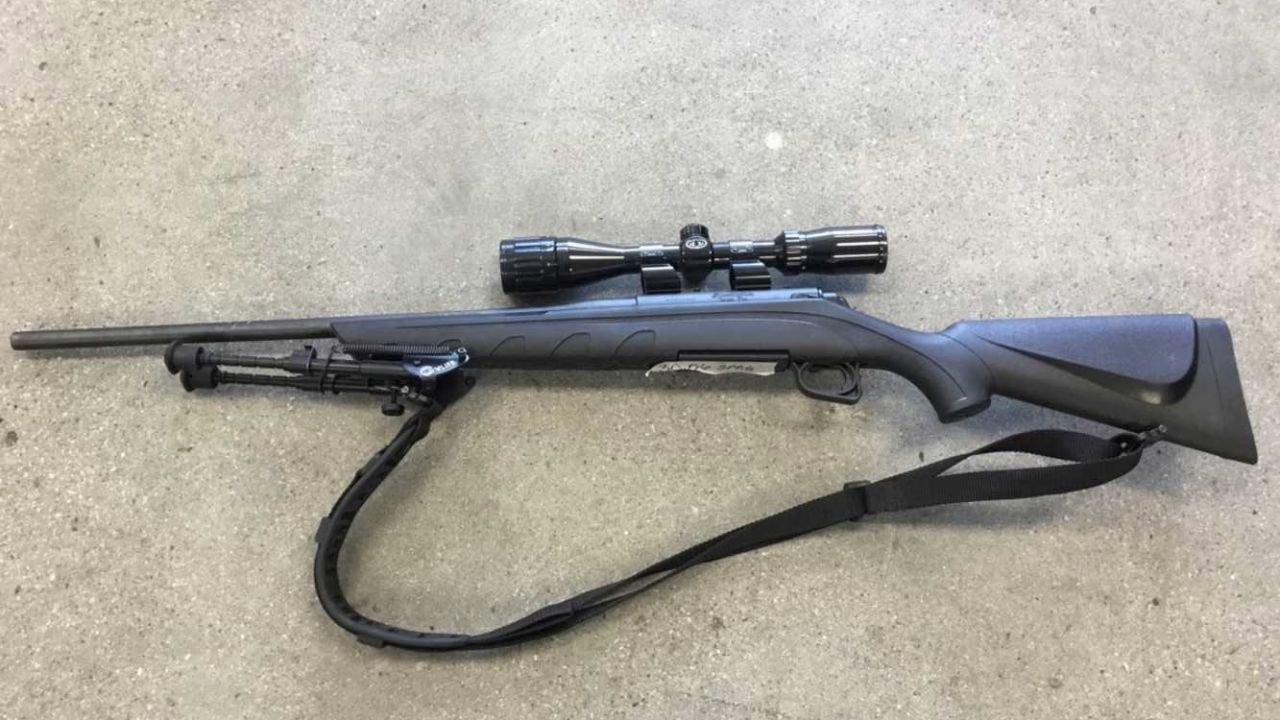
The 770 is widely known as a budget rifle that can be inconsistent, and part of that shows up in load sensitivity. Some will shoot a particular factory load acceptably and then scatter others in a way that makes you question your fundamentals. The rifle’s overall feel—trigger, stock, and rigidity—can magnify ammo differences.
When you find a load it likes, the rifle can be “good enough” for typical hunting ranges. When you don’t, it can feel like you’re trying to tune a guitar with loose strings. The practical issue is that many buyers of a 770 aren’t buying multiple boxes to test. They buy one box, sight in, and go hunt. If your rifle only likes one load, you need to know that before you’re standing in a store in November grabbing whatever’s left on the shelf.
Winchester Model 100

The Model 100 is a classic semi-auto that can be accurate enough, but it often shows strong preferences for certain loads. Older rifles can have throat wear, bedding quirks, and action behavior that make them more sensitive to ammo changes. One load might print steady groups, and another load might produce flyers that seem to come from nowhere.
Because it’s a vintage semi-auto, you also have to factor in consistency of the action cycle. Different loads can change how the rifle moves during firing, and that can show up as group size changes. Many Model 100 owners end up sticking to a single proven load because the rifle rewards consistency. It’s not a rifle most people buy to experiment with ammo. It’s a rifle you keep running with what it likes, because that’s how you keep it dependable.
Ruger 10/22 (stock barrel, bulk ammo)
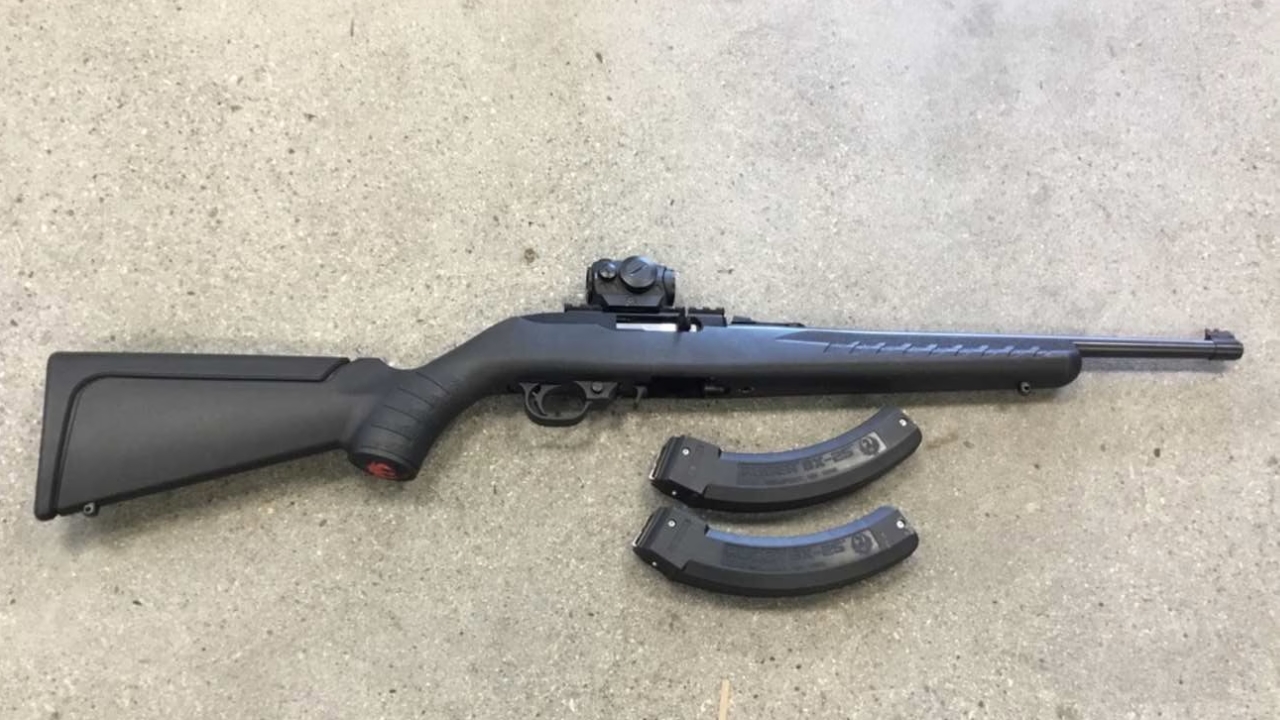
A 10/22 can be incredibly accurate, but it can also be shockingly picky with bulk .22 ammo. Rimfire variability is real, and the 10/22 will show it. You might find one bulk load that groups nicely, then switch to another bulk load and watch groups open up even though nothing else changed.
Some of that is the ammo. Some of it is how the rifle responds to different velocities and lubrication on the bullets. The point is you can absolutely end up with a 10/22 that’s “accurate” with one specific load and mediocre with the rest. The fix is usually simple: test several loads and pick the one your rifle clearly prefers. If you want the rifle to shoot everything well, you often end up stepping up to better ammo, or upgrading the barrel and tightening the whole system.
Marlin Model 60
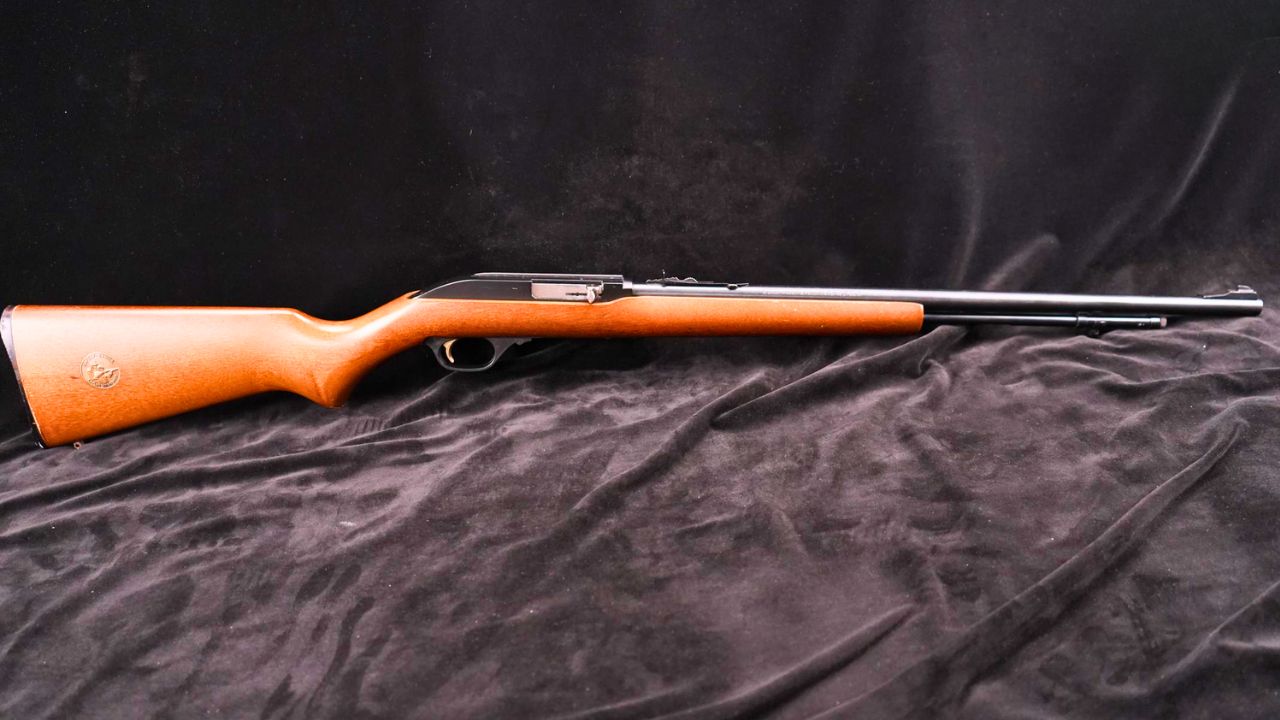
The Model 60 is another rimfire classic that can be very load-sensitive. It might shoot one standard-velocity load into tidy groups and then spray high-velocity bulk ammo all over the target. Rimfire barrels can have strong preferences, and the Model 60 is no exception.
A lot of owners notice it most when they switch between brands. One brand feeds fine and groups fine. Another brand changes everything—group size, point of impact, even reliability. That’s not a flaw unique to the Model 60; it’s rimfire reality. But the Model 60 often encourages owners to pick a “house ammo” and stick with it. If you want consistent results, you treat it like a rifle that has a favorite meal, and you keep feeding it that meal.
Lever-action rifles in .30-30 (older rifles with worn bores)

Older .30-30 lever guns can absolutely be “one load only” rifles, especially when bores are worn or dimensions are on the loose side. You might find one flat-nose load that shoots into a solid hunting group and then try another brand and see groups open up dramatically. Older barrels can have quirks that modern shooters aren’t used to.
The .30-30 also has a lot of variation in factory loads—different bullet designs, different velocities, and different jacket styles—and older rifles can react strongly to those changes. The practical reality is that many hunters find a load that shoots well in their lever gun and never change again. If you inherit a lever gun like this, you don’t assume any .30-30 will work the same. You test a few and buy the one it likes, because that’s how you keep it predictable.
Tikka T3x (fast-twist 6.5 Creedmoor with narrow bullet preference)
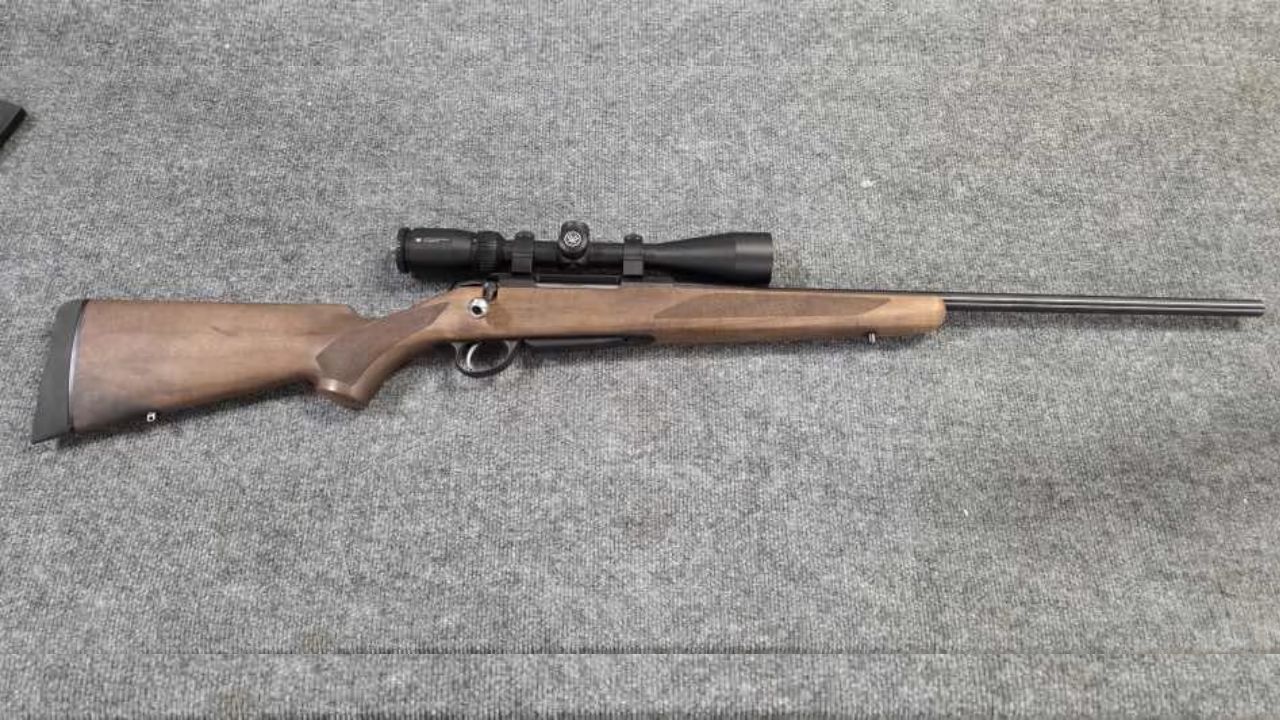
Tikkas are generally tolerant, but even good rifles can have strong preferences when twist rate and bullet length interact in a narrow window. A fast-twist 6.5 Creedmoor can sometimes favor a particular bullet weight and style—often longer, sleeker bullets—and show less enthusiasm for shorter or lighter loads that don’t “match” the barrel’s sweet spot.
What you’ll see is one load printing beautiful groups and another load that should be fine on paper simply refusing to tighten up. It doesn’t mean the rifle is flawed. It means the barrel is honest about what it likes. If you’re the kind of shooter who grabs random boxes based on availability, that can be frustrating. If you’re willing to pick a load and stay with it, it’s not a big deal. The rifle will reward consistency, but it may not reward variety.
Like The Avid Outdoorsman’s content? Subscribe to our newsletter so you never miss an article.
Here’s more from us: