A good camp doesn’t need military discipline, but it does need a few grown men acting like they’ve done this before. When everybody pulls their weight, camp runs easy. Fire gets fed, food gets handled, gear stays where it ought to be, and nobody has to waste half the evening cleaning up behind one man who somehow made everything harder without doing much of value. That’s the sweet spot. Camp feels relaxed because the basics are covered, not because everybody decided to quit trying.
The problem is there’s almost always one guy doing little things that multiply into bigger headaches for everybody else. He may not mean to. Most of them don’t. But intent doesn’t change the fact that some camp habits create extra work the same way a loose wheel creates extra wobble. One small issue turns into five people adjusting around it. These are the things guys do at camp that make everybody else work harder than they should have to.
He Leaves Gear Everywhere He Stops

Nothing slows camp down faster than a man who treats every flat surface like his personal storage unit. Gloves on the table, flashlight on the cooler, jacket on the chair somebody else needs, knife sitting near the food prep area, and random little tools scattered around like breadcrumbs. Now the whole camp has to work around his mess, move his stuff, or stop what they’re doing to figure out what belongs to who.
That kind of chaos always spreads. Once one guy starts leaving gear everywhere, other people either get dragged into the disorder or end up doing extra work trying to contain it. Camp works better when people can reach what they need without moving somebody else’s junk first. A man who can’t keep his own things gathered usually creates a surprising amount of traffic, confusion, and irritation without ever realizing he’s the reason every simple task suddenly takes longer.
He Never Puts Anything Back Where It Belongs
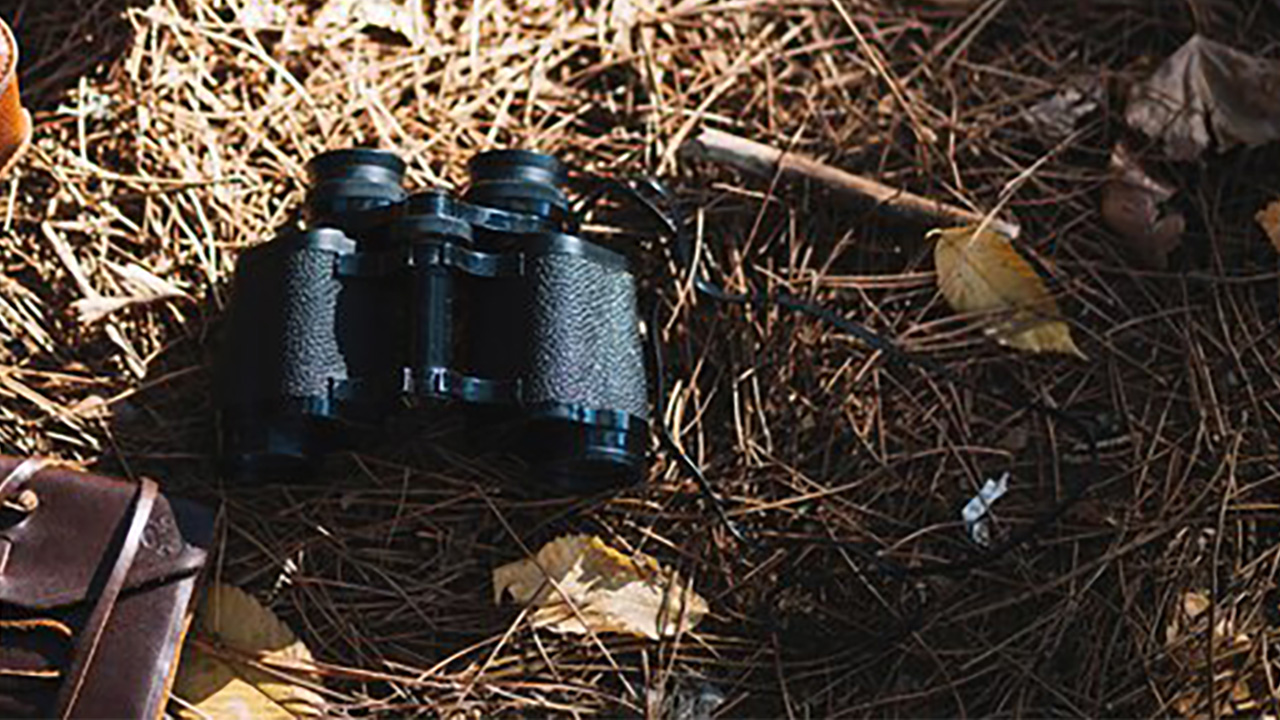
There’s a big difference between using camp gear and just sending it into exile. He borrows the lighter, the hatchet, the pliers, the lantern, the can opener, whatever it is, and then leaves it in some random place like that’s a perfectly normal thing to do. Later, when somebody actually needs it, now there’s a search party for an item that had one job and one place to live.
The reason this makes everybody else work harder is simple. It turns every future task into a scavenger hunt. Instead of grabbing the thing and moving on, people are asking around, checking bags, looking under chairs, and retracing the last hour because one man couldn’t be bothered to put something back after using it. That may sound small, but a weekend is made of small things. Enough of them stacked together, and one guy’s laziness becomes the whole camp’s problem.
He Lets Trash Pile Up Around Him

A wrapper here, an empty can there, a paper plate left on the tailgate, zip ties dropped near the fire ring, a napkin blown under a chair. Some men can create a mess in slow motion all day long without ever once deciding to deal with it while it’s still easy. Then eventually the camp looks sloppy, animals start getting interested, and somebody else has to gather what should’ve been handled one piece at a time.
What makes this worse is that trash doesn’t just sit there harmlessly. It gets stepped on, blown around, soaked, mixed into gear, and spread into places it never should’ve been. The guy who doesn’t pick up after himself is basically assigning cleanup duty to whoever still has enough pride left to care what camp looks like. That turns one man’s carelessness into work for everybody else, which is a pretty common talent among guys who somehow call themselves “laid back.”
He Uses the Last of Something and Says Nothing

This one will make a man unpopular in a hurry. He uses the last coffee, the last paper towel, the last propane bottle, the last dry firewood by the chair, or the last clean cup, and then just quietly moves on with his life like the supply fairy is handling the rest. He doesn’t mention it, doesn’t replace it, and doesn’t even act like it matters.
Now the next guy walks into the problem cold. Coffee time arrives and there’s none left. Supper starts and the fuel’s empty. Cleanup happens and there’s nothing to clean with. A man who uses the last of something without speaking up is basically setting a trap for whoever comes after him. That means somebody else has to scramble, improvise, or go without, all because one grown man couldn’t be bothered to announce a problem while it was still easy to solve.
He Starts Relaxing Before Camp Is Actually Set
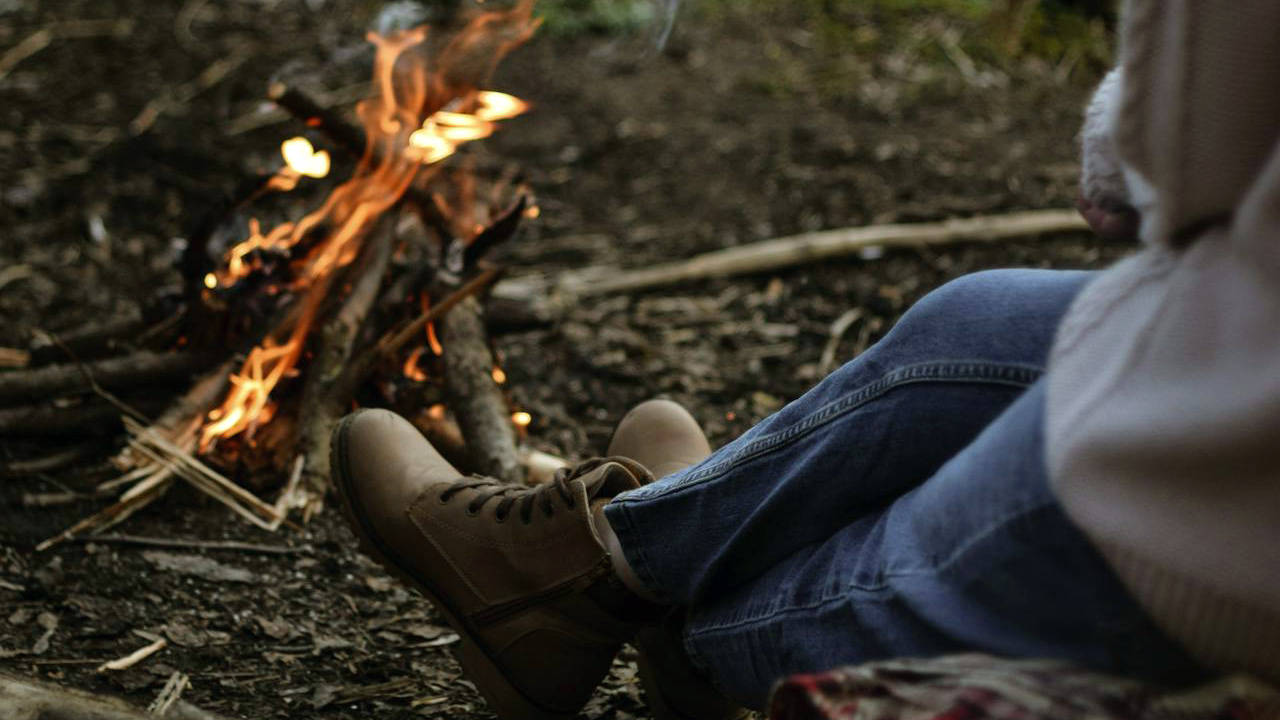
Camp has a point where you earn the right to sit down. Fire’s established, sleeping setup is handled, food’s squared away, tomorrow’s basics are in order, and the place has enough structure to coast for a while. But some guys decide they’re done the second their own personal corner looks decent. They crack a drink, drop into a chair, and start acting like the hard part is over while everyone else is still building the camp they plan to enjoy.
That’s the kind of move that quietly dumps work on the rest of the group. Somebody still has to haul wood, somebody still has to sort food, somebody still has to deal with lighting, trash, water, and all the boring details that make camp function. A man who clocks out too early is basically saying his comfort matters more than getting the whole place ready. Then later he’ll enjoy the results of work he mostly watched other people do.
He Can’t Do a Small Job Without Turning It Into a Production
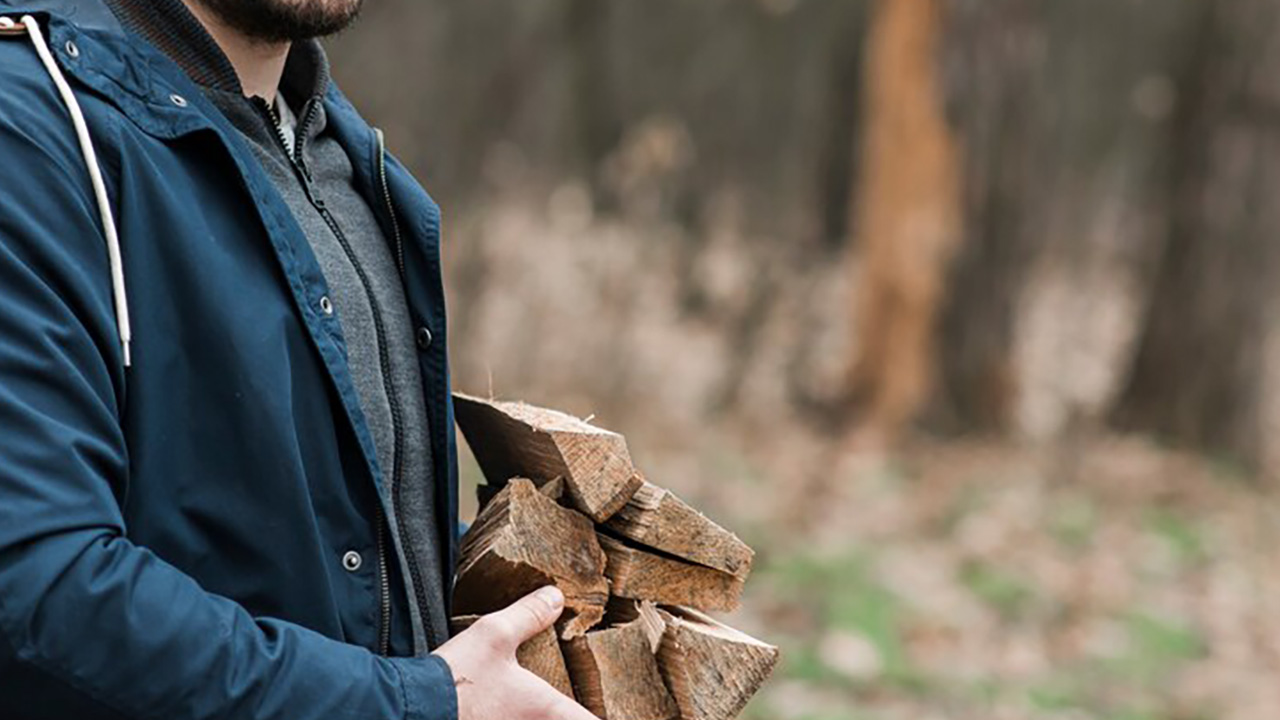
Ask some men to grab wood, and they return with wood. Ask others, and somehow it becomes a long wandering side mission with delays, commentary, and confusion built in. Same with filling water, grabbing ice, checking straps, or doing any other small camp job that should take a little effort and not much drama. The problem isn’t that the task is difficult. The problem is he handles every simple thing like it needs a soundtrack and a committee.
That slows the whole camp down because people stop being able to count on quick follow-through. Now they either wait too long on something that should already be done or they go do it themselves because trusting him to handle it cleanly feels like a gamble. A man who turns every tiny task into an event adds friction to the whole trip. That kind of friction wears on everybody, especially the guys who are still trying to keep camp moving before dark.
He Never Notices What Needs Doing
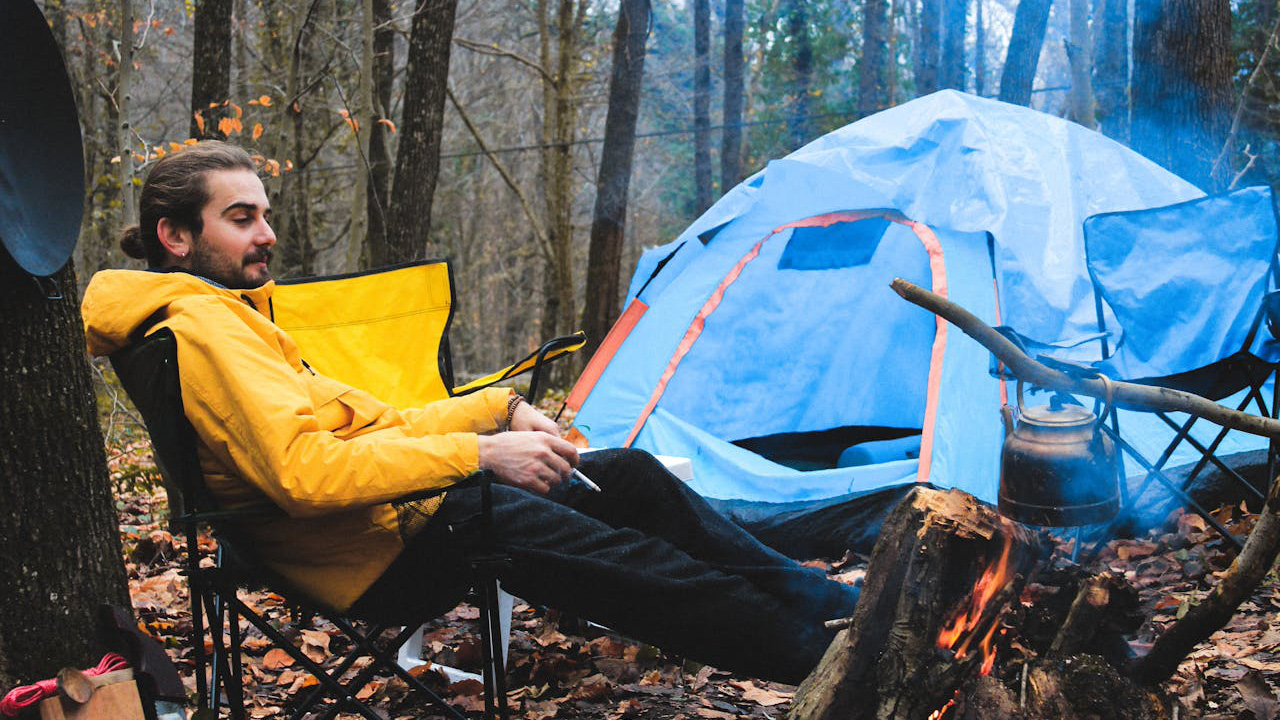
Some men can sit in camp and somehow remain blind to every obvious need around them. Low wood pile? Doesn’t see it. Cooler left open? Doesn’t notice. Water jug empty? Must be invisible. Trash bag full? Somebody else’s department, apparently. He’s not technically refusing to help. He’s just moving through camp like the basic maintenance of shared space is too subtle for the human eye to detect.
That kind of selective blindness makes everybody else work harder because the people who do notice things end up carrying the whole flow of camp on their backs. They’re the ones scanning for the next obvious issue and handling it before it turns into a bigger inconvenience. Meanwhile, the unobservant guy drifts from comfort to comfort, somehow missing every chance to be useful. At a certain point that stops looking accidental and starts looking like a lifestyle choice built on other people’s effort.
He Asks Where Everything Is Instead of Learning the Setup
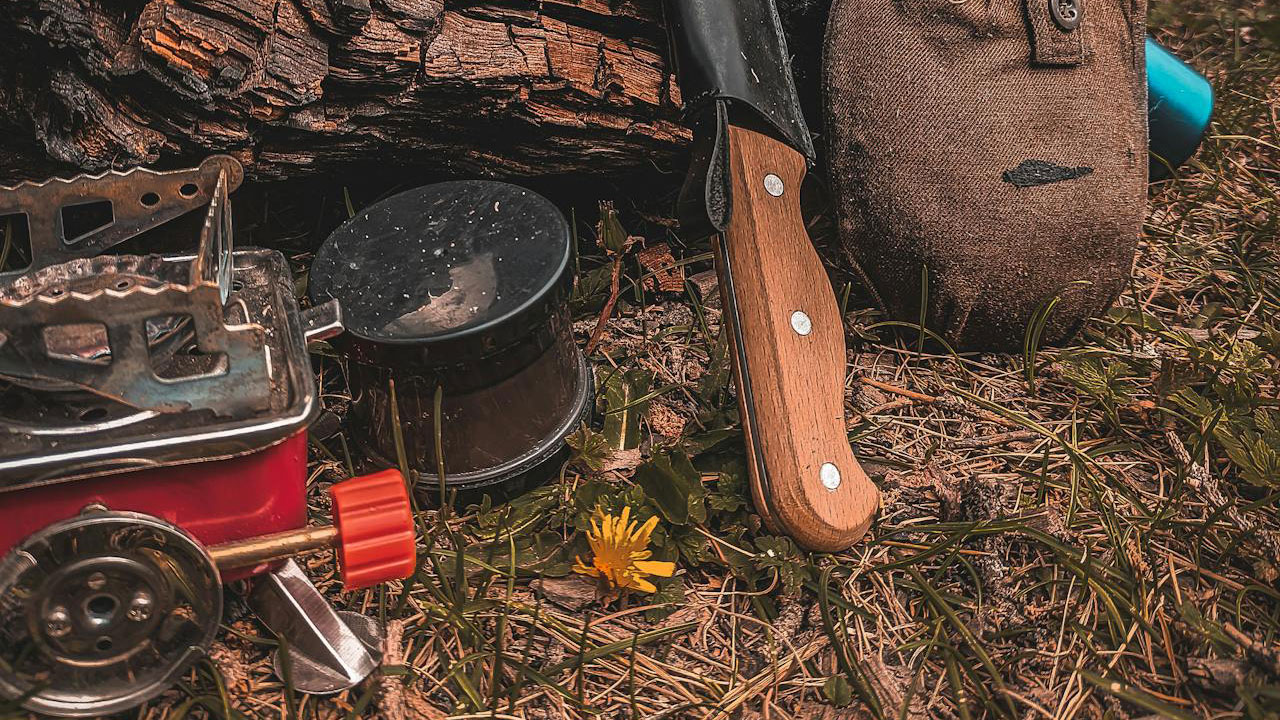
There’s always a guy who’s been at camp for hours and still acts like every basic item is hidden in a secret location. Where’s the coffee? Where’s the salt? Where’d y’all put the lighter? Is there a trash bag? Where’s the lantern fuel? At some point it stops sounding like normal questions and starts sounding like a man who expects camp to keep introducing itself to him all weekend.
The reason this creates extra work is that every answer takes somebody else’s attention. Somebody has to stop cooking, unloading, sorting, or resting just to walk him through things he could’ve learned by opening his eyes earlier. Good camp guys learn the setup fast because they understand shared space works better when everybody knows where the basics live. The man who never learns any of it stays dependent, and dependency is exhausting when the whole point is to have capable adults around.
He Makes a Mess While Cooking and Walks Away From It
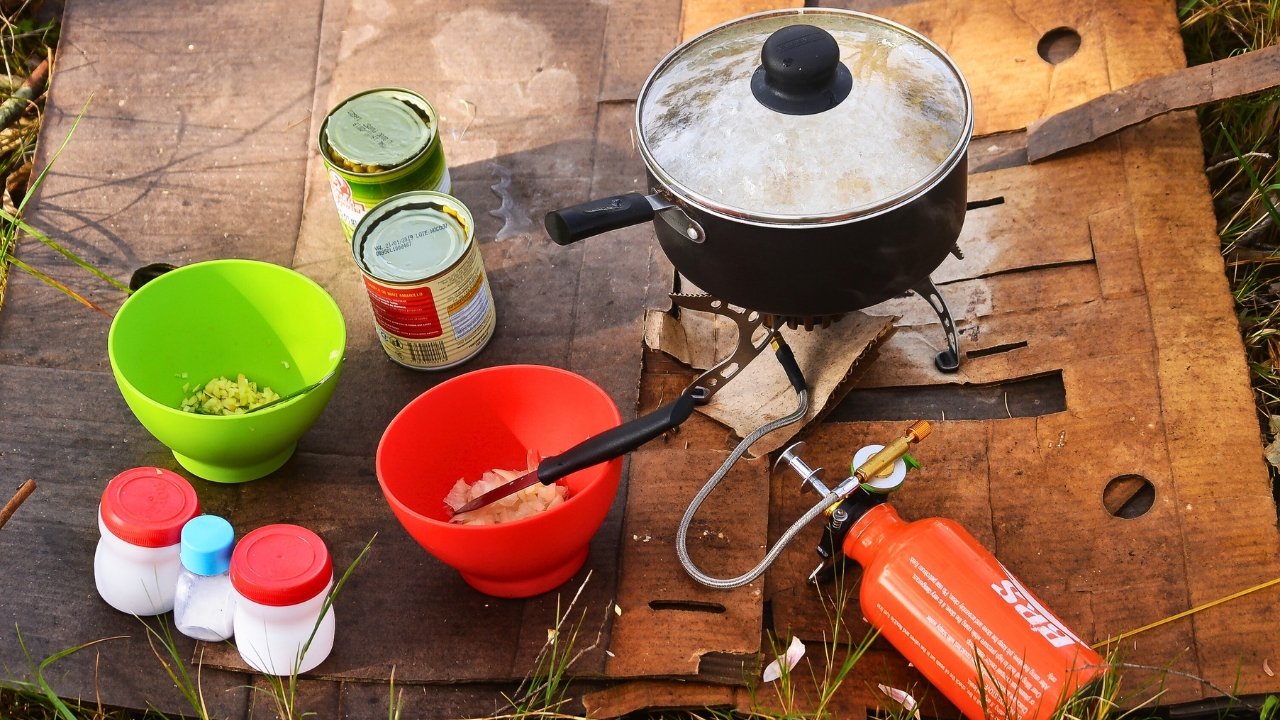
Camp cooking doesn’t need to be fancy, but it does need a little discipline. Some guys can cook a full meal and leave the place barely touched. Others manage to spread grease, wrappers, utensils, seasoning, open containers, dirty surfaces, and half-used ingredients over every available inch like they’re trying to recreate a kitchen explosion in the woods. Then once the food’s done, they drift away toward the fire as if the cleanup part belongs to the air.
Now somebody else is scraping pans, consolidating leftovers, wiping down surfaces, and keeping raccoons from inheriting the whole operation. Cooking at camp already takes effort. Making the aftermath worse than it needs to be is a fast way to make yourself unpopular. A man who cooks like a tornado and cleans like a ghost is basically turning supper into a two-man job for everybody except himself.
He Burns Through Shared Supplies Like He Paid for None of It

Every camp has shared items. Ice, firewood, propane, soap, paper towels, drinking water, fuel, maybe a few common snacks or meals everybody’s counting on. Then there’s the guy who uses those things with the casual wastefulness of a teenager in someone else’s garage. He burns lights all night, uses a yard of paper towels for one little spill, leaves the cooler open while he thinks, and grabs the easiest firewood without ever gathering more.
That kind of behavior puts the whole group behind. Shared supplies aren’t infinite, especially once you’re out there and replacement means time, money, or a drive nobody wanted to make. When one man treats camp resources like they magically refill, someone else has to do the work of stretching, replacing, or managing the shortage. That may not sound dramatic, but enough waste turns into real extra effort fast, and camp remembers who caused it.
He Never Closes Anything Up
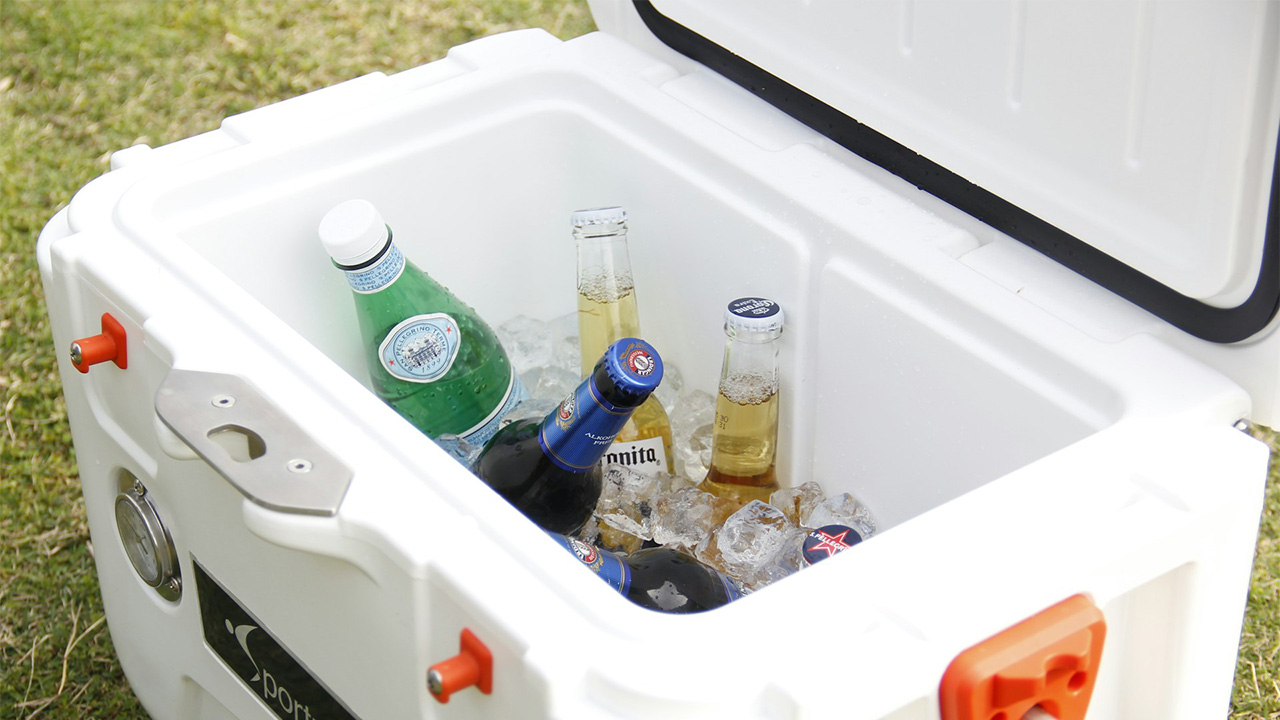
Cooler lid stays open. Truck door stays cracked. Tackle box sits open on the bench. Food container left unsealed. Tent flap left loose. Tool bag half-zipped in case the wind wants first pick. Some men move through camp like things naturally finish themselves after being used. They don’t close, latch, seal, or secure much of anything unless somebody reminds them.
That habit creates work in every direction. Ice melts faster, food gets warm, gear gets wet, dust gets in, things blow away, critters get interested, and whatever should’ve been protected now needs somebody else to fix the situation. Camp has enough natural little headaches without a grown man leaving every opening open for more of them. A guy who never closes things up creates problems that multiply while he’s already moved on to the next place he plans to leave half-done.
He Tries to Help by Rearranging Everything
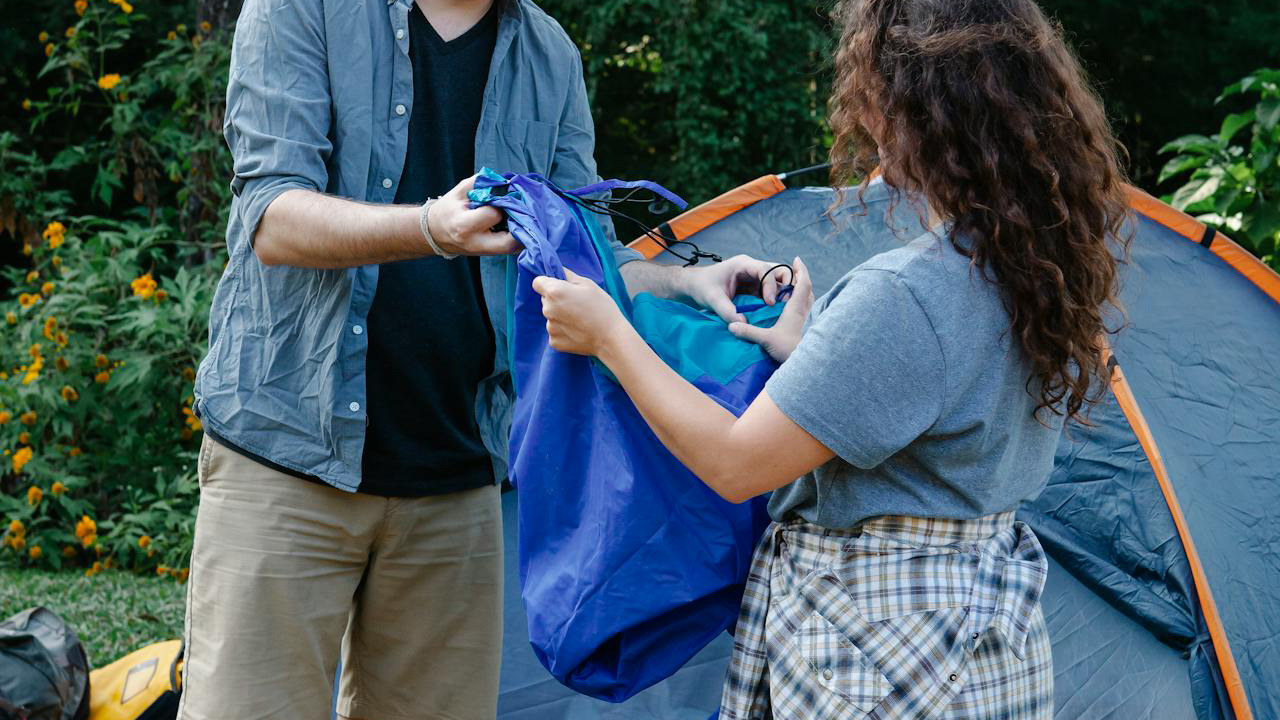
There’s a special kind of camp helper who means well and still makes life harder. He starts “organizing” coolers, moving tools, shifting food, consolidating gear, or tidying up setups he doesn’t understand. Now the things that used to be where people expected them are in new mystery locations only he knows about, and everybody else has to relearn the camp because one man got ambitious without asking a single question first.
Good help usually means improving the system that already exists, not inventing a new one in the middle of the trip. Rearranging shared camp stuff without knowing the flow is one of the fastest ways to make every future task more annoying. People reach for what should be there, it’s gone, and now the whole camp spends time solving a problem that didn’t exist until he decided to “clean up.” That kind of helpfulness has put a lot of men one step away from being banned from the cooking table.
He Can’t Keep Track of His Own Stuff
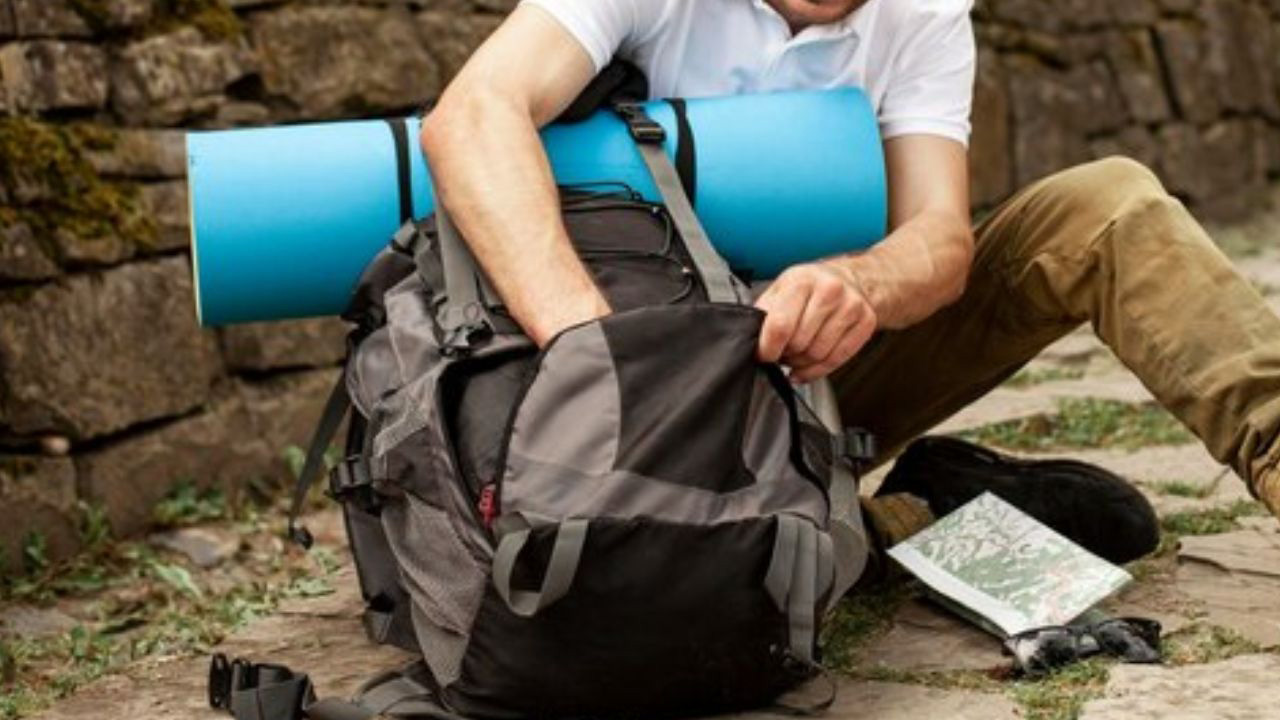
Every trip has enough moving parts without one man losing his personal gear every few hours. Headlamp disappears. Gloves vanish. Phone’s gone again. Pocketknife’s missing. He’s looking for his keys, then his hat, then the battery pack he swears he just had. By the end of the day, half the camp has been recruited into searching for objects he misplaced because he has no real habit of putting anything in the same place twice.
That creates work because disorganized people create interruptions. Somebody stops cooking to help look. Somebody with a flashlight searches a dark truck bed. Somebody gives up their own gear for the night because he can’t find his. Personal disorder rarely stays personal for long at camp. If a man can’t keep his own small setup straight, he ends up drafting everyone around him into the consequences. That may not be intentional, but it sure gets old like it is.
He Talks Through Work Instead of Doing It
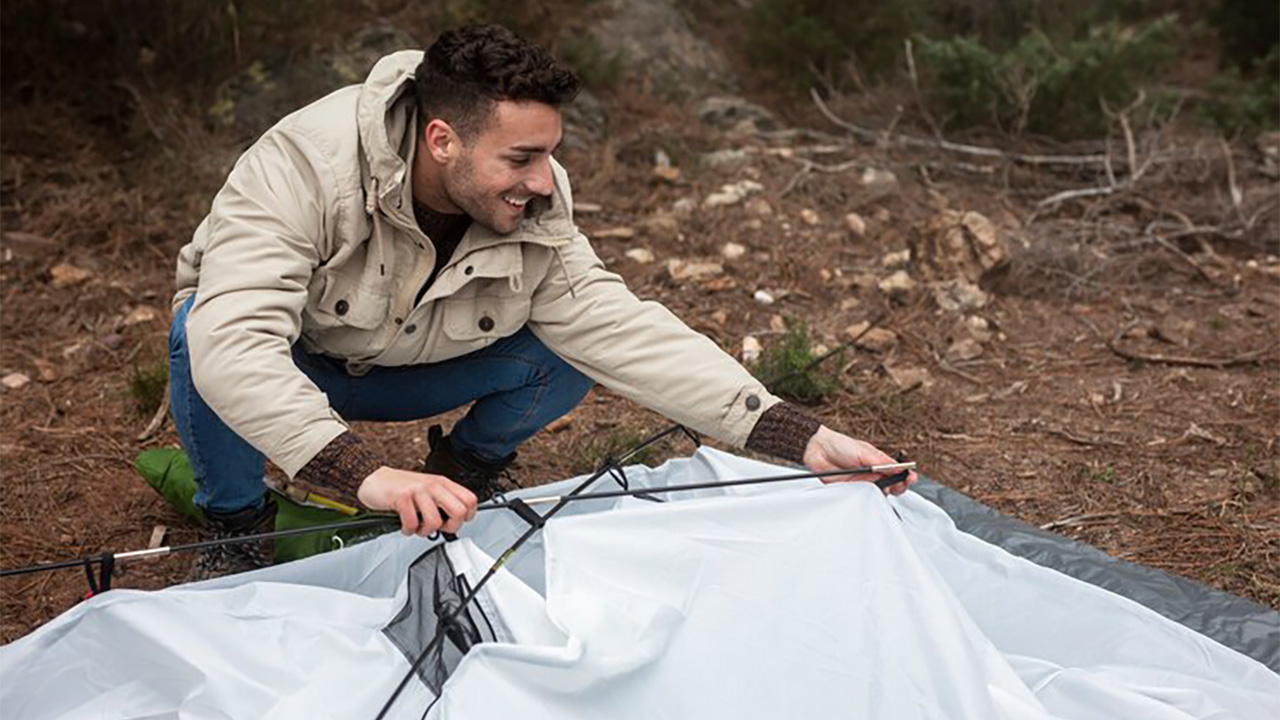
There are men who will spend ten minutes discussing the wood pile instead of adding to it. They’ve got opinions, theories, memories, and side stories for every simple camp chore, but somehow their hands stay clean while the rest of the group is actually getting things done. They’re not always lazy in the obvious sense. Sometimes they’re just committed to making sure every task gets enough commentary to feel longer than it is.
That kind of talk-heavy behavior makes everybody else work harder because real progress gets delayed while one man enjoys hearing himself warm up. Camp works best when talking and doing can happen together, not when the talking replaces the doing entirely. If a guy always has time to explain what should happen but never seems positioned to make it happen, he becomes dead weight with a soundtrack. Every camp has met that guy, and no camp has ever gotten easier because he showed up.
He Acts Like Cleanup Is for Whoever Cares the Most
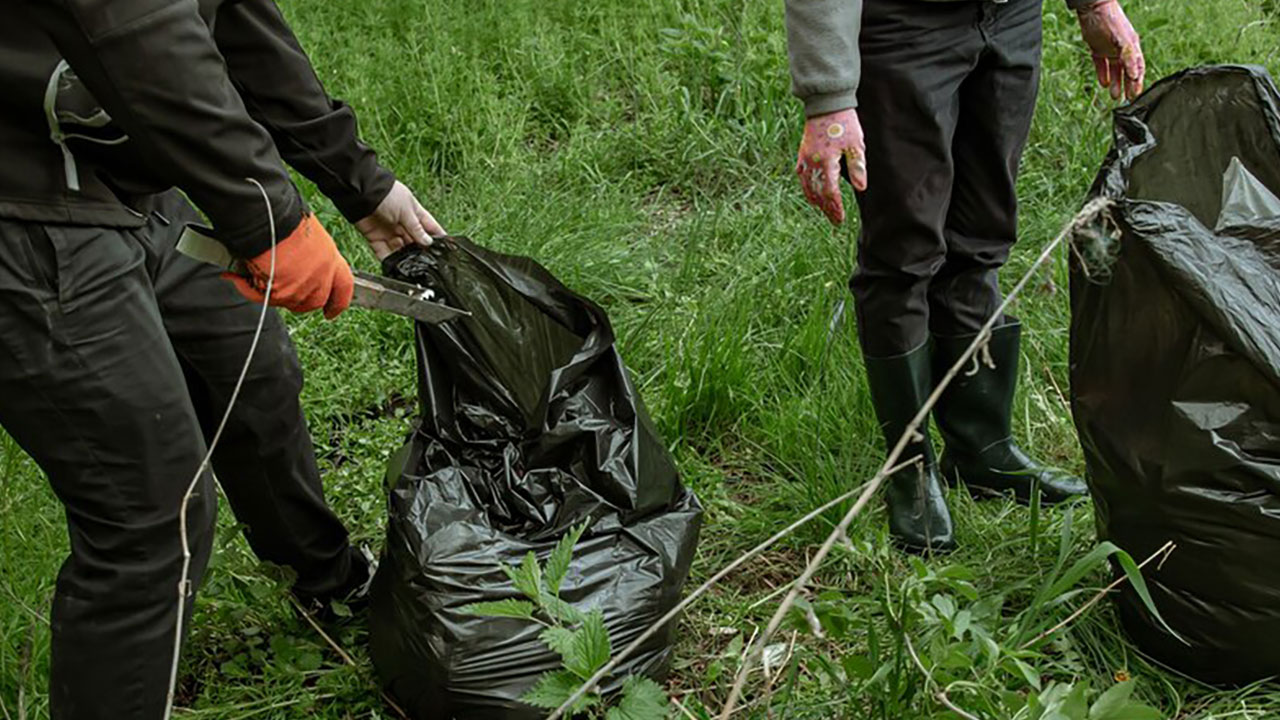
This is probably the oldest camp sin there is. A meal ends, a work session wraps up, the night starts slowing down, and one guy just sort of evaporates before the cleanup part begins. He enjoyed the fire, the food, the chair, the light, the tools, and the general comfort of camp life, but once it’s time to wipe things down, bag trash, put away gear, secure food, and get the place reset for morning, suddenly he’s nowhere useful to be found.
What that really means is he’s handing the least fun part of camp to whoever still has enough standards to deal with it. That’s a rotten trade. A man who regularly disappears for cleanup is telling the whole group that he likes the benefits of shared effort more than the burden of contributing to it. Over time, that creates real resentment, because everybody knows exactly who’s helping camp run and who’s just camping inside other people’s labor.
Like The Avid Outdoorsman’s content? Be sure to follow us.
Here’s more from us: