
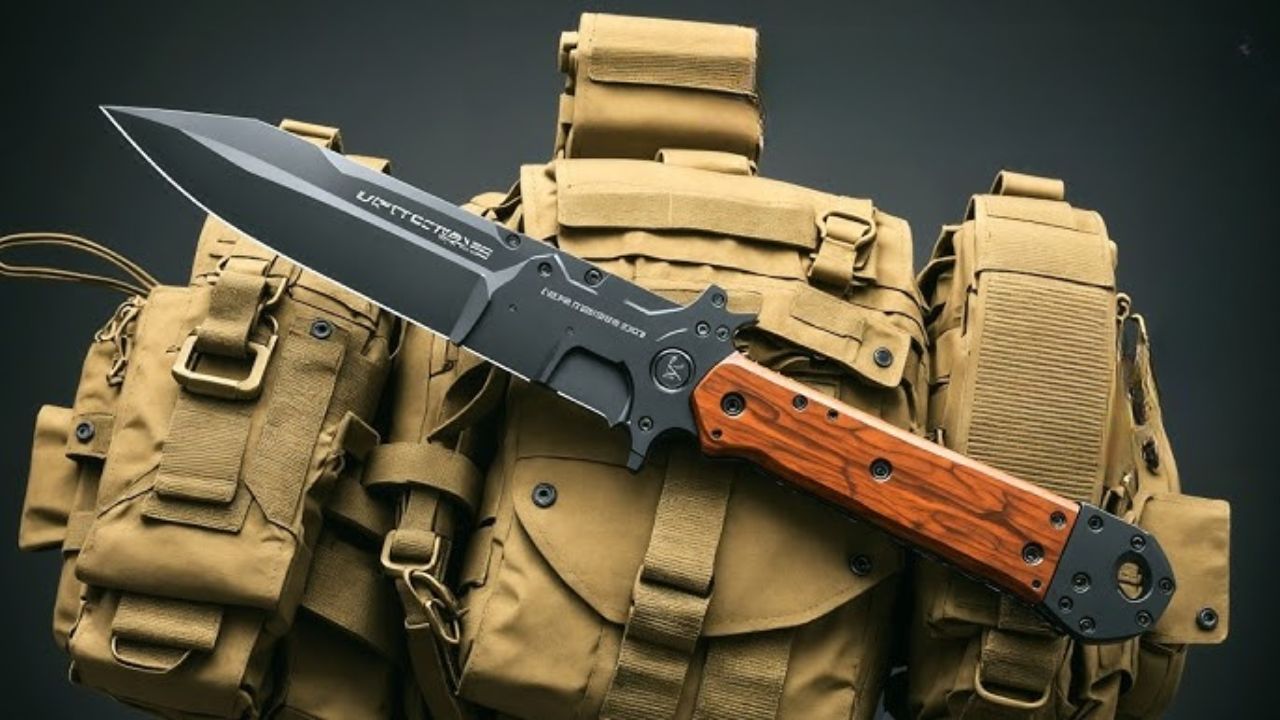
Photo credit: Survival Gear/YouTube
A “tactical” look is cheap to manufacture. Black coating, serrations, a glass-breaker, a skull on the clip—none of that tells you what the steel is, how the heat treat was done, or whether the lock and hardware are built to take real daily work. The knives on this list usually fail the same ways: soft steel that rolls fast, screws backing out, gritty actions, locks that develop play, and handles that feel fine until you actually bear down on them.
To be fair, some of these have decent examples floating around. But these are the kinds of knives that consistently get people burned when they buy based on looks. If you want a knife for real use, you’re better off paying for steel, heat treat, and solid construction—not “operator styling.”
MTech USA “tactical” folders

MTech is the classic “looks the part” trap. You’ll see aggressive profiles, coated blades, and a lot of features crammed into a low price. The steel is usually on the soft side, so edge retention tends to be rough even with light cutting. Combine that with inconsistent fit and finish, and you end up with a knife that feels loose sooner than it should.
The other issue is hardware and pivots. These knives often arrive needing adjustment, and even then they can develop blade play or gritty action after normal pocket carry. They’re fine as a beater you don’t care about, but if you need reliability, they’re one of the easiest “tactical-looking” mistakes to make.
Tac Force spring-assisted folders

Tac Force sells a ton of knives because they look bold and feel snappy in the hand. That spring assist gives you a satisfying flip, and the styling screams “duty knife.” The problem is the internals and lock quality aren’t built for long-term abuse, and the steel usually isn’t something you’re going to trust for serious cutting.
A common failure mode is loosening over time—pivot screws backing out, assist mechanisms getting gritty, and locks developing play. When you’re actually using a knife hard—cardboard, zip ties, rope, light wood—you notice how fast the edge degrades and how quickly the whole thing starts feeling sloppy.
Frost Cutlery “tactical” lines
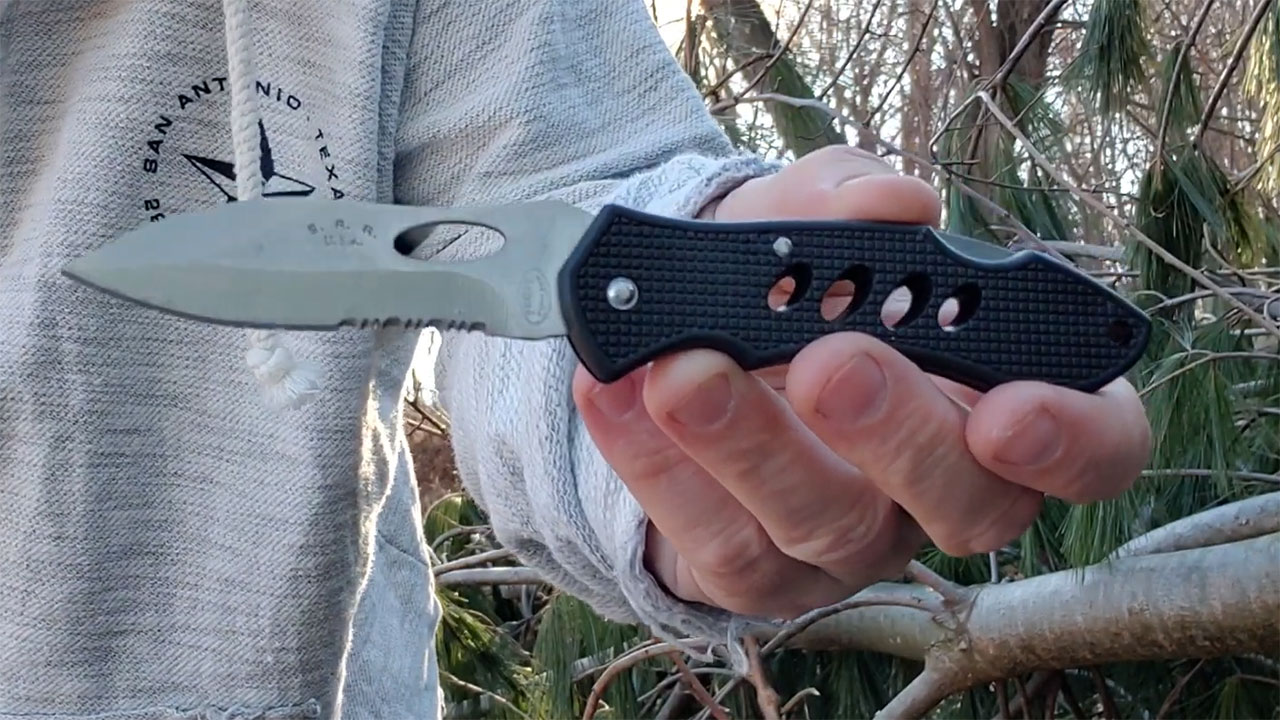
Frost has put out a lot of budget knives with tactical styling, and the quality is all over the place. The look can be convincing—coated blades, heavy grinds, and big handles—but the steel and heat treat are usually the weak link. You’ll get an edge that seems sharp at first, then rolls or loses bite fast.
The bigger problem is confidence. When a knife is inconsistent, you never fully trust it. One might be “fine,” and the next might have rough lockup, uneven grinds, or hardware that doesn’t stay tight. If you’re buying a tool for field use, inconsistency is basically the same as failure.
Generic “USMC” / “tactical rescue” gas-station folders
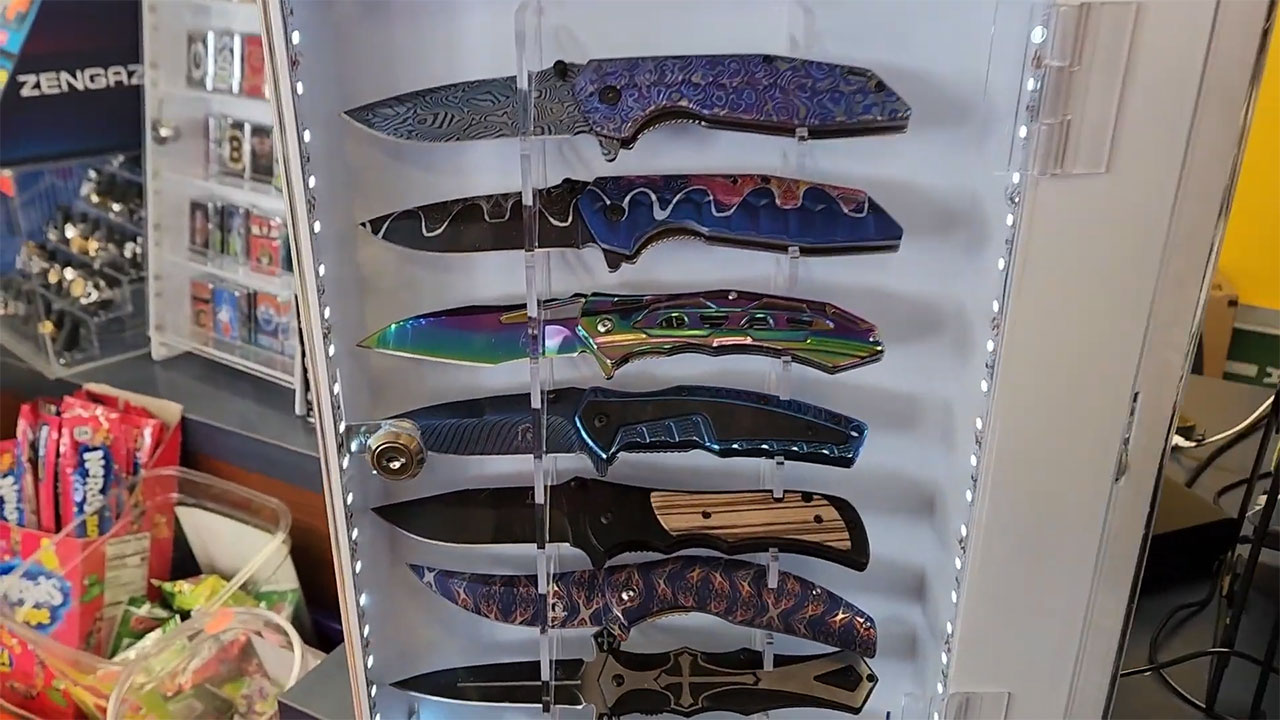
These are the knives that show up at checkout counters and truck stops with heavy branding and a pile of features. Partially serrated blades, seatbelt cutters, glass breakers, big flippers—everything looks useful. In reality, they’re usually made to hit a price point, not to survive years of work.
They tend to have soft steel, rough pivots, and locks that aren’t confidence-inspiring. The “extras” become dead weight, and the core stuff—edge retention, lock strength, hardware—comes up short. If it’s marketed more like a novelty than a tool, that’s usually exactly what it is.
Smith & Wesson extreme-budget “tactical” folders
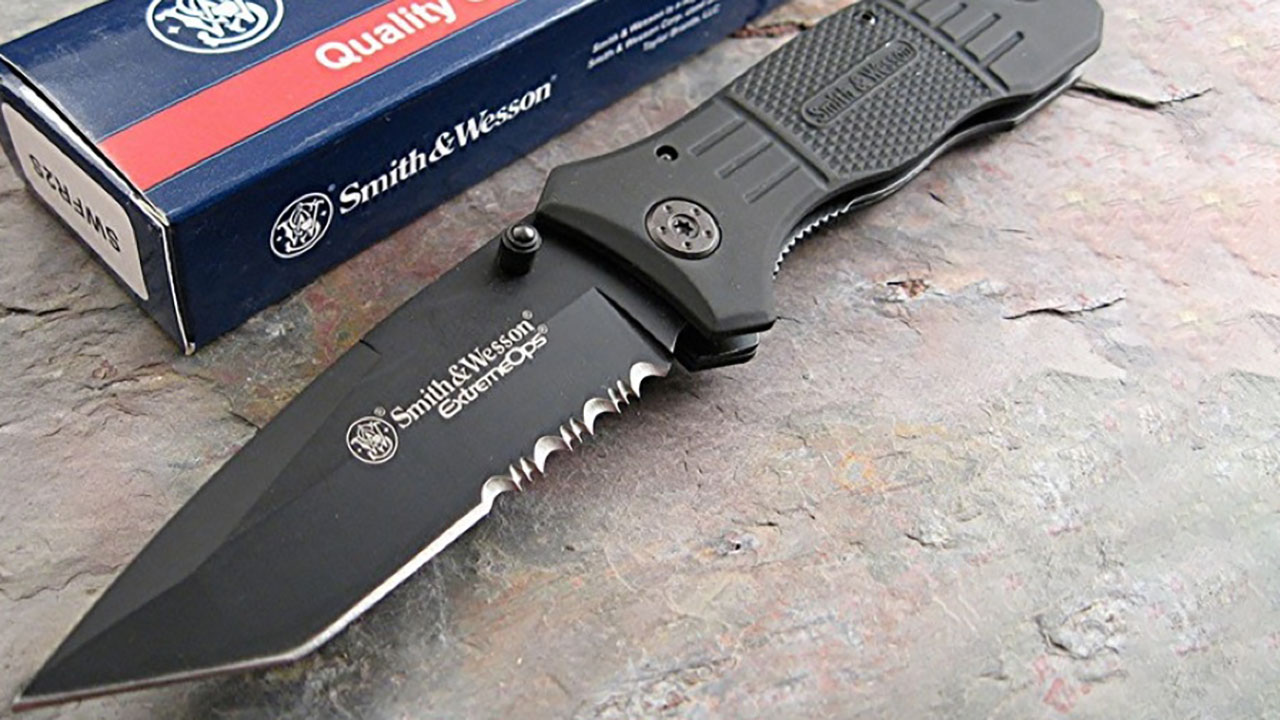
Smith & Wesson-branded knives can be a mixed bag, but the ultra-budget tactical folders are where people get disappointed. They look serious and often feel solid in hand on day one. After a couple weeks of cutting and pocket carry, you start seeing the usual: loose pivots, edge rolling, and coatings wearing in ugly ways.
The frustrating part is they’re close to being decent if you don’t ask much of them. But most buyers pick them because they want a tough knife. If your expectation is “reliable daily cutter,” these models tend to end up in a junk drawer faster than buyers expected.
United Cutlery “tactical” budget models

United Cutlery is better known for display pieces and branded blades, and their cheaper tactical folders often carry that same vibe—cool factor first, tool second. You’ll get bold designs and aggressive grinds, but the steel and build usually don’t hold up to sustained real-world use.
When you cut dirty material, hit staples in cardboard, or do any twisting/torque you shouldn’t do with a folder, weaknesses show up fast. A good work knife forgives small mistakes. These tend to punish them—edge damage, loose hardware, and lock wear that makes the knife feel tired early.
BudK / mail-order “tactical” specials

BudK-style knives are a whole category: flashy photos, wild styling, rock-bottom prices. Some are fine as novelty beaters, but the tactical-looking folders and fixed blades often cut corners in the stuff that matters—steel, heat treat, tang construction, and handle attachment.
The field problem is that they don’t fail in a clean, predictable way. Screws strip. Handle scales loosen. Edge retention is inconsistent. If you’re going to carry a knife daily, you want boring reliability. These are the opposite: exciting on arrival, disappointing over time.
“Rainbow Ti” / flashy coated tactical folders

If a knife’s main selling point is the coating, pay attention. Flashy finishes can be fun, but cheap coatings chip and scratch quickly, and they sometimes hide rough grinds or uneven bevels. The knife looks cool under store lights and then looks trashed after normal carry.
Functionally, many of these are built around low-cost liners and hardware, with the same soft-steel problem. The coating doesn’t make the knife tougher—it just makes the first month of wear more obvious. A tool knife should earn wear honestly. These usually just shed it.
Oversized “tanto” budget folders with thick handles

Big tantos look tough. A thick spine and a blocky tip feel like you’re holding a pry bar. In practice, a lot of these budget tantos are ground poorly and cut like a wedge, which makes normal use harder than it should be. You end up using more force and putting more stress on a knife that isn’t built for it.
Then the handle becomes the second problem. Many of these have sharp edges, hot spots, and aggressive texturing that tears pockets and chews hands. The knife is “tactical” in shape, but not in function. A real working knife should cut clean and carry comfortably.
Cheap karambit-style “tactical” folders

Karambit-style knives look serious and grab attention, but the cheap folder versions are often built around gimmicks. The ring, curved blade, and wave-style openers make people feel like they’re buying capability. Most owners end up with a knife that’s awkward for normal cutting and built with mediocre steel and questionable locks.
If you actually use one for daily tasks—boxes, cord, food prep in camp—it’s a pain. And if it’s cheaply made, the unusual stresses on the blade and lock show up sooner. It’s a lot of “look” for not much real utility.
“Rescue” knives overloaded with tools
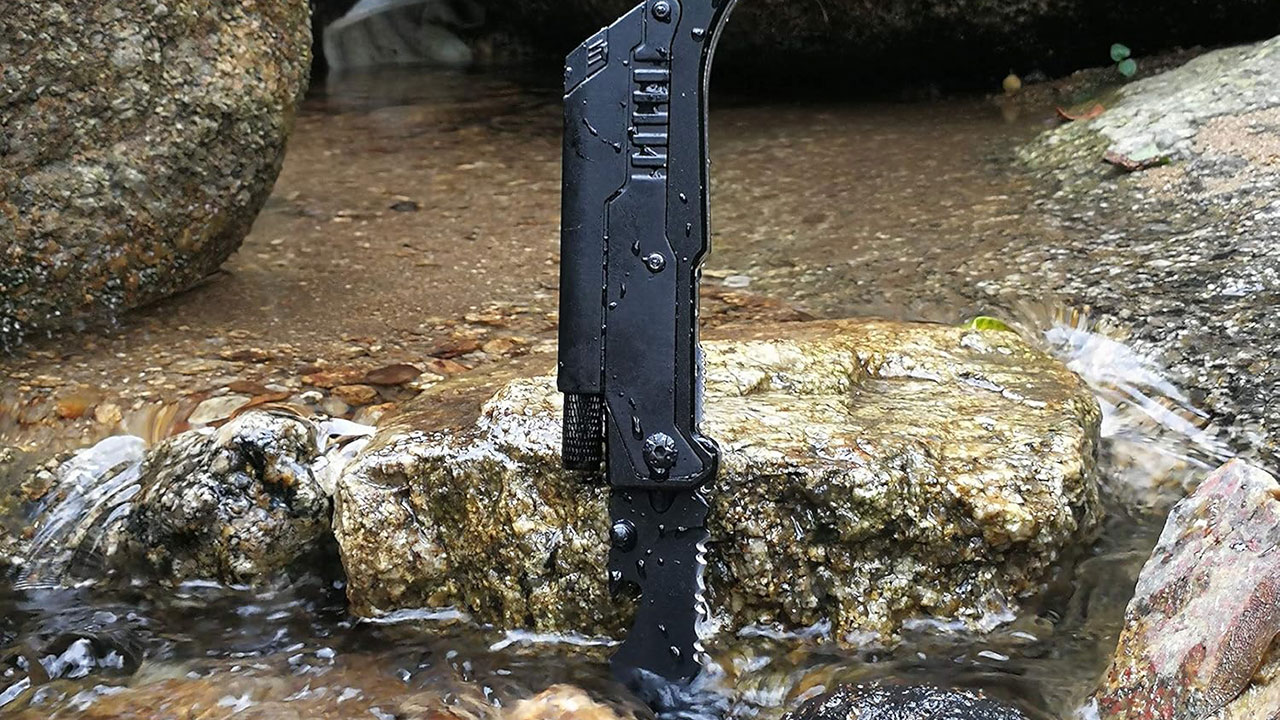
The rescue-knife look is basically tactical marketing: half serrations, glass breaker, strap cutter, thick handle, big logos. The trouble is those add-ons don’t matter if the base knife is junk. A strap cutter you never use doesn’t make up for a blade that won’t hold an edge.
Many of these also have terrible geometry—thick behind the edge and ground in a way that fights cutting. You get tearing instead of slicing, which means you push harder, which means you stress the lock and pivot more. It becomes a cycle: poor cutting drives harder use, and harder use exposes poor construction.
Ultra-cheap “frame lock” folders with thin frames

Frame locks can be great when they’re done right. When they’re done cheap, you get thin lock bars, weak springs, poor lock geometry, and lock stick or inconsistent engagement. The knife might feel solid for a week, then you start noticing the lock face wearing and the blade developing side play.
That’s not a “maybe” problem. A lock is the whole point of a folder being safe to use. If a knife’s lock feels sketchy, you stop using it hard—which defeats the purpose of carrying it as a tool in the first place.
Mall-ninja fixed blades with hollow handles

Hollow-handle “survival” knives look like they belong on a chest rig. The truth is the handle construction is often the weak link, especially with cheap models. You’re relying on a narrow tang connection, thin hardware, and a handle design that’s more about storage space than strength.
In the field, they tend to loosen, rattle, or fail when you do anything beyond light cutting. People buy them thinking they’re getting a hard-use fixed blade. What they’re really getting is a display piece that happens to have an edge.
Extremely cheap “full tang” fixed blades that aren’t actually full tang

Some budget fixed blades are marketed as full tang when they’re really partial tang, rat-tail, or a thin tang hidden under thick scales. The knife feels substantial in the store because the handle is bulky. Then you start batonning light kindling or twisting through cartilage while dressing game, and things flex or loosen in ways that shouldn’t happen.
A real field fixed blade should be boringly strong. If the maker isn’t transparent about tang construction, or the price is suspiciously low for the materials claimed, assume corners were cut. That’s where you get broken handles, loose pins, and failures that ruin a hunt.
Like The Avid Outdoorsman’s content? Subscribe to our newsletter so you never miss an article.
Here’s more from us:


