Photo credit: The Avid Outdoorsman
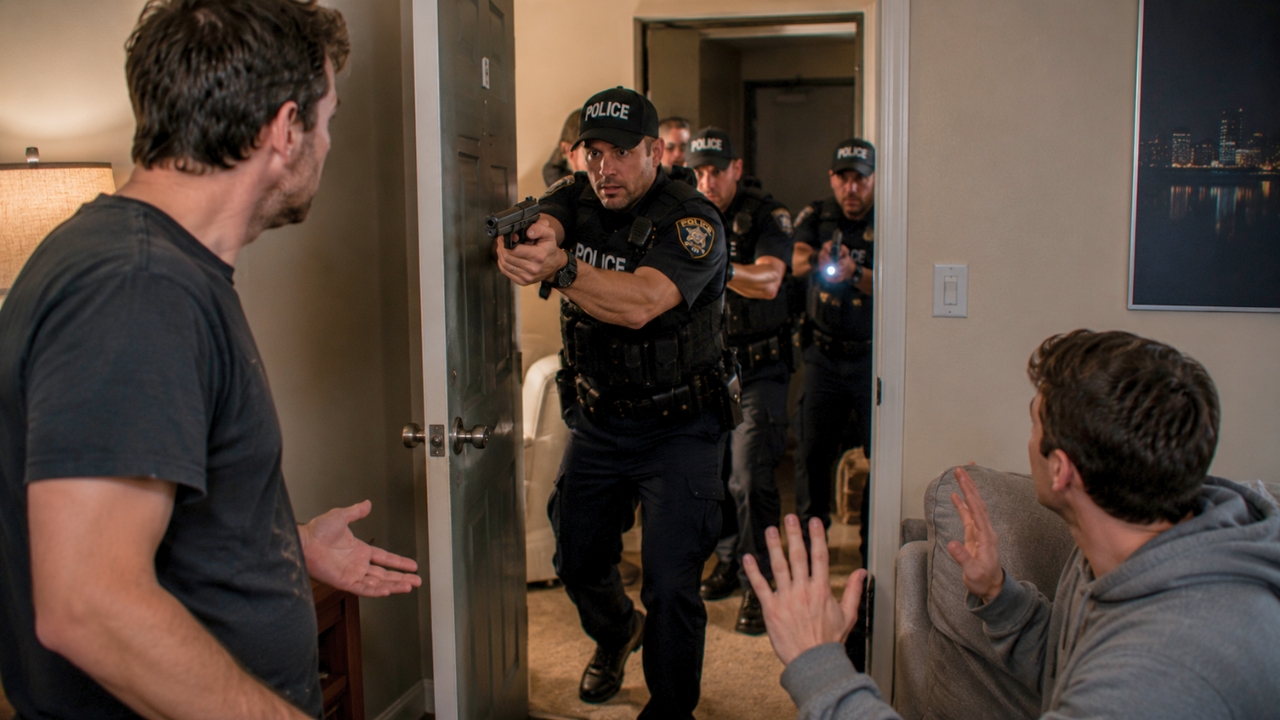
The man said the situation happened at a friend’s apartment, and the part that bothered him most was not just that police came inside. It was how they came inside.
According to the Reddit post, officers entered the apartment without announcing themselves first. That detail immediately raised the concern sitting underneath the whole story: what if someone inside had thought it was a break-in?
The original Reddit post can be found here: https://www.reddit.com/r/legaladvice/comments/19cedyf/cops_entered_my_friends_apartment_without/
In an apartment, unexpected entry can be terrifying. People are often half-asleep, distracted, showering, cooking, watching TV, or walking around without any idea someone is about to come through the door. If the people entering do not announce that they are police, the person inside may not process what is happening until the moment is already tense.
That is why the poster focused on the gun question. If his friend had owned a firearm, or if someone inside had grabbed one thinking strangers were breaking in, the whole encounter could have gone sideways before anyone had a chance to explain. Police may know why they are there. The person inside does not.
The post did not read like someone trying to defend reckless behavior. It read like someone trying to understand the rules. Are police allowed to come into an apartment without announcing themselves? Does it matter why they were there? Does it matter whether the door was unlocked, open, or opened by someone else? And what can a tenant do afterward if they believe officers entered improperly?
That uncertainty is what makes wrong-door or unannounced-entry situations so dangerous. The law may turn on details that are not clear in the moment: consent, emergency circumstances, a warrant, a call for help, probable cause, or whether officers reasonably believed someone inside was in danger. But the person startled in the apartment is not thinking through legal exceptions. They are reacting to footsteps and strangers inside their home.
The poster’s worry was practical. If police do not identify themselves before entering, they create a situation where innocent people may react out of fear. That can end badly for everyone, especially in a country where many people legally own firearms for home defense.
There was also the apartment angle. Unlike a single-family home, apartment buildings can be confusing. Units look alike. Hallways repeat. Numbers can be misread. Officers may be responding to a call in one unit and end up at the wrong door. That makes announcing even more important, not less.
The post did not include a neat ending where a supervisor apologized or a lawsuit was filed. It captured the uncomfortable aftermath: people inside the apartment felt the entry was wrong, and the poster wanted to know what could be done before the same kind of mistake put someone in danger.
Commenters focused on the missing facts. Several said the legal answer would depend on why police entered. If officers had a warrant, emergency call, or reason to believe someone was in danger, that could change the analysis. If they simply walked in without consent, warning, or legal basis, that would be a much bigger problem.
Others told the poster that the friend should write down everything while it was fresh. That included the time, what officers said, whether they knocked, whether they announced themselves, how they entered, and whether anyone gave consent. If there was doorbell camera footage or apartment hallway footage, commenters said to preserve it quickly.
Some suggested filing a complaint with the police department or asking for a supervisor to review the incident. Even if nothing dramatic came from it, a formal complaint could create a record and possibly clarify why officers believed they were allowed to enter.
A few commenters warned against turning the situation into a hypothetical gun confrontation with police. They understood the concern, but their advice was to handle the actual facts first: what happened, what authority officers claimed, and whether the entry violated the tenant’s rights.
Still, the gun question was hard to ignore. If someone enters a home without making it clear they are law enforcement, they risk being mistaken for an intruder. The poster’s concern was not that anyone wanted a confrontation. It was that a few seconds of confusion could be enough to create one.
Like The Avid Outdoorsman’s content? Subscribe to our newsletter so you never miss an article.
Here’s more from us: