

Photo credit: Serenity Knives
A good field knife isn’t about flexing a brand name or carrying the biggest blade in camp. It’s about control. When you’re tired, your hands are cold, and you’re trying to get clean meat without turning the job into a mess, the knife has to do what you tell it. The blade needs enough belly to open and skin smoothly, a tip that won’t wander, and a handle that stays put when things get slick.
Fixed blades shine here because there’s no hinge to pack with hair and grit, and you can clean them fast. These are 15 fixed blades that make field dressing feel simpler instead of feeling like you’re fighting your own gear.
Buck 102 Woodsman
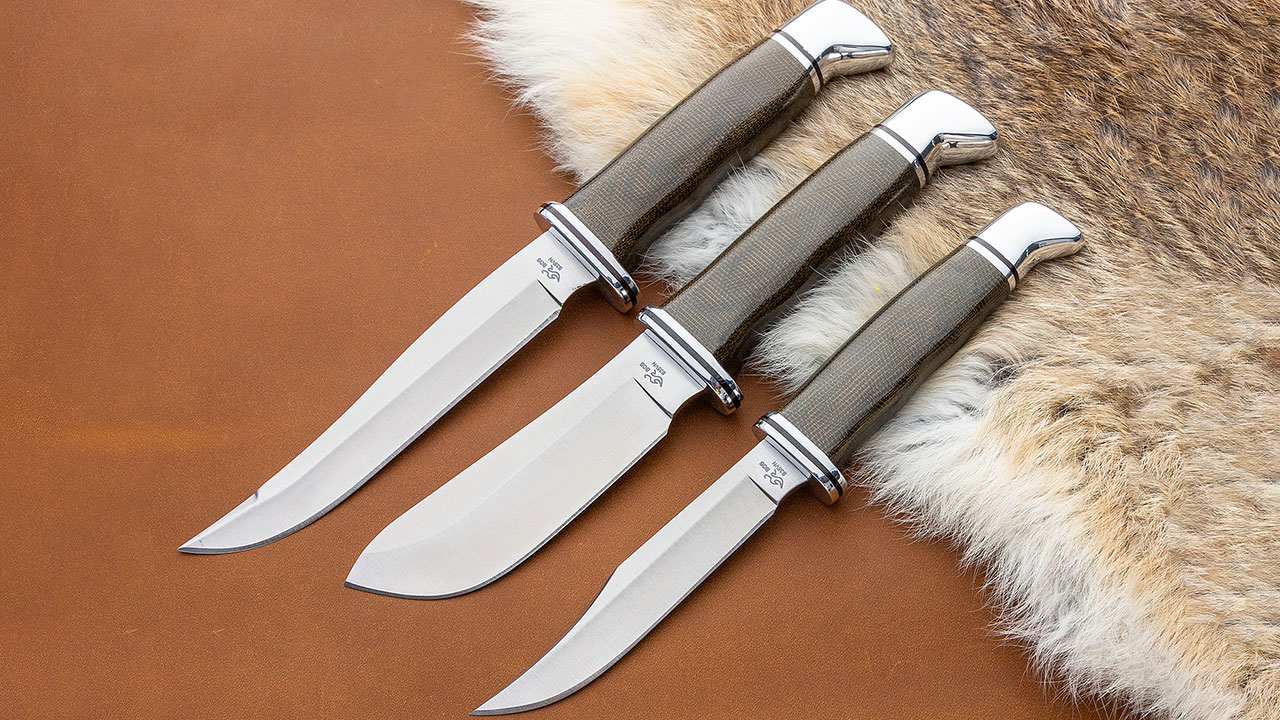
The Buck 102 is a classic “do-it-all” field knife that’s sized right for real work inside an animal. The blade is short enough to stay controlled when you’re working around tender areas, but it still gives you enough cutting edge to open a hide clean and start skinning without constant repositioning. The point is usable without being overly aggressive, so you can work close without that constant worry of poking guts or making a sloppy cut. The handle shape also helps when your hands are wet, because you can choke up and steer it like a scalpel. It’s the kind of knife that feels calm in hand, which matters more than people admit when you’re finishing a deer by headlamp.
Buck 113 Ranger Skinner
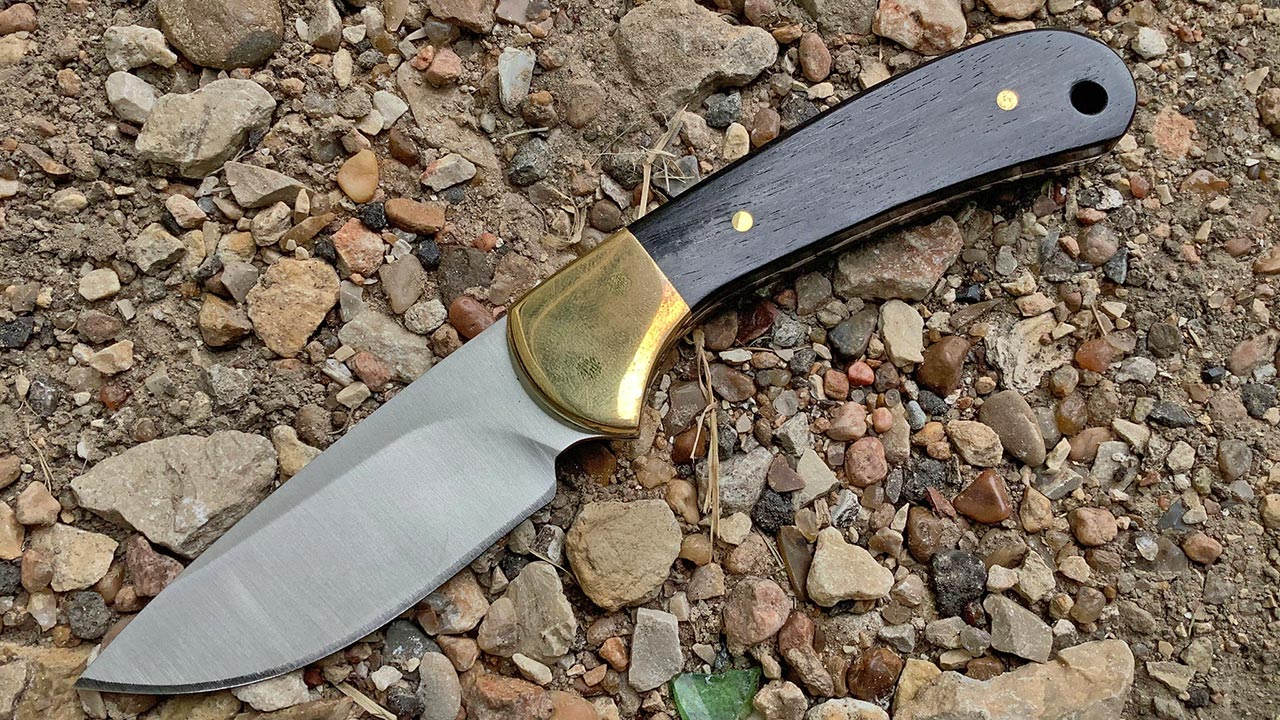
If you want a knife that helps skinning feel smoother right away, the 113 earns its spot. The skinner profile gives you a belly that naturally rides the hide line, so you’re not digging into meat or snagging constantly. That shape also makes it easier to “pull cut” and keep the blade doing the work, instead of using force and tearing things up. The blade length is friendly for deer-sized game, and the handle fills the hand enough to keep control when you’re working fast. This is the kind of knife that makes a difference in the boring parts—brisket, legs, around the neck—where a less ideal blade shape turns every cut into a little fight.
Buck 103 Skinner
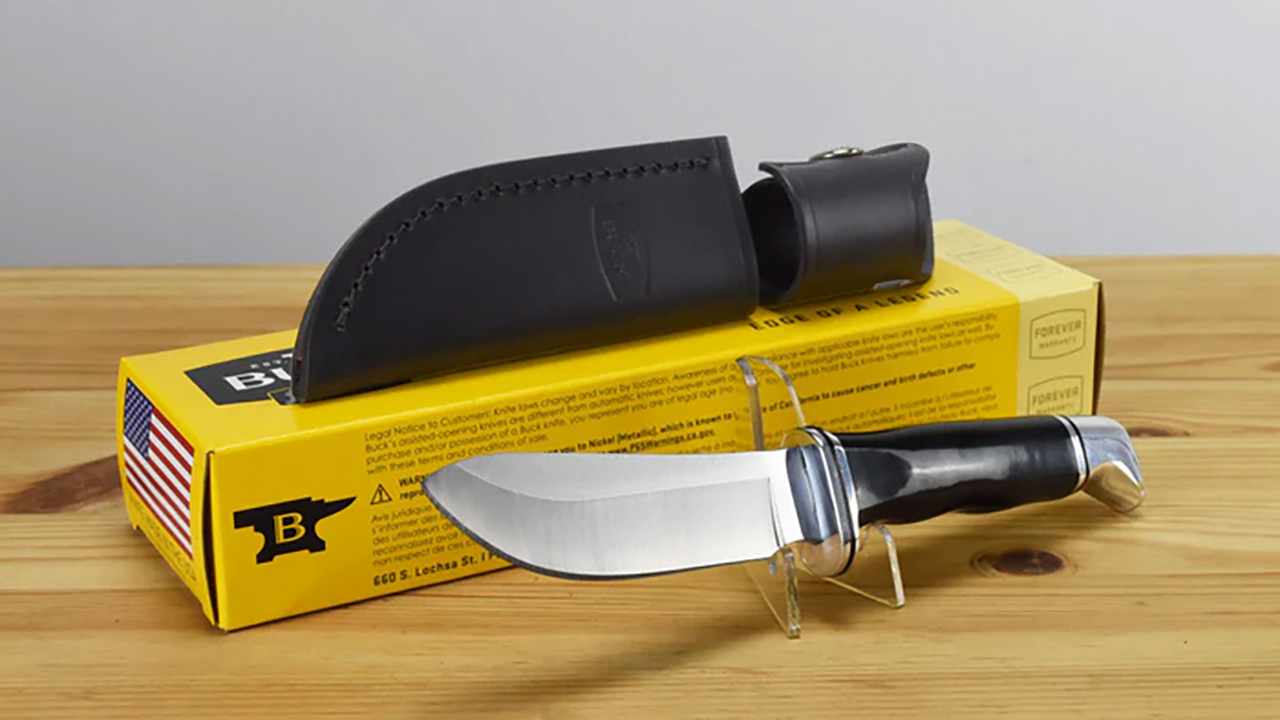
The Buck 103 is a little larger and gives you more reach than the 113, which some guys prefer when they’re doing longer skinning strokes and want fewer resets. It still has that skinner belly that stays on track, and it’s big enough that you can take it from opening cuts straight into skinning without swapping tools. Where it helps most is when you’re trying to keep momentum: once you get a clean line started, the blade shape encourages consistent, smooth cuts that don’t turn into jagged hacks. It’s also nice for breaking down the animal after the initial field dress, because it has enough edge length to handle quartering work without feeling like you brought the wrong tool.
Benchmade Hidden Canyon Hunter
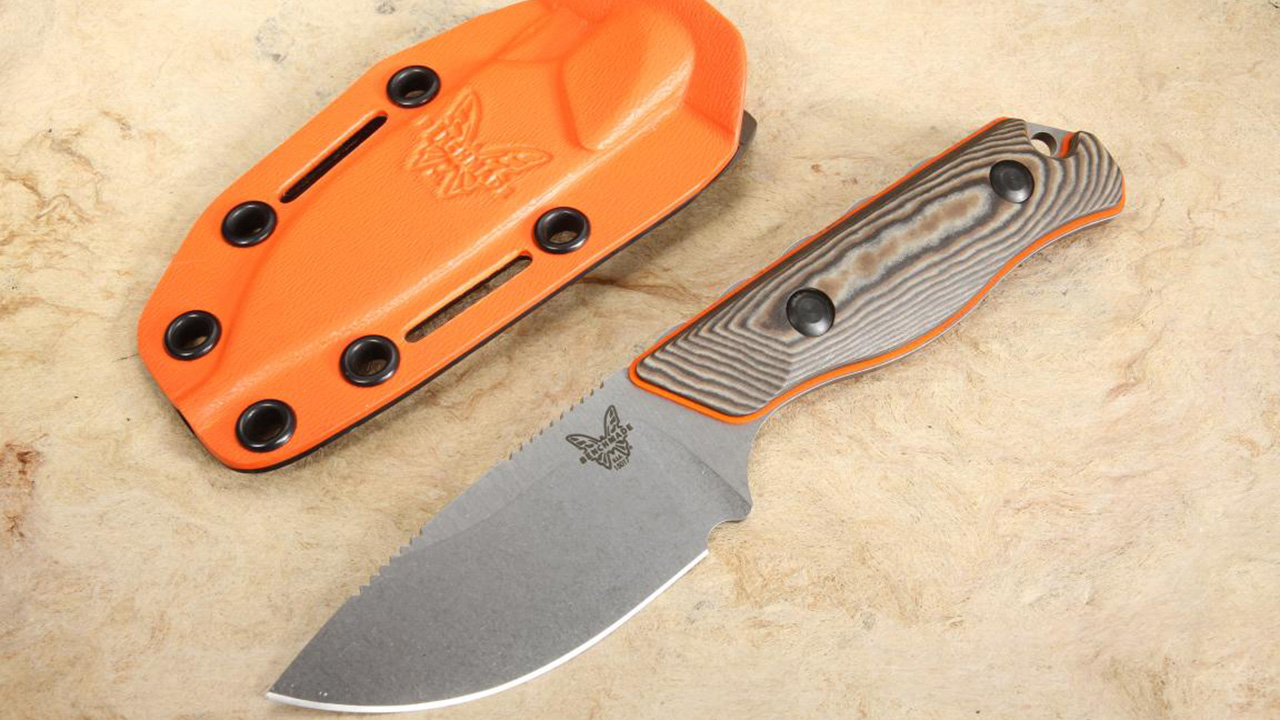
The Hidden Canyon is one of the best examples of a small fixed blade that doesn’t feel “small” in use. The blade shape is built for controlled work, and the handle gives you a secure purchase even if you’re wearing light gloves or your hands are slick. It’s a knife that shines when you’re doing detail cuts: freeing up the anus cleanly, working around joints, trimming membrane, and getting through the tight spots without turning it into a mess. Some people assume a bigger blade makes field dressing faster. In practice, control is what saves time. This is a control knife that still has enough belly to skin, so you’re not stuck doing everything with a straight edge that wants to slip.
Benchmade Saddle Mountain Skinner
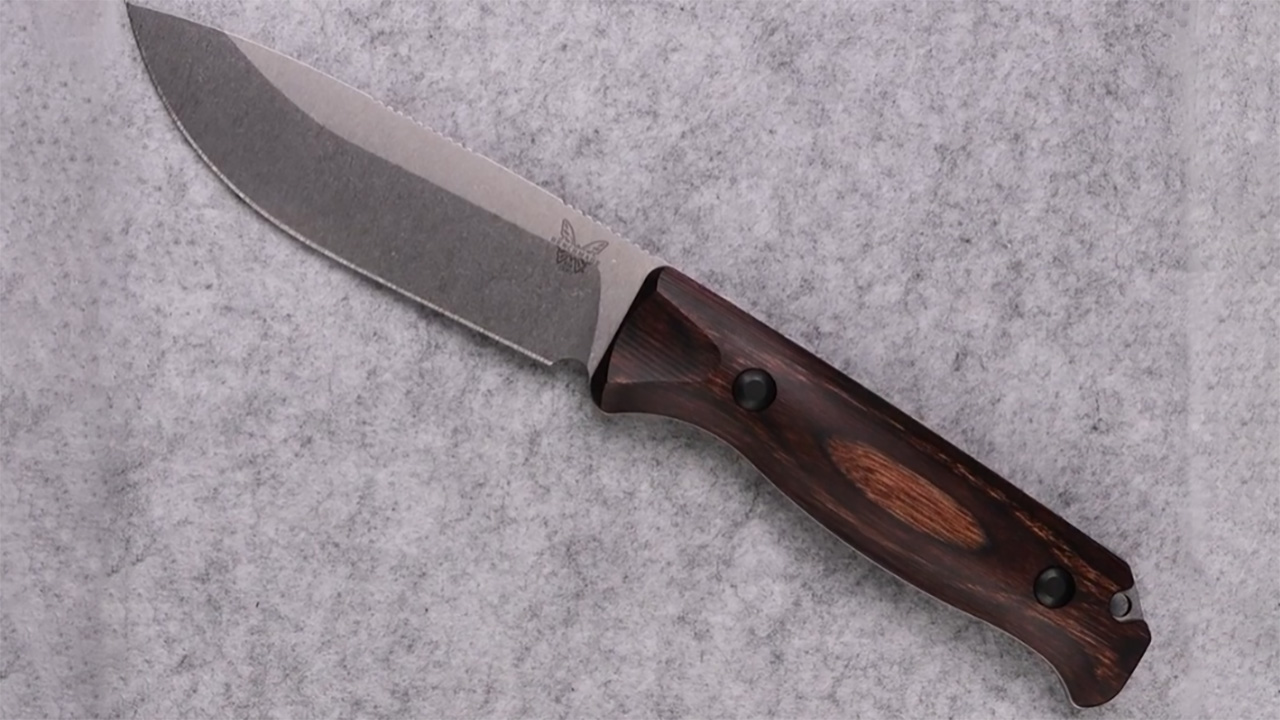
The Saddle Mountain Skinner is built for guys who want a dedicated skinning knife that feels steady and confident. The blade has a useful belly that helps you peel hide without digging, and it gives you more edge length than the small “neck knife” style options. That longer blade can speed things up when you’re skinning a larger deer or working on something like an elk quarter where a tiny blade starts feeling inefficient. The handle is designed for real grip, not just looks, which matters when you’re tired and working quickly. This is a good choice for the hunter who wants one knife that feels like it was meant for the main event, not a backup.
Outdoor Edge SwingBlade (fixed)

The SwingBlade is one of the more practical “two tools in one” designs that actually makes sense in the field. You get a standard belly blade for skinning, plus a gutting blade option that can help open the abdomen cleanly with less risk of puncturing. When the gutting edge is used correctly, it can save you from that ugly moment where the tip dives too deep. It’s also handy when you’re working fast and don’t want to swap between knives or carry multiple tools. The key is staying disciplined: use the right edge for the right cut, clean it when you should, and the system can genuinely make the job more controlled instead of more complicated.
Outdoor Edge RazorLite Fixed (replaceable blade)

Replaceable blade fixed knives can be a cheat code for clean field dressing if you treat them like what they are: a sharp-edge solution that needs smart handling. The RazorLite Fixed gives you a scalpel-sharp edge without needing to sharpen in camp, and that makes hide work feel effortless—especially early in the process when you’re trying to keep cuts clean and avoid hair contamination. The downside is durability compared to a thicker fixed blade, so it’s not the knife you use to pry or twist through joints. Used correctly, it’s excellent for opening cuts, skinning, and fine trimming. The big benefit is consistency: a fresh blade gives you the same performance every time, which keeps the job predictable.
Outdoor Edge LeDuck
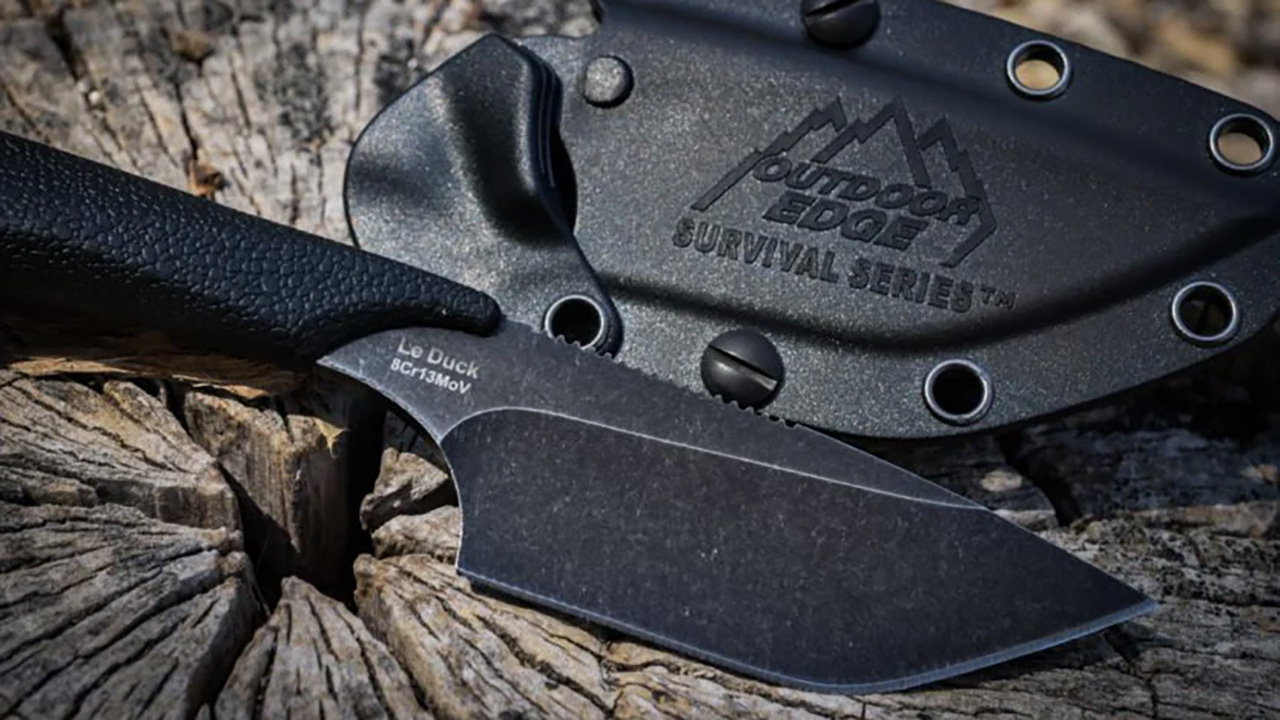
The LeDuck is a specialized knife that does one job extremely well: opening and skinning with control. The narrow, upswept shape helps you stay under hide without digging into meat, and the compact profile makes it easy to keep the blade exactly where you want it. It’s a great tool for birds and small game, but it also earns its keep on deer for the “precision” parts—especially if you’re careful about hair and want clean cuts without tearing. It’s not the knife you use for everything, but it’s the kind of knife that makes you faster because it reduces mistakes. Less slip, less gouging, less cleanup.
Gerber Vital Fixed Blade

The Vital Fixed Blade is built around the idea that field dressing is messy and your knife should be easy to control and easy to clean. The handle ergonomics are one of the biggest reasons people like it—there’s a secure feel that helps when your hands are slick. The blade shape is practical for opening and skinning, and it gives you a nice balance between belly and tip control. It’s also a knife you don’t feel bad about using hard, which matters for a lot of hunters who don’t want to baby their gear. It isn’t the fanciest blade in the world, but it’s designed around real field problems, and that’s why it works.
Cold Steel Pendleton Hunter
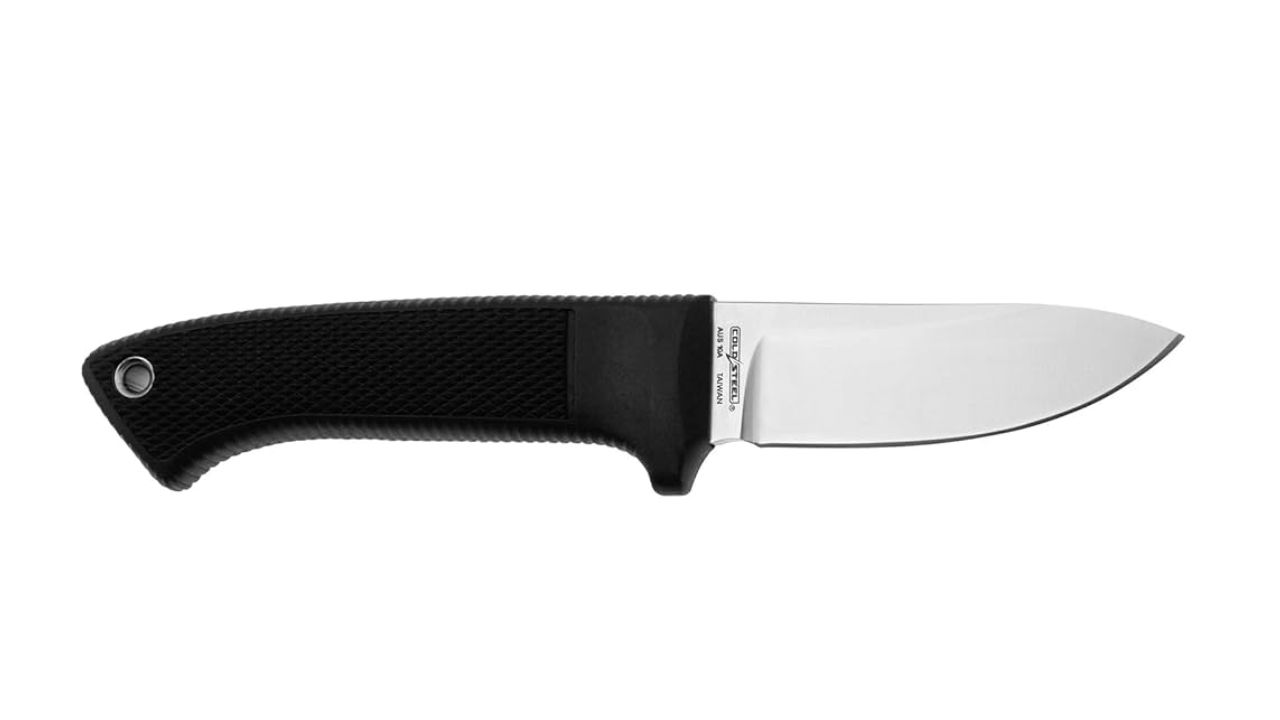
The Pendleton Hunter has a shape that fits field dressing work surprisingly well: compact, controlled, with a blade profile that wants to cut clean instead of snagging. It’s easy to steer, easy to choke up on, and it’s not so long that you feel like you’re working with a mini machete inside a deer. The handle shape helps lock your grip, which is important when you’re doing that careful “lift and slice” work to keep the blade moving the right direction. It’s also a knife that feels quick in hand, which sounds small until you’ve spent an extra 20 minutes fixing bad cuts from a blade that didn’t cooperate.
Cold Steel Master Hunter
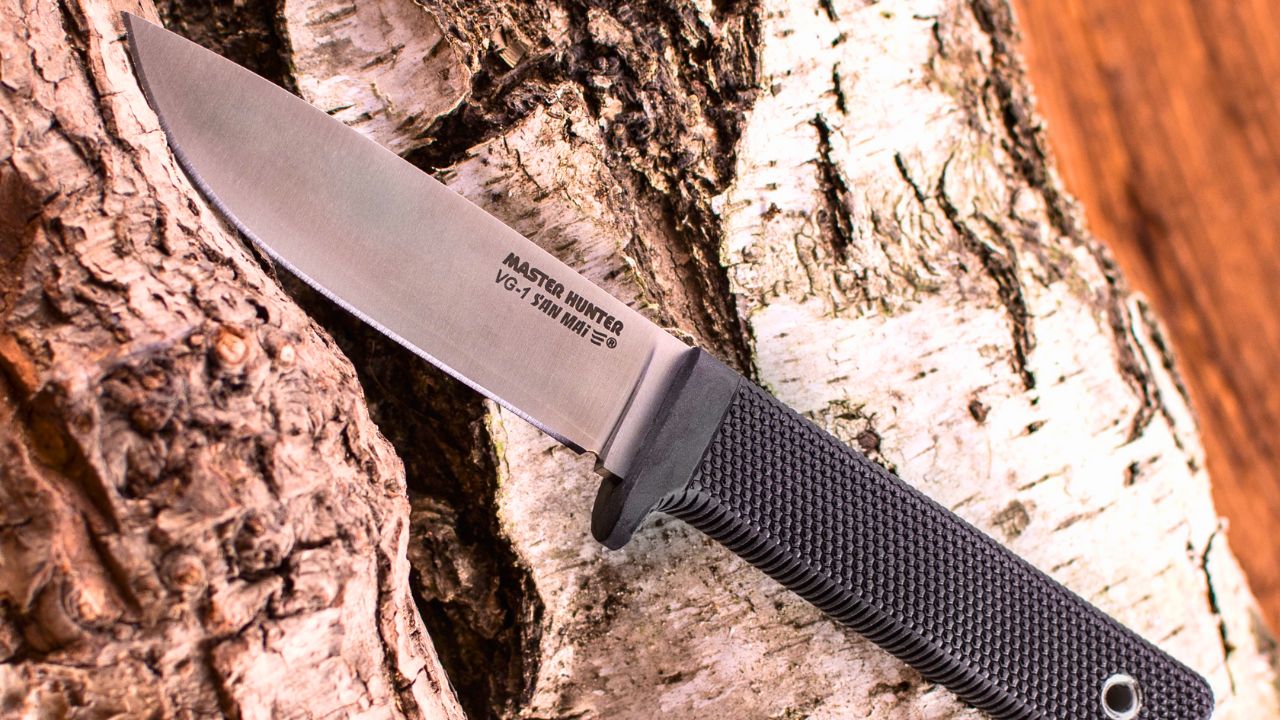
If you want a more robust fixed blade that still handles field dressing cleanly, the Master Hunter is a strong pick. It gives you a little more blade length and a solid handle, so it can move from field dressing to breaking down quarters without feeling underpowered. The blade profile is still practical—enough belly for skinning, enough control for careful cuts—and it’s a knife that feels like it can take abuse without you worrying about it. That confidence matters when you’re working in bad weather or on rough ground and you don’t want to treat your knife like glass. It’s a “one knife does most of the job” option.
Morakniv Companion (stainless)

A Mora doesn’t look like a “big game” knife to some people, but the performance is real. The thin blade geometry bites into hide and tissue cleanly, and that’s a huge advantage when you’re trying to keep cuts controlled. The stainless option is also practical for wet, messy conditions because you’re not stressing about corrosion while you finish the job. The handle is simple but comfortable, and the knife is light enough that it doesn’t feel clumsy during detail work. The main limitation is that it’s not a pry bar, and it’s not the tool for twisting through heavy joints. For cutting, though, it’s shockingly good, especially for the money.
Ka-Bar Game Hook Fixed Blade
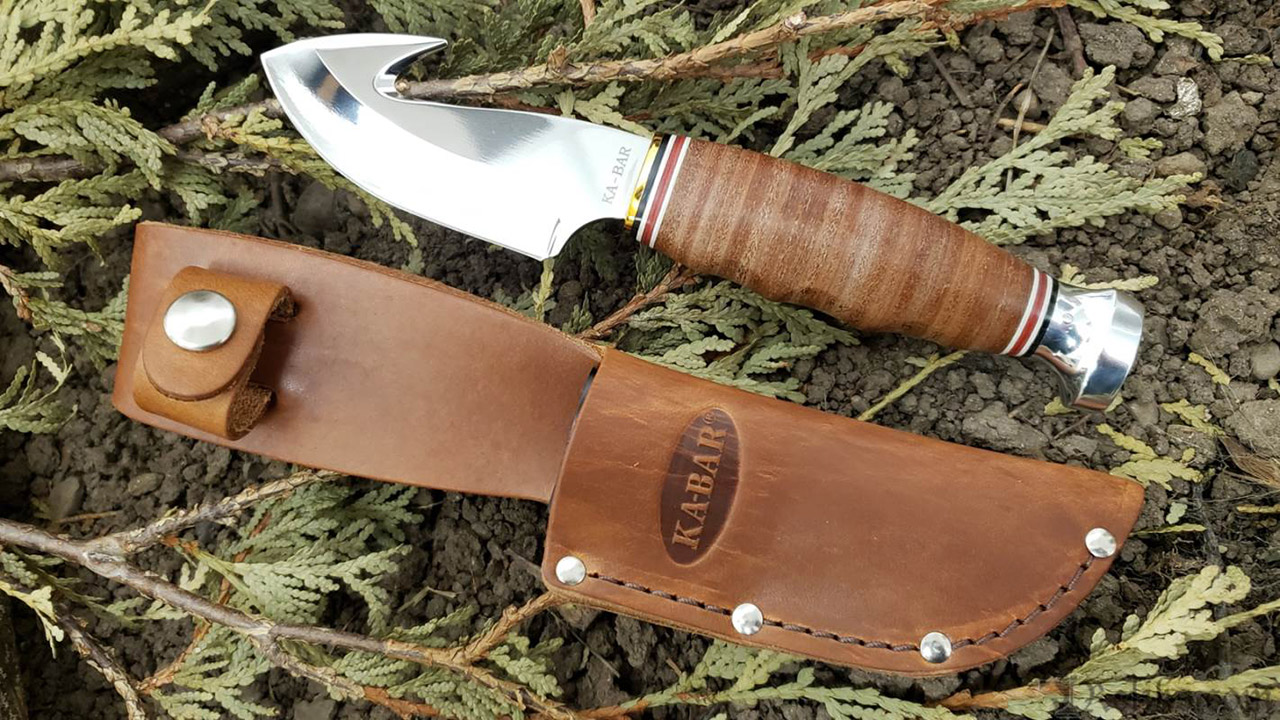
A dedicated game hook setup can make opening cuts cleaner, especially for hunters who are tired of that “oops” moment where a tip dives too deep. Ka-Bar’s game hook fixed knives are built around that controlled opening function, then give you a usable blade for follow-up cuts. The advantage is safety and consistency: a hook can reduce the chance of puncturing when you’re unzipping the hide and getting started. After that, you still have a practical edge for trimming and skinning. It’s not the only way to do it, and plenty of hunters never use a hook. But for guys who value a cleaner start and fewer mistakes, a hook knife can be a real helper.
Spyderco Enuff (fixed blade)
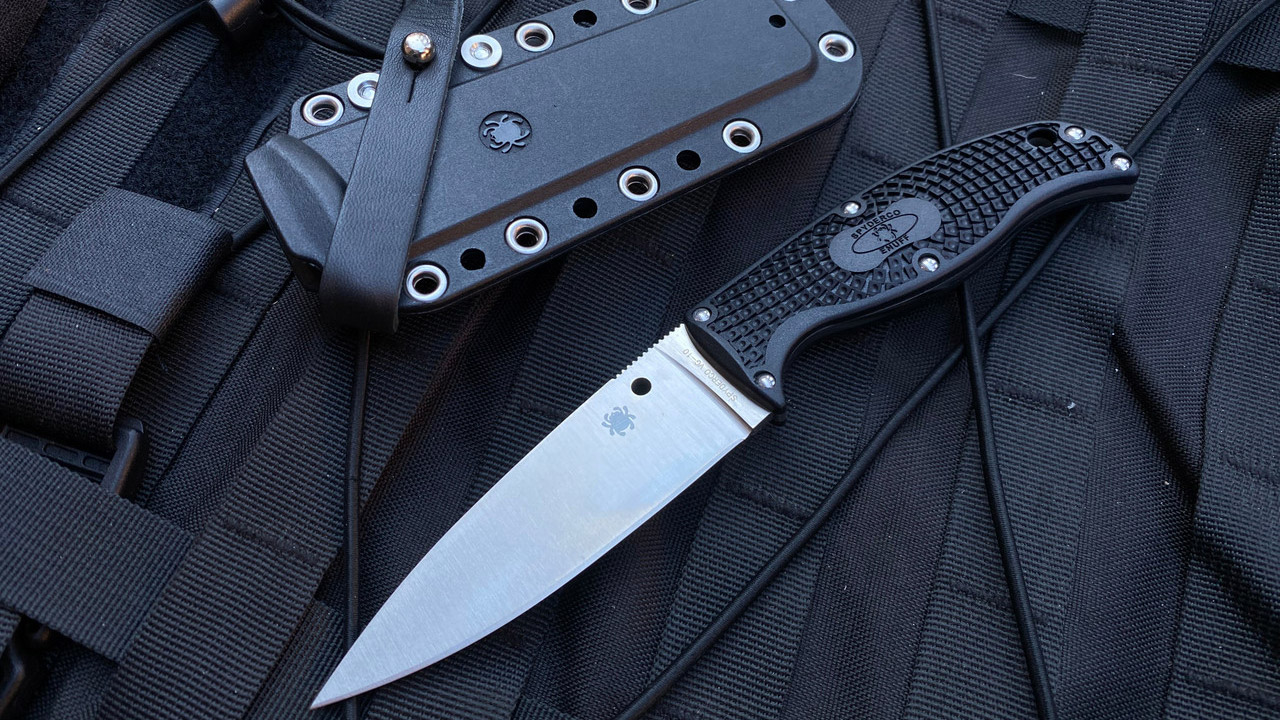
The Enuff is a compact fixed blade that feels like a serious cutting tool, not a novelty. The handle gives you control, and the blade shape is useful for field dressing because it’s easy to guide through hide and tissue without feeling sloppy. It’s also a knife that works well for the “everything after” part—trimming, separating membranes, and cleaning up meat where a bigger blade starts feeling clumsy. The size makes it comfortable to carry on a belt or pack strap, and it’s easy to rinse and keep clean. This is a great option for the hunter who wants a fixed blade that feels precise but still tough enough for real chores.
Helle Eggen
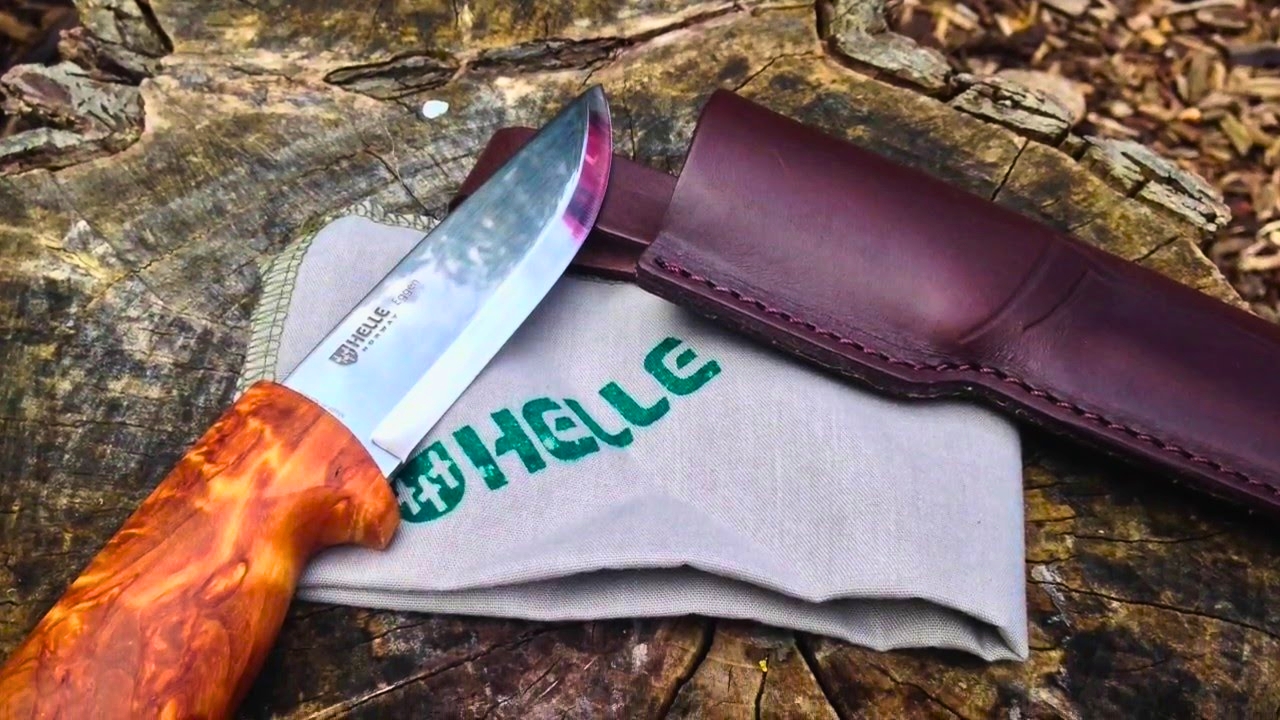
The Eggen is a traditional-style Scandinavian knife that earns its spot because it cuts clean and stays controllable. The blade geometry is built for slicing, and that helps with skinning and trimming where you want clean cuts, not tearing. The handle also tends to feel secure in hand, which matters more than people think once things get slick. This is a knife that rewards a steady, controlled approach and doesn’t force you to muscle through cuts. It’s not a “beat on it” bushcraft blade, and it’s not meant to pry. It’s meant to cut well, and for field dressing that’s exactly the priority.
Like The Avid Outdoorsman’s content? Subscribe to our newsletter so you never miss an article.
Here’s more from us:


