
Photo credit: LegART/istock.com
Finding a stranger’s stand on your land will make you mad fast. It is one thing to see boot tracks near a fence or catch a blurry trail camera photo of someone cutting through. It is another thing to find a full ladder stand, hang-on, blind, or climbing sticks set up like the person planned to keep hunting there. That feels bold because it is bold. Somebody either thinks they have permission, thinks nobody is paying attention, or thinks they can get away with using your place like it belongs to them. The first mistake landowners make is reacting before they have the facts. They get angry, tear the stand down, drag it to the barn, post about it online, or start accusing neighbors. I get the urge, but that can make a clean trespass problem harder than it needs to be.
Don’t Touch It Right Away
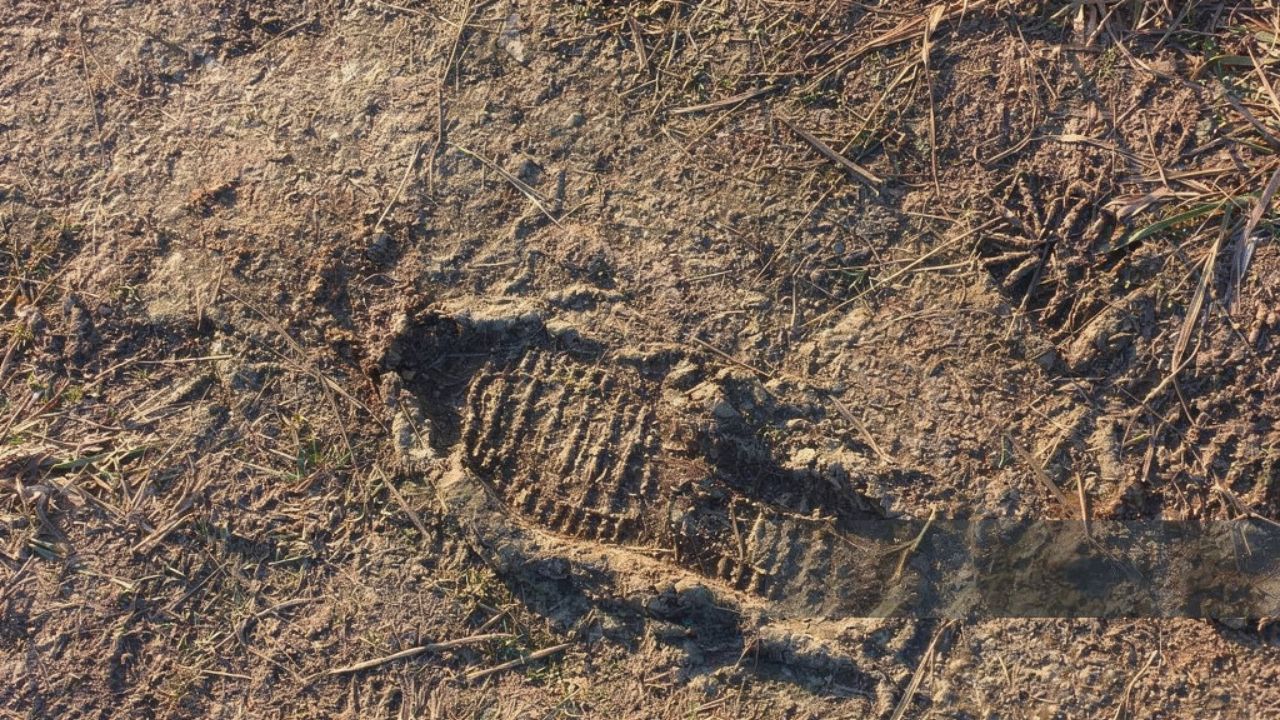
The stand may be on your land, but that does not always mean the smartest first move is ripping it down. Before you move anything, document it exactly where it sits. Take pictures of the stand, the tree, the straps, the trail going in, nearby tracks, any bait, any cameras, and anything that shows where the person may have entered. Get wide photos and close photos. Mark the location on your phone if you can.
Once you move it, you lose some of the story. You may also create a new argument if the person later claims you damaged or stole his property. That does not mean he had any right to put it there. It means you want to be careful enough that the focus stays on his trespassing, not your reaction. A few minutes of documentation can save a lot of headaches later.
Make Sure Nobody Actually Had Permission
This is not always as clear as it looks. If you own the land yourself and control every bit of access, then a mystery stand is a serious red flag. But if family members, friends, lease hunters, neighbors, ranch hands, or previous permission hunters have ever been allowed on the place, you need to verify before you start naming names. More than one landowner has found a “trespasser’s stand” that turned out to belong to somebody a relative invited three seasons ago and forgot to mention.
That does not make the situation okay. It means access has gotten too loose. Ask the people who could realistically know. Keep it calm and direct. Send a picture and ask, “Do you know whose stand this is?” If nobody claims it and nobody had permission, then you have a cleaner path forward. If someone does claim it, now you know the real problem may be communication and access control.
Look for What Goes With It
A stand rarely appears by itself. Someone had to carry it in, pick the tree, make a path, and probably hunt it. Look around carefully. You may find a trail camera, bait pile, cut limbs, flagging tape, boot tracks, ATV tracks, reflective tacks, a ground blind, spent shells, trash, or drag marks. Those clues can tell you whether the person has been there once or has been hunting your place comfortably for a while.
Pay attention to shooting lanes too. If limbs were trimmed or brush was cleared, that tells you the person was planning to use the spot. If the stand faces a feeder, trail, field edge, or bedding cover, that may explain why he chose it. If it is near a property line, he may be slipping in from next door. The stand is the obvious problem. The setup around it tells you how serious the problem has become.
Call the Right Person Before Removing It
If you are dealing with trespassing, hunting violations, bait, stolen equipment, cut fences, or unknown hunters on private land, a game warden or sheriff’s office may need to be involved. Calling early is not overreacting. It helps you avoid making the wrong move with someone else’s equipment and gives you a record if this becomes a repeat issue.
Ask how they want you to handle it. In some places, they may want to see the stand where it is. In others, they may tell you to remove it after documenting. Local rules matter. So does the bigger picture. If the stand is tied to illegal baiting, poaching, or repeated trespassing, moving it too soon may make it harder to deal with properly. Let the people who handle these cases tell you what helps.
Don’t Blast It Online First
Posting a picture of the stand online may feel like the fastest way to find the owner, but it can also make things messy. People start guessing. Names get thrown around. Someone tags the wrong neighbor. The person who put it there may see the post and come remove it before anyone can document more. Or worse, the story turns into a local argument before you even know what happened.
Handle the real-world steps first. Save photos, check permission, call the landowner if you are the lease hunter, and contact the proper authority if needed. If you later decide to post something, keep it careful. “Found an unapproved stand on private property; owner needs to contact me” is a lot cleaner than accusing half the county of poaching. The goal is solving the problem, not putting on a show.
Tighten Up the Access Points
A stranger’s stand means someone found a way in and felt safe enough to set up. That should make you check the whole property. Walk gates, fence gaps, creek crossings, old logging roads, field edges, powerline cuts, and any place a vehicle could pull off. Look for tracks and repeated use. If the stand is close to a boundary, figure out which direction makes the most sense for entry.
This is where cameras matter. Put them on access points, not only deer trails. A camera watching a feeder might show deer. A camera watching the back gate might show the person using your land without permission. Fresh posted signs, better locks, clearer boundaries, and visible gate control can all help. Trespassers like places that look unwatched. Make the place look managed.
Don’t Let One Stand Turn Into a Neighbor War
Sometimes the stand points toward a neighbor, and that can get ugly fast. Maybe it is near the line. Maybe the trail comes from their side. Maybe you have had issues before. Still, accusing a neighbor without proof can turn a trespass problem into a long-term feud. Rural property disputes have a way of sticking around, especially when hunting, fences, dogs, and family land get mixed together.
If you need to talk to a neighbor, keep it factual. “I found an unapproved stand on my side of the line and I’m trying to figure out who it belongs to” is better than “I know your people are sneaking in.” If the neighbor is decent, that gives him a chance to help. If he is not, your calm approach still leaves you looking like the reasonable one if law enforcement or the landowner gets involved.
Make Permission Rules Clear Going Forward
A mystery stand often exposes a bigger access problem. Too many people have keys. Too many people think they can invite guests. Old permission was never officially ended. Family members casually told friends they could hunt. Lease members did not understand guest rules. That kind of looseness creates cover for people who should not be there.
After you handle the stand, clean up the rules. Put permission in writing. Make guest rules plain. Change gate codes if needed. Tell anyone with access that stands, blinds, cameras, feeders, or bait cannot be placed without approval. If someone used to hunt the land but no longer has permission, say that clearly. Awkward conversations are easier than finding another surprise stand in November.
Stay Calm Enough to Keep the Upper Hand
The stand being there is the problem. Do not let your reaction become the bigger one. Do not destroy it. Do not threaten people. Do not post wild accusations. Do not go looking for a confrontation in the woods. The steady move is the strongest move: document it, verify permission, check for related signs, call the right authority if needed, and tighten access.
Finding a stranger’s stand on your land is not something to ignore. It means somebody crossed a line, literally and maybe legally. But the first few moves matter. Handle it cleanly, and you have proof, options, and control. Handle it angry, and you may give the other person a way to muddy the whole thing.
Like The Avid Outdoorsman’s content? Subscribe to our newsletter so you never miss an article.
Here’s more from us:


