When you’re field dressing in bad light, cold hands, and the clock is ticking, you don’t care about marketing. You care about a blade that bites, stays predictable, and doesn’t turn into a slick, sketchy mess once blood gets involved. “Trusted” doesn’t always mean expensive, either. It usually means consistent heat treat, sensible edge geometry, and handles that stay controllable when everything’s wet. Here are 15 brands hunters lean on when it actually matters.
Benchmade

Benchmade has a long track record with hunters because their better hunting models balance edge retention with real-world usability. The blades tend to come sharp, the grinds usually make sense for skinning and breakdown, and the handles are generally secure even when your hands are messy. People also trust Benchmade because they’re consistent — you’re not rolling the dice every time you buy one.
They’re not cheap, and not every model is perfect for every hunter, but if you want a knife that’s dependable in the field and doesn’t feel delicate, Benchmade is a brand a lot of hunters bet on. The “trust” part is consistency: predictable steel, predictable performance, and fewer surprises.
Buck

Buck is one of those brands that’s been earning its reputation for decades, not because it’s trendy, but because it works. A lot of hunters trust Buck because the heat treat is usually solid, the edge is easy to maintain, and the knives are built for real cutting rather than being a display piece. Their classic hunting designs also just make sense in hand.
Buck’s steels aren’t always the fanciest on paper, but that’s part of the appeal. A steel that sharpens easily and holds up under normal field use can beat a “premium” steel that’s a nightmare to maintain. Buck stays in that practical lane.
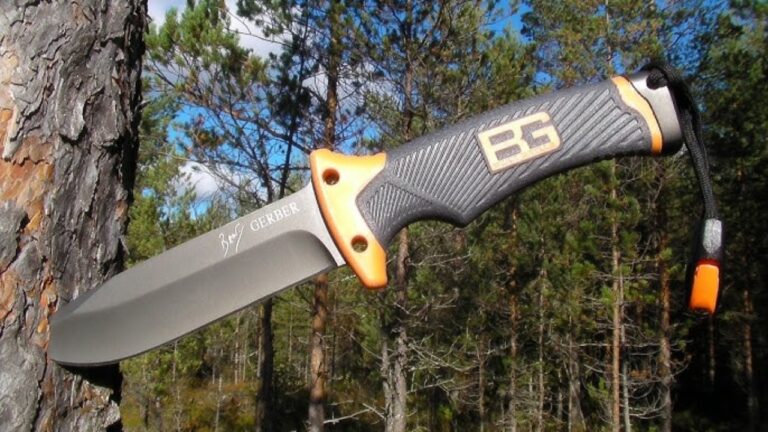
Gerber

Gerber has some misses, but hunters keep buying the right Gerbers because they’re accessible, practical, and often tough enough for real work. The reason Gerber shows up in so many hunting packs is that you can find them anywhere, they’re usually priced fairly, and when you pick the proven models, they’ll handle field dressing without drama.
They’re also common as “truck knives” and backup blades — the kind you don’t baby but still trust to do a job. If you’re the type that wants a functional knife you won’t cry over if it gets lost in the brush, Gerber has a place.
Morakniv (Mora)

Mora is trusted because it’s simple and it cuts like crazy for the money. The blades are thin enough to slice well, the handles are grippy, and the steels are easy to touch up in camp. Mora knives don’t pretend to be something they’re not — they’re working tools.
A lot of hunters keep a Mora around specifically because it’s such a good cutter for skinning and general processing. If you don’t need a “tough guy” pry bar knife and you just want efficient cutting, Mora punches way above its price.
ESEE

ESEE is a brand hunters trust when things might get rough. Their knives are known for being tough, simple, and built for hard use. That matters if you’re doing more than careful field dressing — like processing wood, making camp, or handling tasks that aren’t strictly knife-friendly.
ESEE knives tend to be thicker behind the edge than dedicated skinning knives, but the payoff is durability and confidence. If you want a knife that won’t baby you back, ESEE is one of the brands hunters and outdoorsmen reach for.
KA-BAR

KA-BAR has a reputation built on tough, straightforward knives. Hunters who carry KA-BAR often do it because they want a blade that’s comfortable to grip, strong enough for general camp work, and not fragile. For some hunters, the knife needs to be a “do most things” tool, not a specialized slicer.
They’re not always the best choice for delicate skinning work, depending on the model, but the brand earns trust for durability. If you’re rough on gear or you want a blade that can take abuse, KA-BAR stays on the list.
Havalon

Havalon is trusted for one reason: it’s ridiculously efficient at skinning and caping when you want scalpel-level cutting. Hunters who care about clean, precise cuts and minimal effort love replaceable-blade systems like Havalon. When the blade starts to drag, you swap it and keep moving. No sharpening, no fighting a dull edge.
The tradeoff is durability. You’re not batoning wood with a Havalon, and you need to be smart about twisting or prying because thin replaceable blades can snap. But for what it’s meant to do, Havalon is a legit tool.
Outdoor Edge

Outdoor Edge has earned trust in the same category as Havalon: replaceable blades that make field dressing cleaner and faster. Hunters like them because they’re simple, they stay razor sharp, and they reduce the “sharpening panic” problem when you’ve got one knife and a lot of work ahead of you.
Outdoor Edge also offers designs that feel a bit more robust and hand-filling than some ultra-light scalpel systems. If you want the replaceable-blade advantage but prefer a more traditional handle feel, this brand is a common pick.
Spyderco

Spyderco doesn’t always get marketed as a “hunting brand,” but plenty of hunters trust them because they cut well and stay sharp, especially in models with good blade geometry. Spyderco’s big strength is slicing performance. When you’re doing controlled cuts and you want a knife that feels precise, a lot of their designs shine.
They’re also known for consistent heat treat and good steel choices, which is a big part of why people trust them. When you buy a Spyderco, you generally get what you expect, and in the field that predictability matters.
Cold Steel

Cold Steel earns trust from hunters who want strength and straightforward utility. Their knives are often built heavier and tougher than some “pretty” hunting knives, and they can handle rougher treatment. That appeals to hunters who use one knife for everything — field work, camp chores, and the occasional “this is not a knife job, but it’s happening anyway” moment.
Not every model is ideal for fine skinning, but the brand gets respect for durability and for blades that don’t feel fragile. If your priority is “it won’t fail,” Cold Steel is a brand many folks are comfortable betting on.
CRKT

CRKT is a brand hunters trust in the “affordable but functional” lane, especially when they choose the better designs. The appeal is practical knives you can find easily and use hard without feeling like you need to baby them. For hunters who lose gear, beat up gear, or just don’t want to spend premium money on a knife that might get left at a tailgate, CRKT is a common pick.
The key with CRKT is picking proven models rather than buying blind. When you get the right one, you get a dependable cutter that handles normal hunting tasks without being precious.
Kershaw

Kershaw is trusted because it hits that sweet spot: accessible, durable, and usually easy to sharpen. Hunters who don’t want to deal with finicky steels often like Kershaw because they can touch up an edge quickly and get back to work. A knife that’s easy to maintain can outperform “better” steel if you’re actually using it hard.
Kershaw also has a lot of designs that feel good in hand and carry well. As a practical everyday knife that can still handle hunting chores when needed, it’s a brand a lot of hunters rely on.
Case

Case isn’t about tactical looks. It’s about simple knives that have been used for generations. Plenty of hunters still trust a classic Case folder because it’s familiar, it’s easy to sharpen, and it’s good at the kind of controlled slicing hunters do constantly. A lot of deer were processed with knives like these long before “premium steel” was a thing people argued about online.
Case knives are also the kind you actually carry. If a knife lives in your pocket all season, it’s more useful than a “perfect” knife that stays in the truck. That everyday carry reality is why Case keeps showing up.
Victorinox (Swiss Army)

Victorinox isn’t the first brand people think of for hunting, but it earns trust because it’s practical and useful. The blades are easy to sharpen, the steel is predictable, and the extra tools can actually matter in the field — tweezers for splinters, small drivers, scissors, and other little fixes. A lot of hunters keep one as a backup or a problem-solver.
It’s not your heavy-duty processing knife, but it’s a reliable “always there” tool. And reliability is the whole point of this list. When you need something quick and simple, it delivers.
Leatherman

Leatherman makes multi-tools, and that’s exactly why hunters trust them. A Leatherman isn’t replacing a dedicated field dressing knife, but it saves hunts because it handles problems: cutting, gripping, twisting, tightening, and fixing gear. A lot of hunters keep a Leatherman on them because the job in front of you isn’t always “knife-only.”
In real hunting, the “knife brand you trust” often includes the tool that keeps your gear working. When your pack strap breaks, your scope ring loosens, or you need pliers for a hook or a stubborn part, the multi-tool earns its keep.
Like The Avid Outdoorsman’s content? Be sure to follow us.
Here’s more from us: