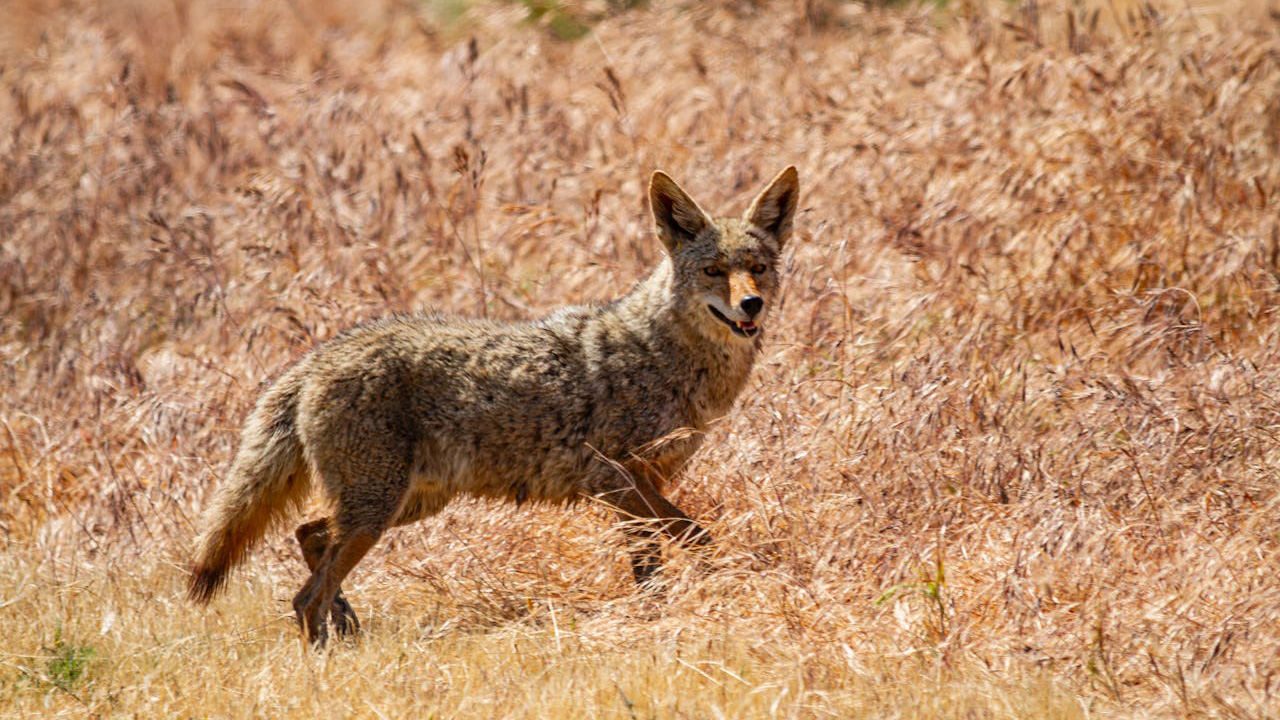
Photo credit: Riley/Pexels.com
Coyotes can move any time of day, but they’re especially active around dawn and dusk, and it’s not unusual to see them during daylight—even in neighborhoods. Colorado Parks & Wildlife notes coyotes can be seen throughout the day (with peak activity around dawn/dusk), and Texas Parks & Wildlife says they hunt at all hours. If you’re a hunter, that matters because daylight movement isn’t rare—it’s predictable once you understand food, pressure, and season. If you’re a homeowner, it matters because “it’s daytime, so we’re safe” isn’t a rule.
Below are 15 states where daylight sightings and daylight hunting activity are commonly reported—mostly because coyotes are abundant and well-adapted to human edges.
Texas

Texas is coyote country, and daylight activity is normal because coyotes hunt at all hours and are commonly seen near early morning and late afternoon. Add in endless edge habitat—pastures, creek bottoms, brush lines, suburban greenbelts—and you get coyotes moving when they need to, not when people expect them to. If you’re calling coyotes, don’t mentally write off the late morning window, especially in winter or around breeding season when they’re covering ground and showing themselves more. If you’re protecting pets, the “quick potty break” in the yard is exactly when porch-raiding stories happen—because the dog is predictable and the coyote is watching.
California

California’s mix of open country and heavy suburb sprawl creates prime daylight coyote behavior. Coyotes are active and vocal any time of day, and in many CA cities, agencies explicitly tell residents that daytime sightings aren’t unusual. The pattern is simple: golf courses, washes, creek corridors, parks, and foothill edges become daytime travel lanes. For hunters, that means midday calling can work surprisingly well where coyotes get pushed off the night pattern by human activity. For homeowners, it means you treat yards like part of the habitat—secure trash, don’t feed outside pets, and don’t assume daylight equals safe.
Colorado

Colorado literally publishes guidance saying coyotes can be seen throughout the day, with heightened visibility during breeding season and strong dawn/dusk activity. Between Front Range suburbs, open space systems, and big public-land corridors, coyotes have no shortage of places to move and hunt in daylight. If you’re hunting them, you can set up on travel corridors between bedding cover and feeding areas and still get action after sunup—especially on cold, clear days when they like to move. If you’re recreating, the daylight sightings near trails and open spaces aren’t automatically a red flag; they’re often just normal coyotes using predictable routes.
Arizona
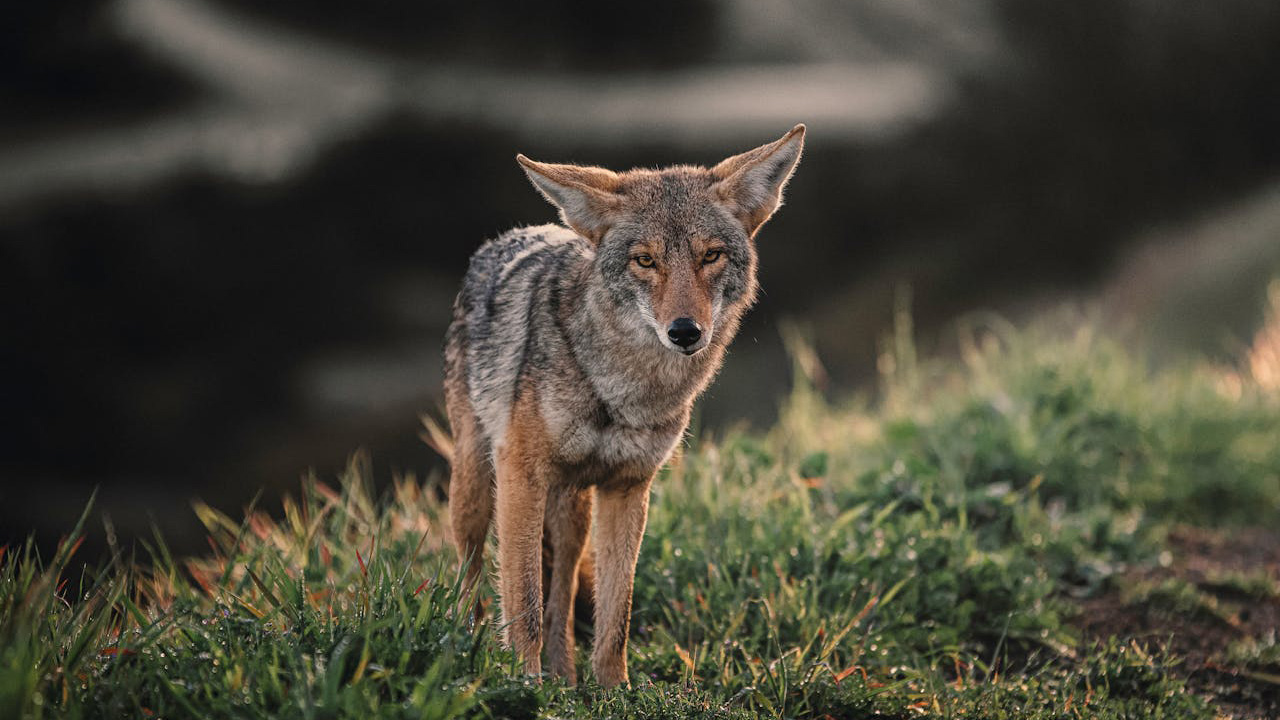
Arizona Game & Fish notes it’s not uncommon to see coyotes in backyards, golf courses, parks, and neighborhoods, with frequent observation around sunrise. Desert terrain also makes movement more visible, so “daylight activity” gets noticed more often—especially around washes, canal systems, and foothill edges where rodents and rabbits are active. If you’re hunting, coyotes will still prowl mid-morning if there’s a steady food source and low pressure. If you’re living near desert edges, daylight sightings often spike during seasonal windows when coyotes are moving more—so tighten up pet routines and don’t let small animals roam near cover lines.
Florida

Florida coyotes live in a weird blend of palmetto, suburbs, and agricultural edges, and daylight sightings are common enough that many communities talk about them regularly. The big driver is food: rodents, feral cats, roadkill, unsecured trash, and backyard attractants. When the easy calories are close to people, coyotes get comfortable being seen. For hunters, Florida coyotes can be active right through the morning on travel lanes and pasture edges. For homeowners, the main rule is supervision—small pets outside alone (even “just for a minute”) are the situation coyotes love most because it’s low effort and high reward.
Illinois

Illinois has had years of public talk about urban coyotes, and the state’s habitat layout—river corridors, rail lines, greenbelts, and suburban sprawl—creates perfect daylight travel routes. Coyotes that live on the edges of human activity often learn that mid-morning and early afternoon can be quieter than dawn/dusk around people, so they slide through when fewer eyes are on them. For hunters, pressure matters: in heavily hunted areas, coyotes may shift their daylight movement to less obvious lanes (downwind of trails, inside brushy ditches). For residents, daylight sightings in parks and neighborhoods aren’t rare, so the smart response is hazing and removing attractants, not panic.
New York

New York’s mix of big woods, farm country, and dense suburbs produces plenty of daylight movement—especially along river corridors and brushy edges that connect cover. In the Northeast, winter and early spring can push coyotes into more daytime foraging because food is harder and travel is easier on packed ground. Hunters who only call at first light miss action that can happen late morning on field edges and timber transitions. Homeowners near greenbelts should assume coyotes can appear in full daylight, especially when they’re using the same travel routes repeatedly. The safest habit is keeping small pets supervised and not leaving attractants outside.
New Jersey

New Jersey is a “you’d be shocked how close they live” state. Coyotes use parks, golf courses, drainage corridors, and wooded buffers between neighborhoods, and daylight sightings happen because those travel lanes run right through where people live. The big factor is predictability: people walk the same paths, let dogs out at the same times, and leave the same food sources available. Coyotes learn patterns fast. For hunters (where legal and practical), daylight calling near edge habitat can be productive because coyotes are already moving those corridors. For residents, daylight activity is exactly why communities push hazing and pet supervision instead of assuming coyotes are “only out at night.”
Pennsylvania
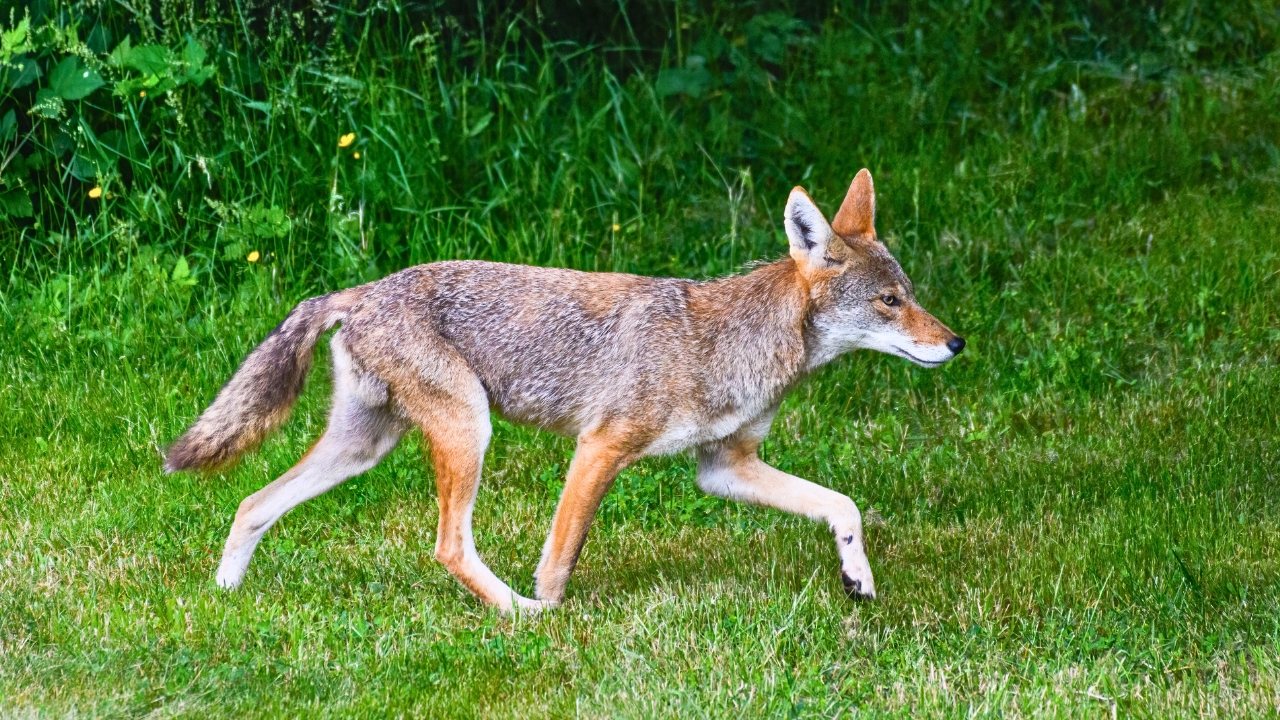
Pennsylvania has loads of edge habitat—woodlots, hollows, farms, and suburban buffers—and that creates steady daylight movement. Coyotes often cruise field edges, creek lines, and ridge spines during the morning hours after the initial dawn frenzy, especially when pressure is moderate and food is spread out. Hunters can capitalize by calling near travel corridors rather than only sitting over wide-open fields at first light. Homeowners on the woods-to-yard line should treat dawn/dusk as peak time, but don’t ignore daylight, because that “2 p.m. dog walk” can still intersect a coyote using the same green corridor every day.
North Carolina

North Carolina’s blend of timber, farms, and fast-growing suburbs produces a lot of “daytime coyote” stories because coyotes thrive in transitional habitat. They’ll move in daylight along creek bottoms and cutovers, especially when they’re hunting rodents or checking easy food sources near people. If you’re calling coyotes, pay attention to wind and cover; in thicker Southern habitat, coyotes can be 60 yards away in daylight and you’ll never see them until they commit. For residents, daylight sightings often jump when coyotes are raising young and working predictable routes—so don’t leave pet food outside and don’t let cats roam if you’re on the edge of cover.
Georgia

Georgia coyotes do well in farm country and suburban sprawl for the same reason they do everywhere: edges equal food. In daylight, you’ll see them crossing cutovers, slipping along fence lines, and working ditches where rodents live. Hunters in Georgia can often do well after sunrise by calling the thick stuff, not just the obvious openings. For homeowners, the regret stories usually start with small pets near brush lines and people assuming daylight means “it’s probably a stray dog.” In reality, daylight is a normal time for a coyote to travel if it feels safe and the route is efficient.
Washington

Washington’s west-side greenbelts and east-side open country both support daylight movement—just in different ways. On the west side, coyotes use parks, creeks, and wooded buffers, and daylight sightings happen because those corridors run straight through population centers. On the east side, open habitat makes it easier to spot coyotes hunting mice and voles in daylight. If you’re hunting, don’t sleep on midday setups near rodent-rich fields and transitions. If you’re recreating, remember coyotes can be visible in daylight without being aggressive—what matters is behavior around people and pets, not the time on the clock.
Oregon

Oregon has the same “corridor effect” as Washington—greenbelts, rivers, timber cuts, and edge habitat that coyotes use like highways. In timber country, they’ll run roads and skid trails in daylight because it’s the easiest travel. In ag country, they’ll hunt fields when rodent activity is good. Hunters who only set up at dawn can miss a lot of movement that happens later as coyotes circle and reposition. For residents, daylight sightings in parks and neighborhoods are common enough that the better mindset is prevention: don’t feed wildlife, keep trash tight, and supervise pets in the yard.
Massachusetts

Massachusetts is a classic “suburban coyote” state where daylight sightings pop because coyotes use wooded strips, parks, and conservation land that sits right next to neighborhoods. Daylight can actually be the quieter time in certain areas, especially mid-morning when the school rush and commute noise is gone. For hunters (where legal), edge setups can be productive because coyotes are already patterned to move those corridors. For families, the most important habit is treating small pets like prey animals when they’re outside—leash them, supervise them, and don’t assume a fenced yard is a magic shield.
Ohio

Ohio’s mix of farm ground, woodlots, and suburban growth creates constant coyote daylight movement along field edges and brushy ditches. Coyotes will cruise during the day when they’re working territory, hunting rodents, or responding to seasonal pressures that make nighttime food less consistent. Hunters can do well by targeting the “in-between” spaces—small woodlots, overgrown fence lines, creek crossings—because those are daylight travel lanes. Homeowners should know that daylight sightings don’t automatically mean something is wrong; agencies regularly emphasize that seeing coyotes during the day can be normal.
Like The Avid Outdoorsman’s content? Subscribe to our newsletter so you never miss an article.
Here’s more from us: