Photo credit: Dudarev Mikhail/Shutterstock.com
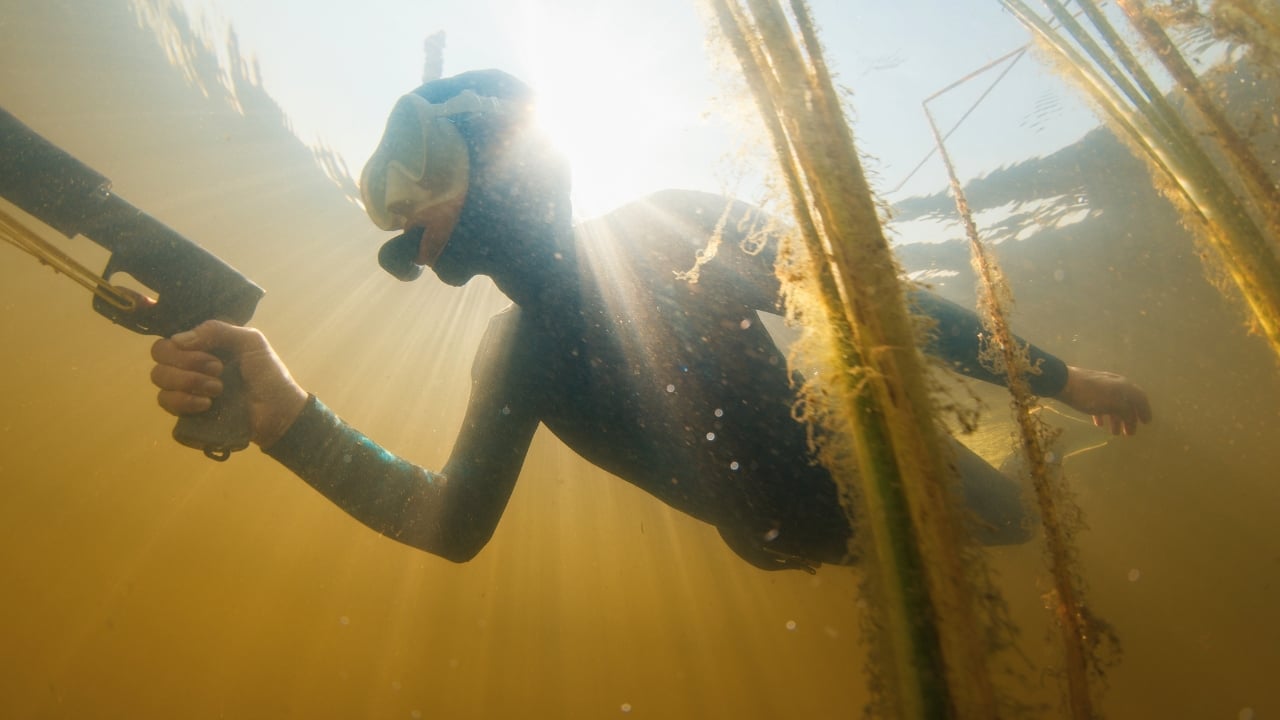
A first-time spearfisher on Reddit said his first trip into the water came with the kind of lesson you do not forget. He had gone spearfishing two days earlier and managed to land a fish, which is already a pretty solid start for somebody new to it. But before he could enjoy the win for very long, a 4-foot barracuda showed up and stole the fish from him. That is a quick way to learn that spearfishing is not the same as standing on a bank with a rod in your hand. Once you are in the water, you are part of the food chain in a way most fishermen are not used to.
The photo he shared showed the barracuda close enough to make the story feel a lot less like a funny beginner mistake and a lot more like a wake-up call. Barracuda are fast, toothy, and bold when there is an easy meal around. A speared fish gives them exactly what they are looking for: struggling movement, blood in the water, and a meal that cannot get away like a healthy fish can. To the diver, that fish is a hard-earned catch. To the barracuda, it is dinner with very little work involved.
That is one of the first hard lessons of spearfishing. The shot is not the end of the work. After you hit a fish, you still have to control it, secure it, and get it away from anything nearby that wants it more than you do. In clear water, that can mean sharks, barracuda, big jacks, eels, or other predators that know exactly what a struggling fish means. In murkier water, it can be even worse because you may not see what is coming until it is already too close.
The Redditor was lucky the barracuda wanted the fish and not a piece of him. That is not meant to be dramatic. A 4-foot barracuda has enough teeth and speed to make a mess of a hand, arm, or leg if things go sideways. They are not monsters, and they are not out there hunting people for sport, but they are opportunists. When a diver is holding a speared fish, dragging fish on a stringer, or making a lot of shiny movement in the water, the line between curiosity and aggression can get thin.
The comments treated the story like a proper first-trip lesson. Some users joked about the barracuda collecting payment. Others pointed out that predators stealing fish is part of spearfishing, especially in areas where they are used to divers. Once predators learn that spearfishermen mean easy food, they can get bolder. That is when a diver has to decide whether to keep hunting, move spots, or get out before the situation turns into something harder to manage.
This is why experienced spearfishermen tend to be serious about fish handling. A good shot matters, but so does what happens after it. If a fish is thrashing on the spear or hanging too long nearby, it draws attention. If it is clipped close to the diver’s body on a stringer, that can put teeth too close for comfort. If a predator shows up and starts acting locked in, trying to fight it over the fish is usually a bad plan. Letting the fish go may hurt your pride, but keeping all your fingers is the better deal.
There is also a big difference between fishing from above the water and hunting inside it. A rod-and-reel fisherman can usually back away, pull anchor, or cut line if something gets weird. A diver has to think about breath, depth, visibility, current, gear, distance from the boat or shore, and whatever is moving around him. That is a lot to juggle when adrenaline kicks in. New divers especially have to resist the urge to treat every fish like it is worth pushing for.
The barracuda stealing his fish may have ruined the moment, but it probably taught him more than a clean, easy first trip would have. Spearfishing rewards calm, awareness, and knowing when to let an animal have the win. The ocean does not care that it was your first catch, your best shot, or the fish you wanted to show everybody back home. If a big predator decides it wants what you have, you are better off being smart than stubborn.
The Redditor came away with a story, which is better than coming away hurt. His first spearfishing trip gave him the full introduction: the thrill of getting a fish, the frustration of losing it, and the reminder that underwater, you are not the only one hunting.