Photo credit: Dmitri T/Shutterstock.com
A pistol that can’t make it through a single season without swapping parts isn’t dependable — it’s a project. You start off liking it, but before long, you’re changing recoil springs, extractors, pins, and magazines just to keep it running. Some handguns are built with tight tolerances or lighter-duty internals that don’t hold up under consistent use. Others chew through components simply because of their design. If you shoot often — whether it’s training, competition, or field carry — these pistols will test your patience and your parts budget.
Kimber Micro 9
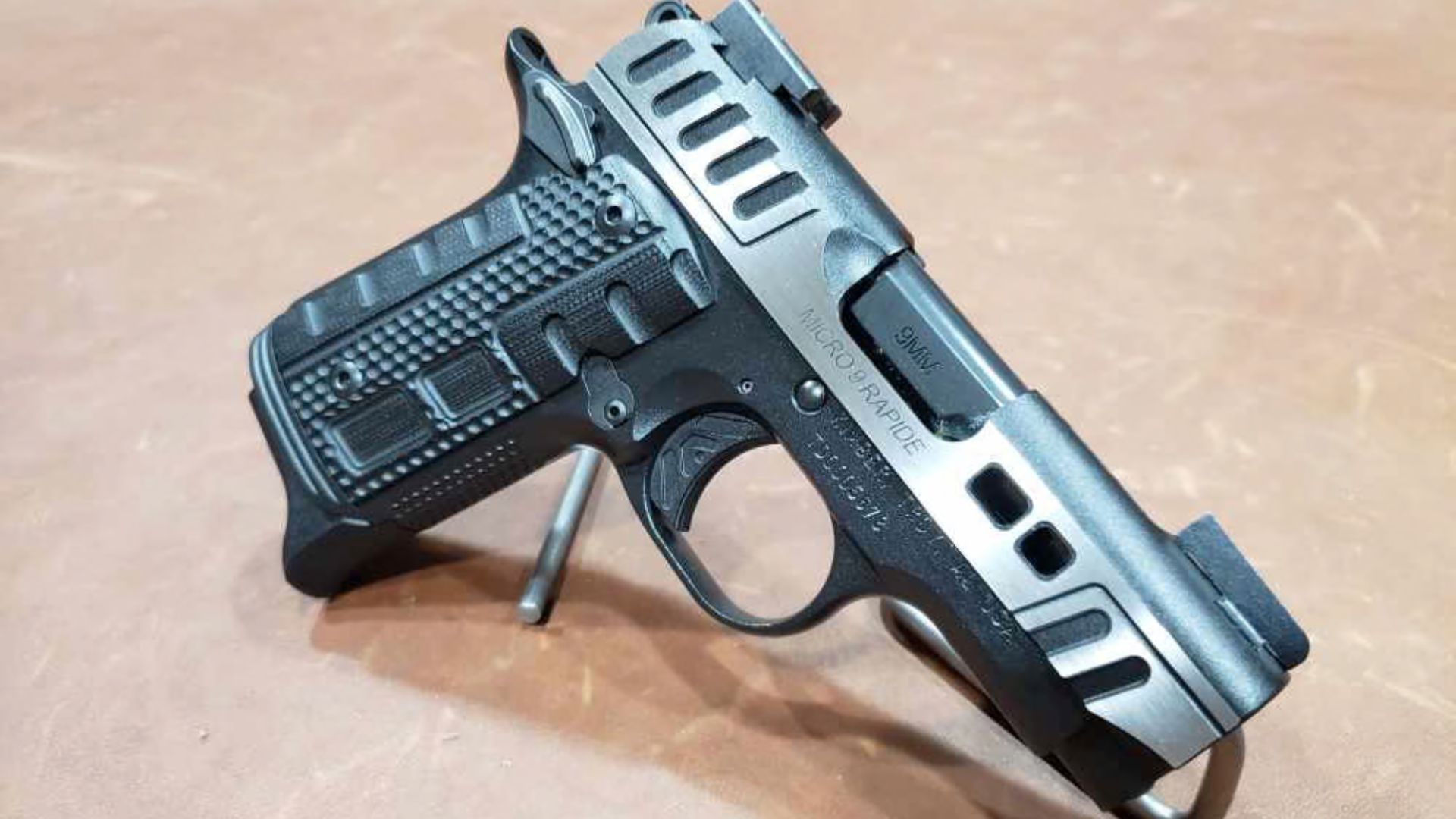
The Kimber Micro 9 looks sharp and shoots well, but it’s notorious for being hard on small parts. The recoil spring assembly and extractor tend to wear out faster than you’d expect. After a few hundred rounds, the slide can start short-stroking or failing to lock back.
Kimber recommends frequent recoil spring changes, and if you ignore that schedule, reliability goes downhill fast. It’s also picky about magazines — some feed lips deform after regular use, leading to nose-dives and feed failures. The gun shoots smoothly when it’s fresh, but it’s not a “run hard and forget it” pistol. If you’re using it regularly, plan on swapping springs every season and keeping spare mags on standby.
SIG Sauer P938

The SIG P938 is a solid shooter in theory, but it wears fast under real use. The recoil spring weakens quickly, leading to feeding and ejection problems if you don’t stay on top of replacements. Some owners even report frame rail peening from sustained use with hotter loads.
The gun’s compact size means every component takes more abuse with each shot. Extractors can start losing tension, and grip screws tend to loosen unless you use thread locker. It’s accurate and controllable, but it’s a maintenance-heavy platform. If you run a few hundred rounds every month, you’ll need a spring kit by the end of the year. It’s a fine carry gun for occasional use — not a range workhorse.
Springfield 911

Springfield’s 911 looks like a scaled-down 1911, and it shoots well for its size, but longevity isn’t its strong suit. The tiny slide and short recoil system mean the springs are under constant strain. After a few hundred rounds, you’ll notice sluggish cycling or premature slide lock.
The ejector and extractor pins also wear quickly, and users often replace them after one season of steady shooting. The aluminum frame helps keep weight down, but it doesn’t handle constant pounding well. It’s a fine pocket gun for light carry use, but if you plan on regular range time, expect to replace parts like springs, pins, and sometimes even the firing pin stop sooner than you’d think.
Walther CCP M2

The Walther CCP M2 offers a comfortable grip and light recoil, but internally, it’s not built for long-term hard use. Its gas-delayed blowback system is sensitive to fouling, which accelerates wear on the piston and slide components. The recoil spring assembly also tends to lose tension over time, especially if you shoot hotter defensive ammo.
Once the gas system starts gumming up, extraction failures and weak ejection follow. Most owners who shoot their CCPs regularly end up cleaning and swapping parts far more often than they’d like. Walther has refined it over time, but the CCP still needs consistent attention to stay reliable. It’s accurate and comfortable, but maintenance-heavy enough that it struggles to survive a full season without help.
Taurus G2C

The Taurus G2C earned a reputation as a solid budget pistol, but it’s not built for volume shooting. The trigger return spring, slide stop lever, and magazine catch are common wear points. After a few thousand rounds, you’ll start to feel slop in the trigger and may see failures to lock open after the last round.
It’s an affordable option that performs fine for occasional use, but daily carry or weekly range sessions wear it down fast. The polymer frame can also loosen around the slide rails, introducing play that affects consistency. Keeping it running means swapping small parts regularly. It’s proof that “cheap to buy” doesn’t always mean cheap to maintain.
Remington R51

The Remington R51’s history is rough, and so is its lifespan under steady use. Early models were plagued with feed and extraction failures, and even later versions show premature wear on slide internals. The locking block and breech plate are known to deform or loosen after moderate use.
Recoil springs weaken quickly, and the slide rails can show visible wear in a single shooting season. You can replace parts, but good luck finding them consistently. The R51 might run fine for a while, but it’s one of those pistols that demands ongoing attention to stay functional. It’s not a gun you trust for the long haul — it’s one you babysit between range trips.
Beretta Pico

The Beretta Pico looks sleek and minimal, but that small design comes at a cost. The recoil spring and extractor wear quickly, and once they do, cycling reliability goes downhill. Many shooters report light primer strikes and failures to eject within a few hundred rounds.
The tight tolerances that make it feel well-built also make it unforgiving when fouled or worn. Even a little buildup in the action can cause misfeeds. You’ll need to stay ahead on spring changes and extractor maintenance to keep it running smoothly. It’s accurate for its size, but if you shoot often, the Pico becomes a constant tinkering project.
SCCY CPX-2

The SCCY CPX-2 is one of the most affordable pistols on the market, but it doesn’t handle long-term use gracefully. The trigger spring, firing pin assembly, and slide stop lever are frequent replacement items. Extended range use often causes peening on the locking block or visible slide wear.
The polymer frame flexes under recoil, which speeds up internal fatigue. SCCY’s customer service is great about sending replacements, but you’ll need them if you shoot regularly. The CPX-2 is fine for light range use or as a glove-box gun, but under heavy firing schedules, it burns through small parts at a surprising rate.
Ruger LCP II

The Ruger LCP II is a pocket powerhouse in looks, but the little frame takes a beating. The recoil spring and slide stop pin are known to wear out quickly, and the aluminum guide rod often needs replacement after frequent use. It’s a fine carry gun for occasional use, but the small parts simply don’t hold up under constant range time.
Shoot it enough, and you’ll see light strikes, failures to eject, or slide lock issues. Ruger’s compact design does its job — it’s light and small — but there’s only so much material to absorb that stress. If you shoot often, plan on keeping a maintenance kit handy. It’s a short-term tool, not a season-long workhorse.
Kahr CW9

The Kahr CW9 is accurate and concealable, but it’s infamous for needing new recoil springs and extractors far earlier than expected. The slide stop spring also weakens quickly, leading to inconsistent lock-back. The long trigger pull can mask developing mechanical wear until malfunctions start to stack up.
Kahr recommends fairly strict replacement intervals, and they’re not exaggerating. If you shoot it heavily, expect to replace the recoil spring every few thousand rounds — and sometimes sooner. It’s a comfortable gun, but it’s not one that thrives on hard use.
Colt Mustang Pocketlite

The Colt Mustang Pocketlite is classic, lightweight, and sharp-looking, but that aluminum frame doesn’t like high round counts. Feed ramp erosion, worn slide rails, and tired springs show up quickly if you shoot it regularly. It’s reliable when fresh, but the compact 1911-style setup means everything inside works harder than it should.
Recoil springs need replacing often, and small pins can start to drift loose. It’s a carry piece, not a training gun, and it shows. The Mustang can run fine if you treat it gently, but if you try to run it hard all season, you’ll end up swapping parts like you’re tuning a race car.
*This article was developed with AI-powered tools and has been carefully reviewed by our editors.