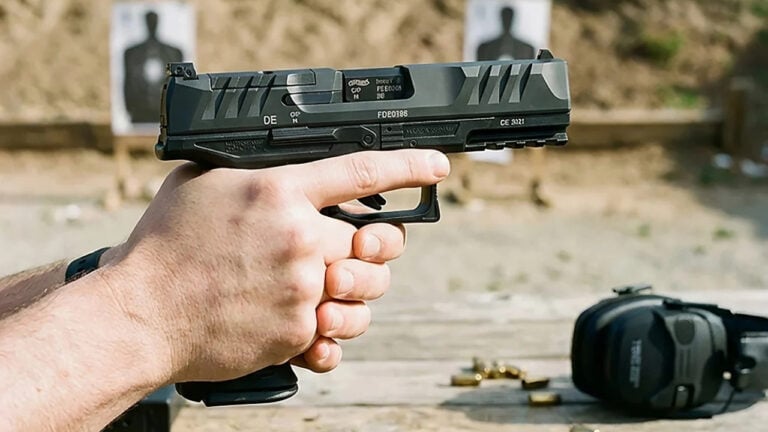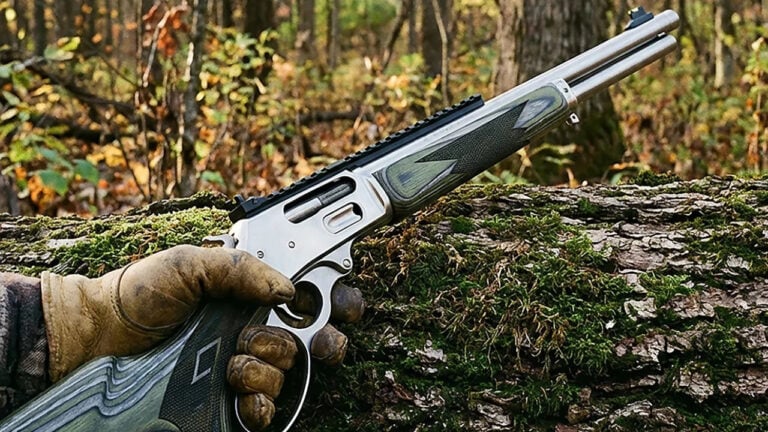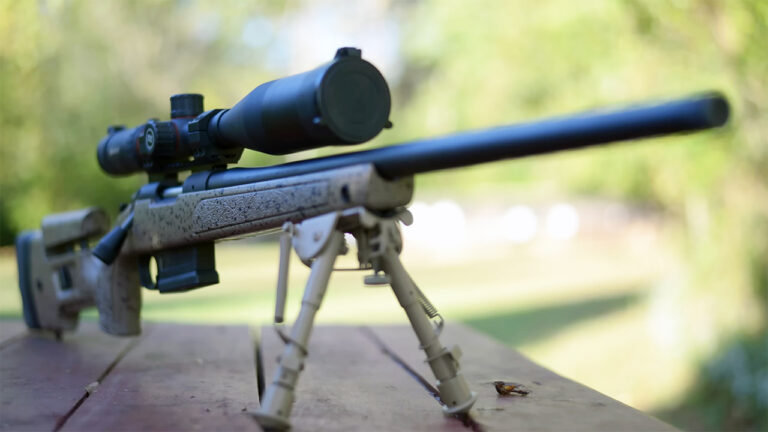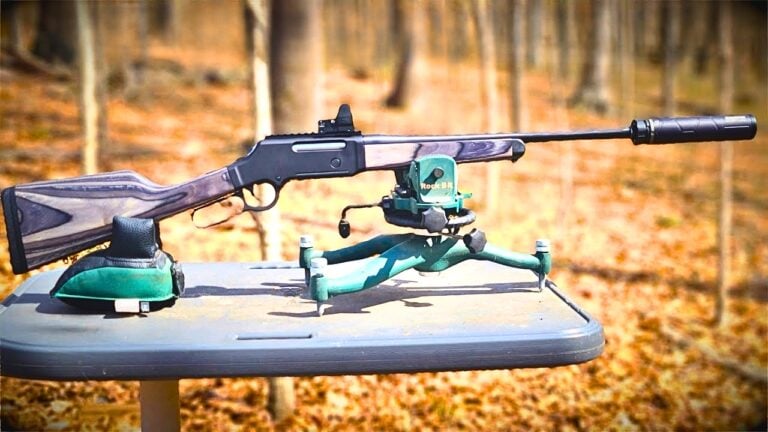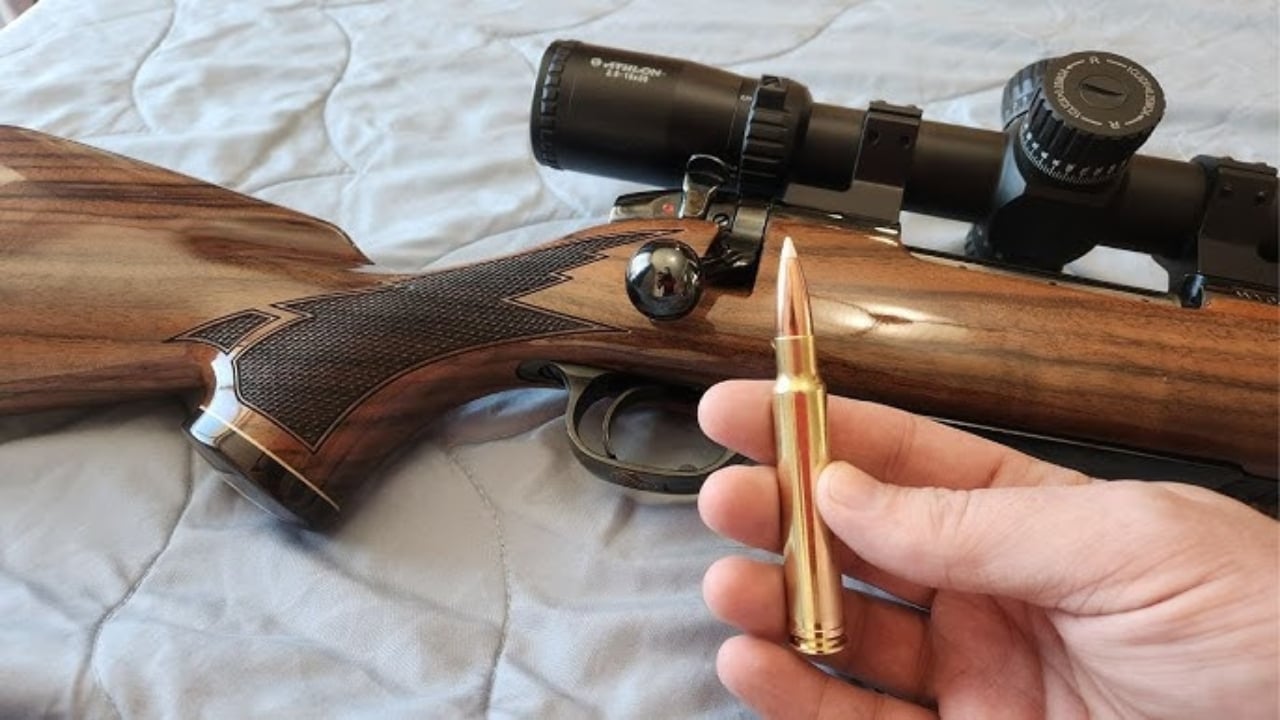
Photo credit: Reloading Weatherby/YouTube
Some calibers earn a reputation the hard way. They produce plenty of power, but they also punish you the moment you settle behind the rifle. If you spend enough time at the range, you learn quickly which cartridges build confidence and which ones strip it away. Hard recoil doesn’t just sting your shoulder—it changes the way you break the shot, how you settle into the rifle, and whether you trust yourself when the moment matters. When a caliber feels more like a chore than a tool, you start anticipating the hit instead of focusing on the shot.
Hunters who’ve pushed the limits know these cartridges well. They hit hard on both ends, and if you’re not prepared, they can wear you down fast. These are the calibers that can shake your body, your accuracy, and your confidence.
.338 Winchester Magnum

The .338 Winchester Magnum has plenty of authority, but it’s notorious for delivering a sharp recoil pulse that can rattle even experienced shooters. If you’re shooting from a lightweight rifle, you feel every bit of that push straight into your shoulder. After a few shots, many hunters start flinching, which is when accuracy slips and confidence fades. The recoil isn’t impossible to manage, but it demands strong fundamentals and regular practice.
This cartridge performs well for large game, but many hunters reach for it without recognizing how much discipline it requires. In real hunting positions—sitting, kneeling, or leaning against a tree—the recoil becomes even more noticeable. If you’re not locked in correctly, the rifle can shift hard enough to break your rhythm for the rest of the day. It’s powerful, but for many deer hunters it’s simply more recoil than needed.
.375 H&H Magnum
The .375 H&H Magnum has a long, respected history, but you feel its strength the moment you pull the trigger. Even in well-built rifles, the recoil comes back quick and heavy. Shooters often find themselves tensing up before each shot, which is the first sign a cartridge is wearing on you mentally. When you start anticipating recoil instead of focusing on the shot, your accuracy suffers.
The cartridge performs beautifully on large game, but for deer-sized animals, it’s far more than you need. On the range, it becomes tough to maintain smooth shooting technique through multiple rounds. The rifle jumps hard in your hands, and if your form is off even slightly, the stock can bite. Old-school hunters may love the nostalgia, but there’s no denying the .375 H&H can make your shoulder regret a long day of practice.
7mm Remington Ultra Magnum
The 7mm Remington Ultra Magnum delivers blistering velocity, but the cost is recoil that comes back with real force. In lighter rifles, it feels sharp enough to wear you down quickly, especially when you’re working through a box of ammunition on the bench. Many shooters find the recoil exhausting because the rifle rises fast and settles slowly, making follow-through difficult.
The problem grows when you move to field positions. Shooting uphill or from uneven ground magnifies the recoil, and a slip in shoulder placement can bruise you fast. The cartridge works well at long range, but many hunters discover that its recoil creates bad habits before they ever take it into the field. Unless you’re highly disciplined, the 7mm RUM can affect your confidence more than it improves your performance.
.300 Remington Ultra Magnum

The .300 Remington Ultra Magnum is one of the hardest-hitting .30-caliber cartridges available, and the recoil reflects that. Even seasoned shooters find themselves working harder to maintain composure behind the rifle. The recoil pulse feels long and heavy, and it can shift your shoulder off the stock if you don’t anchor yourself firmly.
This cartridge shoots flat and hits hard, but most deer hunters simply don’t need this level of recoil. The rifle becomes tiring to shoot long before accuracy deteriorates, and once fatigue settles in, flinching isn’t far behind. During extended range sessions, the .300 RUM can make you dread the next shot, which is never a good place to be. It’s powerful, but for hunters not accustomed to heavy recoil, it can become overwhelming fast.
.458 Winchester Magnum
The .458 Winchester Magnum was designed for dangerous game, and its recoil reminds you of that instantly. Even in heavy rifles, it pushes back with enough force to displace your sight picture completely. Shooters often find the stock slipping if they’re not locked in tightly. That level of recoil wears down your confidence in a hurry, especially when you’re practicing or checking your zero.
For deer hunting, this cartridge is far beyond practical. The recoil makes it difficult to break clean shots from field positions, and it demands flawless body alignment to avoid injury. Many hunters who try it quickly learn that power alone doesn’t make you more effective—control does. The .458 Winchester Magnum is impressive on paper, but for most hunters, it delivers more punishment than performance.
.45-70 Government (Heavy Loads)
The .45-70 Government can be a pleasant cartridge in mild loads, but when you step up to heavier hunting rounds, the recoil changes dramatically. In lightweight lever guns, these loads feel abrupt and punishing, and many shooters find the stock rising sharply into their shoulder. That fast, snapping recoil can break your rhythm quickly.
For close-range hunting, the cartridge performs well, but heavy loads can wear down your confidence if you’re not prepared. Long practice sessions become uncomfortable fast, and most shooters find themselves flinching if they spend too much time on the bench. While the .45-70 has a long, respected legacy, the harder-hitting loads can be a rude awakening for anyone who underestimates them.
.300 Winchester Magnum

The .300 Winchester Magnum remains popular, but it’s no secret that it kicks harder than many hunters expect. In lightweight rifles or compact mountain guns, the recoil becomes even more aggressive. After a few shots, you start noticing tension building in your hands and shoulders, which often leads to rushed trigger pulls.
The cartridge has proven performance, but recoil fatigue can set in quickly when you’re practicing at the range. Shooting from kneeling or sitting positions is even more challenging because the rifle tends to jump upward and backward at the same time. Many new magnum shooters discover quickly that their accuracy drops once they start anticipating the hit. The .300 Win Mag works well, but it demands disciplined technique.
.338 Lapua Magnum
The .338 Lapua Magnum is designed for long-range precision, but the recoil in hunting-weight rifles is considerable. Even with a brake, the cartridge pushes back firmly enough to wear you down, especially during extended shooting sessions. Without a brake, the recoil becomes heavy enough to make you lose your position entirely.
When you’re shooting from improvised field rests, the recoil can affect your follow-through dramatically. Shooters who aren’t accustomed to hard-kicking rifles often start developing habits that hurt their consistency. While the cartridge offers excellent external ballistics, it’s far more than most deer hunters need. If you’re not prepared for the recoil, the .338 Lapua can take a toll on your confidence quickly.
.416 Rigby
The .416 Rigby has a deep, heavy recoil that moves through your entire body. Even in well-built rifles, the stock pushes back with enough force to disrupt your stance and challenge your control. Shooting it from anything less than a perfect position can be punishing.
Many hunters who try the Rigby for the first time are surprised by how physically demanding it feels. After a few rounds, fatigue sets in, and breaking clean shots becomes difficult. For deer hunting, this cartridge is unrealistic. The recoil alone can cause flinching and hesitation, and the large rifles chambered for it are tough to stabilize in tight woodland shots. It’s a legendary cartridge, but it’s not gentle.
.416 Remington Magnum
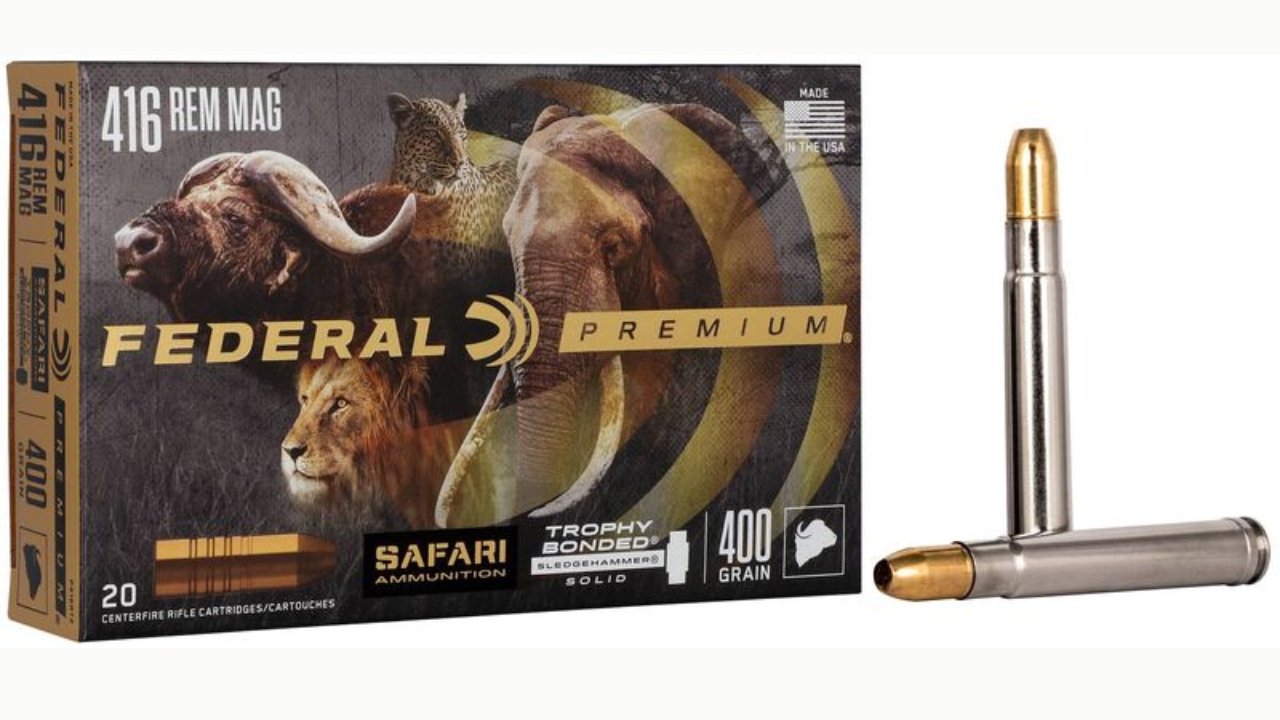
The .416 Remington Magnum produces a similar recoil experience to the Rigby but often feels sharper because the rifles are slightly lighter. The recoil pulse hits quickly, and the muzzle rise can be significant. This combination makes it difficult to maintain a clean sight picture through the shot.
The cartridge performs well on large game, but it’s far beyond what most hunters need or want for anything smaller. Range sessions become short unless you’re accustomed to heavy recoil, and the cartridge forces you to focus more on bracing yourself than on shooting fundamentals. Confidence can erode quickly once your shoulder starts feeling the strain.
.378 Weatherby Magnum
The .378 Weatherby Magnum belongs in a category all its own in terms of recoil. The stock comes back with serious energy, and the rifle often rises sharply before settling again. Even experienced shooters feel the need to reset between shots simply to stay composed.
This cartridge delivers exceptional velocity, but the recoil is so intense that it becomes difficult to practice effectively. A few rounds are manageable, but extended sessions are physically exhausting. For hunting deer or similar-sized animals, the recoil offers nothing but discomfort and makes accuracy tougher to maintain. It’s a cartridge designed for extreme performance, but the recoil can shake your confidence fast.
.340 Weatherby Magnum
The .340 Weatherby Magnum delivers powerful ballistics, but it also delivers stiff recoil that many hunters underestimate. The rifle tends to snap upward quickly, especially in lightweight setups. Over time, this recoil can disrupt your rhythm and reduce your confidence when settling behind the trigger.
Even though it performs well on large game, the recoil makes it harder to maintain good technique. Shooting from hunting positions magnifies the challenge, especially if you’re shooting uphill or downhill. Many hunters who test the .340 Weatherby realize that its recoil demands more conditioning and discipline than they expected. It’s a hard hitter with a learning curve.
.458 Lott
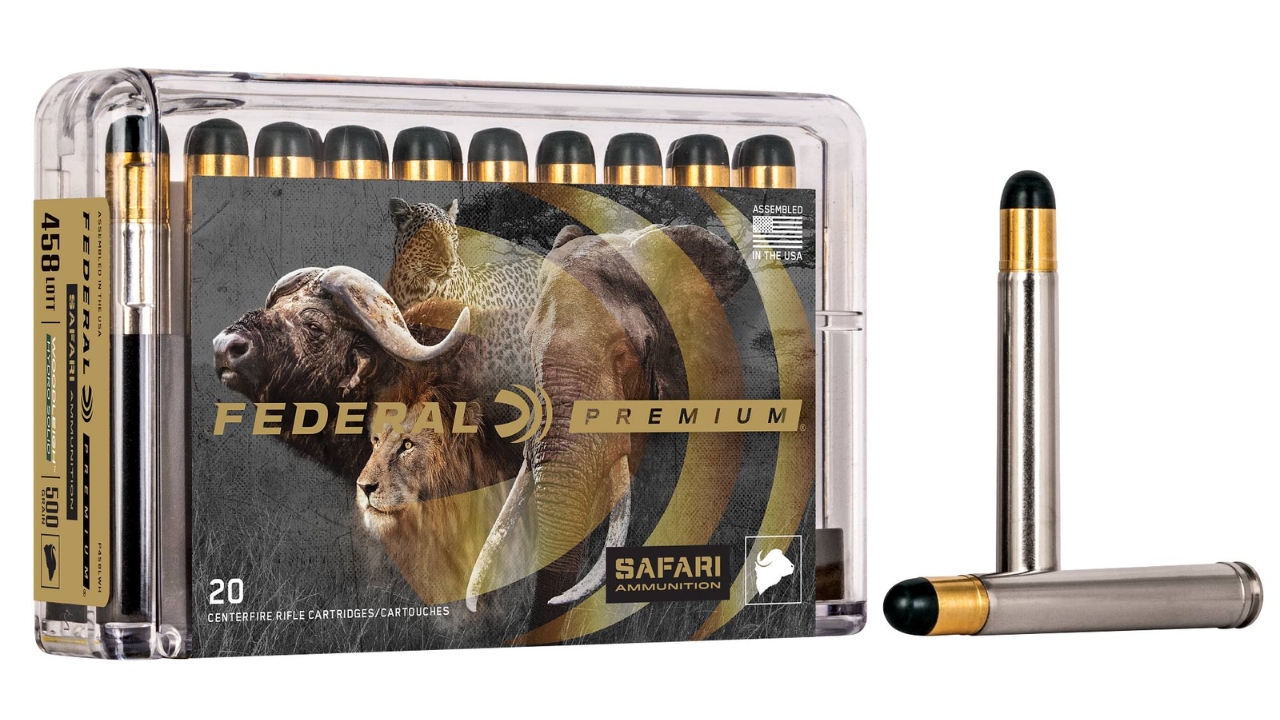
The .458 Lott was built for dangerous game, and that purpose shows when you pull the trigger. The recoil is deep, fast, and punishing. Even with a firm stance, the rifle’s movement can disrupt your control. It’s a cartridge that requires absolute awareness of your position before firing.
For deer hunting, the Lott is entirely unnecessary and likely counterproductive. The recoil can quickly erode your confidence and affect accuracy. Most hunters who try the Lott leave the range with a sore shoulder and a new respect for recoil management. It’s powerful, but it demands a level of conditioning most shooters never need.
.450 Marlin
The .450 Marlin offers a lot of energy, but in lightweight lever guns, the recoil becomes extremely demanding. The rifle tends to jump hard, which makes it difficult to stay in control during follow-through. Hunters who underestimate its recoil often find themselves adjusting their stance or grip after every shot.
While it has real performance value for close-range hunting, the recoil limits how long most shooters can practice comfortably. After several rounds, fatigue sets in, and accuracy starts to fade. For many deer hunters, the cartridge simply delivers more punishment than required.
.50 BMG (From Lightweight Rifles)
The .50 BMG isn’t common in the deer woods, but plenty of hunters have tried it from lightweight rifles or single-shot platforms. Without a substantial brake, the recoil becomes overwhelming. Even with one, the force is still considerable and can fatigue you quickly.
Shooting the .50 BMG from field positions is nearly impossible for most shooters because the recoil breaks your stance immediately. While the cartridge offers extreme ballistics, it’s far more than necessary for any deer hunt. The recoil isn’t just heavy—it’s physically draining. If you’re not prepared, the .50 BMG can shake your confidence in a single session.
Like The Avid Outdoorsman’s content? Be sure to follow us.
Here’s more from us:
The worst deer rifles money can buy
Sidearms That Belong in the Safe — Not Your Belt
*This article was developed with AI-powered tools and has been carefully reviewed by our editors.