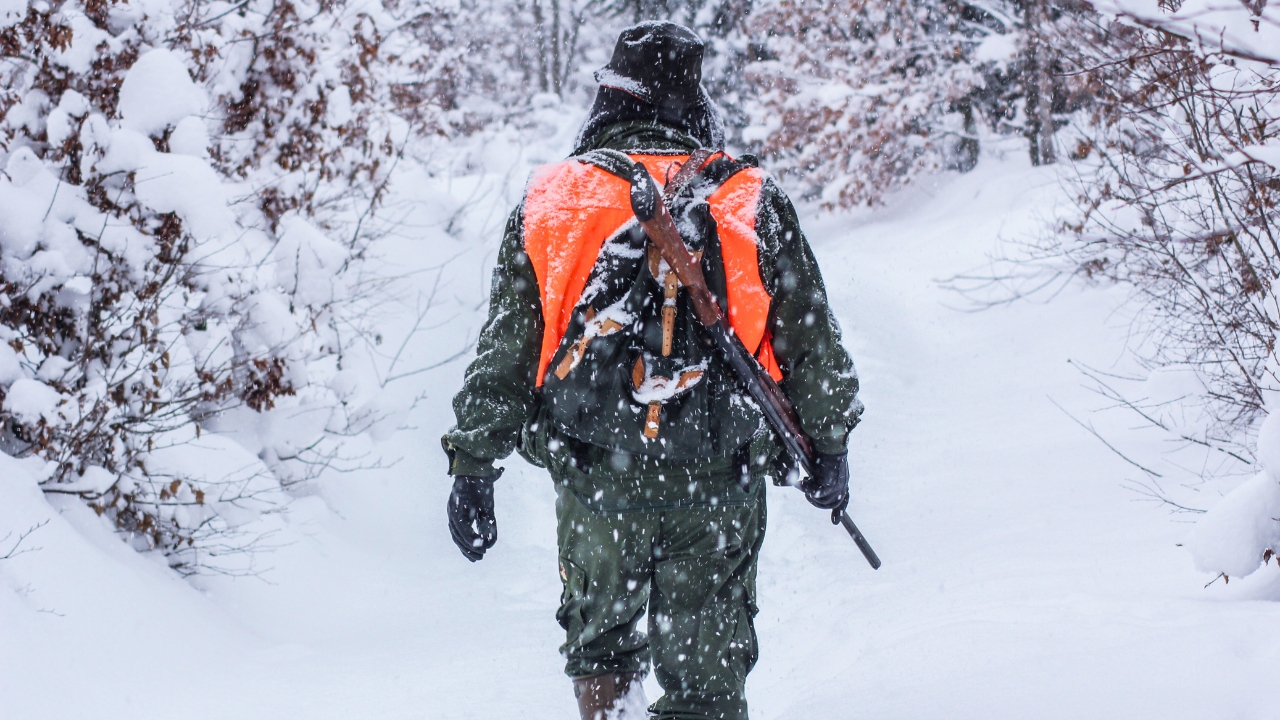
Photo credit: MZStock/Shutterstock.com
Cold weather hunting has a way of exposing weak gear faster than anything else. A lot of mistakes outdoors cost money or pride. Some cost comfort. But when it comes to cold weather, the wrong gear can shut a hunt down entirely. I learned that lesson the hard way on a late-season morning when I decided a cheap pair of gloves would be “good enough.” On paper they looked fine. In real conditions, they failed within minutes.
The problem wasn’t just warmth. It was how quickly cold hands start affecting everything else a hunter does. Trigger control, loading magazines, working a bolt, adjusting optics—every small movement starts to suffer once your fingers lose dexterity. That morning turned into a long, miserable reminder that the cheapest piece of gear in your pack can sometimes become the most important.
Cheap gloves feel fine until the wind hits
The gloves looked decent when I bought them. They were sitting in a discount bin at a big-box sporting goods store, labeled as insulated hunting gloves with a waterproof lining. They weren’t expensive, but they weren’t dollar-store junk either. I figured they would be good enough for a few late-season hunts where temperatures hovered in the low twenties. I had better gloves at home, but I didn’t want to risk tearing them up.
That assumption lasted about twenty minutes once I stepped out of the truck. The first problem showed up as soon as the wind picked up. Cheap gloves tend to use thinner insulation and weaker outer shells, which means wind cuts through them fast. Within minutes I could feel cold air working straight through the fabric. The gloves technically covered my hands, but they weren’t stopping the cold.
Cold fingers ruin fine motor control
Most hunters focus on keeping their core warm. That’s important, but hands are where cold becomes a real operational problem. When fingers start going numb, basic tasks become clumsy fast. I noticed it first when I tried to quietly chamber a round in my rifle. My fingers felt stiff and slow, and I had to look down just to make sure I was doing something I’d done thousands of times before.
That loss of dexterity gets worse quickly. Cold fingers struggle with magazine releases, safety switches, and small adjustments. Even something simple like pulling a zipper or opening a pack pocket turns into a slow process. Hunters who’ve dealt with it know the feeling. Your brain knows what to do, but your hands stop cooperating.
Moisture makes bad gloves even worse
The second failure came from something cheap gloves rarely handle well: moisture. Even when the air temperature stays below freezing, sweat builds up inside gloves while you’re hiking or setting up a stand. Once that moisture soaks into low-quality insulation, warmth disappears quickly.
That’s exactly what happened on that hunt. After a short hike into my stand location, the gloves felt damp inside. Cheap waterproof membranes often fail in two ways: they either leak from the outside or trap sweat on the inside. Mine did the second. Once the insulation got damp, the gloves stopped holding heat at all. Within another half hour my fingers were stiff enough that I had to keep clenching my fists to keep blood moving.
Cheap seams and stitching fail fast
Another issue with bargain gloves is durability. Quality hunting gloves are designed for abrasion from rifle stocks, tree bark, and gear. Budget gloves often cut corners with weaker stitching and thinner materials.
I noticed the problem when I tried to pull myself quietly into a small ladder stand. One of the seams along the palm started separating almost immediately. It wasn’t a catastrophic failure, but it was enough to expose insulation and create a gap where cold air rushed in. Once seams begin to open, the glove quickly becomes useless for serious cold weather.
Cold hands make you rush decisions
One thing people don’t always realize is how much cold affects decision-making. When your hands are freezing, patience disappears fast. Instead of sitting still and waiting for the right moment, your brain starts looking for excuses to move, leave, or speed things up.
That hunt turned into exactly that kind of situation. I found myself constantly flexing my fingers, stuffing my hands into my pockets, and thinking about how long I wanted to stay out there. Instead of focusing on wind direction and movement in the woods, my attention kept drifting back to how cold my hands felt.
That’s when it becomes clear that the wrong gear isn’t just uncomfortable. It’s distracting.
Quality gloves solve problems cheap ones can’t
After that hunt, I stopped trying to save money on gloves meant for cold weather. The difference between budget gloves and well-built ones is more than just insulation thickness. Good gloves use wind-blocking outer layers, better synthetic insulation, and designs that allow fingers to move naturally.
Some hunting gloves also combine insulation with dexterity by using trigger-finger designs or flip-back finger caps. Those features might seem unnecessary until you’ve tried to operate a firearm with numb fingers. Once you’ve dealt with that frustration, those small design details start to make a lot more sense.
Layering hands works better than one thick glove
Another lesson that came out of that experience is the value of layering. Instead of relying on one bulky glove, many experienced hunters use a two-layer system. A thin liner glove provides dexterity and stays on your hands during shooting or gear adjustments. Over that, a thicker insulated glove or mitten provides warmth while you’re sitting still.
That approach solves several problems at once. The liner glove keeps skin protected from cold metal or wind, while the outer glove traps heat when you’re not actively using your hands. It also helps manage sweat better than a single thick glove.
Cold weather exposes weak gear fast
Cold weather hunting has a way of revealing gear problems immediately. In warmer conditions, weak equipment might survive for months before showing flaws. In freezing temperatures, bad gear can fail in minutes.
Gloves fall into that category more than most people expect. They’re small, inexpensive compared to other hunting equipment, and easy to overlook. But once temperatures drop and wind picks up, gloves become one of the most important pieces of gear a hunter carries.
That hunt ended earlier than I planned. My hands were too cold to stay focused, and the experience made one thing clear. Saving money on cold-weather gloves seemed smart in the store. Out in the woods, it turned out to be one of the worst gear decisions I’d made in a long time.
Like The Avid Outdoorsman’s content? Subscribe to our newsletter so you never miss an article.
Here’s more from us: