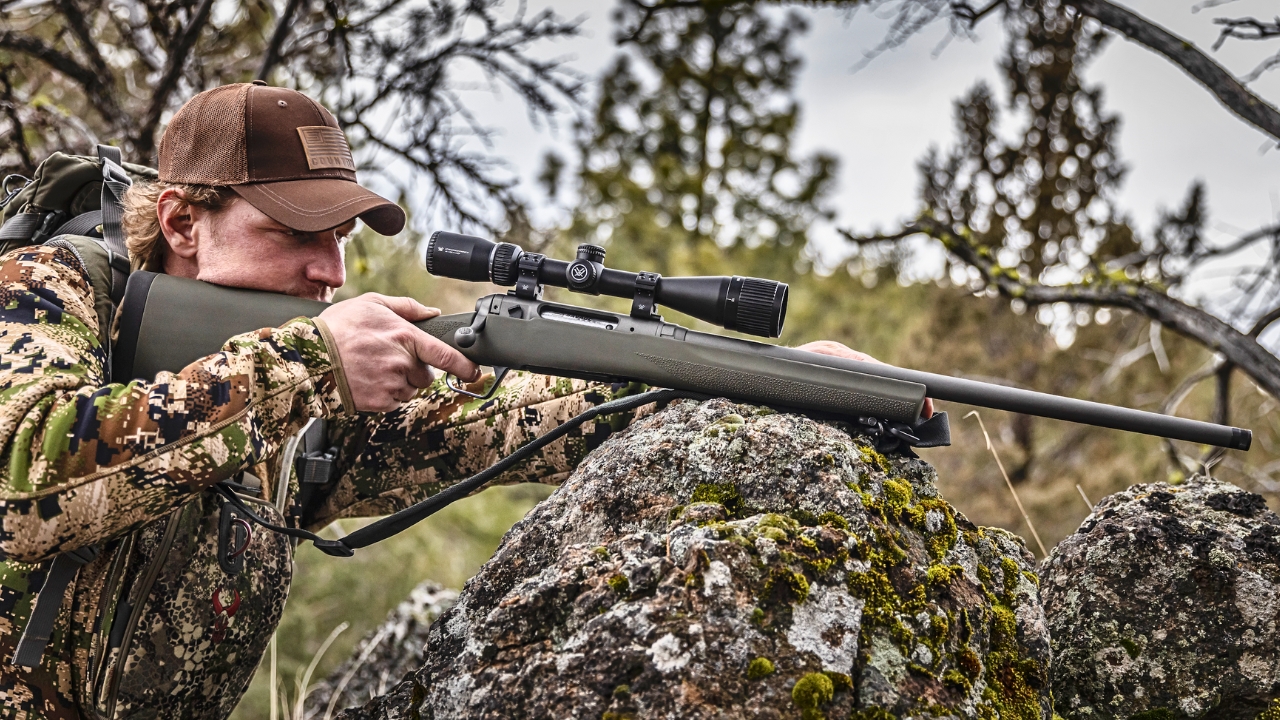
Photo credit: Savage Arms
When you’re hunting or shooting for precision, you expect the recoil you endure to translate into performance. But not every heavy hitter delivers on that promise. Some calibers kick like a mule without giving you a meaningful advantage in range, stopping power, or terminal performance. Overkill doesn’t always equal effectiveness, especially when accuracy, follow-up shots, and comfort matter most. Understanding which cartridges aren’t worth the bruises saves you time, money, and shoulder pain. Here are 12 calibers where the trade-off often fails to pay off.
.338 Lapua Magnum

There’s no question the .338 Lapua is a powerhouse, but for most hunters, it’s overkill. The recoil is brutal, especially in lighter rifles, and barrel life suffers when you’re pushing rounds this hot. Unless you’re shooting extreme long-range targets or hunting very large game, its performance gains don’t justify the punishment.
A well-placed shot from more manageable calibers like .300 Win Mag or 7mm PRC often achieves the same results without the fatigue and flinch factor that comes from firing the Lapua repeatedly.
.375 H&H Magnum

The .375 H&H Magnum has a long history with dangerous game hunting, but for many shooters, the recoil-to-reward ratio is rough. While it delivers plenty of energy, most hunters targeting deer, elk, or similar-sized animals rarely need this level of power.
Add in heavier rifles, expensive ammo, and slower follow-up shots, and you’re looking at more drawbacks than benefits for typical field conditions. Unless you’re headed to Africa or Alaska for massive animals, there are more comfortable calibers that handle the job effectively.
.458 Winchester Magnum

The .458 Win Mag was designed for stopping big, dangerous game, but that level of energy isn’t necessary for most hunting situations. The recoil is punishing, and the rifle weight needed to tame it adds fatigue when you’re covering miles in the field.
For many shooters, accuracy suffers after the first few shots, especially without significant practice. If you aren’t chasing Cape buffalo or brown bear, this cartridge is more trouble than it’s worth and burns energy without providing proportional hunting advantages.
.300 Remington Ultra Magnum

The .300 RUM is a flat-shooting beast, but the recoil comes fast and hard. For all the punishment it dishes out, its practical gains over more balanced options like .300 Win Mag or 7mm PRC aren’t as significant as marketing suggests.
Add in its appetite for powder and quicker barrel wear, and it’s easy to see why many shooters end up sidelining it after a few seasons. If you’re not consistently shooting extreme distances, a more forgiving magnum gets the job done with less beating on your shoulder.
.416 Rigby

The .416 Rigby is an impressive cartridge built for dangerous game, but if you’re hunting anything smaller than buffalo or elephant, it’s overkill in the truest sense. Even in heavier rifles, the recoil is relentless and can make long practice sessions nearly impossible.
Unless you’re in a situation where you need maximum stopping power, you’ll benefit more from a cartridge that balances power with control. For most North American hunting, the Rigby is excessive and wears you down faster than it pays off.
.450 Bushmaster
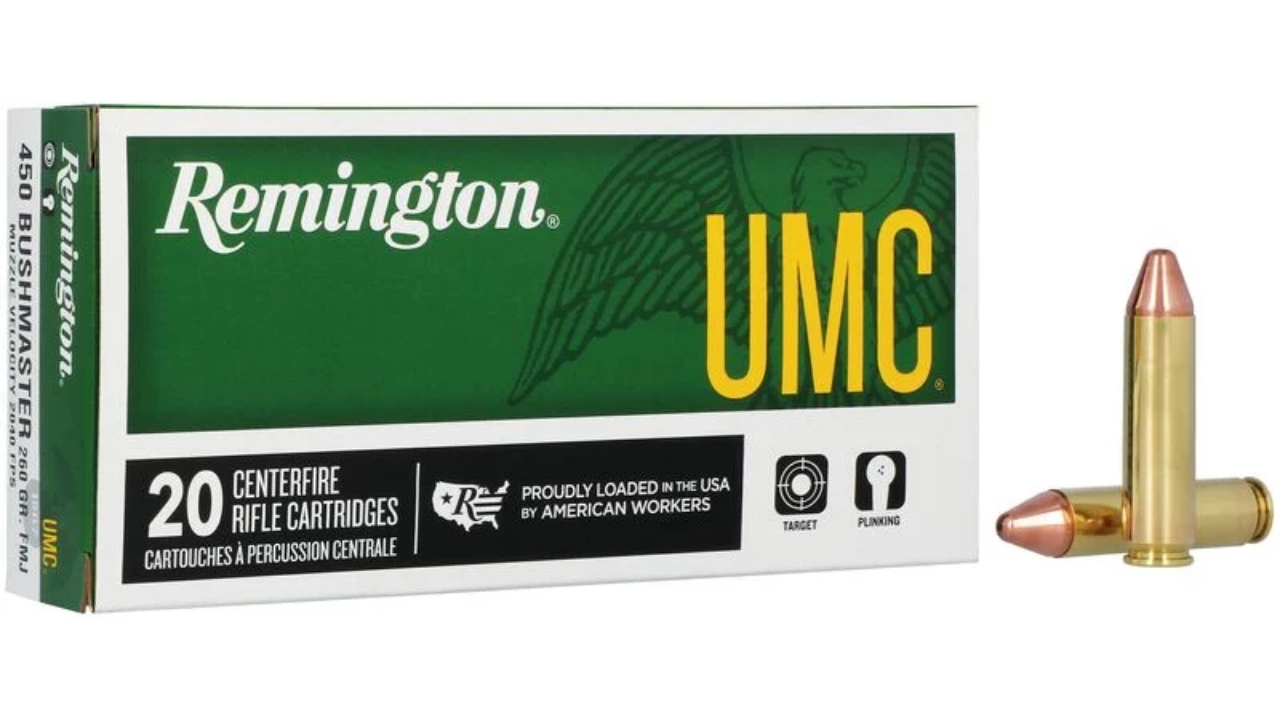
The .450 Bushmaster is a popular straight-wall cartridge, but its recoil surprises many first-time shooters. While it hits hard at short distances, its effective range drops quickly, limiting versatility in the field.
Compared to moderate recoiling options like .350 Legend or .308 Win, you’re taking more punishment for less flexibility. If you hunt in straight-wall states, it works, but calling it a comfortable shooter would be stretching the truth—especially for smaller-framed shooters or extended range sessions.
.338 Winchester Magnum

The .338 Win Mag delivers a powerful punch, but for most North American hunting, it borders on overdoing it. While capable, its recoil can lead to inconsistent groups and slower follow-up shots for those who don’t put in significant practice time.
It’s designed for bigger animals at longer distances, but many hunters carry it into situations where a milder cartridge would perform just as well. If you’re mostly chasing deer, black bear, or antelope, you’re getting beat up for gains you won’t use.
.458 Lott
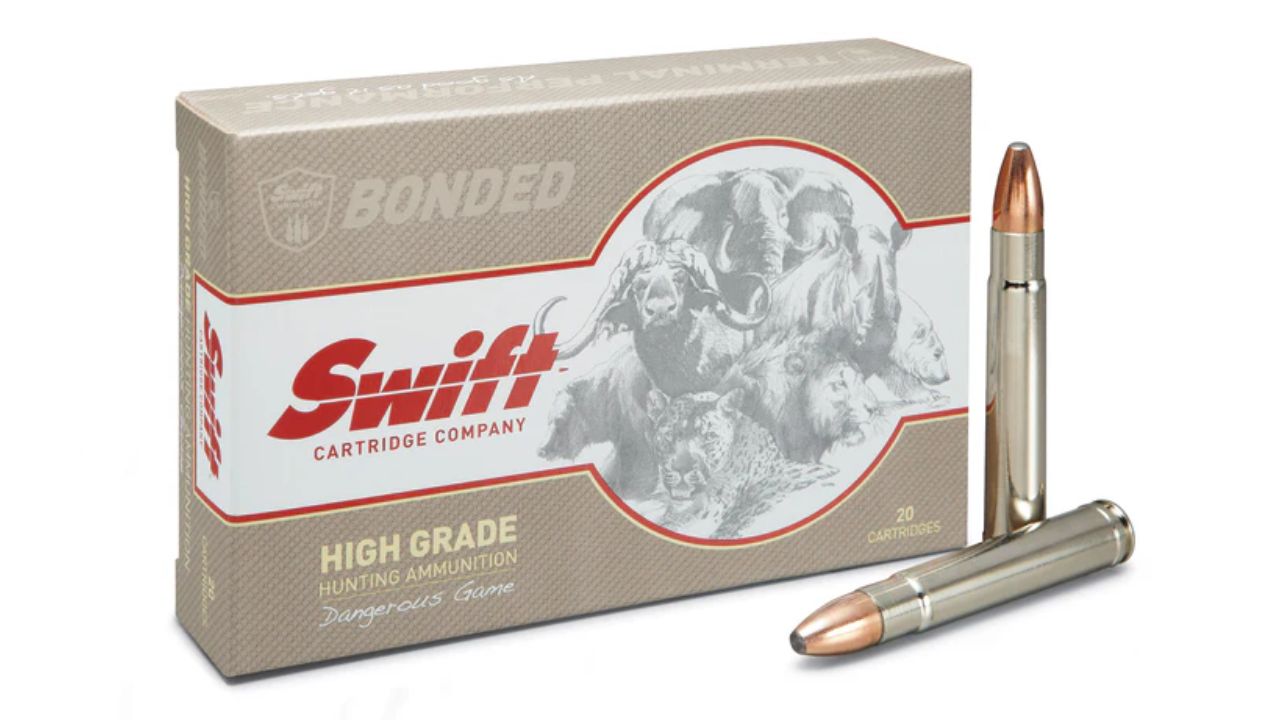
Designed to improve on the .458 Winchester Magnum, the .458 Lott succeeds in power—but that also means even heavier recoil. While it’s highly effective on dangerous game, it’s rarely necessary for typical hunting scenarios outside Africa’s largest animals.
Even experienced shooters often describe it as “borderline punishing.” The energy transfer is there, but so is the pain. If your rifle isn’t built with proper stock geometry and weight distribution, expect fatigue and flinching to creep in long before the hunt ends.
.45-70 Government in lightweight rifles

The .45-70 is a classic, and when loaded moderately, it’s manageable and effective. But with hot modern loads in lightweight lever-actions, recoil spikes quickly. Many shooters expect a soft push and are surprised by how much punishment it delivers at the bench.
If you stick to traditional loads, it’s enjoyable and versatile. Push it hard in modern rifles, though, and you’ll find it less fun and more fatiguing than anticipated—especially for extended range sessions or multiple sight-in adjustments.
.300 Weatherby Magnum

The .300 Weatherby offers excellent velocity and range, but its recoil hits harder than many shooters expect. While it performs well at extended distances, the gains over the .300 Win Mag are minimal for most hunters.
The additional speed often doesn’t justify the added fatigue, especially when accuracy and follow-up shots matter. If your primary goal is ethical, consistent hits rather than absolute velocity, this cartridge demands more from you than it typically gives back in return.
.460 Weatherby Magnum

If you want raw power, the .460 Weatherby delivers—but at a significant cost to comfort. It’s built for stopping some of the planet’s most dangerous animals, and in that role, it excels. Outside of that, though, the recoil makes it nearly impractical for regular use.
Even with a well-built rifle, managing its kick takes serious experience and preparation. Unless your hunts take you into extreme territory where you need maximum energy, this cartridge spends more time punishing the shooter than producing meaningful advantages.
.338 Remington Ultra Magnum
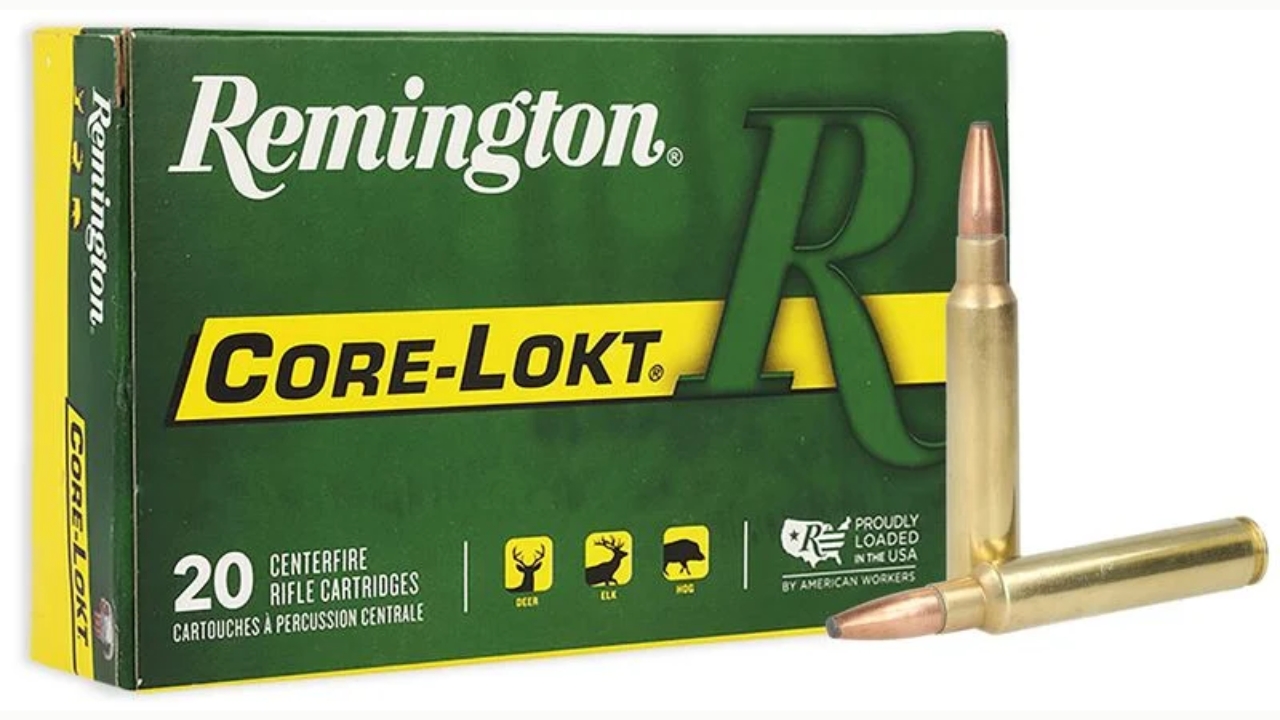
The .338 RUM pushes bullets at incredible speeds, but shooters pay for it with heavy recoil, shorter barrel life, and high ammo costs. It can perform beautifully at long range, but only if you’re comfortable managing the abuse that comes with it.
Many hunters find that 7mm PRC, .300 Win Mag, or .30 Nosler provide excellent results without wearing them down after a few boxes. If you’re not regularly shooting 600+ yards, this cartridge can feel like a workout without enough real-world payoff.
*This article was developed with AI-powered tools and has been carefully reviewed by our editors.