

Photo credit: Christensen Arms
A hot barrel is where a lot of “accurate” hunting rifles start telling the truth. Thin sporter tubes heat fast, pressure shifts in the stock start showing up, and your groups can walk enough to make you blame the scope or the ammo. If you like to verify zero with a real string, practice from field positions, or shoot steel after you hunt, you want a rifle that stays predictable once the temperature climbs.
The rifles that hold accuracy with heat usually share the same basics: more barrel contour, stiffer stocks or chassis, bedding that doesn’t change when things warm up, and a setup that doesn’t pinch the barrel when you load it on a bag or bipod. None of these rifles are immune to physics, but they give you far more consistency when you’re shooting past “one cold shot and done.”
Tikka T3x CTR

The T3x CTR is one of the easiest ways to get a hunting-capable rifle that doesn’t fall apart once the barrel warms. The heavier contour buys you time, and the action and barrel tend to be consistent enough that you don’t get that frustrating “first group is great, second group is not” swing.
It’s also forgiving about how you shoot it. Load it on a bag, shoot off a bipod, shoot from sticks—the point of impact usually stays steadier than most sporter rifles. It’s still a hunting rifle, not a bench gun, so you don’t mag-dump it and expect miracles. But for normal practice strings and real confirmation groups, the CTR has a reputation for staying honest when the barrel is hot.
Bergara B-14 HMR

The B-14 HMR lives in that sweet spot where it’s still a hunting rifle, but it carries enough barrel and stock stiffness to behave like a more serious shooter. The heavier barrel and solid platform help keep your groups from wandering once the heat builds, which is exactly what you want for real-world practice.
The stock design helps too. You can load it consistently without the rifle flexing and changing how the barrel is stressed. That matters when you’re shooting from bags, bipods, or improvised rests in the field. It’s not weightless, and you feel it on long hikes, but the payoff is repeatable accuracy through longer strings. If you want a rifle that lets you practice the way you actually shoot without chasing hot-barrel surprises, the HMR is built for that.
Bergara Premier HMR Pro

The Premier HMR Pro is a step up in refinement, but the real advantage is consistency when you’re shooting more than a couple rounds. A quality barrel and a stiff, stable setup tend to reduce the “walk” you see in lighter hunting rifles. It’s the kind of rifle that lets you focus on fundamentals instead of wondering if the barrel is the problem.
It’s also designed to be shot from support. If you’re practicing from a bipod, a pack, or a barricade-style rest, the rifle stays predictable because the platform doesn’t flex much. Heat still matters, and you still benefit from sensible cadence, but the rifle doesn’t change personality every time the barrel warms. For the hunter who also trains like a shooter, that stability is worth real money.
Howa 1500 HCR

The Howa 1500 HCR is a hunting-capable rifle that behaves well once the barrel is warm because it leans into the “shoot it a lot” side of the spectrum. The heavier contour and rigid chassis-style setup keep things stable when you’re working through longer practice strings.
What you notice is repeatability. The rifle tends to hold point of impact better when you’re shooting from a bipod or bags because the fore-end isn’t flexing into the barrel. That consistency also makes load testing less of a headache. You’re not constantly wondering if the group opened because the barrel heated or because the load is wrong. It’s not a featherweight mountain rifle, but if you want a rifle that can hunt and also handle real range volume, the HCR is built with hot barrels in mind.
Savage 110 Tactical

The 110 Tactical is built around a heavier barrel profile, and that alone helps it stay steadier as temperature climbs. You don’t get the same rapid heat swing that thin sporter barrels suffer, so your groups tend to stay closer to what the rifle showed you when it was cool.
The other advantage is how stable it is on support. A more rigid stock or chassis-style setup keeps your point of impact from shifting when you load the rifle differently. That’s a real issue with lighter hunting stocks, especially once heat and pressure start stacking up. The 110 Tactical isn’t trying to be a backpack rifle. It’s trying to be a rifle you can practice with seriously, then carry into the field without feeling like you brought a bench gun.
Savage 110 Precision

The 110 Precision leans even harder into stability, and stability is what you want when the barrel gets hot. The platform is rigid, the barrel profile is built to handle strings, and the rifle is less likely to “wander” as you shoot. When you’re practicing the way you’d actually confirm a rifle, that matters.
This is also a rifle that likes consistent technique. When the rifle itself isn’t flexing much, your input becomes easier to measure. If your groups open up, it’s usually you, the ammo, or true heat limits—not a stock that’s changing pressure every time you load it differently. It’s not the lightest hunting choice, but for hunters who shoot a lot and want hot-barrel consistency, the 110 Precision is a practical solution.
Ruger American Hunter

The Ruger American Hunter gives you a more stable setup than many basic sporter rifles, and that helps when you’re shooting multiple groups. The barrel contour and stock system typically do a better job of staying consistent under heat than the lightest hunting configurations.
The bigger benefit is how it behaves off support. When a rifle is more rigid, you can load it on a bag or bipod without pushing the barrel into the stock and changing point of impact. That’s a common source of “hot barrel” complaints that’s really “stock pressure” complaints. The American Hunter isn’t a precision match rifle, but it can be a very steady hunting rifle for the shooter who actually practices. If you want fewer surprises after the third shot, this style of setup helps.
Remington 700 Sendero (heavy-barrel variants)

The Sendero name exists for a reason: it was built to shoot more than a couple shots without falling apart. The heavier barrel profile slows the heat curve, and the overall feel is closer to a field precision rifle than a lightweight deer gun. That’s why people still chase them.
A good heavy 700 setup tends to stay consistent through normal practice strings, especially when the bedding and stock are solid. You still inspect any used example carefully, because abused screws and questionable “upgrades” can ruin a great foundation. But in clean condition, a Sendero-style 700 is the kind of rifle that lets you verify zero, shoot groups, and run drills without watching the point of impact crawl as the barrel warms. It’s a hunting rifle that doesn’t panic when you shoot it like you mean it.
Winchester XPR Long Range

The XPR Long Range is designed for shooters who want more stability than a basic hunting rifle offers. The heavier barrel helps, and the overall package usually behaves more predictably when you’re shooting longer strings. That matters when you’re doing real practice instead of taking one shot and calling it good.
It also carries its weight in the right places. When a rifle has more forward mass, it settles better on a rest and tracks more consistently through recoil. That makes it easier to read your groups without guessing what the rifle is doing. You still manage cadence and let the rifle cool when it needs it, but you’re less likely to see dramatic shifts after a few rounds. For a factory rifle meant to bridge hunting and training, that’s the whole point.
Browning X-Bolt Max Long Range
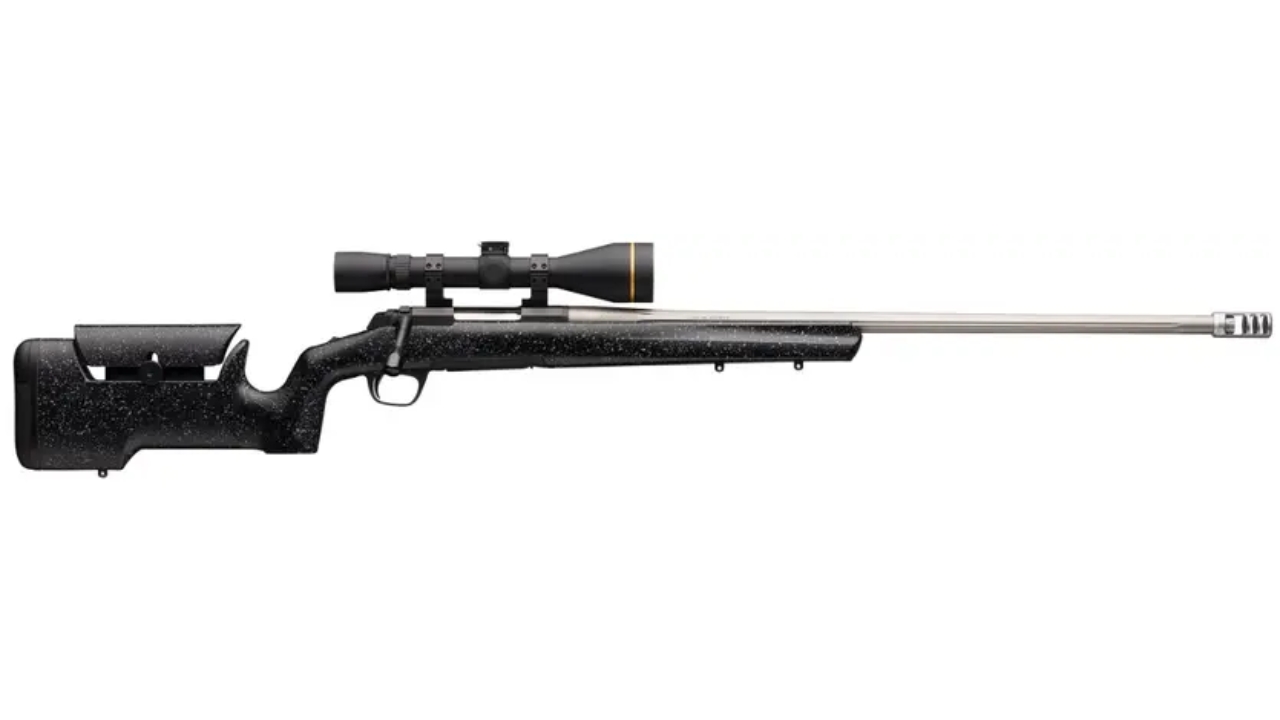
The X-Bolt Max Long Range is built around keeping the rifle steady, and steadiness is what helps hot-barrel performance look less chaotic. The barrel profile and stock design are meant to support repeatable shooting rather than ultralight carry, which is why it tends to stay more consistent once the gun warms up.
The rifle also works well on support, which is where many “hot barrel” issues get blamed incorrectly. A rigid fore-end and consistent bedding reduce the chances that your rest pressure is changing the barrel’s behavior shot to shot. You’re still dealing with heat, and you still benefit from a smart cadence, but the rifle doesn’t start acting like a different gun halfway through a range session. That makes practice more productive and confidence more earned.
CZ 600 Range

The CZ 600 Range is built for shooters who want a rifle that will handle volume without acting temperamental. The heavier contour and stable platform help keep point of impact more consistent as the barrel heats. It’s the kind of rifle that lets you shoot meaningful strings instead of babying the gun after every three rounds.
What you get is a more repeatable system. Load it on a bipod, shoot off bags, run a few groups back-to-back, and you’re less likely to see the dramatic wandering that shows up in thin sporter setups. It’s still a rifle you can hunt with, especially if you accept the weight, but its real advantage is that you can practice like a shooter. When your barrel is hot and you’re still seeing predictable behavior, you’re learning something useful.
Sako S20 Hunter
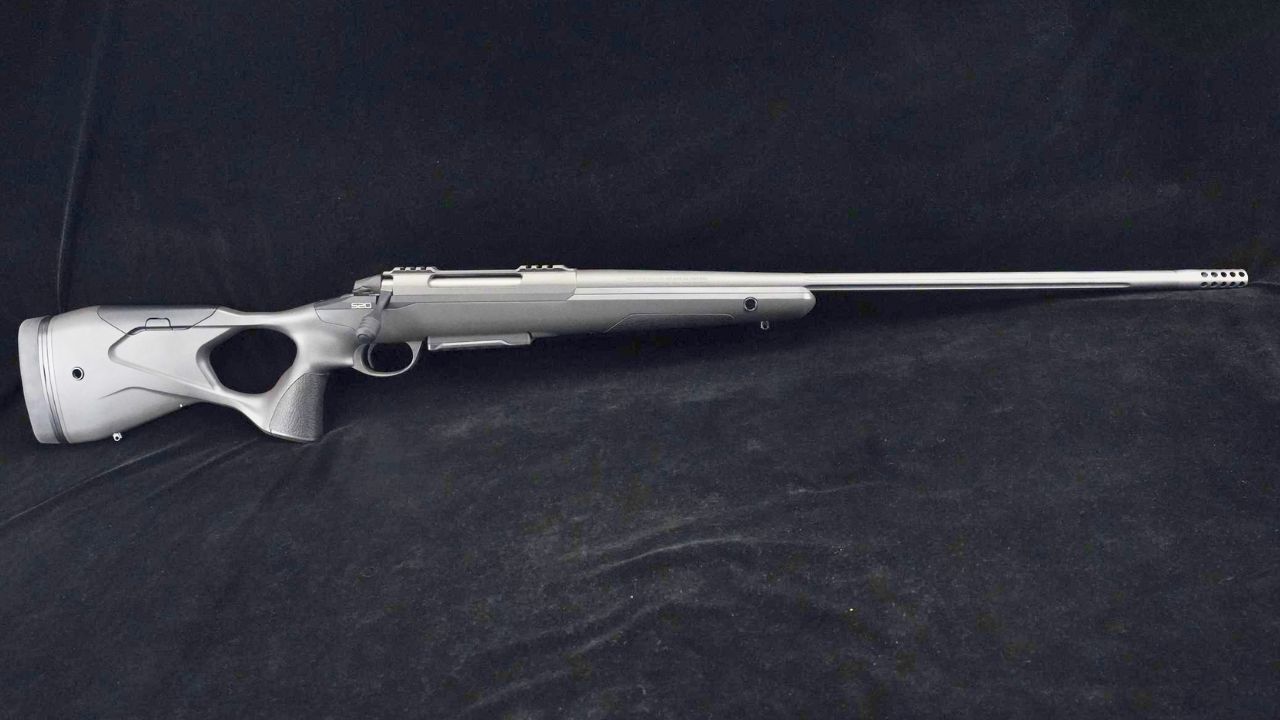
The S20 Hunter is a hunting rifle that leans into stability more than the typical ultralight class. The modular chassis-style design and overall stiffness help it stay more consistent when conditions change, including when the barrel warms. That’s a big deal if you’re the type who actually shoots your hunting rifle year-round.
The S20’s strength is repeatable interface. Your support pressure, your cheek weld, and how the rifle sits on a rest tend to stay more consistent because the platform is rigid. That doesn’t mean heat can’t open groups, but it reduces the “mystery shift” you see when stocks flex or contact points change. If you want a hunting rifle that behaves more like a training rifle without going full competition weight, the S20 is built for that middle lane.
Seekins Havak PH2
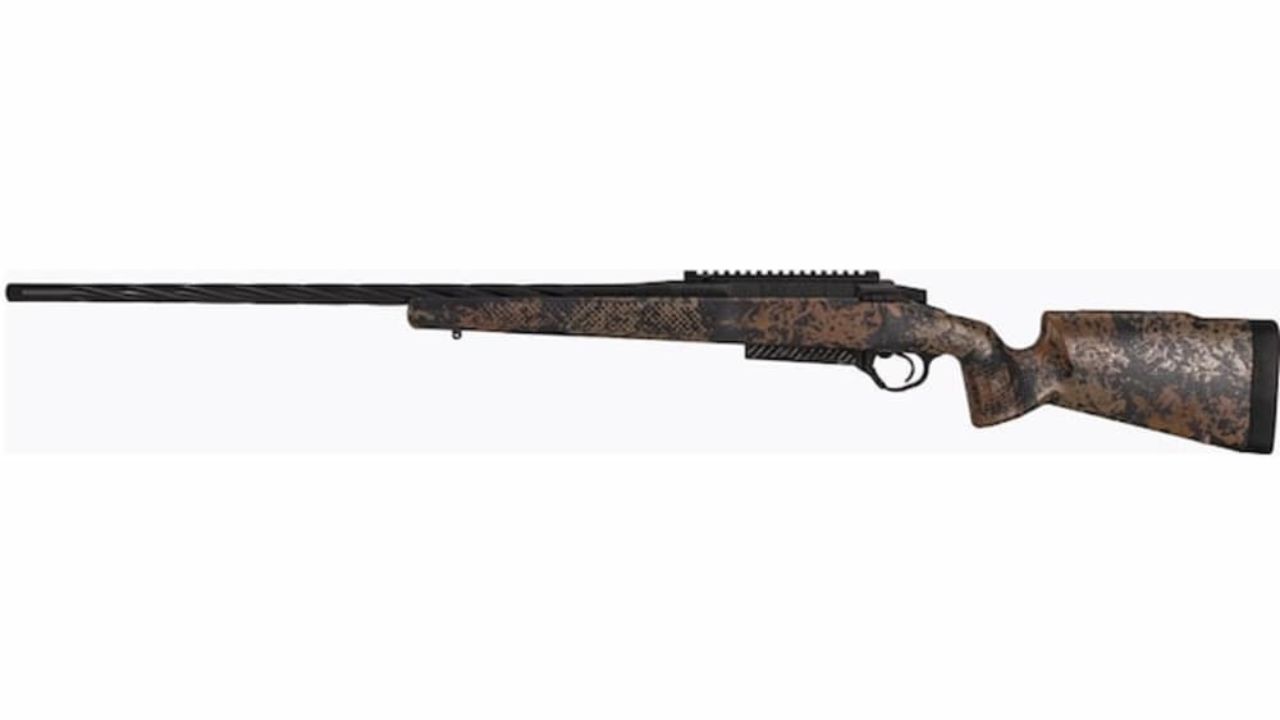
The Havak PH2 is a serious rifle built by people who understand that hunters also shoot a lot. The action feel is smooth, and the platform tends to hold together through longer strings better than many lightweight hunting rifles. A more substantial barrel profile helps keep heat from turning into wandering impacts too quickly.
It’s also a rifle that likes consistent technique, and that’s a compliment. When the rifle itself is stable, you can actually diagnose what’s happening—ammo choice, wind calls, shooter input—instead of blaming the platform. You still don’t shoot it like a machine gun and expect groups to stay tiny, but you can run real confirmation strings without watching your point of impact crawl all over the target. For hunters who train, that predictability is the whole reason to buy a rifle like this.
Christensen Arms Modern Precision Rifle (MPR)
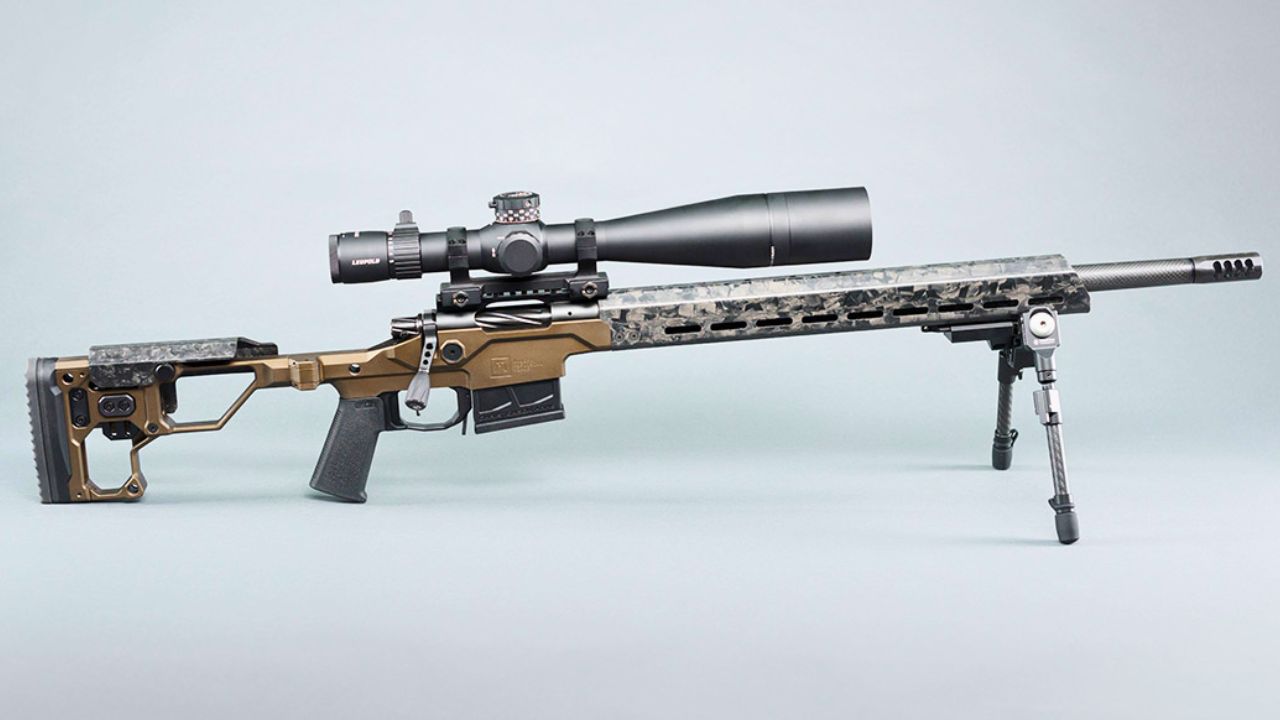
The MPR sits in that hunting/precision crossover where heat management matters, because people actually shoot them in longer sessions. With a more substantial barrel profile than the lightest mountain rifles, it can stay more consistent when you’re running multiple groups, especially if you keep your support pressure consistent.
The chassis-style setup helps reduce the stock-pressure problems that make hot barrels look worse than they are. When a fore-end flexes into a barrel, the rifle can “walk” even before heat is the main culprit. A rigid platform reduces that. You still run smart cadence, and you still let the gun cool when you’re collecting serious data, but the MPR is built to tolerate more shooting without turning into a guessing game. It’s a rifle meant to be used, not admired.
Weatherby Mark V Accumark
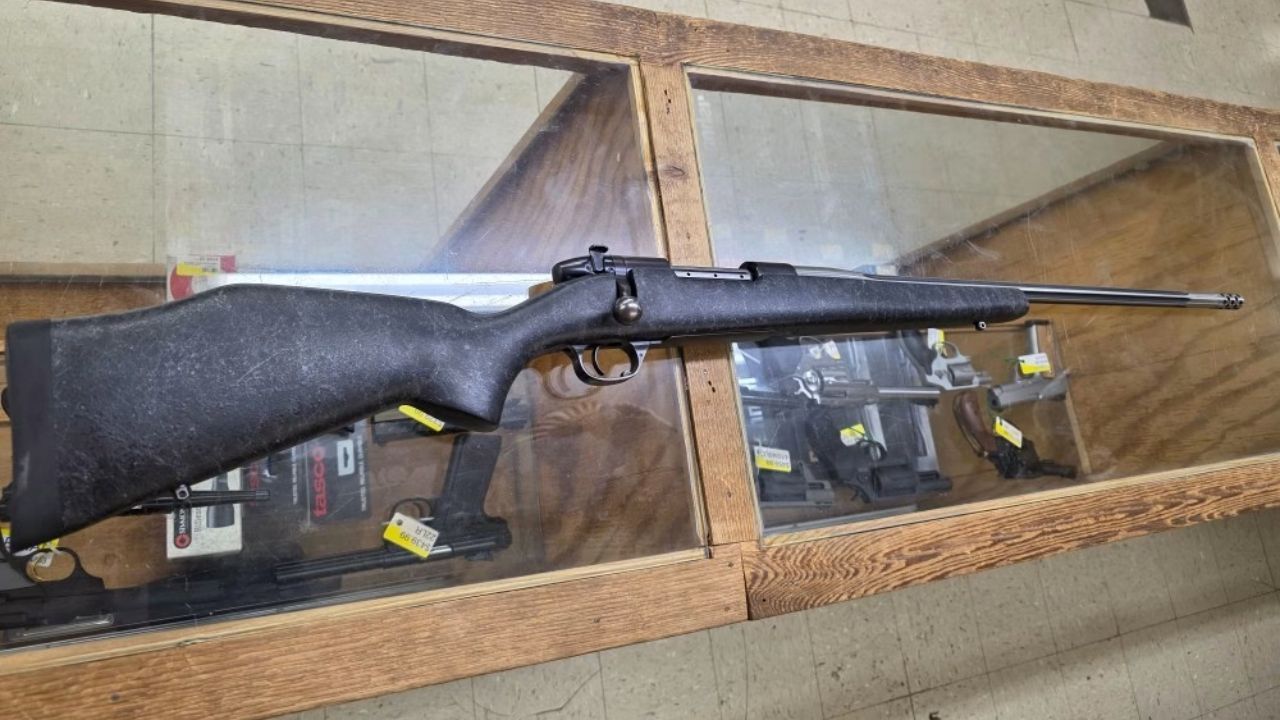
The Accumark has a long reputation as a “shoot it a lot” Weatherby, and the heavier barrel contour is a big part of that. It’s not built around shaving ounces. It’s built around keeping the rifle steady and predictable when you’re shooting more than a couple rounds at a time.
In practice, that means fewer surprises after the barrel warms. You can shoot real groups, confirm your setup, and keep your point of impact closer to what you saw cold. It’s still smart to pace your shooting, but you’re not fighting the rapid heat curve of a thin sporter barrel. The Accumark also tends to be comfortable to shoot, which keeps you practicing instead of dreading recoil. If you want a hunting rifle that stays stable through longer sessions, this is one of the classic factory answers.
Ruger Hawkeye Long-Range Target

This is a hunting-capable rifle that leans into the “I want it to keep shooting” side of the equation. The heavier barrel profile and overall stability help it maintain accuracy deeper into a session, which is exactly what you’re asking for when you want hot-barrel consistency.
The real advantage is how repeatable it is on support. You can load it, shoot it, and not worry as much about the stock flexing into the barrel as heat builds. That keeps your point of impact steadier and makes your practice sessions more honest. It’s heavier than a standard deer rifle, but that weight buys you consistency, and consistency is what lets you trust your data. If you want a rifle that can hunt and also tolerate real practice volume, this kind of build is the point.
Like The Avid Outdoorsman’s content? Subscribe to our newsletter so you never miss an article.
Here’s more from us:


