
There are carry ideas that make sense on paper: “more power,” “more capacity,” “more versatility,” “more safety.” Then you actually carry it day after day—sitting, driving, bending over, sweating, dealing with lint, changing clothes, chasing kids, working around the house—and you learn what real daily carry demands. Convenience matters. Comfort matters. Simplicity matters. And if a gun is annoying enough, you’ll start leaving it behind.
Desert Eagle

Everybody laughs, but people actually buy these and tell themselves it’s “for the truck” or “for fun.” Then reality hits: it’s huge, heavy, loud, expensive to feed, and not remotely practical as a daily defensive tool. It’s a range novelty and a collection piece for most folks, not something you want to build a carry habit around.
Even as a “truck gun,” it’s a weird choice because it demands specific ammo and it’s hard to use discreetly. If your goal is practical defense, there are a hundred better options. The Desert Eagle is cool. Daily carry is not the place for cool.
Taurus Judge
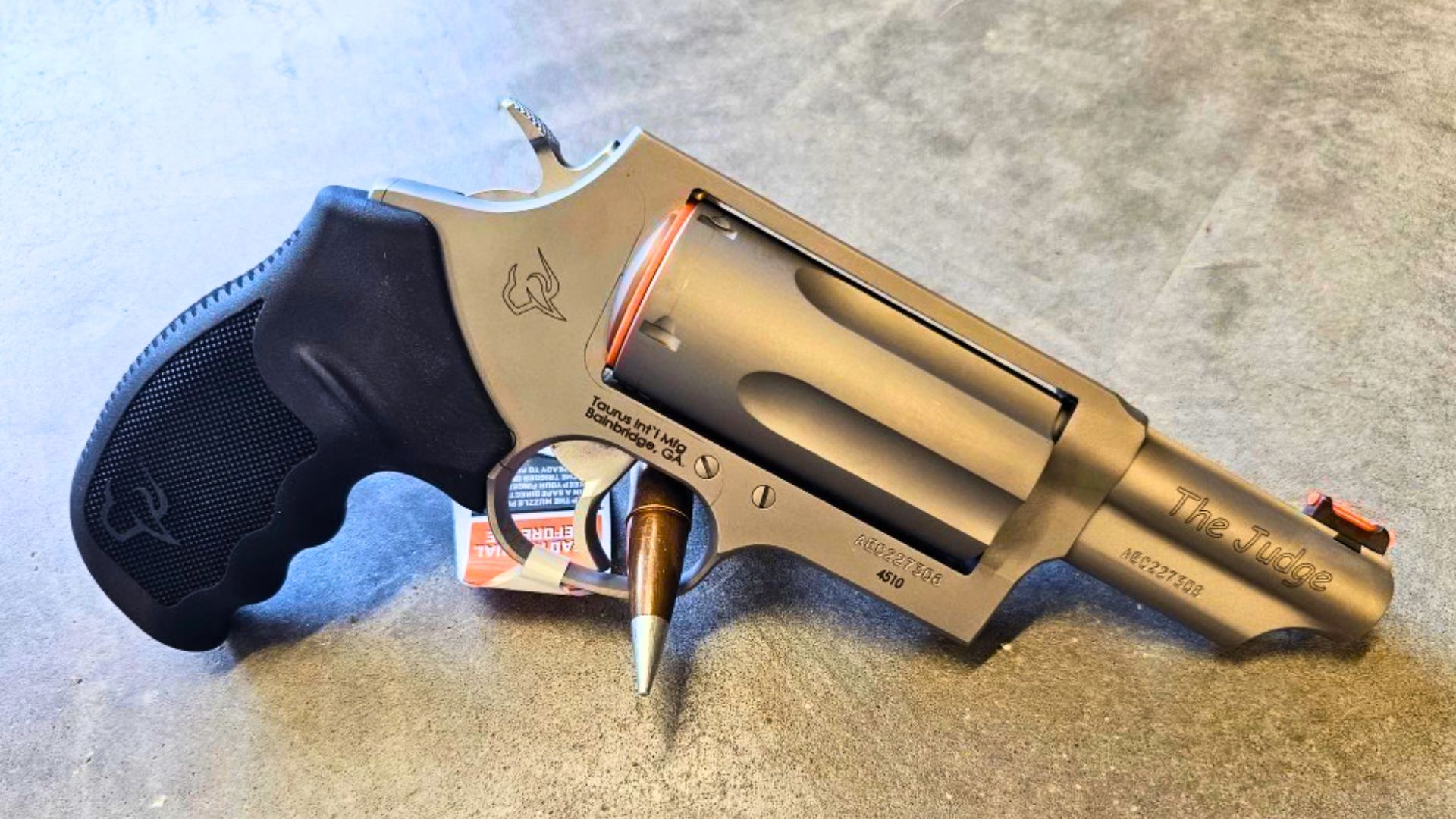
The Judge sounds smart because it’s “versatile.” In the real world, it’s bulky, heavy, and awkward to conceal. A lot of people buy it thinking it’ll cover every scenario, then realize it’s a compromise everywhere. Holster options exist, but it’s not a gun that disappears on a belt.
It also becomes a gun that people don’t practice with much because it’s clunky and the recoil can be unpleasant depending on what you’re shooting. When something is hard to carry and hard to train with, it becomes a gun that lives in a drawer. That’s not what you want.
Smith & Wesson 500

Big-bore revolvers sound smart for wilderness defense. If you’re actually in bear country and you’ve trained, that’s valid. But most people who buy them aren’t carrying them daily. They’re carrying them “sometimes,” and that’s where the plan falls apart. Heavy, bulky, hard to conceal, and not fun to practice with.
Real daily carry requires consistency. A gun that’s too heavy or too annoying won’t stay on your belt. And if it doesn’t stay on your belt, it’s not a carry gun—it’s a “nice idea.”
6″ revolvers as “carry guns”

A 6″ revolver sounds smart to some people because it shoots well and has a long sight radius. Then you try to carry it and you realize you’ve built yourself a full-time inconvenience. It prints, it digs into seats, and it’s hard to keep comfortable through normal movement. People end up leaving it behind.
If you want a revolver you can actually carry daily, you typically end up in smaller frames and shorter barrels. The “carry a big revolver because it shoots great” concept sounds smart… until it turns into “I never have it with me.”
Full-size 1911 in steel (as a daily carry choice)

A steel 1911 sounds smart because it shoots well and has a great trigger. Then you carry it through a full summer and realize it’s heavy, sweat becomes a problem, and you need a good belt and holster just to make it tolerable. Some people do it and love it. Many people don’t stick with it.
It’s also a platform that rewards maintenance. If you’re the type who doesn’t keep up with mags, springs, and lubrication, daily carry with a 1911 can become a headache. The idea is solid. The lifestyle is what makes people quit.
Micro .380s as a “primary” (LCP, Bodyguard class)

Micro .380s sound smart because they’re so easy to carry. The problem is that many people barely shoot them. They’re not enjoyable to train with, and the sights and grips make performance harder for most shooters. As a backup or deep concealment option, fine. As a daily primary, it often turns into “I carry it but I don’t feel confident.”
Daily carry should build confidence, not anxiety. If you’re carrying something you don’t practice with, you’re not really prepared—you’re just comfort-carrying. That’s why so many people eventually move to a slightly larger 9mm that they’ll actually shoot.
Tiny 9s with no optic and minimal sights (deep concealment setups)

People convince themselves they don’t need good sights because “it’s for close range.” Then they realize close range doesn’t always mean easy. Under stress, small sights and short grips make it harder to confirm hits. Carrying it daily is easy. Shooting it well daily is the hard part.
A lot of folks eventually add an optic or move to a pistol with better sight options because daily carry becomes daily reality: you want a gun you can actually use well, not just hide. The “minimalist carry” plan sounds smart… until you try to shoot drills honestly.
Double-stack .45s as daily carry

A double-stack .45 sounds smart if your priority is power and capacity. In real life, it’s thick, heavy, and often harder to conceal without dressing around it. Most people end up carrying it for a while, then slowly shifting to something slimmer and lighter because comfort wins.
It’s also expensive to practice with compared to 9mm, and practice is what makes carry worthwhile. If your daily carry choice discourages training, it’s not a smart choice long term. A lot of .45 double-stacks end up being “winter guns” or “range guns” for that reason.
Long-slide pistols (G34, G17L, etc.) as concealed carry

Long-slide pistols shoot great. Carrying them daily is another story. The extra length digs into seats, prints more, and becomes annoying when you bend and move. Some body types can carry them fine. Many can’t without changing wardrobe and holster setup.
A lot of shooters try it because they want the shootability advantage. Then they realize the daily inconvenience makes them leave it behind more often. The best carry gun is the one you carry. If the length makes you skip days, it’s not the right choice.
“Truck gun” rifles as a carry plan (AR pistol / PCC in the vehicle)

This sounds smart: “I’ll just keep a bigger gun in the truck.” The reality is it’s not on you when you’re away from the truck, and it creates storage and security issues. Also, most people aren’t practicing deployment and use in a realistic way, so it becomes a comfort plan, not a skill plan.
I’m not saying don’t stage guns responsibly. I’m saying don’t fool yourself into thinking a vehicle gun replaces daily carry. Most real-life problems happen when you’re not standing next to your door with perfect setup. Daily carry is about what’s actually on you.
Pocket carry guns with no dedicated holster

This one sounds smart until you realize pocket carry without a proper holster is a mess. Lint, shifting position, inconsistent draw, and a trigger exposed to pocket junk are not serious-carry habits. People do it because it’s easy. Then they eventually have a close call or a scary moment and realize it wasn’t smart—it was lazy.
A pocket gun can be a great solution if it’s done correctly. If you don’t use a proper holster and you don’t practice the draw, you’re carrying a gun in the least consistent way possible. Daily carry needs repeatability.
DAO snubs as a primary when you don’t train

Snubs are simple, but they’re hard to shoot well. Carrying one daily sounds smart because it’s light and snag-free. Then you realize your groups are wide and your speed is slow because the trigger and sight radius demand practice. Without practice, the snub becomes a confidence problem.
For people who train, snubs can work. For people who don’t, they become a “just in case” talisman. Daily carry isn’t about talismans. It’s about skill with the tool you have.
Ultra-light .357 revolvers (340PD / LCR .357) as daily plan

Ultra-light .357s sound like the perfect compromise: strong caliber, easy carry. Then you shoot them and realize they’re unpleasant enough that you avoid practice. Many owners end up carrying .38s anyway, which defeats the whole reason they bought the .357 in the first place.
This isn’t about being tough. It’s about being realistic. A gun you hate shooting won’t get trained with. A gun you don’t train with won’t be used well. That’s why these often sound smarter than they end up being.
Shoulder holster carry as an everyday solution

People like the idea of shoulder carry because it’s comfortable in movies and it can work in certain situations. Day to day, it’s harder to conceal, it requires consistent cover garments, and it changes how you move and dress. Many people try it, then realize it’s not as effortless as they imagined.
If your carry method requires constant wardrobe adjustments, you’ll stop doing it. Daily carry thrives on low-friction solutions. Shoulder rigs can be valid for some roles, but for most normal life they become a hassle, and people abandon them.
Ankle carry as primary

Ankle carry sounds smart when you’re sitting a lot. Then you realize access is slow, the gun gets dirty, it bounces, and it’s uncomfortable for many people. It’s also a challenge to draw under stress without awkward movement. Most folks who start ankle-carrying as primary eventually move it to a backup role or ditch it.
It’s not that it can’t work. It’s that daily carry needs speed, consistency, and comfort. Ankle carry as primary is usually a compromise that creates more problems than it solves.
Heavy all-metal double-stacks (CZ 75, full-size metal guns) as daily concealed carry

Full-size metal guns are great shooters. Daily concealed carry is where the weight catches up. People buy them because they shoot so well, then realize they need a serious belt, serious holster, and a willingness to carry extra weight every day. In hot weather, sweat and comfort become real issues.
A lot of guys end up carrying them for a season and then quietly shifting back to lighter polymer compacts. Not because metal guns are bad—because daily carry is a lifestyle. If the weight makes you skip days, it’s not the right daily choice.
Like The Avid Outdoorsman’s content? Be sure to follow us.
Here’s more from us:


