Photo credit: Springfield Armory
Some pistols feel sharp in the hand no matter what you feed them. You can drop from +P to soft ball, swap bullet weights, even run “training” loads that feel lazy in a duty gun—and the pistol still pops up and snaps back like it’s in a hurry. That snappy feel is usually about timing and leverage more than raw recoil. Light frames start moving sooner. Short slides cycle faster. Short grips don’t give your hands much to hang onto. A higher bore line can add muzzle rise, and narrow grips can concentrate recoil into a smaller contact patch.
You can tame a lot with grip and stance, but some pistols keep a brisk personality because of their size, operating system, or cartridge choice. If you carry these, you learn to manage them. If you’re new to them, they can feel like they’re always one notch sharper than you expected.
Glock 42
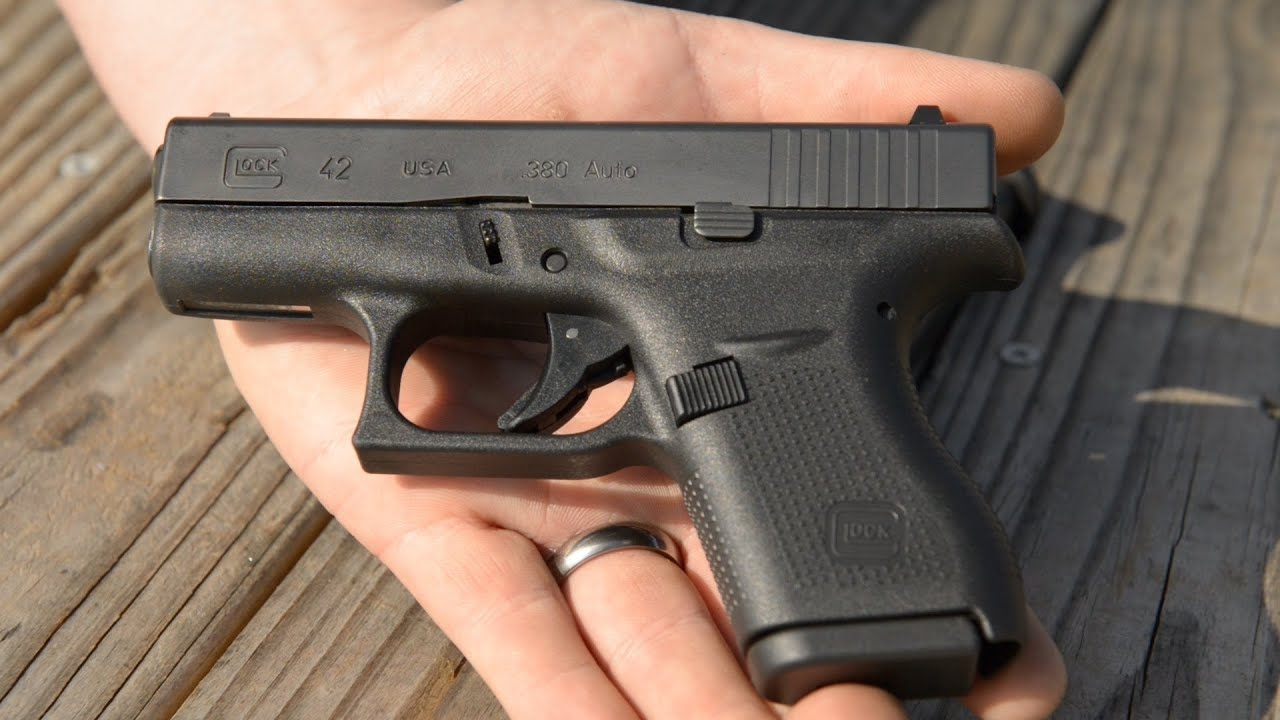
The Glock 42 is one of the softer .380s in its class, yet it can still feel snappy because it’s so small and light. The recoil isn’t heavy, but it’s quick. The pistol moves in your hand, the muzzle lifts, and the short grip gives you less leverage to clamp it down.
Ammo changes the edges—some loads feel smoother than others—but the overall character stays brisk because the gun is built to disappear. A strong support-hand grip and a high hold help, but you’re still dealing with a tiny frame and short sight radius that magnify movement. The G42 is a great “always” gun, and that convenience comes with a recoil impulse that never feels relaxed. It’s controllable, but it stays lively.
SIG Sauer P938

The P938 is a compact 9mm with a lot of personality. It’s metal-framed, which helps, but the grip is short and the gun is still small enough that recoil arrives fast. Even standard-pressure ball can feel sharp because the pistol doesn’t have much mass or grip length to slow the movement down.
The snappy feel shows up most when you’re shooting quickly. The muzzle hops, the gun shifts if your grip isn’t locked in, and you end up spending effort getting back to the sights. A mag baseplate that gives your pinky something to do can make it easier to control, but it doesn’t change the pistol’s quick recoil cycle. The P938 carries well and shoots accurately, but it always feels like a small gun doing big-gun work.
Kimber Micro 9
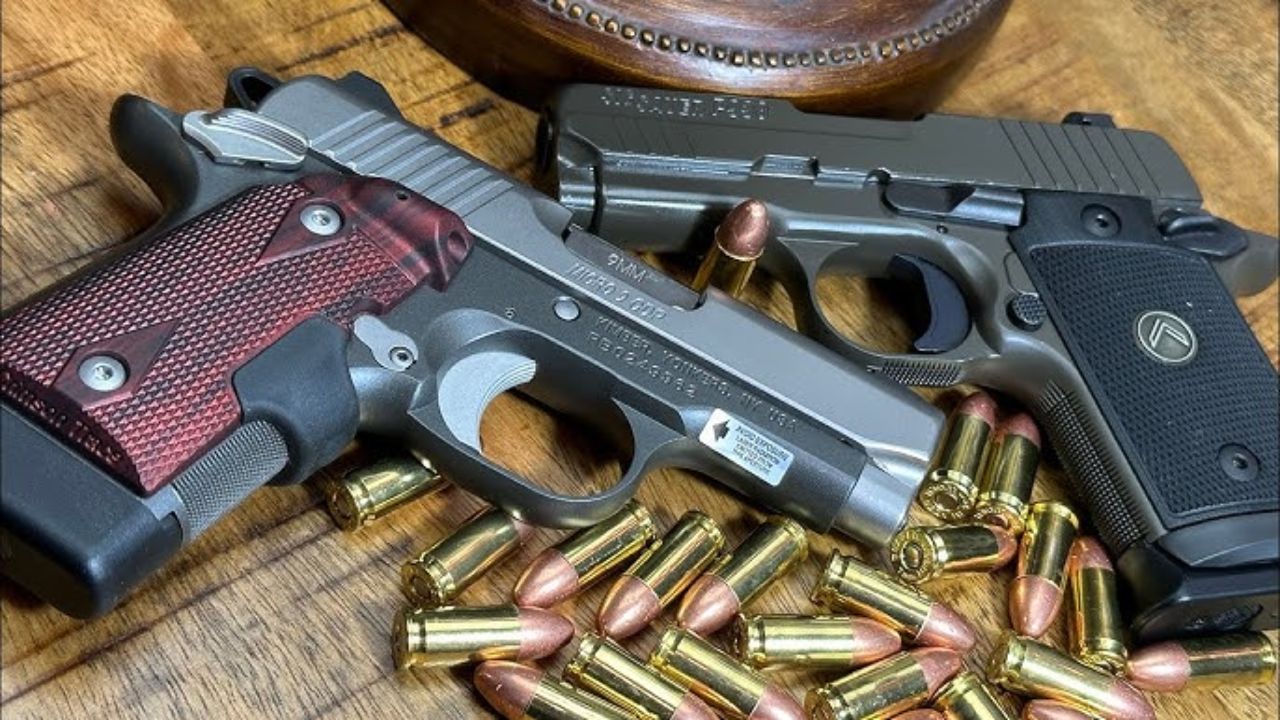
The Micro 9 is another small 9mm that tends to feel brisk regardless of ammo. The size and grip shape encourage the pistol to move, and the recoil impulse comes back fast. Lighter practice loads can soften the push, but the muzzle rise and quick slide cycle still give it that snappy feel.
Part of the experience is the short grip. Without a full, locked-in purchase, the gun rotates and makes recoil feel sharper than it needs to. With a strong support hand, it’s manageable, but it still isn’t a “slow” shooter. The Micro 9 is built for carry first, not comfort over long strings. If you’re trying to run it like a compact duty pistol, it’ll remind you quickly that it’s living in a different weight class.
Ruger LCP II

The LCP II is a pocket .380 that feels like a pocket .380 every time you press the trigger. Even with mild loads, the recoil is quick and concentrated because the gun is tiny, light, and gives your hands very little real estate. The snap is less about power and more about how fast the gun moves.
You can improve control by locking your wrists and gripping it harder than you think you need to, but the gun will still feel sharp. The short grip and narrow frame also make the recoil feel more direct in your palm. The LCP II is a pistol you carry because it’s easy, not because it’s a joy to shoot. If you practice with it the way you should, you accept that it stays snappy across almost any ammo.
Diamondback DB9

The DB9 is extremely compact, and that compactness is why it often feels snappy no matter what you load. You’re working with a very light pistol and a short slide cycle, and the recoil impulse is quick and abrupt. Even softer 9mm loads don’t change the basic physics of a tiny gun moving fast.
The DB9 tends to feel jumpy in the hand during rapid fire. The gun wants to lift and shift, and the short grip doesn’t give you much leverage to stop it. You can shoot it accurately with focus, but it doesn’t reward relaxed shooting. It’s the kind of pistol that feels sharp because it’s doing everything in a small space. If you want a tiny 9mm, you accept that “tiny” usually equals “snappy.”
Smith & Wesson Bodyguard 2.0 (.380)
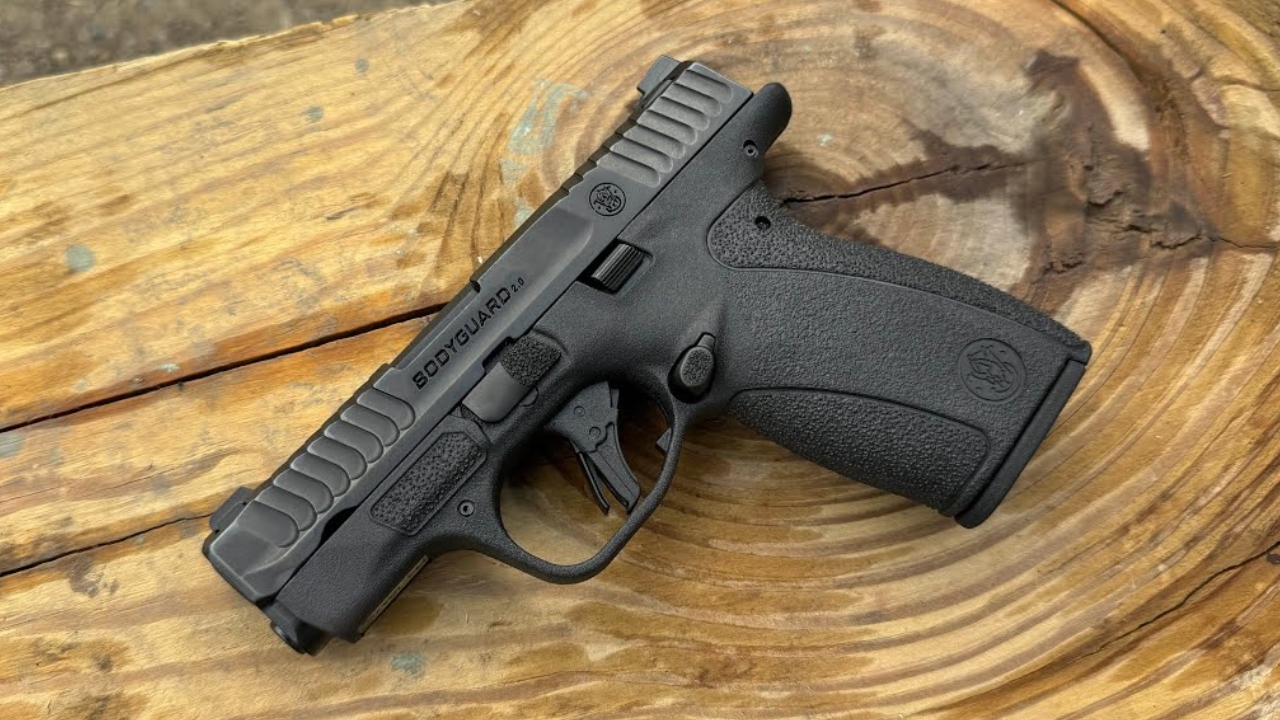
Small .380s often surprise shooters, and the Bodyguard 2.0 is still a lightweight pocket pistol. Even with mild ammo, it has that quick recoil pulse that feels sharper than the cartridge’s reputation. The gun is easy to carry, but it doesn’t have enough mass to make recoil feel slow.
The snap becomes more noticeable during strings because the pistol wants to move and your grip has to do the controlling. A higher, firmer grip and consistent support-hand pressure help, but the character remains brisk. The Bodyguard 2.0 is carried because it’s convenient, and convenience guns rarely feel soft. It’s controllable and practical, but it doesn’t shoot like a larger .380 or a compact 9mm. The recoil stays quick.
Charter Arms Undercover

A small-frame .38 revolver like the Undercover can feel sharp even with standard loads because the gun is light and the grip is compact. The recoil energy isn’t huge, but it hits quickly and the muzzle flips because your hands don’t have much leverage on a small grip.
With +P loads, the snap becomes more noticeable, but even mild ammo still feels brisk. The revolver’s shape concentrates recoil into the grip, and the short barrel makes the whole event feel fast. A better-fitting grip can help spread that impulse out, but the Undercover is still a small revolver. It’s a carry-first tool, and it tends to feel like one. If you’re expecting a gentle .38 experience, the Undercover can feel sharper than you’d think.
Taurus 605 (.357)

The Taurus 605 is a small revolver chambered in .357, and that’s almost always a recipe for snap. Even when you shoot .38 Special, the gun is still a compact frame with a brisk recoil feel. With .357 loads, it becomes a fast, sharp impulse that you feel immediately.
What makes it “snappy no matter what” is the gun’s weight and grip size. You can drop down to mild ammo and reduce the sting, but the revolver still moves quickly because it’s small and light. The muzzle rise happens fast, and the gun demands a firm hold to keep it from rocking. The 605 is practical and easy to carry, but it’s rarely comfortable for long sessions. It stays lively across loads.
SIG Sauer P320 Compact
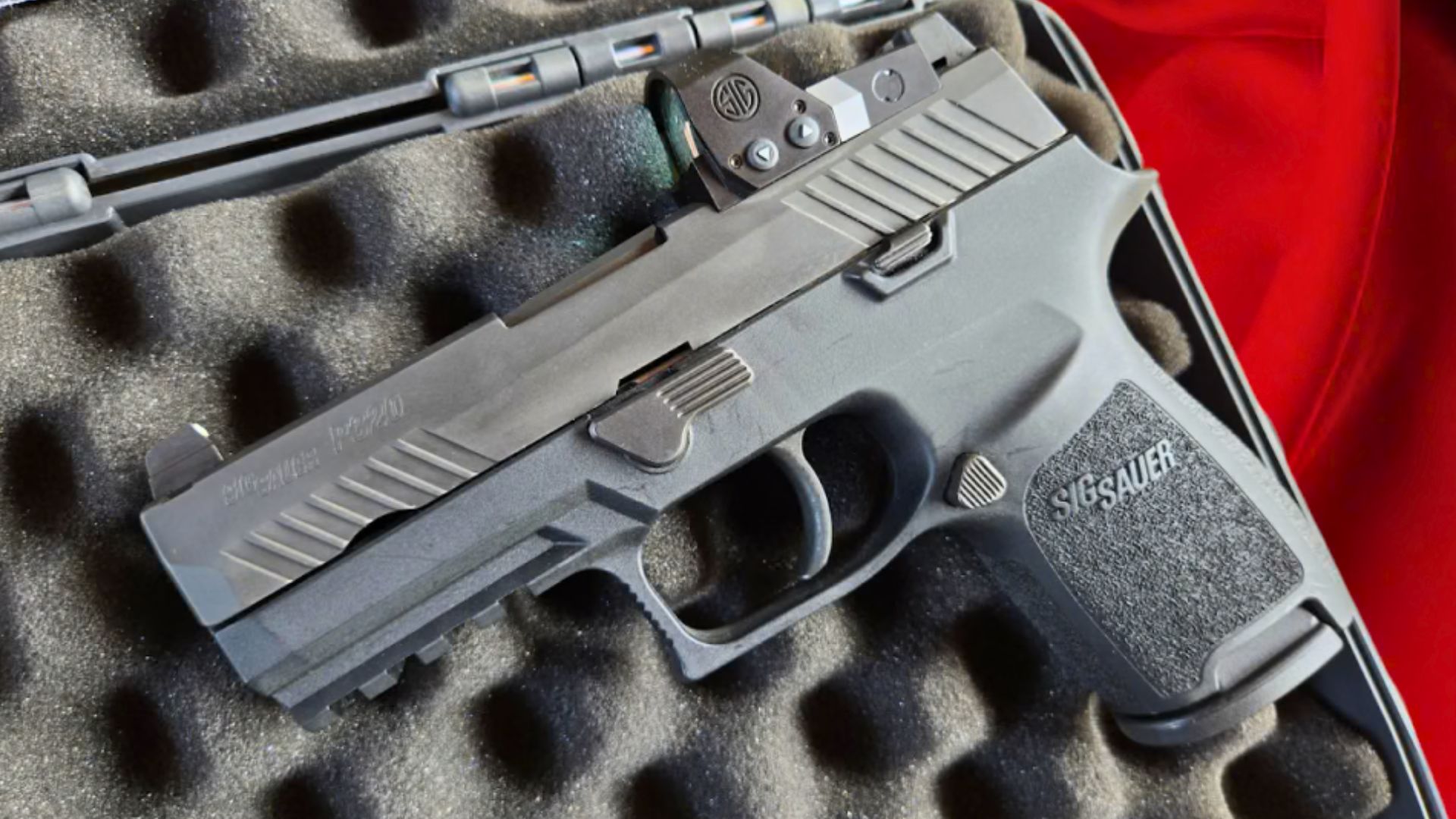
Some pistols feel snappy not because they’re tiny, but because of how recoil tracks in the hand. The P320 Compact can feel brisk to some shooters due to its bore line and the way the frame geometry lets the gun rise. Even with mild ammo, recoil can feel like a quick pop up rather than a straight push back.
It’s still controllable, and many people shoot it well, but the “snap” perception can be consistent across loads. You can tame it with a strong support-hand clamp and a grip that stays high and locked. The P320 Compact isn’t a punishing pistol, but it can feel sharper than you expect compared to other compacts. If you’re sensitive to muzzle rise, it’s one that tends to keep that personality regardless of ammo choice.
Beretta Nano

The Beretta Nano is compact, smooth on the outside, and often sharper than people expect on the range. Its small size and short grip make the recoil feel quick, even with softer practice ammo. The pistol doesn’t have much mass to slow the movement down, so the recoil impulse feels brisk and direct.
When you shoot fast, the Nano’s snappy character is more obvious. The gun lifts, the grip can shift, and you end up working harder to keep the sights returning to the same place. It’s a good example of a pistol that carries easily but doesn’t reward long strings the way a larger gun does. You can shoot it well with a firm grip and clean technique, but the recoil never really turns into a slow, comfortable push.
Walther CCP
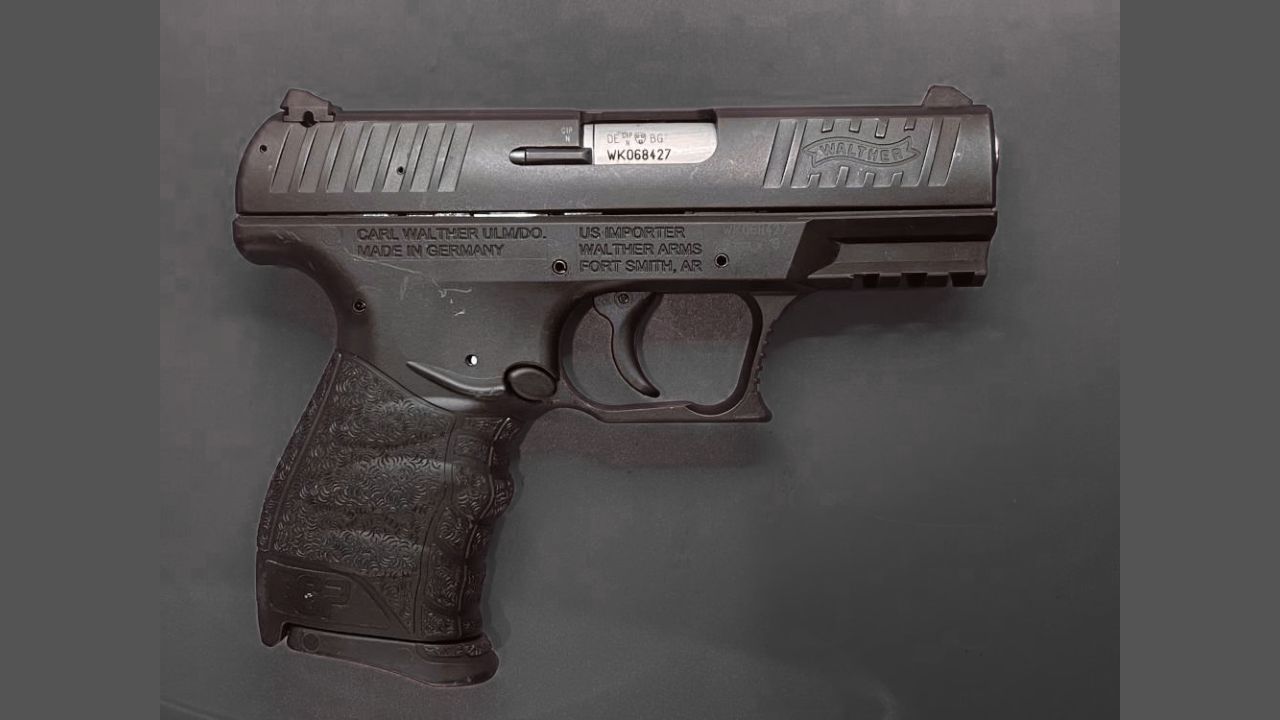
The Walther CCP often surprises shooters. On paper it looks like it should be mild, but its recoil feel can be sharper than expected for a 9mm, especially during fast strings. The gun’s size and geometry can make recoil feel like a quick snap rather than a soft roll.
Ammo changes can shift the edges, but the pistol’s overall recoil character stays brisk to many hands. A lot of that comes down to how it fits you and how the grip shape sits in your palm. When it fits, it’s easier. When it doesn’t, the gun feels like it pops up every time. The CCP can be accurate and practical, but it’s one of those pistols where recoil feel doesn’t always match what you’d guess from looking at it.
CZ 2075 RAMI

The RAMI is a compact little pistol with a loyal following, but it can feel snappy because it’s short and dense in a way that still cycles briskly. Even with mild ammo, the recoil impulse arrives fast, and the short grip doesn’t give you the same leverage as a compact duty pistol.
The RAMI is shootable, but it wants a firm grip and a clean follow-through if you’re trying to shoot quickly. When your grip relaxes, the gun reminds you by lifting and shifting. A magazine baseplate that gives you more purchase helps control, but it doesn’t erase the gun’s quick recoil character. It’s a carry gun that shoots well for its size, and “for its size” is the key phrase. It stays lively across ammo.
HK P30SK
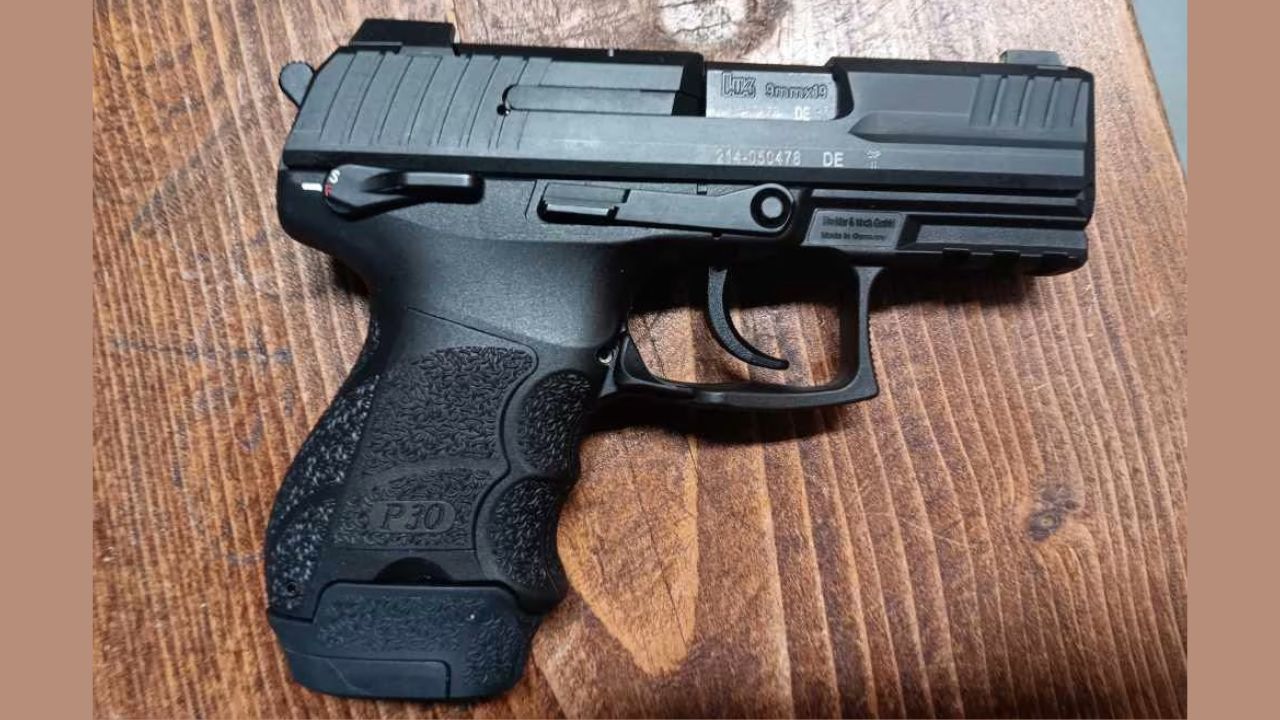
The P30SK is well-made and dependable, but it’s still a subcompact with a short grip and a quick cycle. That means recoil can feel sharper than you’d expect from a pistol with HK’s reputation. Even with mild practice ammo, the gun has a brisk impulse that shows up most when you shoot fast.
The grip ergonomics help many shooters control it, but the physics remain. The short grip reduces leverage, and the gun can feel like it pops up more than a compact duty pistol. You can make it feel calmer with a strong support hand and consistent grip pressure, and many shooters do. Still, if you’re expecting it to shoot like a full-size P30, it won’t. The SK format keeps recoil feeling quick regardless of ammo.
Remington RM380
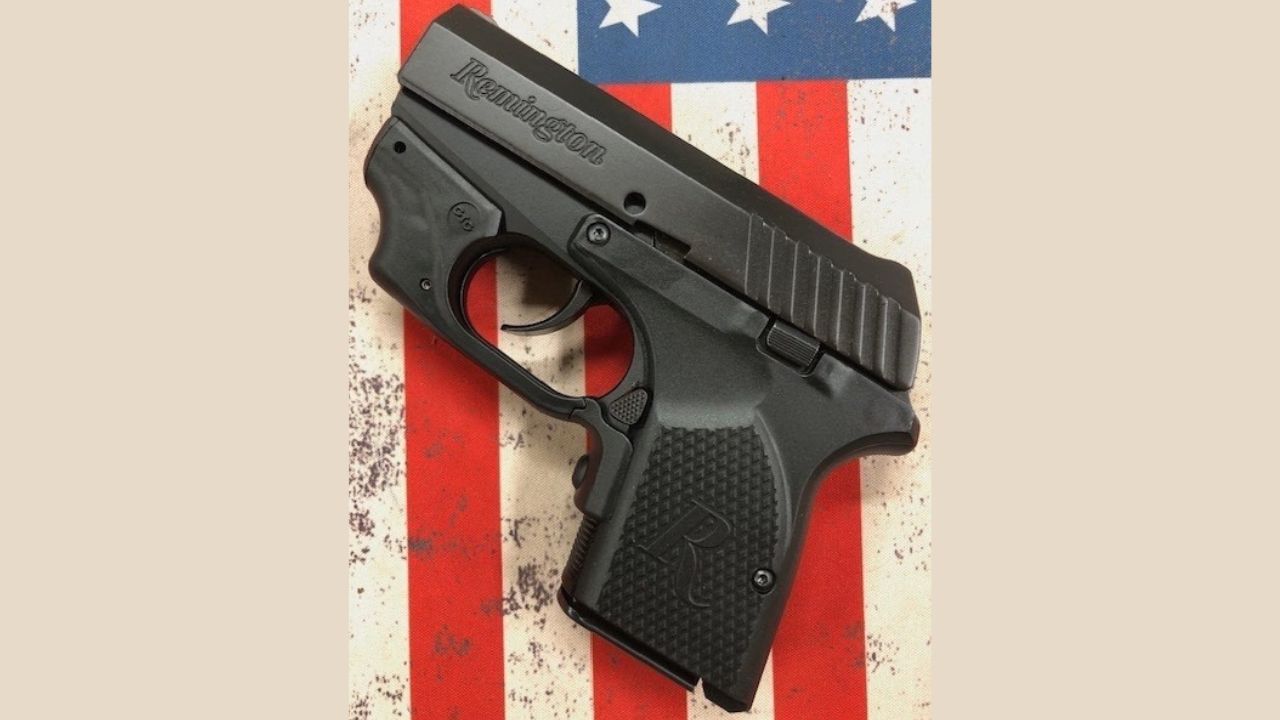
The RM380 is compact and easy to carry, and it tends to feel snappy because blowback-style .380 behavior can be brisk in small guns. Even when recoil energy isn’t huge, the way it hits your hand can feel sharp. The grip is small and the gun is light, so the recoil feels fast and direct.
Changing ammo can change the sound and flash more than the basic feel. The pistol stays lively because your hands are doing most of the recoil management. A firm grip helps, but there’s only so much control you can apply on a small frame. The RM380 is a pistol you carry for convenience, and convenience guns often shoot sharper than you’d like. It’s controllable and practical, but it doesn’t become a “soft” shooter with any particular load.
KelTec PF-9

The PF-9 is thin, light, and built to carry, and that’s exactly why it feels snappy across ammo types. The gun doesn’t have much mass to slow recoil, and the grip shape doesn’t give you a lot of leverage. Even mild ball can feel like a quick slap and muzzle hop.
When you try to shoot it quickly, the PF-9 makes you work. The pistol moves, the sights lift, and the gun can feel jumpy unless your grip is locked in. Ammo changes can take the edge off, but the PF-9’s personality stays the same because the platform is so lightweight. It’s a practical carry pistol, but it’s not a relaxing range gun. If you choose it, you’re choosing slim carry over comfort, and the recoil feel proves it.
Like The Avid Outdoorsman’s content? Subscribe to our newsletter so you never miss an article.
Here’s more from us: