Photo credit: SHOOTER Rx/YouTube
Some brand names carry so much weight in the gun world that people forget to ask whether they’re actually worth the cost. You’ve seen it before—someone drops a few grand because the roll mark says “custom,” “tactical,” or “precision.” The truth is, a lot of that money goes into the name, not the performance. Sure, some premium manufacturers earn their price tags, but others rely on reputation and marketing more than actual innovation. The rifles, pistols, and shotguns might look incredible, but you’ll walk away wondering where all that extra money went once the new-gun smell fades.
Daniel Defense

Daniel Defense rifles have a reputation for being top-tier, and there’s no doubt they’re well-made. But the price tag often overshadows what you actually get. Many mid-tier AR platforms today—like offerings from Aero Precision or BCM—perform just as reliably for hundreds less.
A lot of the cost comes from brand recognition and their military-inspired image. They’re accurate, dependable rifles, but when you realize how many cheaper options shoot nearly as well, it’s hard not to question the markup. You’re paying for a name that became synonymous with “elite,” even if most shooters will never notice the difference on the range.
Benelli
Benelli shotguns are smooth, durable, and legendary in the duck blind—but they’ll also empty your wallet faster than your magazine tube. The inertia-driven system is clever and reliable, but whether you’re buying an M2 or Super Black Eagle, you’re spending a premium for features most shooters won’t use to their potential.
Plenty of hunters swear by them, but it’s worth remembering that brands like Franchi and Beretta offer similar reliability for less. The Benelli runs clean and cycles beautifully, but it’s also a statement piece. If you’re buying one, be honest—you’re buying prestige along with performance.
Barrett

Barrett rifles are icons for a reason. The M82 changed long-range shooting forever, but for most shooters, a .50 BMG rifle is pure overkill. Even the smaller-caliber Barretts carry hefty price tags that reflect the brand’s military mystique more than their real-world necessity.
Yes, they’re tough, accurate, and impressive to look at—but few people actually have the range or reason to own one. You’re paying for the bragging rights of saying you own a Barrett, not because you need one. For most civilian shooters, that money would buy several practical rifles—and a mountain of ammo.
Christensen Arms
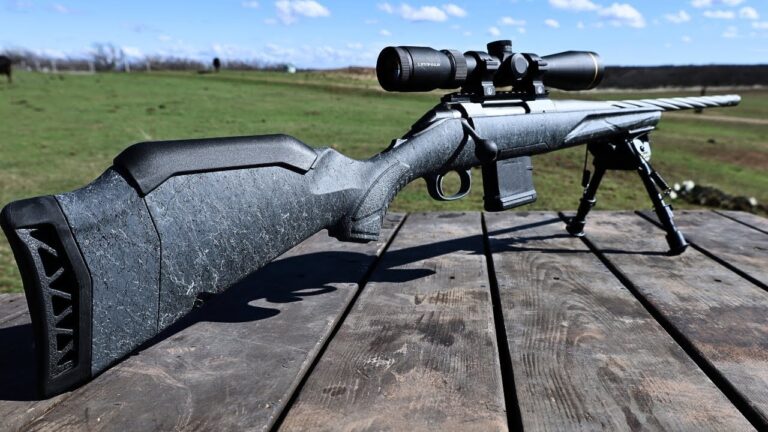
Christensen Arms rifles look like art pieces—carbon-fiber stocks, polished actions, and marketing that screams “precision.” But that beauty comes at a serious cost, and not every model lives up to its hype. Some rifles have had inconsistent quality control and mixed accuracy reports from hunters who expected more for the money.
They’re lightweight and undeniably attractive, but functionally, you can find the same performance from a Bergara or Tikka for far less. Christensen sells image as much as precision, and while they’ve earned a loyal following, you’re paying a steep premium for a rifle that sometimes prioritizes looks over results.
Kimber

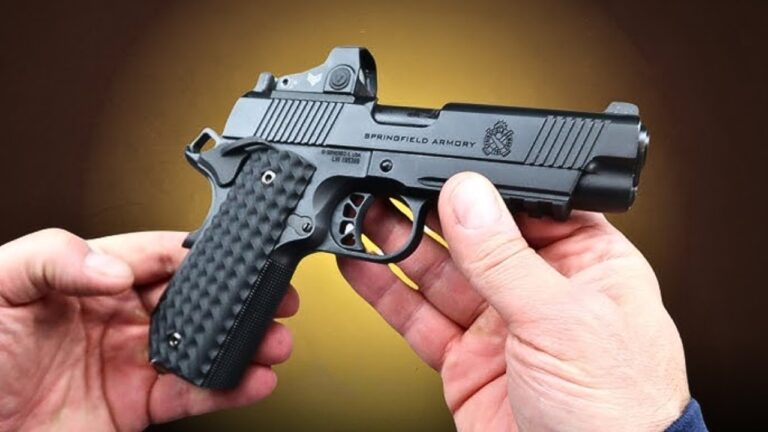
Kimber pistols and rifles command premium prices and look the part. The fit, finish, and feel are top-notch. But ask any shooter who’s owned a few, and you’ll hear the same thing: they can be finicky. Many 1911s require a break-in period, and reliability can vary between models.
For what you pay, that shouldn’t be the case. The brand sells style and tradition, and they do it well—but functionally, other pistols in the same class perform better for less. A lot of the Kimber price comes from name recognition and aesthetics. They’re beautiful guns, but not always the best value.
LWRC International
LWRC rifles are marketed as top-of-the-line piston ARs, built for military-grade reliability. And they are well-built—but the jump in cost compared to a solid direct impingement setup is hard to justify. For most shooters, the benefits of the piston system don’t outweigh the extra thousand dollars.
The rifles run clean and look sharp, but at the end of the day, you’re paying for engineering you’ll rarely need. The LWRC brand commands loyalty, but it also capitalizes on the idea that “tactical” equals “better.” If you’re not dragging your rifle through mud in combat, the price gap doesn’t make much sense.
Nighthawk Custom

Nighthawk pistols are breathtaking—smooth triggers, perfect machining, flawless fit. They’re built by hand, one at a time, and that craftsmanship shows. But unless you’re competing at the highest level, the average shooter won’t benefit enough to justify the five-thousand-dollar price tag.
You’re buying luxury more than practicality. They shoot incredibly well, but so do many 1911s that cost a quarter of the price. Owning a Nighthawk is like owning a high-end watch—it’s precision and prestige rolled into one. But once you start comparing shot groups to cost, the logic starts to fade.
Weatherby
Weatherby rifles have a legacy that stretches back decades, and their cartridges helped define the magnum era. But in today’s market, that signature Weatherby price is hard to swallow when other manufacturers offer similar performance. Their rifles are accurate and beautifully finished, but the proprietary ammo and flashy branding inflate the overall cost.
Many shooters fall for the Weatherby mystique—the name implies class and power—but modern cartridges like 6.5 PRC or .300 Win Mag can deliver equal or better results without the brand tax. It’s a fine rifle, no question, but you’re paying as much for heritage as for hardware.
Wilson Combat

Wilson Combat builds pistols and ARs with incredible precision, and their quality is undeniable. But they’re priced for perfectionists—people willing to pay thousands for minute differences most shooters won’t ever notice. Every part is hand-fitted, every surface polished, and every trigger crisp.
That’s impressive, but it’s also expensive. For practical use, you can buy two or three equally reliable guns for the price of one Wilson. They’re the standard for “custom” quality, but they’re also the poster child for diminishing returns. Unless you’re chasing competition-level precision, you’re paying for pride of ownership more than performance.
Blaser
Blaser rifles are the European sports car of the hunting world—sleek, refined, and incredibly expensive. Their straight-pull actions are fast and smooth, but the price tag can climb past what most hunters would ever spend on a rifle. The engineering is undeniable, but it’s also overcomplicated for the average user.
Blasers shoot well, handle beautifully, and draw attention everywhere they go. But they’re also the kind of rifle that makes you nervous to scratch it. For the cost of one Blaser, you could outfit yourself with an entire hunting battery. It’s a luxury firearm through and through—one you buy for status as much as performance.
Like The Avid Outdoorsman’s content? Be sure to follow us.
Here’s more from us:
The worst deer rifles money can buy
Sidearms That Belong in the Safe — Not Your Belt
*This article was developed with AI-powered tools and has been carefully reviewed by our editors.