
Gun counters reward the same things over and over: small, light, “powerful,” and cheap. A lot of those guns will fire, and plenty of folks will be happy with them. The issue is what happens after the honeymoon—when you start shooting faster than one shot every three seconds, when the gun gets hot and dirty, or when you’re trying to solve a real problem instead of punching paper.
Experienced shooters don’t avoid these models because they’re trying to be edgy. They avoid them because they’ve seen the patterns—guns that are brutal to practice with, optics that won’t hold zero, bargain “features” that turn into reliability gremlins, and platforms that become parts-orphans. If you want a gun you’ll actually train with, you start caring less about how it sells in the glass case and more about how it behaves at 500 rounds.
Smith & Wesson 340PD and other ultra-light .357 snubs

The 340PD is the poster child for “easy to carry, hard to shoot.” It disappears in a pocket, and it’s built like a tank for its weight, but full-power .357 out of that little gun can feel like catching a foul ball barehanded. Fast follow-up shots are where the romance dies.
Even if you shoot it well slow, speed changes things. Grip pressure has to be perfect, sight tracking is tough, and the blast is punishing. Most experienced shooters who carry a snub end up choosing something heavier—like a steel J-frame—or they run .38 +P almost exclusively. The ultralight magnum gets bought, admired, fired a few times, and then carried with “practice later” energy that never really shows up.
Ruger LCP and original LCP-style micro .380s

The Ruger LCP (especially early generations) sells because it’s the definition of “always with you.” It’s small, light, and it works for people who won’t carry anything larger. The problem is that it’s easy to carry and hard to run well once you start moving the trigger fast.
The short grip lets the gun shift in your hand, the sights are minimal, and recoil feels snappier than people expect from .380. That combination can turn practice into a chore. Experienced shooters don’t hate the LCP. They just know it’s a compromise gun. Many of them step up to something slightly larger—an LCP Max, a Glock 42-sized .380, or a slim 9mm—because you can actually train with it without fighting the gun every magazine.
Walther P22 and SIG Mosquito-style “fun” .22 pistols
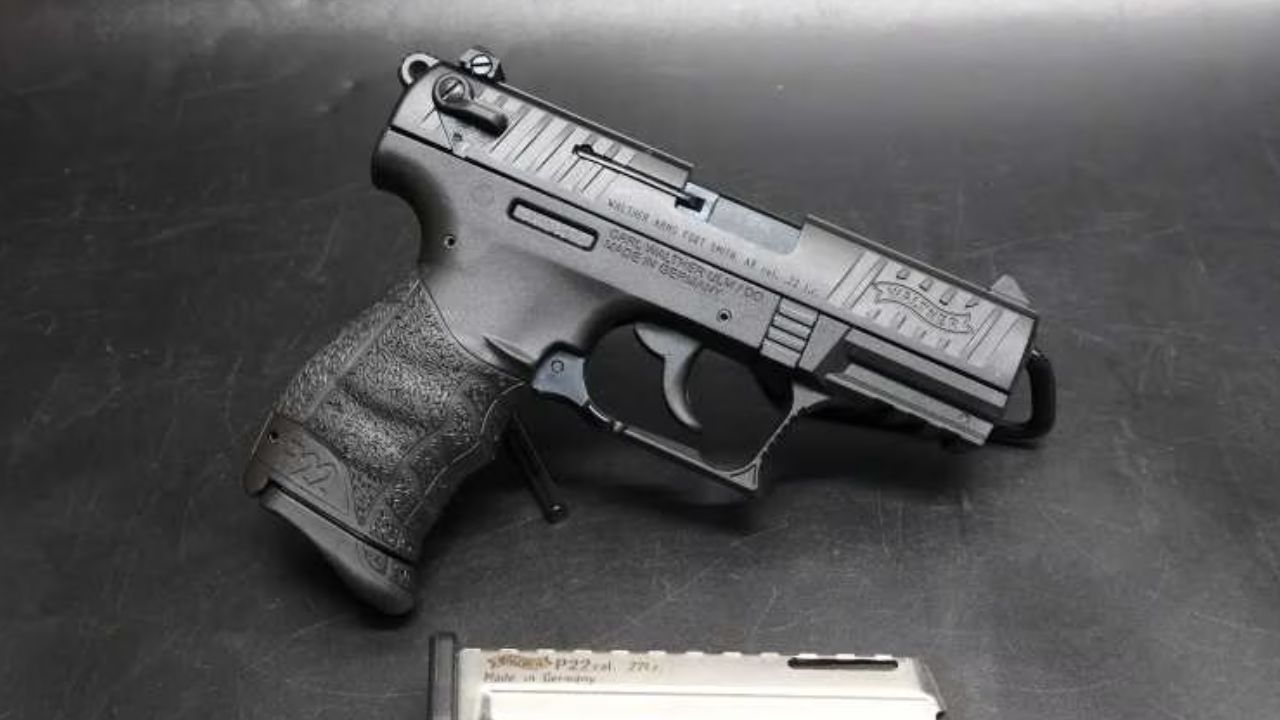
The Walther P22 and SIG Mosquito have sold a lot of smiles. They look like “real pistols,” they’re light, and they feel like an easy entry point. The downside is that these models have a long history of being ammo-sensitive, especially when you’re not feeding them exactly what they like and keeping them clean.
A finicky .22 isn’t just annoying—it teaches bad lessons. You end up clearing stoppages instead of working fundamentals. Experienced shooters still love rimfires, but they tend to buy the .22s with boring reliability: Ruger Mark series, Browning Buck Mark, TX22s that run well. The P22/Mosquito category often lives as a “sometimes gun,” not a serious trainer. When you want reps, you want a .22 that keeps going even when the ammo is cheap and the pace is fast.
Taurus GX4 and early-run bargain micro 9mms

The Taurus GX4 became popular fast because it hit the sweet spot: micro 9mm size, modern features, and a price that makes people feel smart. The trouble with bargain micros is that you’re stacking challenges: tiny grip, high slide velocity, and little margin for error. When anything is slightly off—mag springs, extractor tension, recoil system—you feel it.
Even when a GX4 runs well, it’s still a hard platform for new shooters to run fast and clean. Experienced shooters tend to recommend learning on something larger, then choosing a micro once you can shoot on demand. A budget micro is tempting as a first or only pistol, but seasoned shooters often avoid putting their “trust right now” money into the cheapest version of the hardest-to-shoot category.
Rock Island Armory 1911s and other bargain 1911 packages

Rock Island 1911s sell because they make the 1911 feel attainable. You get the look, the trigger style, and the steel heft without spending a paycheck. The caution comes from the platform itself: 1911s reward good fitting and good magazines, and the cheap end can be inconsistent from gun to gun.
A bargain 1911 can run fine, but it can also turn into a project—extractor tuning, picky feeding, inconsistent slide stop behavior, and magazines that become the whole story. Experienced shooters who love 1911s tend to buy fewer of them and buy better ones, then feed them proven mags and keep springs fresh. The cheap 1911 often becomes the gun people “mean to sort out.” Seasoned shooters quietly avoid that lane unless they’re intentionally buying a tinkering hobby.
Remington R51 (Gen 1 and Gen 2)

The Remington R51 is a classic gun-counter trap: it feels clever, it had hype behind it, and it’s often priced like a bargain on the used shelf. The problem is that the R51’s reputation was built on inconsistency. Early guns were notorious for reliability issues and rough execution, and even later versions never earned widespread trust as a hard-use carry pistol.
Experienced shooters avoid it because parts and institutional knowledge aren’t deep. If it runs, great—but if it doesn’t, you’re not troubleshooting a common Glock or M&P with endless support. You’re trying to keep an oddball alive. That’s fine for a collector’s curiosity. It’s not what seasoned shooters choose when they want a pistol that can be maintained, trained with hard, and kept running for years with easy access to magazines, springs, and small parts.
ATI Omni Hybrid (polymer-lower AR) and similar bargain ARs

The ATI Omni Hybrid sells on a single powerful idea: “an AR for cheap.” You’ll see them stacked high because the price gets people through the door. The issue is that polymer-lower ARs and ultra-budget builds can show their weaknesses when you shoot volume—pins walking, receivers flexing, parts wearing faster than expected, and little tolerance stacking into annoying malfunctions.
You might get a good one, and you might never have trouble. But experienced shooters tend to avoid rolling those dice, especially if the rifle is meant for more than casual plinking. They’ve seen what happens when a bargain AR runs fine for 200 rounds and then turns into a troubleshooting session at 600. A plain, proven lower and a properly built upper isn’t glamorous, but it’s the boring kind of reliability that keeps you shooting instead of diagnosing.
Bear Creek Arsenal uppers on random lowers

Bear Creek Arsenal uppers move because they’re everywhere, they’re cheap, and the spec sheet looks great for the money. The gamble is QC consistency. Some shoot surprisingly well. Others show rough chambers, gas issues, feeding quirks, or accuracy that never matches the promise, especially once the barrel heats up and your pace goes up.
Experienced shooters avoid BCA “because they’ve seen enough.” When you’re buying a defensive or training rifle, you don’t want to wonder if your barrel extension or gas system was a Friday-afternoon job. You want repeatable performance and predictable parts life. A cheap upper that runs is still a cheap upper that might not stay running under hard use. Seasoned shooters would rather buy one upper they trust than three budget uppers they keep rotating through while chasing small problems.
Panzer Arms M4-style Turkish semi-autos

M4-style Turkish semi-auto shotguns—Panzer Arms is a common name here—sell like crazy because they look like serious fighting shotguns at a fraction of the price. The problem is that reliability can be uneven, and long-term support often isn’t where it needs to be if you actually run the gun hard.
Some of these shotguns work fine with heavy loads and fall apart with lighter ones. Some have small parts that wear faster than expected. And when something breaks, the “easy fix” isn’t always easy. Experienced shooters tend to stick with proven semi-autos with deep parts pipelines, or they go with a dependable pump and accept the manual work. A defensive shotgun is already a demanding tool. Most seasoned shooters won’t add a questionable support system to something that needs to work every time.
Rock Island VR80 and similar budget mag-fed shotguns

The VR80 and its cousins are another gun-store favorite because detachable mags sound like the solution to every shotgun complaint. The reality is that mag-fed shotguns can be picky about magazines, loading technique, and ammo. If you’re not willing to train with the platform and keep the mags sorted, you can create reliability problems that don’t exist with a good tube-fed gun.
Experienced shooters avoid these as “serious defensive” tools because they’ve watched people buy them, slap a few mags on the counter, and then discover the gun is a system—not a shortcut. The manual of arms is different, malfunctions can be uglier, and parts support isn’t always great. If you want a mag-fed shotgun for fun, great. If you want a shotgun that works under stress, seasoned shooters usually choose something proven and boring.
Ruger American Rifle “scope combo” packages

The Ruger American is a legit rifle, and that’s why the combo packages sell so well. The issue is usually the included scope and rings. Combo optics are often the weak link: mushy adjustments, questionable tracking, and mounts that shift when temperatures swing or screws settle.
Experienced shooters avoid the package not because they hate the rifle, but because they hate chasing problems that aren’t the rifle’s fault. A decent scope with reliable rings turns the American into a workhorse. A cheap combo optic turns it into a confidence killer. When your zero moves, you waste ammo, waste time, and start second-guessing yourself. Seasoned shooters would rather buy the rifle alone, mount known rings, and run glass they trust. That approach isn’t flashy, but it keeps you shooting instead of wondering why yesterday’s group doesn’t match today’s.
Sightmark and bargain “tactical” red dots

Sightmark-style bargain optics sell because they look the part and the price feels painless. The problem is that cheap dots often fail in the ways that matter: losing zero, flickering under recoil, weak mounts, and battery contacts that don’t love cold, heat, or vibration. Sometimes they work for a while, and that’s what makes the eventual failure feel worse.
Experienced shooters tend to avoid these because they’ve learned optics are not the place to gamble. A dot isn’t an accessory if you’re relying on it. It’s part of your aiming system. If it dies or shifts, your whole setup is compromised. Seasoned shooters would rather run irons than trust a dot with a shaky durability record. When they do buy a dot, they buy one that has survived hard use across lots of shooters—not one that looks cool in the case.
Taurus Judge and similar “do everything” revolvers

The Taurus Judge sells because it sounds like the ultimate problem-solver: .45 Colt and .410 in one wheelgun. On a gun-store floor, it feels like you’re buying flexibility and power. In real shooting, it’s a compromise stack. It’s bulky for what it does, the triggers can be heavy, and accuracy with many .410 defensive loads isn’t what people imagine when they picture “point and shoot.”
Experienced shooters tend to avoid it because they want a handgun that does handgun jobs well. If you want a revolver, a conventional .357 or .38 snub carries better and shoots more predictably. If you want a defensive pistol, a modern semi-auto is easier to shoot fast and reload. The Judge is fun, and it’s interesting, but it often ends up as a novelty that gets shot occasionally—while the serious guns get the real practice time.
Kel-Tec SUB-2000

The SUB-2000 is a gun-store favorite because it folds, takes common magazines, and feels like a clever, budget-friendly carbine solution. The catch is ergonomics and real-world shootability. The charging handle, cheek weld, and overall feel can be awkward, and a lot of people discover they don’t actually enjoy shooting it for long strings.
When experienced shooters avoid it, it’s usually because they’ve learned that “cool concept” doesn’t always equal “good training tool.” If a gun is uncomfortable, you won’t practice with it. If the manual of arms feels clunky, you won’t run it fast. The SUB-2000 can be useful as a pack gun or trunk gun, and some people love them. But many seasoned shooters choose a more conventional PCC or a light rifle because they’ll shoot it more—and shooting more is what builds real confidence.
SCCY CPX-2 and other ultra-budget carry pistols

SCCY pistols sell because the price is hard to ignore. For someone who’s strapped, it feels like a responsible move—better to have something than nothing. The issue is that ultra-budget carry guns can be inconsistent in trigger quality, reliability, and long-term durability. And even when they run, the heavy, long trigger can make fast, accurate shooting harder than it needs to be.
Experienced shooters avoid them because they’ve seen the math. If the gun is hard to shoot, you’ll train less. If it’s unreliable, you’ll spend money chasing fixes or switching mags and ammo. A slightly higher upfront cost often buys you a huge jump in shootability and support. Seasoned shooters aren’t trying to shame a budget purchase. They’re trying to avoid the trap of buying cheap twice—once at the counter, and again when the gun doesn’t deliver the confidence you hoped it would.
Stoeger STR-9 and feature-stacked “value” pistols

The Stoeger STR-9 sells because it feels modern and loaded with value. It’s comfortable in the hand, it points well, and it looks like a smart buy. Where experienced shooters get cautious is long-term proof. A gun can feel great for 50 rounds and still show odd wear patterns, inconsistent ejection, or parts issues once you’re past the easy stage.
Seasoned shooters don’t automatically write off the STR-9. They just don’t rush to trust “new value” the way they trust platforms with deep track records and parts ecosystems. When you’re choosing a pistol you’ll carry or train with hard, you want predictable behavior under stress and easy access to mags, springs, and small parts. Feature-stacked bargain pistols can be perfectly fine, but they can also be the kind of gun you end up replacing once you realize you want something proven.
Diamondback DB9 and other ultra-small 9mms

The Diamondback DB9 category sells because it offers “9mm power” in a tiny package. In the case, it feels like a cheat code. On the range, small 9mms can get weird: snappy recoil, short cycling margins, and a grip that’s barely enough to keep the gun stable when you start shooting fast.
Experienced shooters avoid these because they know what tiny 9mms demand. You need excellent grip consistency, solid ammo selection, and realistic expectations. Some guns run fine. Others become finicky as springs wear or as you vary ammo. Many seasoned shooters will choose a slightly larger micro 9mm or even a .380 they can control better, because control is what keeps rounds where they belong at speed. Tiny 9s are easy to sell. They’re harder to live with if you actually train.
Used oddballs like the Hudson H9

The Hudson H9 is the kind of used-gun magnet that stops people mid-aisle. It looks different, it feels special, and it often shows up at a price that makes you think you found a sleeper. The problem is the same one that haunts a lot of “cool but discontinued” guns: support dries up, magazines get scarce or expensive, and small parts become a scavenger hunt.
Experienced shooters avoid these not because the gun can’t shoot, but because they don’t want to build a training plan around something that might be difficult to keep running. A range toy can be quirky. A serious pistol needs a supply chain. If you can’t get mags easily, can’t get springs, and can’t find competent support, you’re buying a problem you won’t feel until later. Seasoned shooters usually let the collector’s itch pass and stick with guns that are easy to maintain.
Like The Avid Outdoorsman’s content? Be sure to follow us.
Here’s more from us:


