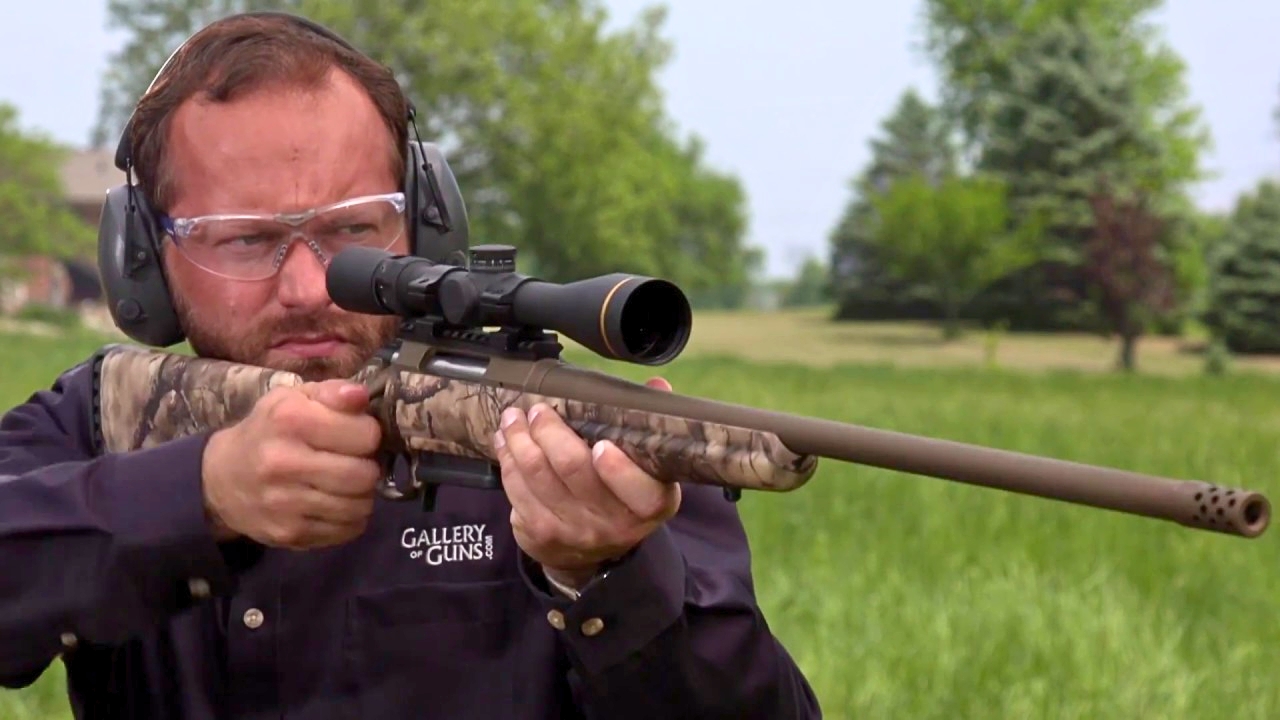
Photo credit: Davidsons GalleryofGuns/YouTube
You can spot the “fast flip” deer rifle a mile away. It isn’t always a bad rifle, either. It’s usually a rifle that sells on first impressions—weight, price, features, or a brand name—then loses you once you’ve shot it from real hunting positions, ridden it around in a truck, and tried to practice like you mean it.
Most of the quick resales come down to the same handful of problems: recoil that’s sharper than expected in a light gun, budget optics and mounts that won’t hold, magazines that feed fine until they don’t, or a trigger and stock combo that makes good shooting harder than it needs to be. When a deer rifle makes you dread range time, it rarely stays in your safe for long.
Ruger American

You buy a Ruger American fast because the price feels right and they have a reputation for shooting better than they cost. A lot of them do. The first few groups can look promising, and you start thinking you found the bargain of the year.
Then the “package” reality shows up. The included scope and rings are often the weak link, and once something shifts you start chasing zero and blaming the rifle. The light stock can also feel hollow, and some shooters never warm up to the magazine system. If you end up swapping glass, mounts, and maybe the stock, you’re suddenly deep into a rifle you only bought because it was cheap. That’s why you see them bought quickly and sold quickly.
Savage Axis II

The Axis II is a classic quick-season purchase. You grab it because it’s affordable, easy to find, and it usually shoots well enough to kill deer cleanly. It’s also light and handy in the store, which seals the deal.
After a few range sessions, you learn what “budget” feels like over time. The action can feel rough, the stock can be flexible, and the rifle can seem jumpy when you try to shoot faster or from awkward field positions. The AccuTrigger helps, but the rest of the rifle still feels like an entry-level tool. Once you shoulder a rifle with a smoother bolt and a more solid stock, it’s hard not to want the upgrade. A lot of Axis II rifles end up as stepping stones.
Mossberg Patriot

The Patriot sells on looks and price. It has the lines of a traditional deer rifle, it sits nice in the hands, and it’s usually sitting right where you can grab it without ordering anything. For a quick setup, it’s an easy yes.
Where some owners lose confidence is in the little stuff that shows up when you run it a lot: a bolt that doesn’t feel consistent, feeding that can feel sensitive to how you load and run it, and accuracy that depends heavily on finding the one load it likes. Plenty of Patriots do fine, but “fine” isn’t what you want when you’re trying to build trust fast. If you have even one bad day with a rifle like this, it’s common to see it listed and replaced.
Remington 770

You buy a Remington 770 because it looks like an easy path to a scoped deer rifle with a familiar name on the receiver. For somebody trying to get ready in a hurry, it feels like a one-and-done purchase.
Then you live with it. The rifle’s reputation for rough handling, clunky feel, and inconsistent results at the range is hard to ignore once you put rounds through it. The trigger and overall build don’t help you shoot your best, and if the scope setup starts acting up, the whole rig feels shaky. A deer rifle can be plain and still be dependable, but the 770 often leaves you feeling like you’re fighting the rifle instead of learning it. That’s why so many end up on used racks.
Remington 783

The 783 gets picked up because it’s often accurate for the money and it wears the Remington name. You can find them in common deer cartridges and walk out thinking you bought a practical rifle that will handle seasons of hard use.
Where the quick resale happens is feel and finish. Many shooters expect a certain “Remington smoothness,” and the 783 doesn’t always deliver that experience. The action can feel clunky, the stock can feel cheap, and the rifle can come across as a bargain build even when it groups well. If you’re the type who can ignore feel and focus on results, you’ll keep it. If you want your deer rifle to feel settled and familiar in your hands, you might sell it and move to something that feels more refined.
Winchester XPR

The XPR is another easy buy: clean styling, good price, and a well-known brand. In the store it feels like a modern, straightforward bolt gun that should do exactly what you need for whitetails without fuss.
Then you start running it. Some owners end up bothered by the way the rifle cycles and feels under speed, and the stock and trigger setup can make it feel more “serviceable” than enjoyable. That matters because you practice more with rifles you like shooting. If your range time feels like work, the rifle won’t build trust. The XPR can be a solid deer rifle, but it’s also the kind of rifle people move on from quickly when they realize they want a different bolt feel, better stock ergonomics, or a trigger that breaks cleaner.
Thompson/Center Compass II

You buy the Compass II because it’s often priced to move and it checks all the boxes: modern bolt gun, common calibers, and a reputation for decent accuracy. It feels like an efficient way to get set up without overthinking it.
In real use, the rifle can feel built to a price. The stock can feel light and flexible, and the overall handling can come across as “good enough” rather than confidence-building. If you get one that shoots well, you’re happy—until you compare it next to rifles that balance better and settle into position without you fighting them. A lot of Compass rifles get sold after the first season because the owner learns what they value: smooth cycling, better recoil behavior, and a stock that feels solid when you load a bipod or brace on sticks.
CVA Cascade

The Cascade gets bought fast because it’s often a pleasant surprise for the money. It can shoot, it can handle, and it doesn’t look or feel as cheap as some other budget bolt guns. For a deer rifle you plan to hunt hard, it can seem like the smart play.
The “sell it fast” story shows up when expectations get out of control. You hear people talk it up, you expect it to feel like a rifle that costs a lot more, and then you notice the small corners that remind you what you paid. If the rifle’s trigger feel, stock fit, or bolt feel isn’t exactly what you want, you may decide you’d rather put that money toward a rifle with more refinement. It’s less about the Cascade being bad and more about you realizing you want a different tier of feel.
Browning AB3

The AB3 draws buyers because it says Browning on the side and it looks like a proper deer rifle. It shoulders well, it points naturally, and a lot of hunters like the idea of owning a Browning without paying premium money.
Some owners sell quickly because the rifle can feel more “entry Browning” than “Browning.” The action feel and stock feel don’t always match what people picture, and if you expected a smoother, more polished experience, the rifle may disappoint once you’ve run it alongside other options. Accuracy can be fine, but deer rifles live on confidence and familiarity. If the rifle never feels like it belongs to you—never settles into a repeatable cheek weld, never cycles the way you like—you’ll move it. The AB3 is often a lesson in buying a rifle, not a logo.
Savage 110 Ultralite
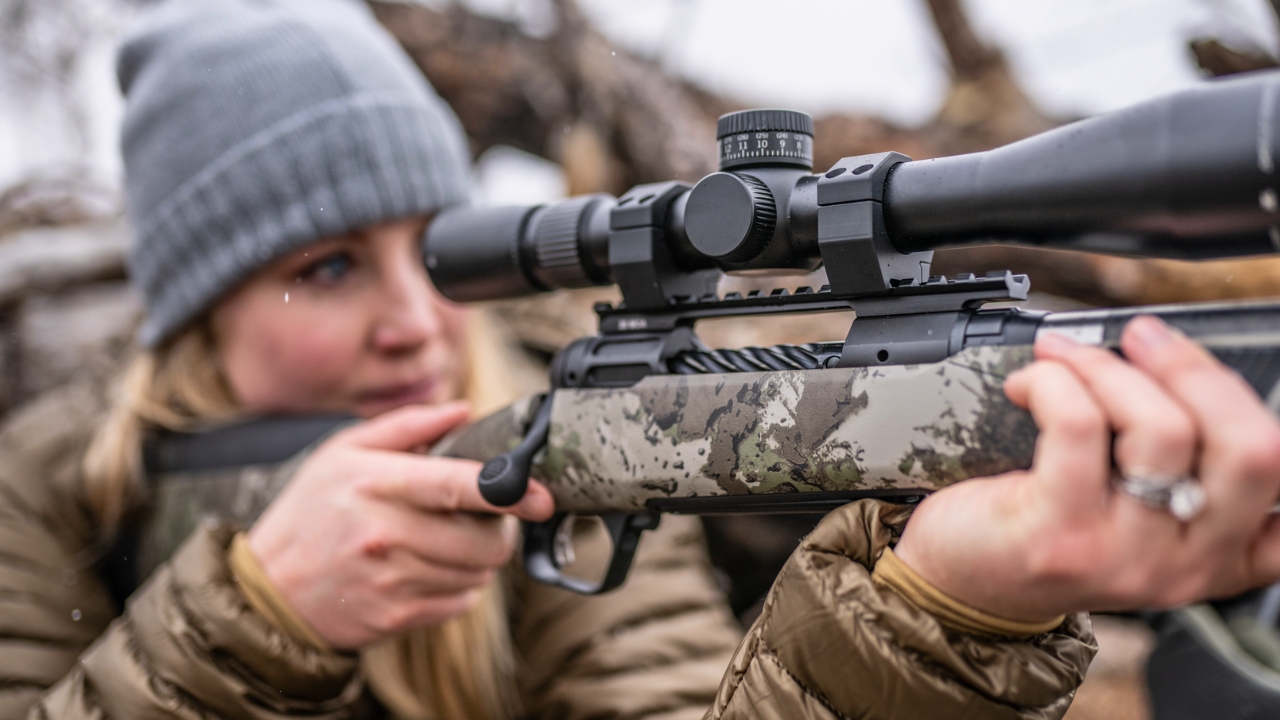
You buy the 110 Ultralite because you want a rifle you’ll actually carry. It feels almost too light the first time you pick it up, and that’s the whole appeal for hunters who cover miles in hill country or big timber.
Then recoil and handling start to matter more than weight. Light rifles can be harder to shoot well, especially when you’re trying to practice from field positions or shoot a quick follow-up. The rifle can feel snappy with common deer cartridges, and the sight picture can move more than you like. If you’re disciplined and shoot it a lot, you can make it work. Many hunters don’t stick with it long enough to get there. They end up selling it for a slightly heavier rifle that’s calmer on the shot and easier to shoot accurately when your heart rate is up.
Ruger American Go Wild
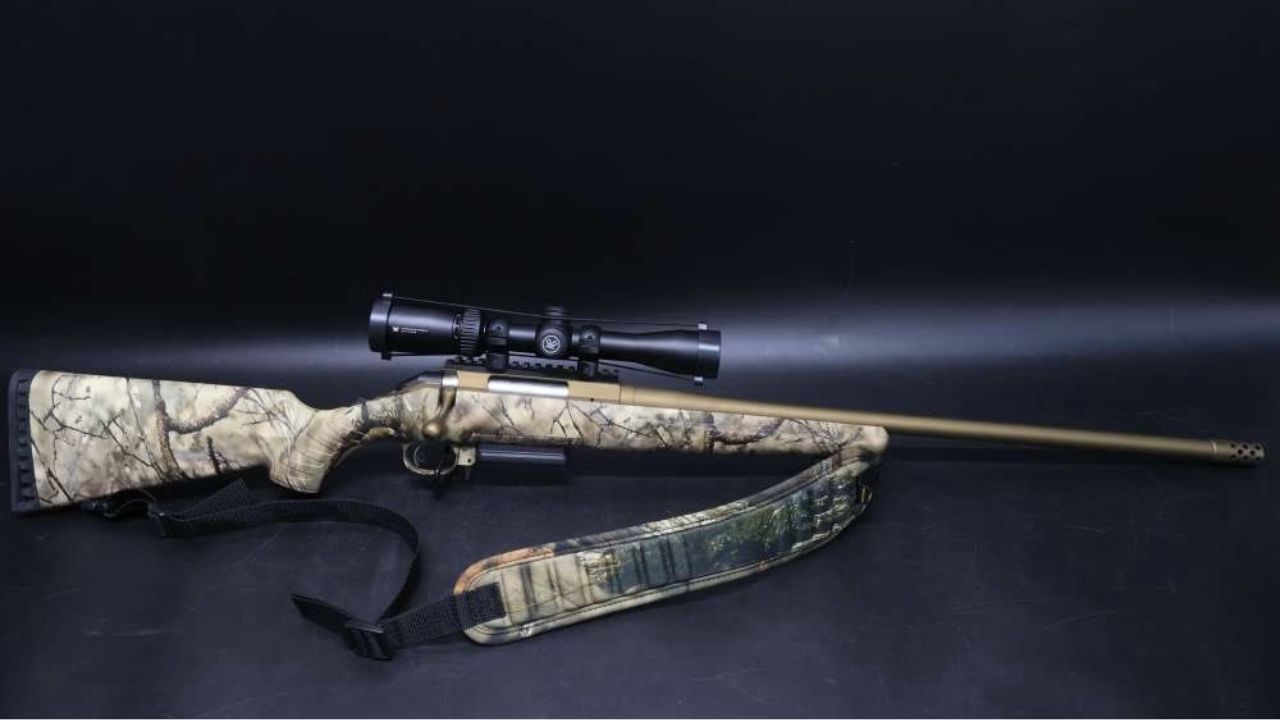
You buy the Go Wild version because it looks like a ready-made hunting tool: cerakote-style finish, threaded barrel on many variants, and a stock that seems built for weather and rough handling. It’s the kind of rifle you grab when you want “one rifle for everything.”
What makes some people move on is that it can still feel like a light, budget-based platform wearing tougher clothes. The same issues can show up: a setup that depends heavily on good mounts and glass, a stock that may not feel solid when you load into it, and a general “good for the price” feel that doesn’t always satisfy once you’ve carried and shot it for a season. If you expected it to feel like a bigger step up than the standard American, you might sell it and go to a rifle that feels more stable and refined from the start.
Ruger SFAR (.308)

You buy the SFAR because you want a .308 semi-auto that doesn’t feel like carrying a cinder block. On paper, it’s a clever solution: big-game capable, fast follow-ups, and a footprint closer to an AR-15 than a traditional AR-10.
Then you run it like a hunting rifle and a practice rifle. Semi-autos can demand more attention to ammo choice, gas behavior, and maintenance, and lightweight .308s can feel sharp in recoil and noisy in blast. If you’re expecting bolt-gun ease with semi-auto speed, you can get frustrated. Some owners end up chasing a smoother feel or a calmer recoil impulse, and that often means changing parts or tuning. A deer rifle that starts as a “project” tends to get sold when the novelty wears off.
Palmetto State Armory PA-10

You buy a PA-10 because it’s one of the quickest, cheapest ways to get into a .308 AR for deer and hogs. The idea of a semi-auto .308 that can take optics, lights, and mags you can actually find is hard to resist.
The resale happens when weight and reliability expectations collide. A PA-10 can run well, but it can also feel like a platform that needs sorting—especially if you mix ammo types or add a suppressor. It’s also easy to build a heavy rig without realizing it until you carry it across a cut cornfield or up a ridge. If the rifle feels gassy, over-sprung, or inconsistent, confidence drops fast. A lot of hunters sell them and go back to a bolt gun because they want less fuss and less weight.
Springfield Saint Victor .308

You buy the Saint Victor .308 because it looks like a “nice” factory AR in a big-game caliber. It feels more finished than some budget options, and it scratches the itch for a modern deer rifle that can also live on the range.
Then you learn how much a big-frame AR changes the hunting experience. Even a well-built .308 AR tends to be louder, heavier, and more maintenance-sensitive than a bolt gun. Add an optic and a full magazine and it becomes a lot to carry for an all-day sit-and-stalk hunt. If you don’t shoot it often, you may never get fully comfortable with the recoil impulse and the way the gun cycles. The Saint Victor can be a solid rifle, but many hunters decide they wanted bolt-gun simplicity and sell it once the “modern” phase cools off.
Henry X Model .45-70
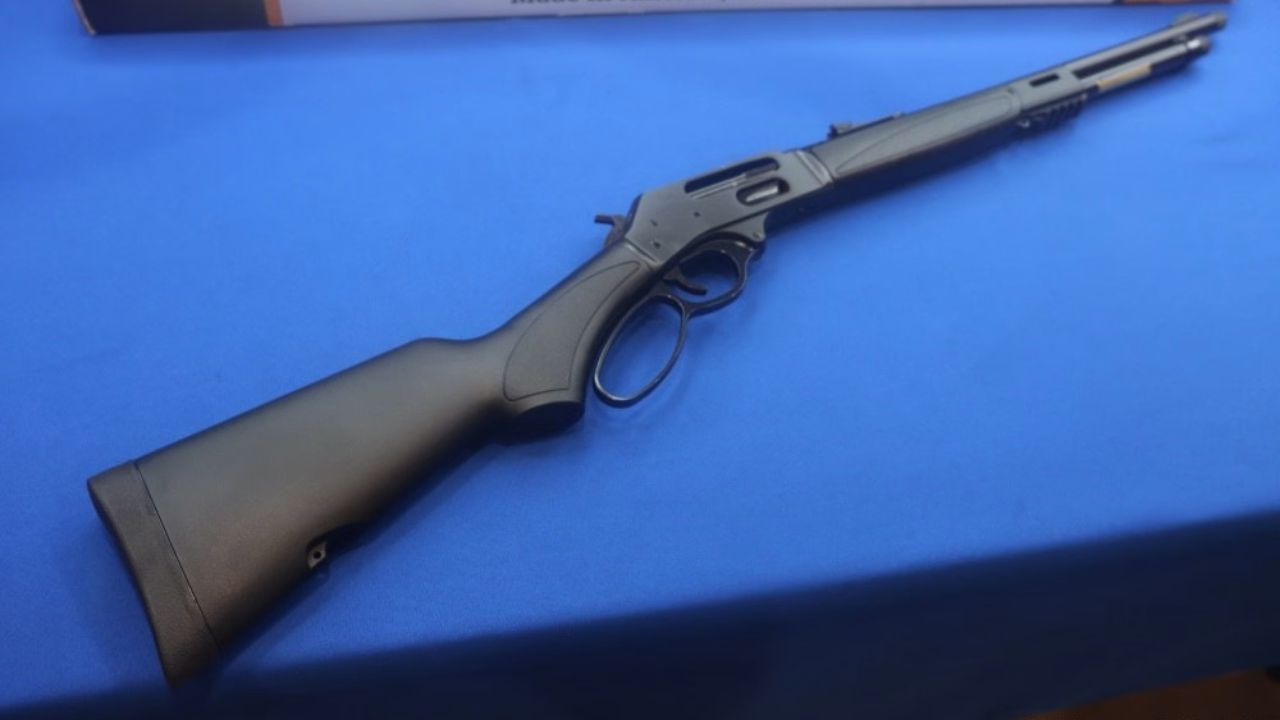
You buy the Henry X Model in .45-70 because it feels like a hammer you can carry. It’s compact, it looks tough, and it has that lever-gun charm that makes you want to hunt thick cover and move fast.
Then you sight it in and reality shows up in your shoulder. .45-70 in a handy lever gun can be rough, and most hunters don’t enjoy practicing with it enough to stay sharp. Add the cost of ammo and the blast of heavy loads, and range time gets shorter and less frequent. If you’re honest with yourself, you realize you’re better with something you’ll actually shoot. Many guys sell these after one season because the rifle is fun in theory, but it isn’t the rifle they reach for when they want calm, repeatable shooting on a deer at 80 yards.
Remington 742/7400 Woodsmaster

You buy a 742 or 7400 because it’s a classic deer camp rifle and you’ve heard stories about how fast they drop deer. In the hands, they feel familiar, and the idea of a quick second shot is appealing, especially in timber.
The downside shows up with age, wear, and real-world maintenance. These rifles have a reputation for getting finicky when they’re dirty, worn, or fed ammo they don’t like. Parts and servicing can also be a headache compared to modern rifles, and once you have a feeding problem you stop trusting it. Even one jam can sour you for an entire season. That’s why you see Woodmasters passed around. They can be great when they’re running right, but many hunters don’t want to gamble on an older semi-auto when a bolt gun will run through anything.
Browning BAR Mk3

You buy the BAR Mk3 because it feels like the premium answer to the semi-auto deer rifle. It’s smooth, it carries a reputation for quality, and it looks like something you can rely on for decades.
A lot of quick sales happen for one reason: weight. The BAR carries like a serious rifle, not a featherweight, and once you add a scope you really feel it on long walks or steep climbs. It’s also a semi-auto that encourages you to shoot it more, and that means you start caring about ammo costs and range time. Some hunters realize they don’t need a semi-auto for deer, and they’d rather carry a lighter bolt gun and put the price difference into optics and practice. The BAR tends to sell fast because it’s desirable, even when you’re the one letting it go.
Like The Avid Outdoorsman’s content? Subscribe to our newsletter so you never miss an article.
Here’s more from us: