Photo credit: WHO_TEE_WHO/YouTube
Accuracy is a funny thing. A gun can stack bullets into one ragged hole and still make you sigh every time you pull it out of the safe. Sometimes it’s weight. Sometimes it’s a magazine system that feels like it was designed by a different company. Sometimes it’s a great barrel sitting in a package that needs constant babysitting to stay happy.
If you’ve owned enough rifles and pistols, you learn this the hard way: the most accurate gun isn’t always the most enjoyable gun. The frustrating ones usually share a pattern. They’re either picky about ammo, picky about parts, picky about maintenance, or they’re accurate only inside a narrow “sweet spot” that falls apart once the gun is hot, dirty, or carried a mile. Here are the guns that can shoot lights-out, yet still test your patience.
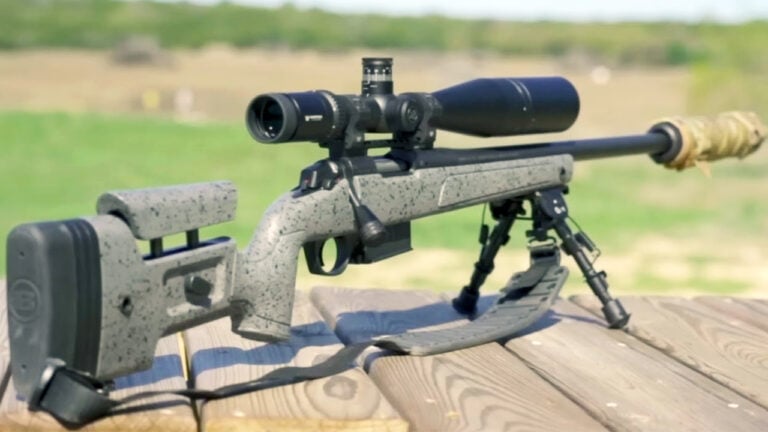
Ruger Precision Rifle

You can absolutely make a Ruger Precision Rifle shoot. The barrel and chassis setup can be legitimately impressive, especially with good match ammo and a bipod. When you do your part, it’ll reward you with groups that make your buddies lean in for a closer look.
Then you live with it. It’s heavy, awkward in and out of vehicles, and it’s not the rifle you casually grab for a quick range session. The bolt can feel a little “industrial,” and small annoyances like magazine fit, feed angle quirks with certain AICS mags, or a finicky brake setup can creep in. It’s a rifle that shoots better than it carries, and you feel that every time you actually have to move with it.
Remington 700 SPS and other budget 700 variants

A Remington 700 with a decent barrel can flat-out shoot. Even the plain-jane hunting models often print better groups than their price suggests, and the aftermarket support is massive. If you like tinkering, you can build a very serious rifle off a 700 footprint.
The frustration is that many of the affordable 700 packages feel like they need help. You might fight a rougher bolt feel, a stock that flexes more than you want, or a trigger that’s “fine” until you start trying to shoot tiny groups under time. Some rifles are great out of the box, some aren’t, and that inconsistency is what drives experienced owners nuts. You end up diagnosing the rifle instead of enjoying it.
Savage Axis II

The Axis II has humbled plenty of fancy rifles. With the right load, it can shoot far better than anyone expects, and it’ll make you rethink how much you really need to spend to punch tight groups at 100 yards.
Owning one long-term can be a different experience. The factory stock often feels flexible, the action can feel a little rough, and the detachable magazine system can be more annoying than it should be. It’s not uncommon to find yourself fiddling with mag seating, learning exactly how it likes to be loaded, and accepting that “cheap and accurate” sometimes comes with “cheap and irritating.” It’ll shoot, but it rarely feels refined while it’s doing it.
Tikka T3x Lite

Tikkas have earned their accuracy reputation the honest way. A T3x Lite can shoot like a rifle with a custom barrel, and it often does it with a calm consistency that makes you trust your dope. The action is smooth, and the rifle tends to behave even when you’re not babying it.
The headaches show up in the ownership details. Factory magazines can feel overpriced, and you may end up guarding them like they’re made of gold. Some shooters hate the “lightweight hunting rifle” feel once recoil and field positions enter the picture, especially in lighter calibers. And if you want to change stocks, bottom metal, or magazine systems, you can quickly turn a simple rifle into an expensive project. It’s accurate, but it can nickel-and-dime you.
Ruger American Predator

The Ruger American Predator has embarrassed a lot of rifles that cost twice as much. When you get one that likes your ammo, it’ll stack bullets and make you look like a better shot than you are. It’s also widely available, which is why so many people end up with one.
The frustration comes from the “good enough” parts around that accurate barrel. The stock can flex, the bedding setup can feel crude, and the magazine system varies by model in ways that confuse owners. Some versions feed great, others get picky with cartridge length or magazine fit. You can absolutely make one run and shoot, but you may spend more time than you want tightening screws, testing mags, and figuring out what it hates. It’s a bargain that sometimes acts like one.
Mossberg Patriot
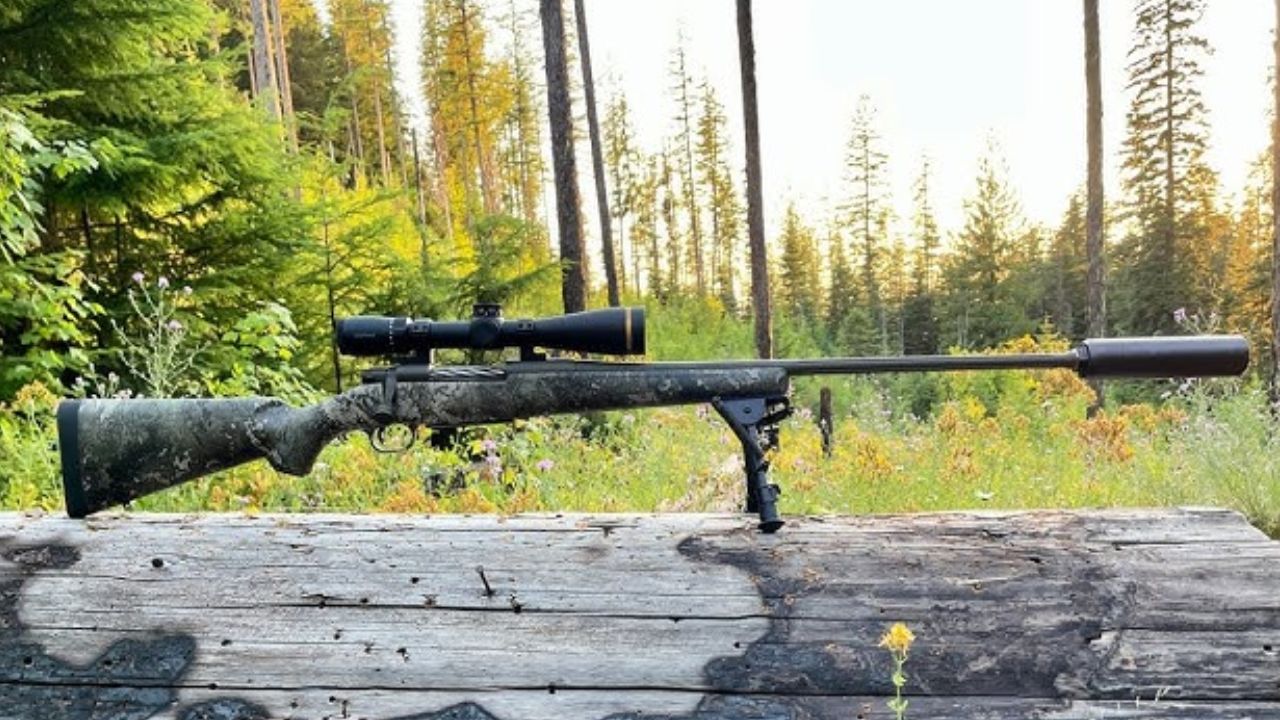
A Mossberg Patriot can shoot better than it feels. That’s the weird part. You’ll see rifles that group nicely, especially when you find the load it likes, and you start thinking you scored a sleeper.
Then the little annoyances start stacking up. The bolt lift can feel odd, the overall finish and feel can seem rough, and the magazine setup can be the kind of thing you don’t notice until you’re loading and unloading in the field. It’s not that the rifle can’t perform—it can. It’s that it often doesn’t feel confidence-inspiring while you’re running it. You end up wishing it had the same “tight and clean” vibe that its groups suggest.
Christensen Arms Mesa
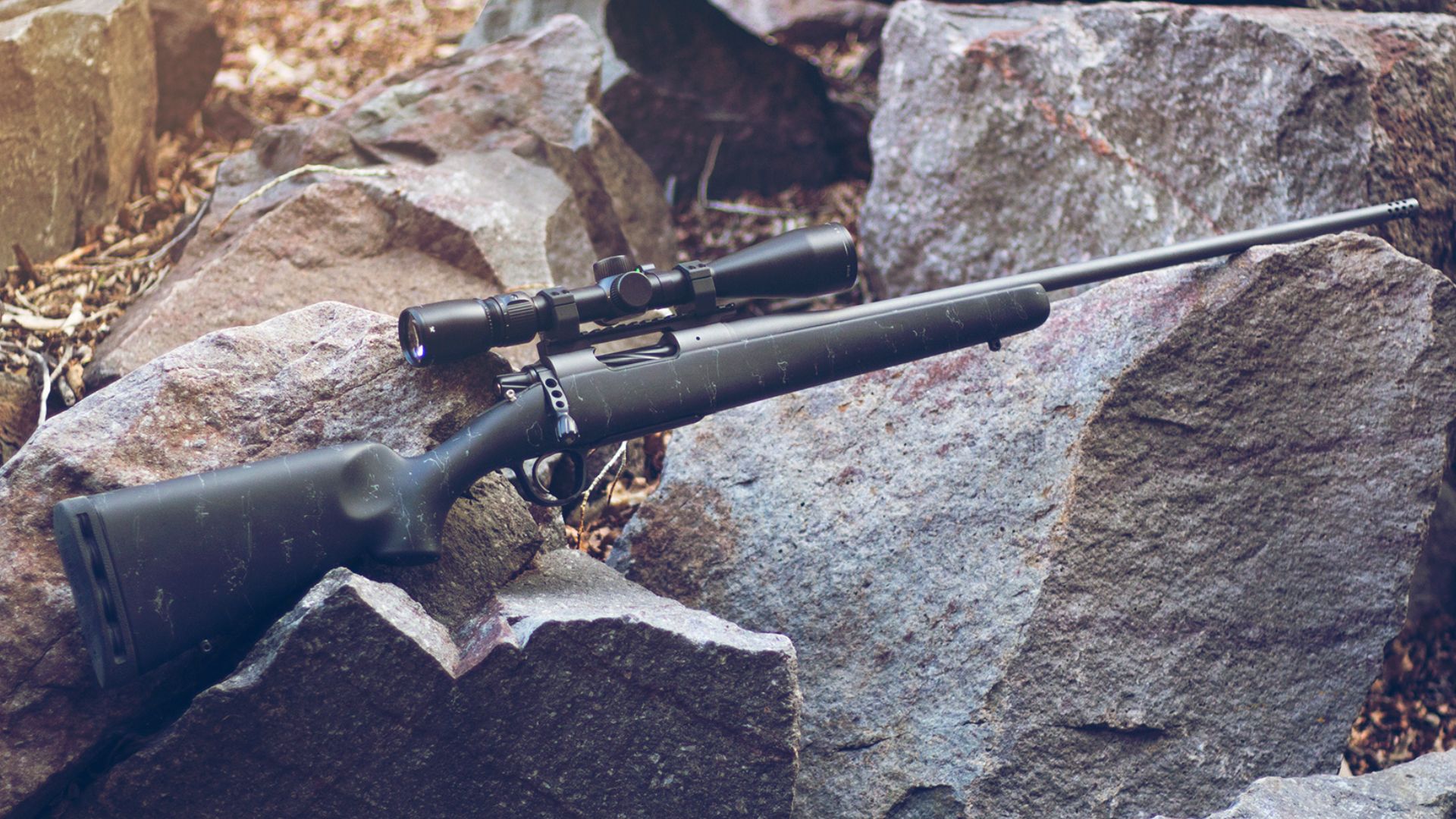
When a Mesa is on, it’s very on. You can get impressive accuracy in a rifle that carries well, and the idea of a lightweight hunting rifle that shoots like a heavier rig is exactly what most of us want.
The frustration is that lightweight rifles amplify everything you don’t like. Recoil feels sharper, shooting off sticks gets less forgiving, and any small issue—feeding feel, stock fit, or how the rifle settles into a bag—stands out more. Some owners also end up chasing consistency by experimenting with torque settings and ammo like they’re tuning a competition rifle, not a hunting gun. It can be a great shooter, but it sometimes asks for more attention than you expect from a rifle in that price class.
Springfield Armory M1A

An M1A can be a laser with the right setup and ammo. When it’s dialed, it has that satisfying “old-school precision” thing going on, and ringing steel at distance with a classic .308 is hard not to love.
Owning one can turn into a constant balancing act. They’re heavy, they’re not cheap to feed if you want peak accuracy, and the accuracy can be sensitive to bedding, stock fit, and how the rifle heats up. Optics mounting can also feel like an extra project compared to modern rifles. You can get them shooting great, but you often pay for it in time, weight, and a little bit of cussing. It’s the kind of rifle you respect more than you enjoy on a random Tuesday range trip.
Ruger Mini-14

A good Mini-14 can be surprisingly accurate, especially newer rifles with improved barrels. When you find the load it likes, it’ll shoot well enough to make the platform feel underrated, and it handles fast in the woods or around a ranch.
The frustration is that it tends to be accurate on its own terms. It can string shots as it heats up, especially if you’re running it like a range toy instead of a practical carbine. Magazines are another common pain point—good mags matter, and cheap ones can turn the Mini into a malfunction machine. Add in the fact that optics mounting and sight upgrades aren’t always as straightforward as an AR, and you end up with a rifle that shoots well but demands you run it a certain way.
Browning Buck Mark

The Buck Mark is one of those .22 pistols that can shoot like a target gun without trying to be one. The accuracy is real, the trigger can be excellent, and it’ll make you look good on small steel and tiny groups if you do your part.
The downside is that ownership comes with “tiny screw” energy. Disassembly and reassembly can be more of a hassle than it should be, and you have to pay attention to screws working loose around the sight base on some setups. That’s not the end of the world, but it’s annoying when you just want a rimfire that runs forever with minimal fuss. It’s accurate enough to make you care about consistency, and then it gives you a couple little maintenance chores that feel out of place for a .22 plinker.
Ruger 10/22
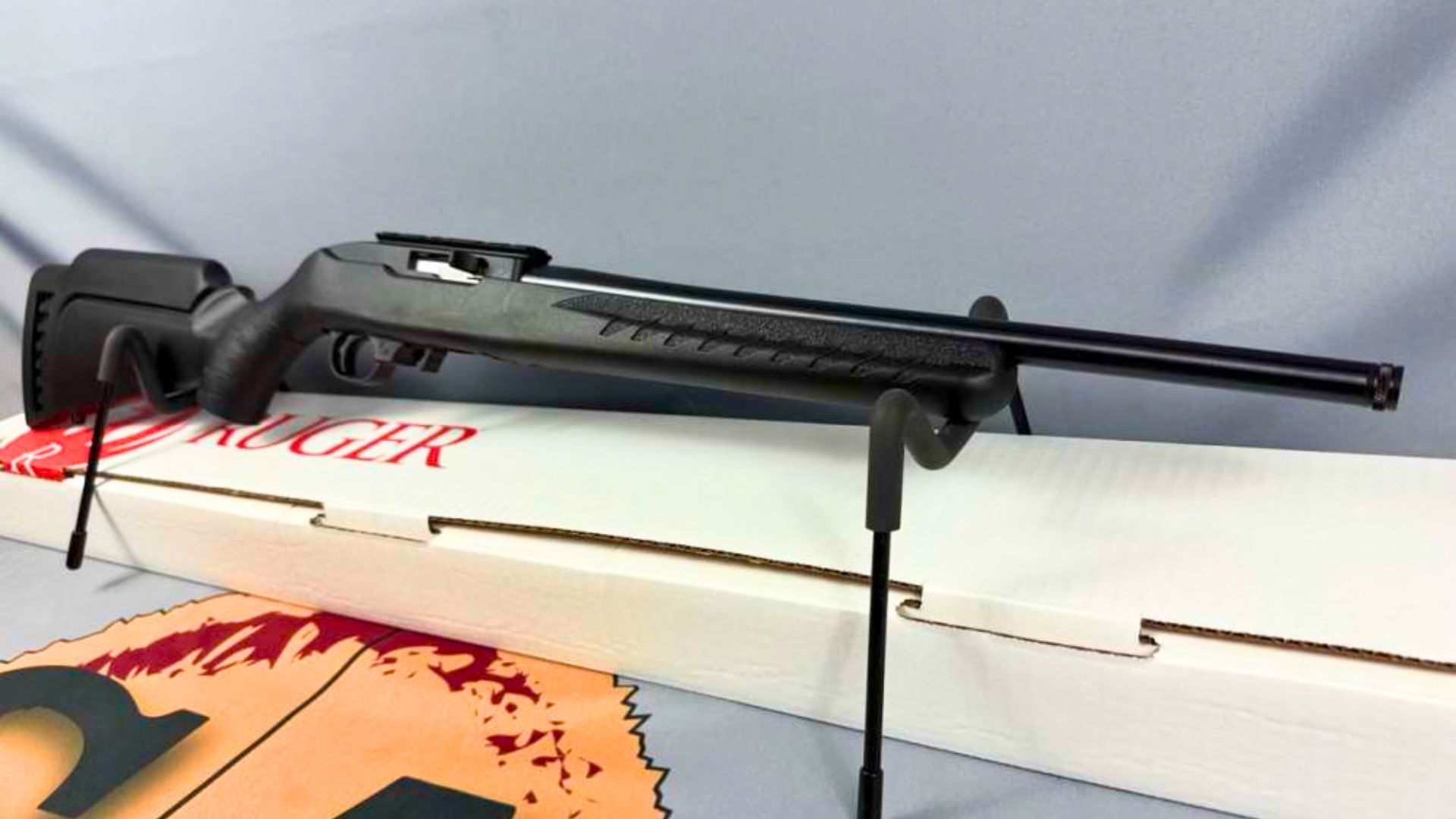
A 10/22 can be ridiculously accurate. With the right ammo, a decent barrel, and a solid optic, it’ll shoot tiny groups and keep you grinning all afternoon. It’s also one of the most supported rifles on earth, which makes it easy to tailor to exactly what you want.
That support is also the trap. The more you modify, the easier it is to accidentally build a rifle that’s accurate but finicky. Aftermarket triggers, bolts, and magazines can introduce random reliability issues, and suddenly you’re chasing feeding problems on a rifle that used to be boring. Even stock, you may find yourself sorting magazines or learning which ammo it cycles best. It’s a platform that rewards tinkering, but it also punishes sloppy tinkering, and that can get old fast.
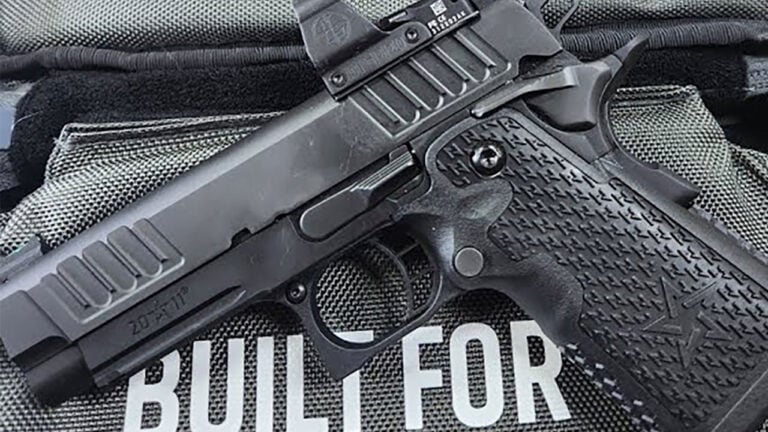
Kimber Ultra Carry II
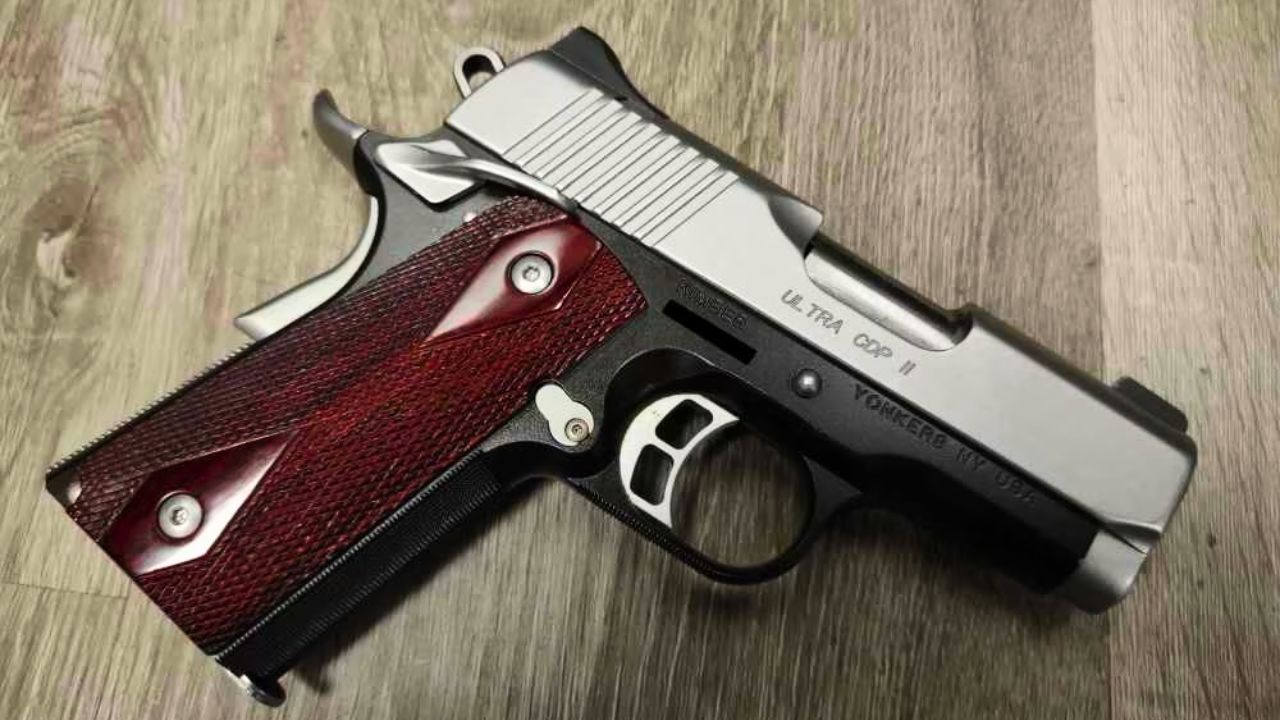
A short 1911 can be impressively accurate. A Kimber Ultra Carry II, in particular, can shoot tighter groups than people expect from a compact carry gun, and the trigger feel can make precision work feel almost too easy.
Then the compact 1911 reality sets in. Shorter slide travel and tighter timing can make these guns more sensitive to magazines, recoil springs, and ammo shape. You might find yourself replacing springs on a schedule, testing multiple mags to find what it likes, and learning that “runs great” can mean “runs great with this exact setup.” It’s not that the pistol can’t be dependable—it can be. It’s that the ownership experience can feel like maintaining a sports car: rewarding when everything is perfect, annoying when you just want it to work.
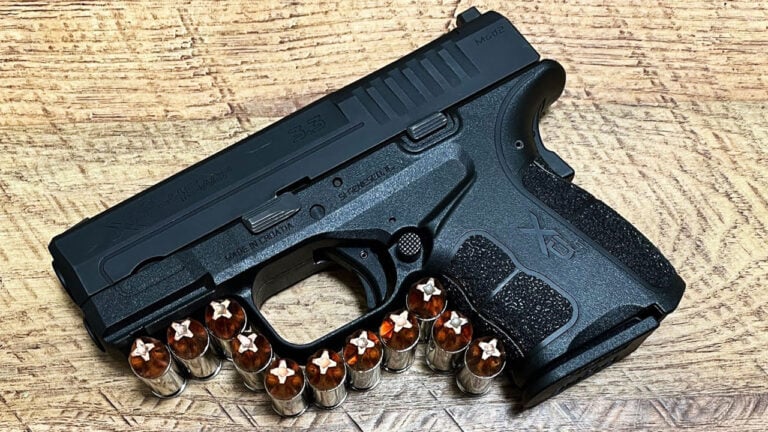
SIG Sauer P938
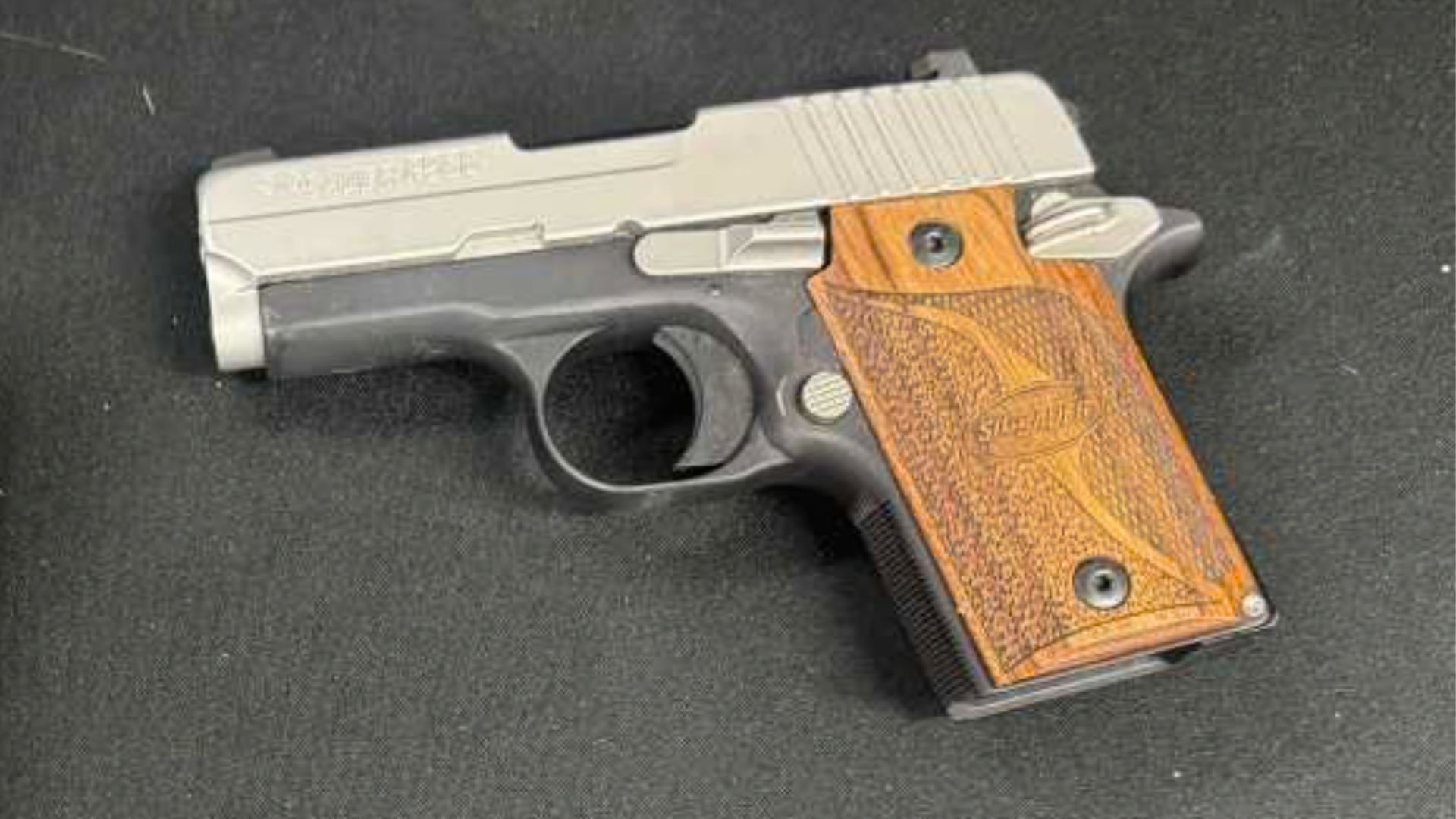
The P938 can shoot better than a pistol that small has any business shooting. Good sights, a crisp single-action trigger, and solid build quality can make it feel like a tiny, serious tool instead of a compromise gun.
The frustration is that tiny pistols magnify tiny problems. Controls are smaller, the grip can punish sloppy technique, and the gun can be less forgiving with certain ammo profiles or limp-wristed shooting. You also tend to feel recoil and slide speed more sharply, which makes long practice sessions less fun than you hoped. It’s accurate enough to inspire confidence, but small enough to remind you why bigger carry guns are easier to live with. You’ll respect it, but you may not love training with it.
Desert Eagle .50 AE

A Desert Eagle can be shockingly accurate. From a rest, it can print groups that don’t match the “movie gun” reputation at all. The weight helps, the sights are usable, and when everything is running right, it’s a legitimate shooter.
It can also be one of the most particular pistols you’ll ever own. They don’t love weak ammo, they don’t love being filthy, and they don’t love random grip techniques. You can’t treat it like a typical semi-auto and expect it to forgive you. Add in the cost of ammo, the bulk of the gun, and the fact that it’s not exactly quick to work on, and the ownership experience becomes a commitment. It’s accurate, but it demands you play by its rules every time.
CZ 457

The CZ 457 is a rimfire that can hang with rifles built for competition. When you find the ammo it likes, it’ll punch tiny groups that make centerfire shooters jealous. The action is smooth, the platform is solid, and it’s easy to see why people get obsessed with them.
That obsession often starts with ammo testing, and that’s where the frustration lives. Rimfires can be incredibly picky, and you may burn through a small fortune trying lots to chase that last bit of consistency. Magazines are good but not always cheap, and you’ll notice every little change in torque, bedding feel, and optic setup because the rifle is accurate enough to show you. It’s a great problem to have, but it’s still a problem. You end up tuning and sorting when you thought you were buying “easy accuracy.”
FN Five-seveN

The Five-seveN can be very accurate, and it’s easy to shoot well because recoil is mild and the gun tracks flat. The sights are usable, the trigger is workable, and you can make hits at distances where most pistols start getting sloppy.
Owning one can feel like living with a niche platform. Ammo is the big one—availability and price can push practice into “special occasion” territory, and that’s a brutal way to own any pistol you actually like. The ergonomics are also love-or-hate, and the whole system is different enough that you’re not borrowing parts, magazines, or even holsters from the mainstream world. You end up with a pistol that shoots great but lives on an island. It’s accurate, it’s fun, and it still manages to be inconvenient.
Like The Avid Outdoorsman’s content? Subscribe to our newsletter so you never miss an article.
Here’s more from us: