Every hunter knows at least one rifle or shotgun that sounds perfect on paper. You hear the stories at campfires or in the truck: tight groups at the range, flawless feeding, and recoil so light you barely notice it. But once you get that same gun into real terrain, things change fast. Cold weather, heavy gloves, uneven footing, and rushed shots expose weaknesses those bragging sessions never mention.
These guns usually look good and feel promising in a store. The issues show up when you start moving, breathing hard, or dealing with fast-changing conditions. When the moment finally comes, some rifles and shotguns prove they’re better for talking about than actually hunting with.
Remington 742 Woodsmaster
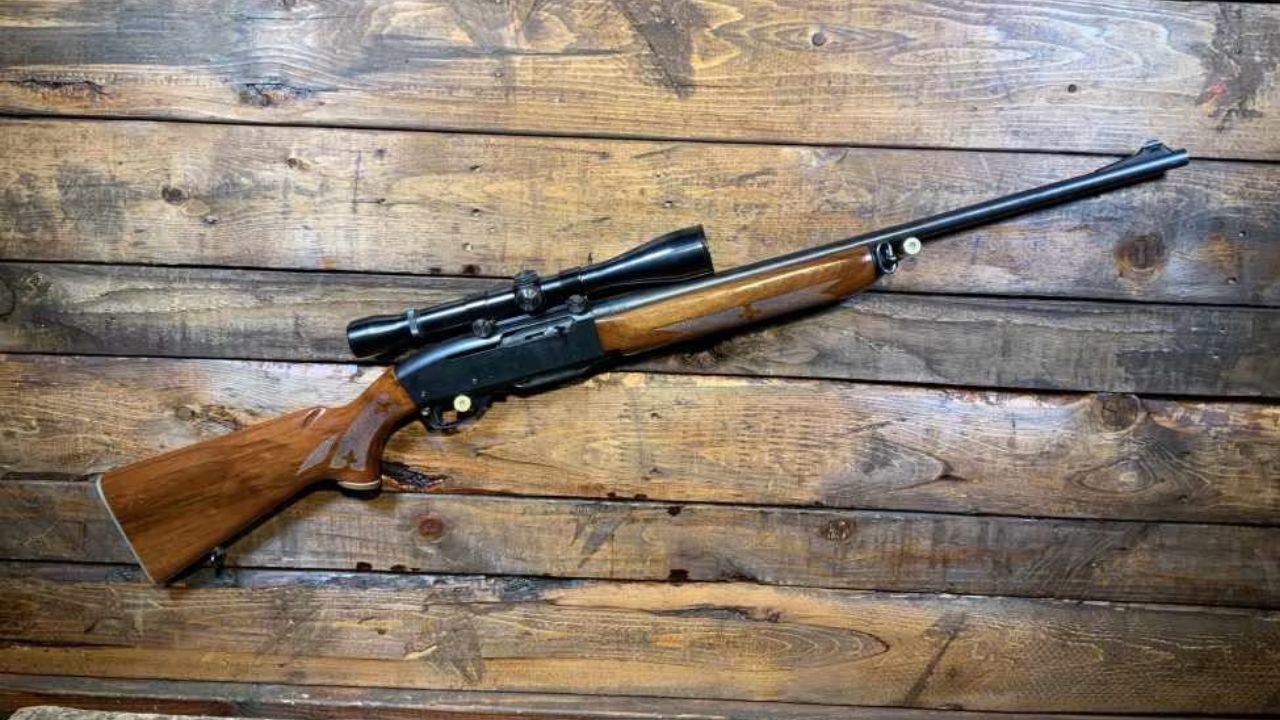
A lot of hunters love to brag about carrying a classic semiauto like the Remington 742. It has nostalgia and a familiar profile, which gives it instant charm. But once you head into the field, the old feeding issues and sticky chambers start to show up. Cold mornings or a dirty action can turn it into a gun that hesitates right when you’re lining up a shot.
Accuracy also degrades as the action wears. Many 742s drift from tight groups to “minute of deer” quicker than owners admit. When it’s time for the real hunt, the same gun that sounded great around the fire suddenly feels unpredictable.
Browning BAR ShortTrac Lightweight

Hunters love to show off the BAR ShortTrac because it balances nicely and carries well. But when you start shooting from improvised positions, that light front end makes the muzzle wander more than you expect. At the range, it’s easy to control. In the woods, with nerves running high, steadiness becomes a real challenge.
The gas-driven action can also get sluggish in freezing temperatures. Shots that cycle perfectly in warm weather may drag or feel sluggish when it matters. That difference often catches hunters off guard and leaves them wondering why the rifle doesn’t feel as sharp as it did back home.
Ruger American Predator in .450 Bushmaster
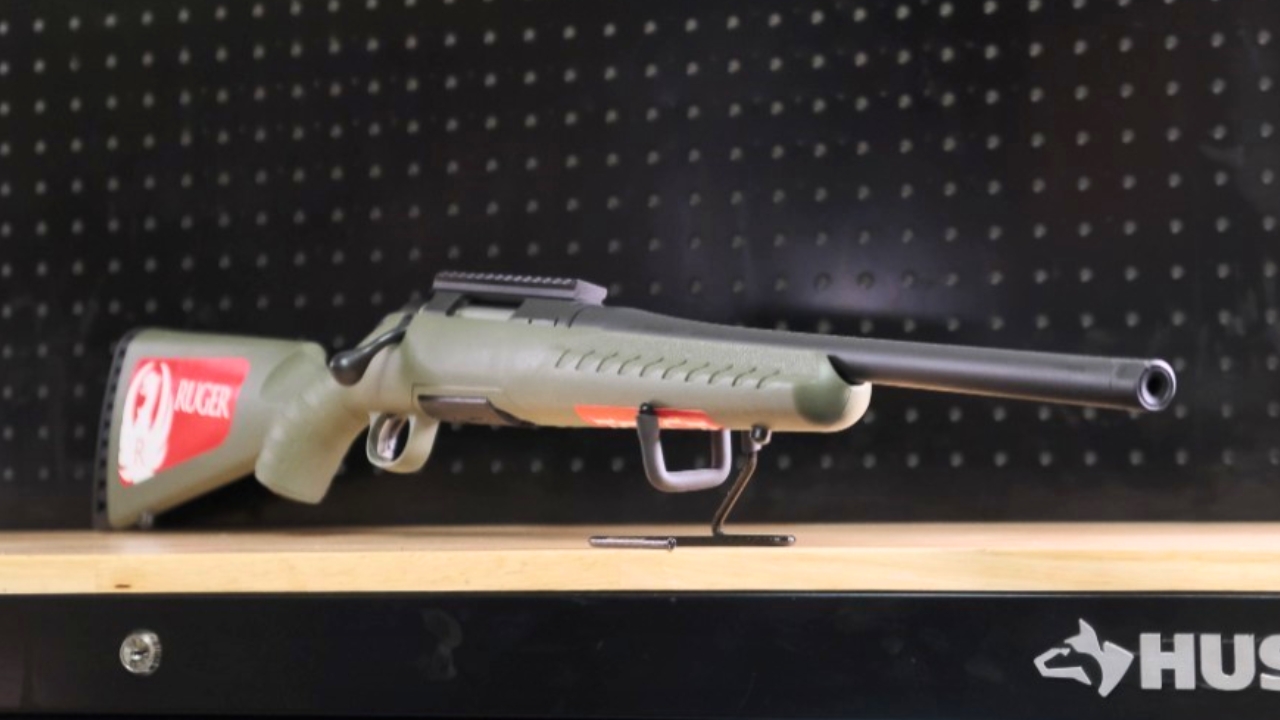
This rifle earns plenty of praise from hunters who love the idea of big-bore performance in a lightweight package. But once you shoot it, the recoil becomes a problem. That light stock channels every bit of force straight to your shoulder, and follow-up shots get sloppy fast. On paper, it looks ideal for thick woods; in practice, it’s hard to settle behind.
Accuracy also shifts as the barrel warms, especially with heavier loads. Hunters brag about the punch of .450 Bushmaster, but many quickly realize that power comes at the cost of comfort and consistency.
Winchester XPR Stealth SR

The XPR Stealth SR gets attention for its threaded barrel and sleek look, but the real-world experience can be rough. The trigger is crisp, yet the rifle’s overall balance feels off once you’re in shooting sticks or leaning against a tree. New owners often brag about its setup but struggle to hold it steady in awkward angles.
The polymer stock also flexes more than most expect. In controlled settings, that doesn’t matter much. In the field, that flex can shift your point of impact just enough to shake your confidence.
Savage 110 Scout

The 110 Scout shows up in a lot of casual hunting conversations, mostly because it looks tactical and handles fast. But when you actually take it out, the short barrel and muzzle blast make it a handful. The recoil pulse is sharper than you’d expect for a mid-weight rifle, and it unsettles your rhythm during quick shooting.
Some hunters also find the forward-mounted rail awkward. It works well for certain optics, but when you’re hurrying into position, it creates more fumbling than you anticipate. The Scout earns big bragging rights but can be surprisingly tough to manage during real hunts.
Henry Long Ranger in .308 Win

The Long Ranger gets plenty of admiration because it blends lever-action charm with modern performance. But as soon as you start shooting from field positions, the slim fore-end becomes hard to stabilize. Without a firm front-hand anchor, your sight picture wobbles much more than you’d like.
The magazine system also slows things down in cold weather. Gloves or stiff hands make engaging the release tricky, which matters when you need a clean reload under pressure. Hunters often talk highly of it, but once they use it beyond the range, the drawbacks become clear.
Remington Model Seven Stainless
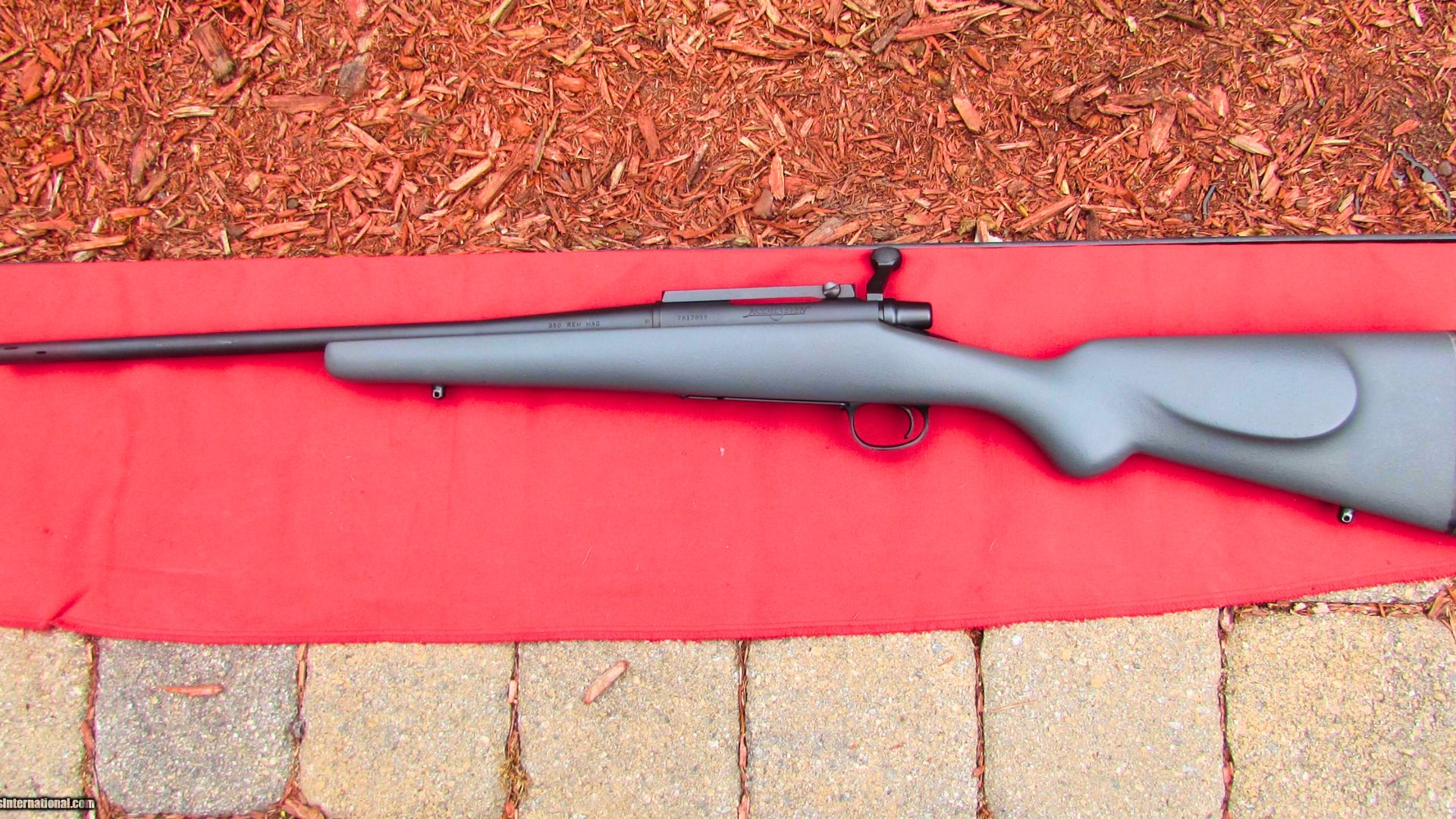
Hunters brag about the compact size of the Model Seven, especially for mountain hunts or thick timber. But the same lightweight profile that makes it appealing turns it jumpy under recoil. Getting a stable hold on steep terrain becomes harder than expected, especially in heavier calibers like .308 or 7mm-08.
Accuracy is reliable, but cold-barrel shots don’t always match warm-barrel behavior. When you only get one chance in the field, that inconsistency can make you second-guess the rifle you were bragging about all offseason.
Weatherby Vanguard Synthetic Compact
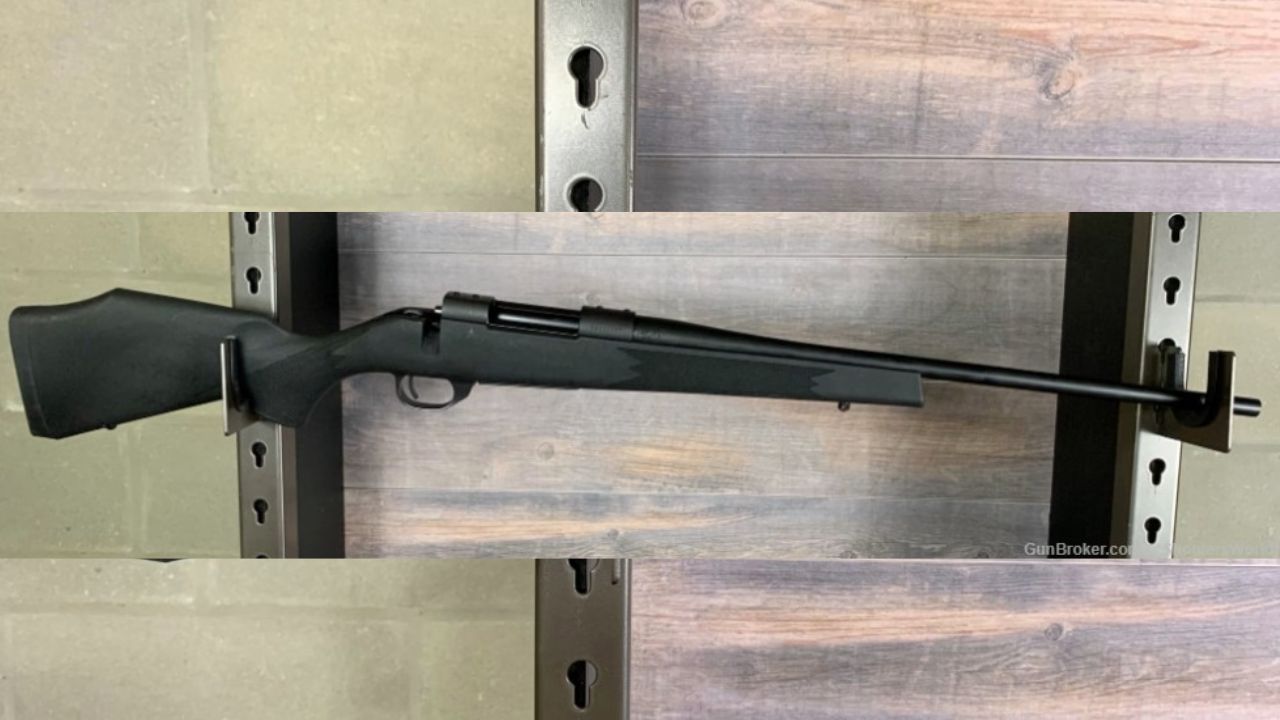
This rifle’s reputation comes from its value and Weatherby accuracy guarantee. But in the real world, the compact stock length can be unforgiving if your clothing layers change. Too short of a length of pull leads to torqued shots and inconsistent recoil control.
The weight also sits rearward, which feels fine at a bench but becomes noticeable during offhand shots. Hunters often brag about its smooth action, then realize that steadiness matters more than they expected once they’re actually lining up on a deer.
Ruger Gunsite Scout (.308)
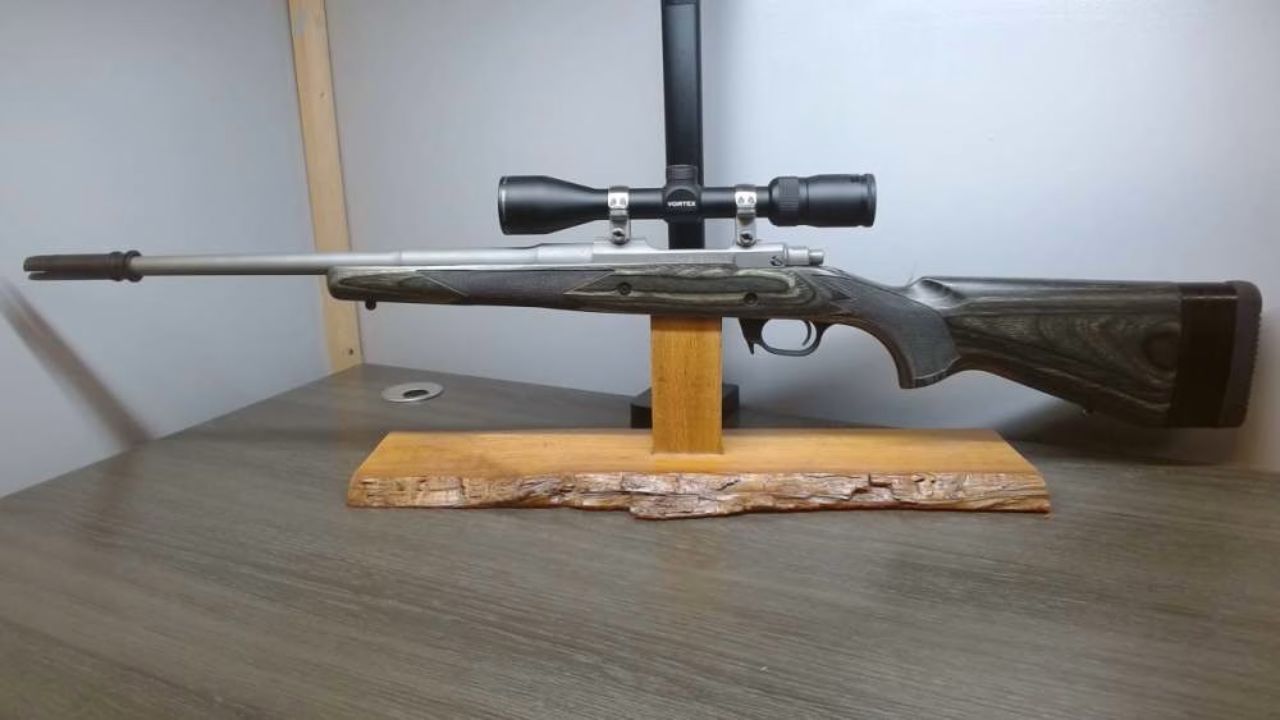
The Gunsite Scout stirs up excitement because of its looks and heritage. But many hunters find that the forward-mounted optic rail complicates things. When you’re rushed or dealing with brush, finding the right eye relief becomes a chore rather than an advantage.
The short barrel also brings stiff recoil and loud muzzle blast. Those factors don’t show up on hunting forums where it gets praised, but they become obvious the moment you fire from a kneeling or leaning position in the woods.
Benelli SuperNova Tactical

Hunters sometimes brag about using the SuperNova Tactical for slug seasons because it looks rugged and cycles smoothly. But once you start shooting from awkward positions, the weight distribution becomes noticeable. The long pump throw also feels cumbersome when you’re trying to stay quiet or move slowly.
Slug recoil from the synthetic stock is another reality check. What feels manageable at the range becomes far less pleasant when you’re cold or wearing layers. Many hunters stop bragging after the first field session.
Browning BLR Lightweight ’81
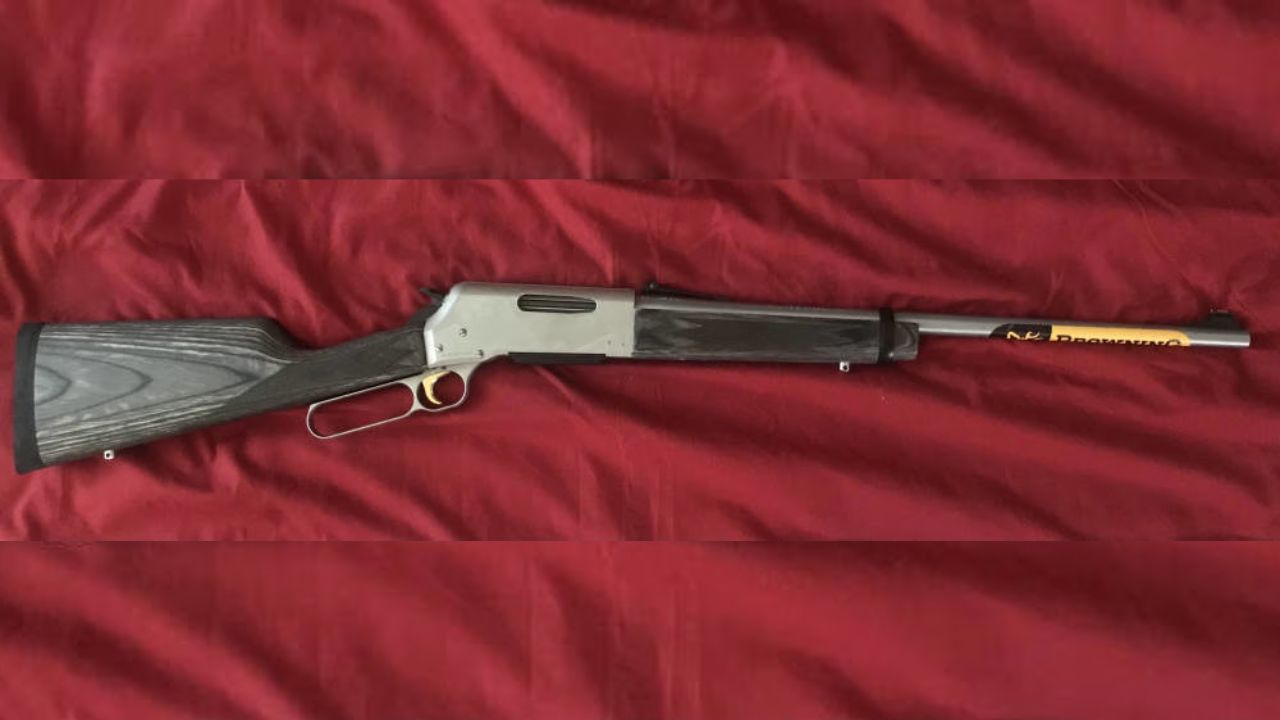
The BLR carries beautifully, which makes hunters speak highly of it. But its trigger has long been known for inconsistency, especially in the lightweight models. That heavy pull makes precise shots difficult when you’re breathing hard or trying to settle the rifle fast.
Lever cycling can also feel stiff when the rifle gets dusty or cold. What seems like a slick, smooth-action rifle during casual handling becomes stiff and finicky once it’s exposed to real hunting conditions.
Marlin 336 Dark Series
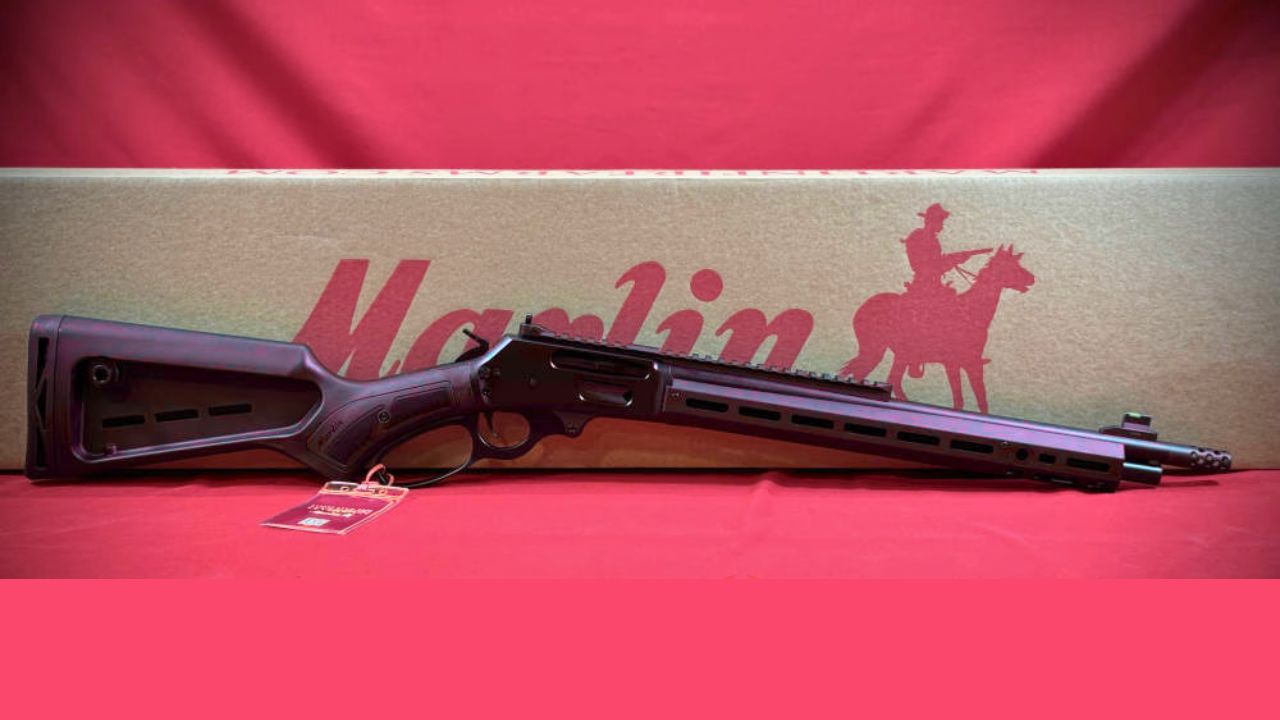
The Dark Series 336 looks impressive and feels great to hold, which explains why hunters brag about owning one. But the Cerakote finish and added accessories make it heavier than the classic versions. That weight difference starts to matter during long days of still-hunting or climbing ridges.
The ghost-ring sights are quick, but they’re not as forgiving at longer distances. Hunters often talk up its versatility, only to discover its sight setup demands closer shots than they originally assumed.
Tikka T3 Forest
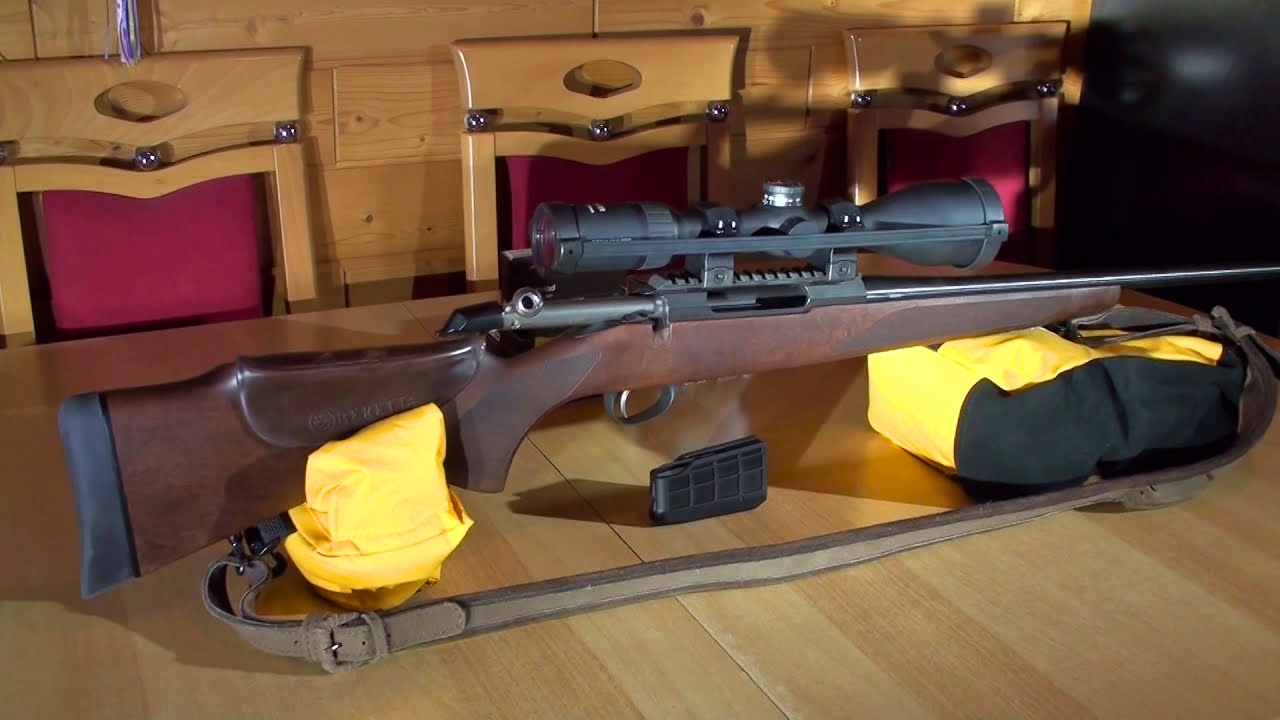
The Tikka T3 platform deserves its praise, but the Forest variant complicates things. The semi-classic stock feels great in the hand yet doesn’t always align naturally for fast shots. Many hunters brag about the smooth bolt, then struggle with cheek weld and eye alignment once they’re actually in the field.
In wet conditions, the wood stock swells just enough to affect fit. It’s subtle but noticeable, especially when you’re aiming quickly. Hunters who love the rifle in dry conditions sometimes regret trusting it during real weather.
Ruger No. 1-S Medium Sporter

Hunters often brag about owning a single-shot Ruger No. 1 because of its elegance and challenge. But when you actually hunt with it, that pressure of having only one shot becomes real. Loading fast is harder when you’re wearing gloves or kneeling in brush.
The rifle’s weight distribution also leans forward, making quick shots harder than expected. On a bench, it’s incredibly stable. In the field, it demands more discipline than most hunters anticipate when they brag about it around camp.
Winchester Model 70 Featherweight Compact

The Model 70 Featherweight Compact brings plenty of pride to its owners. But as soon as you start shooting from kneeling or offhand positions, you notice how much that ultralight front end floats. Keeping the reticle steady takes far more effort than the bragging suggests.
Recoil also becomes sharp in lighter calibers than you’d expect. Once hunters actually use it during a full season, many realize that the “featherweight” name comes with trade-offs they didn’t fully appreciate when showing it off.
Like The Avid Outdoorsman’s content? Be sure to follow us.
Here’s more from us: