Photo credit: Kaspars Grinvalds/Shutterstock.com
Every hunter’s had one — a rifle that looks fine at the counter but refuses to shoot straight once you hit the range. You swap scopes, torque screws, and try half a dozen factory loads, but the groups still look like you patterned a shotgun.
Some rifles are built with such loose tolerances or bad bedding that consistency just isn’t in the cards. Others have accuracy ruined by poor barrels or rough triggers that make good shooting impossible.
These are the rifles that turn sight-in days into headaches, and hunts into humbling lessons about patience and quality control.
CZ 527 Varmint
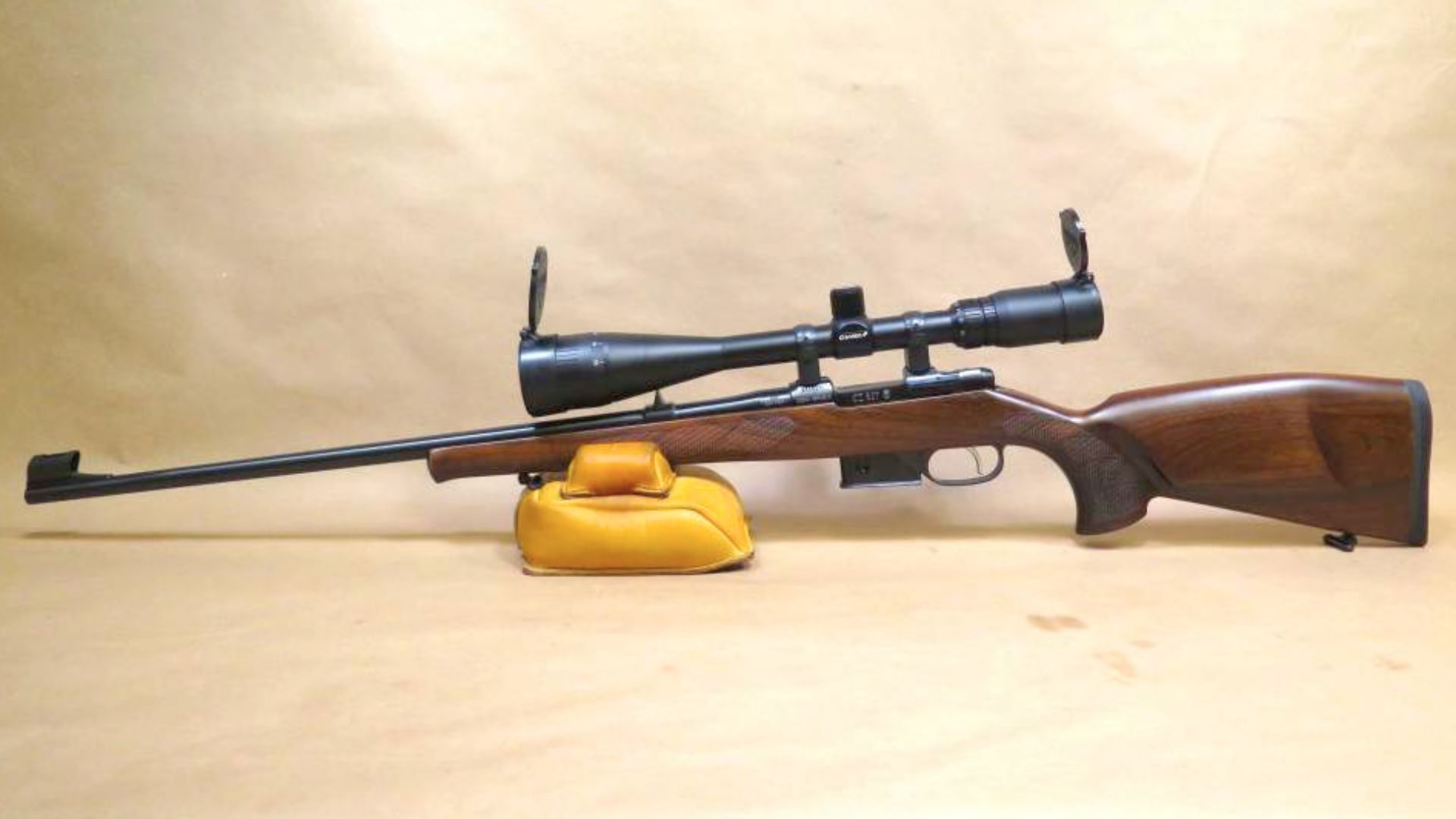
The CZ 527 Varmint looks like a purpose-built tack driver, but some shooters find it maddeningly inconsistent on the range. The short, light barrel and slim stock make it wonderfully quick on a bipod, but those same features can exaggerate harmonics and sensitivity to seating depth. One day it’ll print tiny groups; the next, a flyer shows up and ruins the string. That’s not a universal truth for every 527, but it’s common enough that owners test dozens of loads to find the one that tames their rifle.
Another problem is that the factory bedding and recoil lug contact are subtle; tiny shifts in torque or a different scope mount can move POI more than you’d expect. You can tighten and bed it, or experiment with bullet seating depth, and often you’ll fix things—but if you want plug-and-play, some CZ 527s will leave you feeling like the rifle’s luckier than your marksmanship.
Howa HCR

The Howa HCR (Howa Compact Rifle) is a neat lightweight package for mountain work, but the short, thin barrel profile and minimalist stock sometimes translate to group scatter when the barrel heats. It will print beautiful cold-bore shots, yet rapid strings can open up as harmonics change. That’s classic for rifles optimized for weight savings: you trade raw precision for carry convenience.
Owners also point to the factory action bedding being minimal. A small amount of pressure from a sling, bipod, or inconsistent cheek weld will change the harmonics and shift impacts. The HCR rewards careful setup—dedicated hunting loads, firm torque discipline, and a repeatable mounting position. If you’re expecting bench-rest steadiness from a featherweight hunting rig, you’ll be disappointed; treat it as a stalking tool and tune it to one load for best results.
Bergara Premier
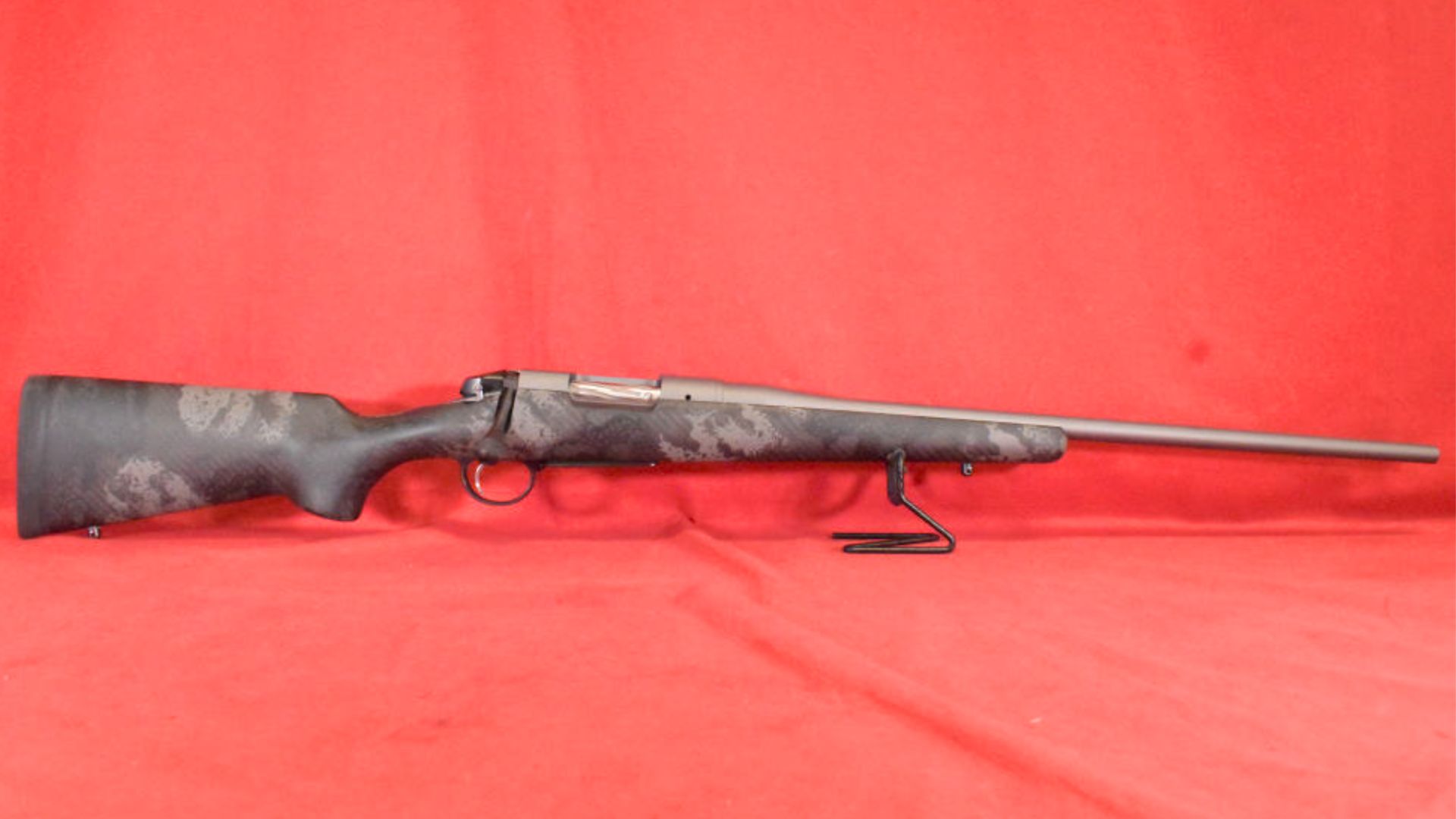
Bergara’s name leans on quality barrels, but some of the earlier “Premier” or lower-tier runs showed variable accuracy because the rest of the rifle didn’t match the barrel’s potential. On those rifles you could see tight groups one day and annoying flyers the next, usually traceable to stock contact points or inconsistent pillar bedding at the factory. When the barrel is great but the chassis is loose, the results are predictably inconsistent.
Many owners cured the problem with glass bedding or a solid aftermarket stock, which tells you the barrel was fine but the platform wasn’t. If you buy a Premier-series Bergara and want bench-grade groups, plan on some gunsmithing. For hunters who keep the factory setup, expect to spend time hunting the rifle’s sweet spot rather than enjoying instant, repeatable precision.
Ruger No. 1

The Ruger No. 1 single-shot is elegant and light, but in sporter-weight configurations it can be surprisingly fussy. The narrow forend and lightweight contouring that make it an easy carry also make it sensitive to how you support it. On sticks or bipods you’ll sometimes see flyers caused by inconsistent pressure points or a mismatched stock-to-action interface. That makes groups look like they were patterned with a shotgun whenever you change shooting positions.
Another wrinkle is barrel contour: thin, fast-tapered barrels heat and harmonize differently than heavier profiles. If you want the No. 1 to behave, pick a single load and a consistent rest. It’s a beautiful rifle to own and hunt with, but don’t expect bench-gun repeatability out of the box unless you work on its mounting and bedding.
Tikka T1x MTR
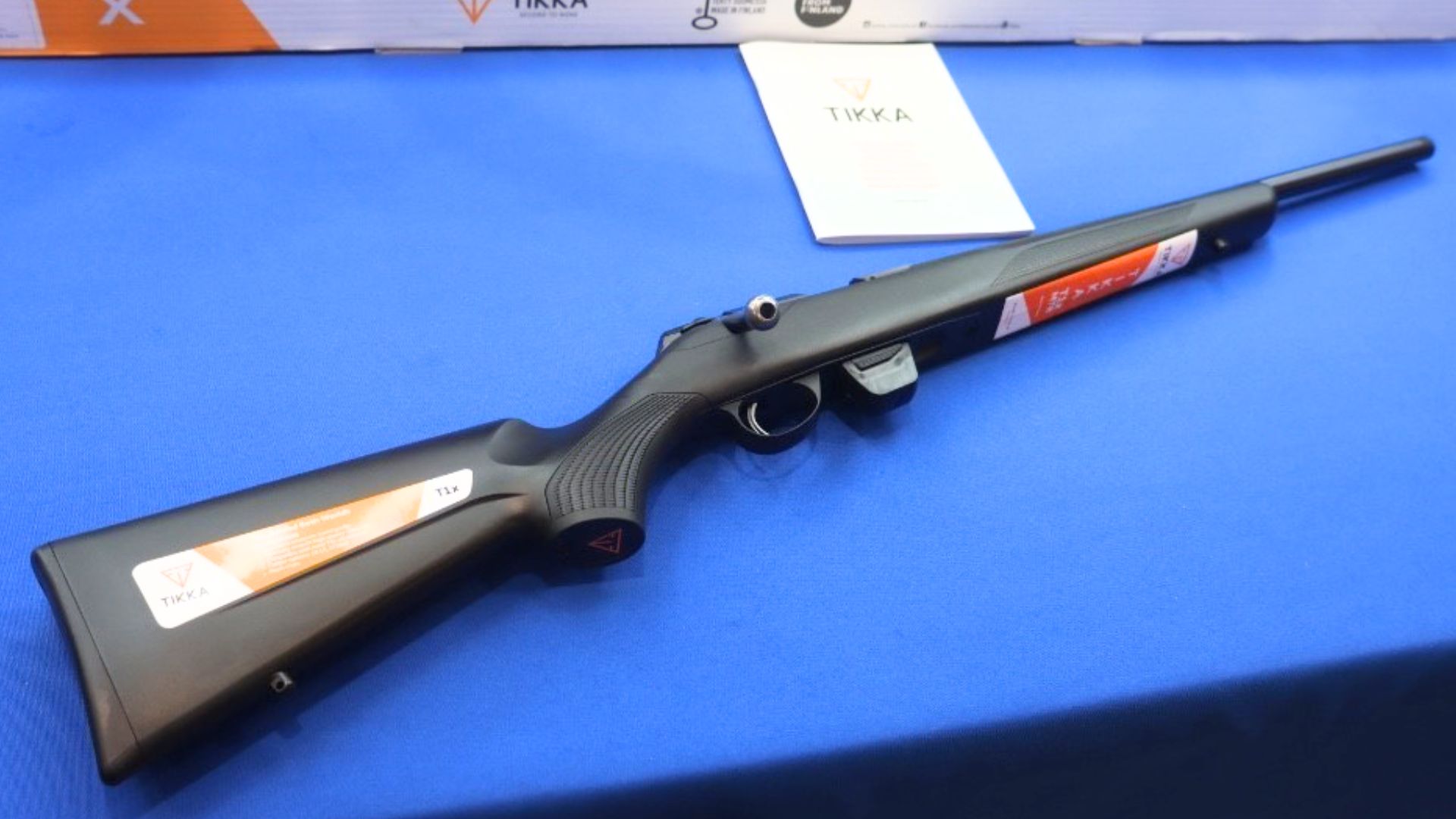
The Tikka T1x platform impressed many, but certain lightweight MTR (micro tactical/recon) configurations with thin barrels and modular stocks show surprising sensitivity. The cartridge and chamber are fine, yet shooters sometimes report vertical stringing or flyers once the barrel warms or the stock flexes under pressure. It’s not a condemnation of the action—Tikka makes reliable gear—but an observation that a light, tactical-style hunting rifle needs careful load selection and a steady shooting position to behave.
Owners who see scatter often solve it by adding a denser bipod interface, shimming the action into the stock, or sticking to a single, tested hunting load. If you want a do-everything rifle that’s accurate in every configuration, the T1x will teach you the value of matching setup to mission instead of expecting uniform accuracy from every trim.
Sako Finnlight

Sako’s Finnlight models are designed to be carried hard and shot occasionally, which means the design pushes weight reduction over bench precision. That can show up as shot-to-shot inconsistency: light barrels, slim stocks, and minimal bedding give you excellent carry comfort but also make the rifle more prone to shifts when you change rests or torque. Hunters who want to muscle a Finnlight into tight groups find themselves chasing loads and torque specs more than enjoying quick follow-ups.
It’s a superb mountain rifle if you accept the tradeoffs—fast to carry, quick to mount, and accurate enough for conservative shots. Expect scatter if you try to treat it like a heavy, free-floated bench gun without addressing bedding and harmonics; the Finnlight rewards consistency in position and load choice rather than a “shoot anything, shoot anywhere” philosophy.
Anschütz Match-style hunting conversions
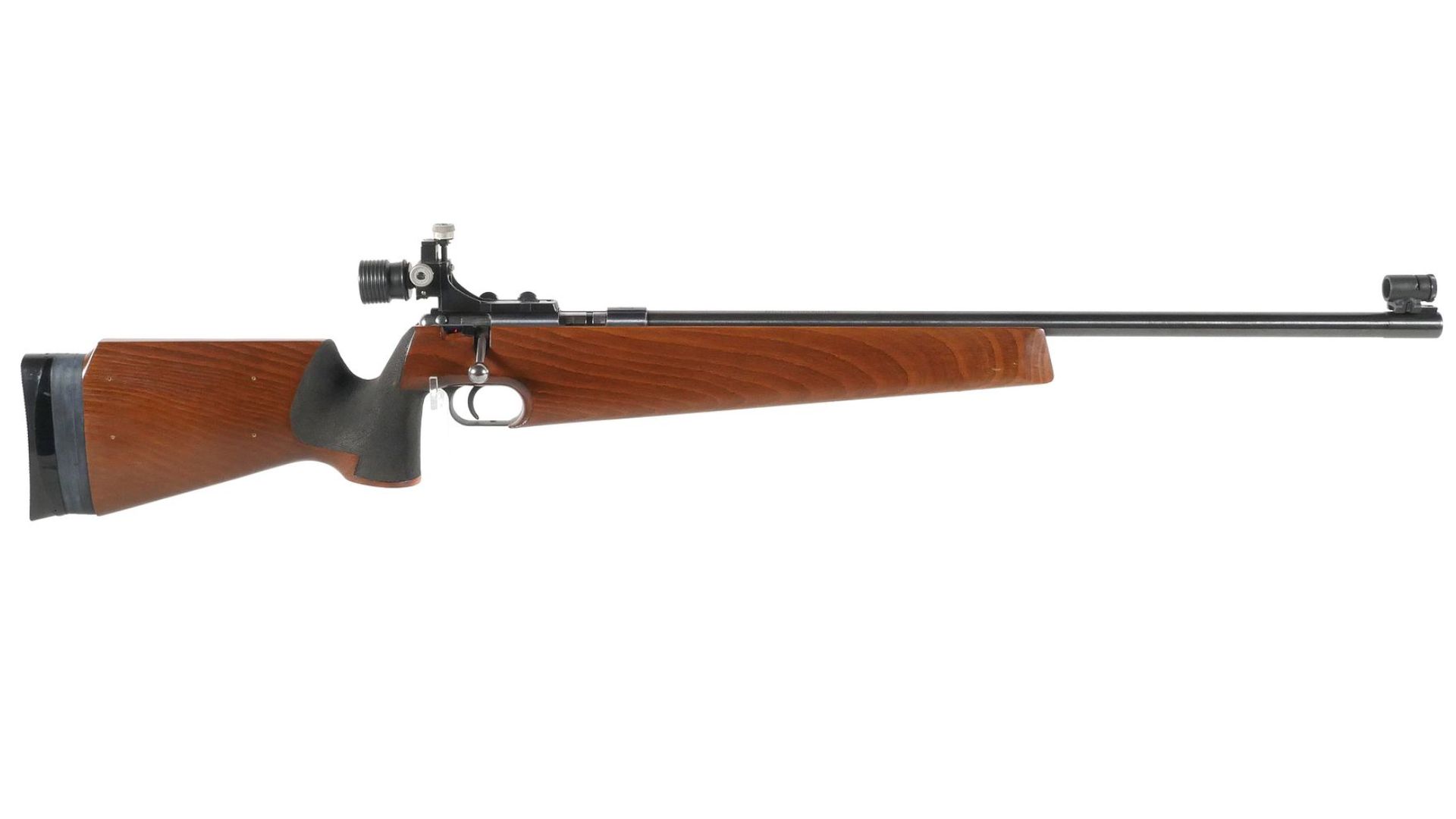
Anschütz target actions and barrels are legendary at the bench, but owners who convert them into hunting rifles sometimes discover an awkward truth: the very precision that makes them winners on the line also makes them touchy in dirty, real-world conditions. Those rifles can print microscopic groups on a clean bench and then show an odd flyer after a short hike when throat fouling, headspace, or scope torque shifts. It’s less common than with budget rifles, but when it happens it’s maddening because you expected perfection.
The remedy is strict maintenance and a disciplined load regimen—exact seating depth, torque, and cleaning. If you want a worry-free hunting rifle, an Anschütz conversion will demand more care than many hunters plan for. It’s a rare “luxury problem,” but a problem nonetheless when a single flyer ruins a shot opportunity.
Mauser M18
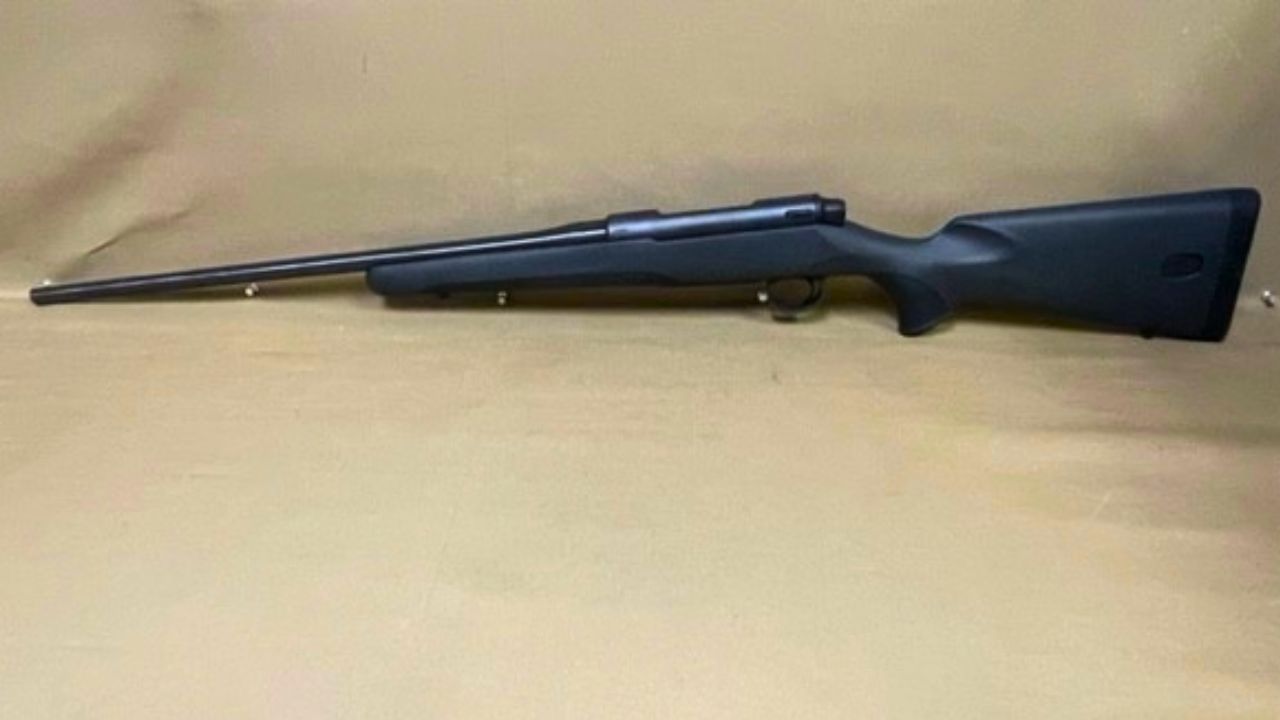
The Mauser M18 is a competent entry-level rifle, yet early-production batches showed variability in accuracy that some hunters called scatter-prone. Reports centered on inconsistent barrel bedding and rough chamber throats that made certain lots of ammo group poorly. Some rifles were fine; others needed bedding and chamber work to settle down. That kind of batch inconsistency turns sight-in into a scavenger hunt.
Many owners found a single factory lot of ammo that tamed their M18 and then stuck to it, which is a functional fix but not ideal. If you pick up an M18, don’t assume infinite interchangeability of loads—test several and commit to one that behaves, or be ready to do minor gunsmithing to stabilize the package.
Browning X-Bolt Pro Lightweight
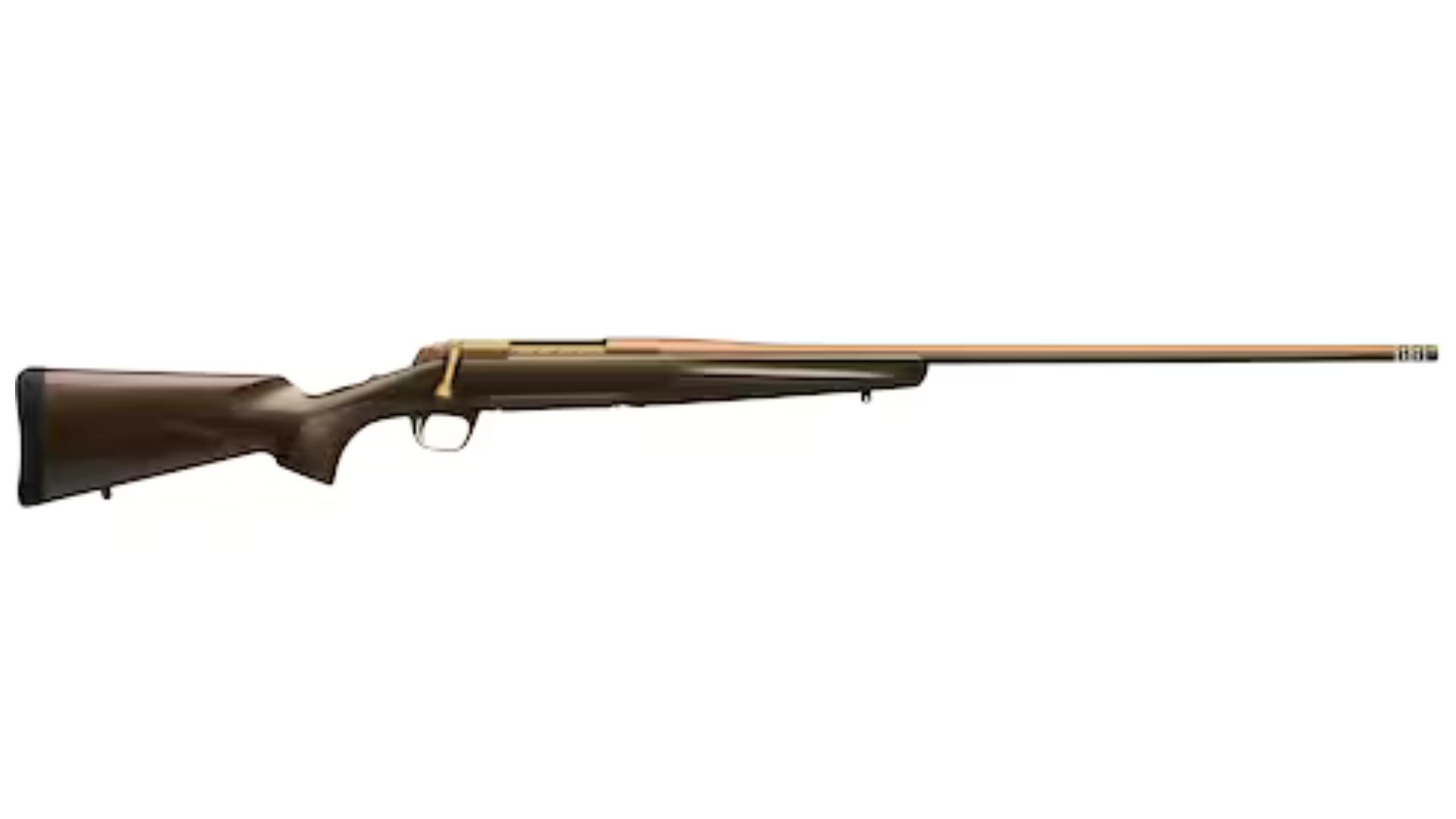
The X-Bolt Pro is well-regarded, but certain lightweight Pro configurations with fluted barrels and carbon or thin stocks can be sensitive to how you support them. Hunters praise their carryability but sometimes report groups opening after a few shots as the barrel warms. That flightiness is usually harmonic-related: a light barrel changes its nodal behavior with every temperature change, and if the stock touches or tensions the barrel, groups scatter like you’ve got a problem.
You can cure most of it by bedding, using a heavier contour barrel, or sticking to single-shot deliberate firing sequences. If you want a paper-sheriff that will print MOA across conditions, pick a heavier, more stable trim. The light Pro variants reward light-and-fast hunting, not bench-top miracles.
Like The Avid Outdoorsman’s content? Be sure to follow us.
Here’s more from us:
The worst deer rifles money can buy
Sidearms That Belong in the Safe — Not Your Belt
*This article was developed with AI-powered tools and has been carefully reviewed by our editors.