Photo credit: Dariusz Wojtaluk/Shutterstock.com
Some rifles outlive their eras. They were never supposed to last through multiple wars, new calibers, or entire generations of shooters, yet somehow they did. These guns were built with solid engineering, not fanfare—and their reliability kept them in use long after factories moved on to newer models.
Whether they stayed in service because they were too dependable to replace or too costly to reinvent, these rifles proved that good design doesn’t have an expiration date. You’ve likely handled a few of them, or at least seen their modern descendants still doing the same work their designers never imagined lasting this long.
M1 Garand

John Garand’s semi-auto rifle entered U.S. service in 1936, meant to replace bolt-actions and bring the military into a new era. Nobody expected it to keep serving well into the 1960s and beyond. Its accuracy, power, and reliability made it a legend in World War II and Korea, and it was still seen in the hands of troops decades later.
Even after the M14 replaced it officially, the Garand kept showing up in training and foreign service. Its design was complex for its time, but it worked. The rifle outlived nearly everyone who designed or first carried it, proving that a well-built semi-auto can age like iron.
Lee-Enfield No.4 Mk I

The Lee-Enfield No.4 Mk I was designed as an evolution of the earlier SMLE for World War II service. It was never meant to last far beyond that conflict, yet it stayed in Commonwealth use for over half a century. Troops in India, Canada, and even some parts of Africa were still carrying them in the 1980s.
The smooth bolt action and ten-round magazine made it quicker to operate than almost any other turn-bolt rifle of its time. Even as semi-autos replaced it elsewhere, soldiers trusted its rugged reliability. For a rifle born in the 1940s, it hung on a lot longer than anyone expected.
Mosin-Nagant 91/30

The Mosin-Nagant was designed in the 1890s, long before semi-automatic rifles were even practical. Yet the 91/30 variant was still used extensively through World War II, and plenty remained in service across Eastern Europe and Asia for decades afterward.
It was crude, heavy, and slow—but it worked in mud, snow, and frost where other rifles seized up. The Soviets didn’t retire it completely until well after the AK-47 took over. Its long service life was less about perfection and more about sheer reliability. It was built for war, and it refused to stop serving.
Mauser Karabiner 98k
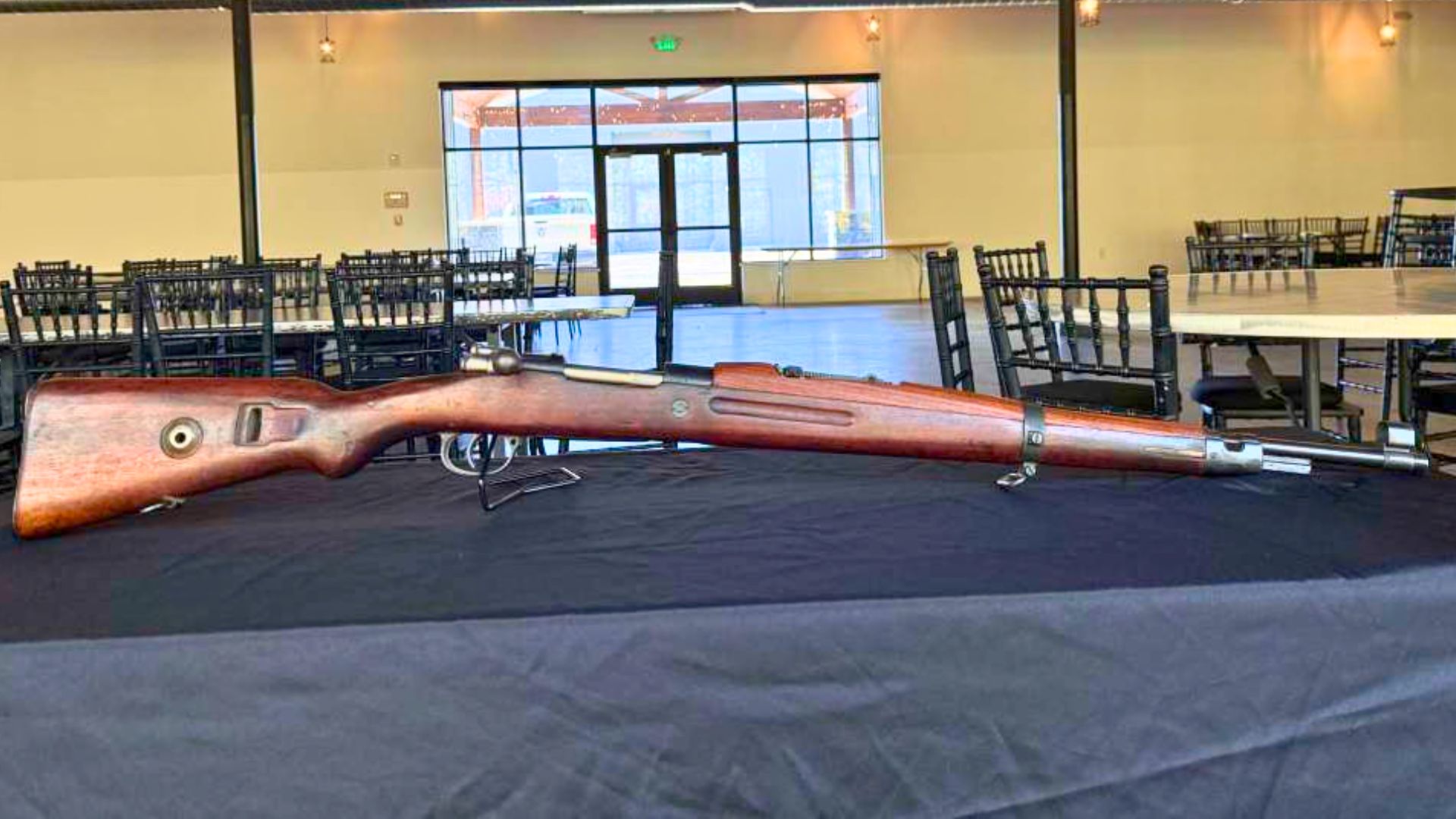
The K98k was designed in the 1930s as Germany’s standard infantry rifle, but its legacy lasted far longer than Hitler’s Reich. After World War II, it was pressed into service across dozens of countries. Israel, Norway, and Yugoslavia kept using rebarreled Mausers well into the 1960s and even the 1970s.
Its controlled-feed action became the foundation for countless sporting rifles, and its strength made it nearly impossible to phase out quickly. Long after newer rifles replaced it in official service, the Mauser 98 action remained the heart of bolt guns everywhere.
M14

The M14 was supposed to be a short-lived bridge between the M1 Garand and the M16. Instead, it refused to fade away. Built in the 1950s, it saw early use in Vietnam and kept popping up in service roles long after it was officially replaced.
Snipers and designated marksmen continued to favor it for its reach and accuracy, especially once updated chassis systems revived its potential. The M14’s heavy recoil and weight kept it from being a frontline rifle, but its staying power earned it quiet respect. It’s still in limited use today—proof that durability can outlast doctrine.
SKS
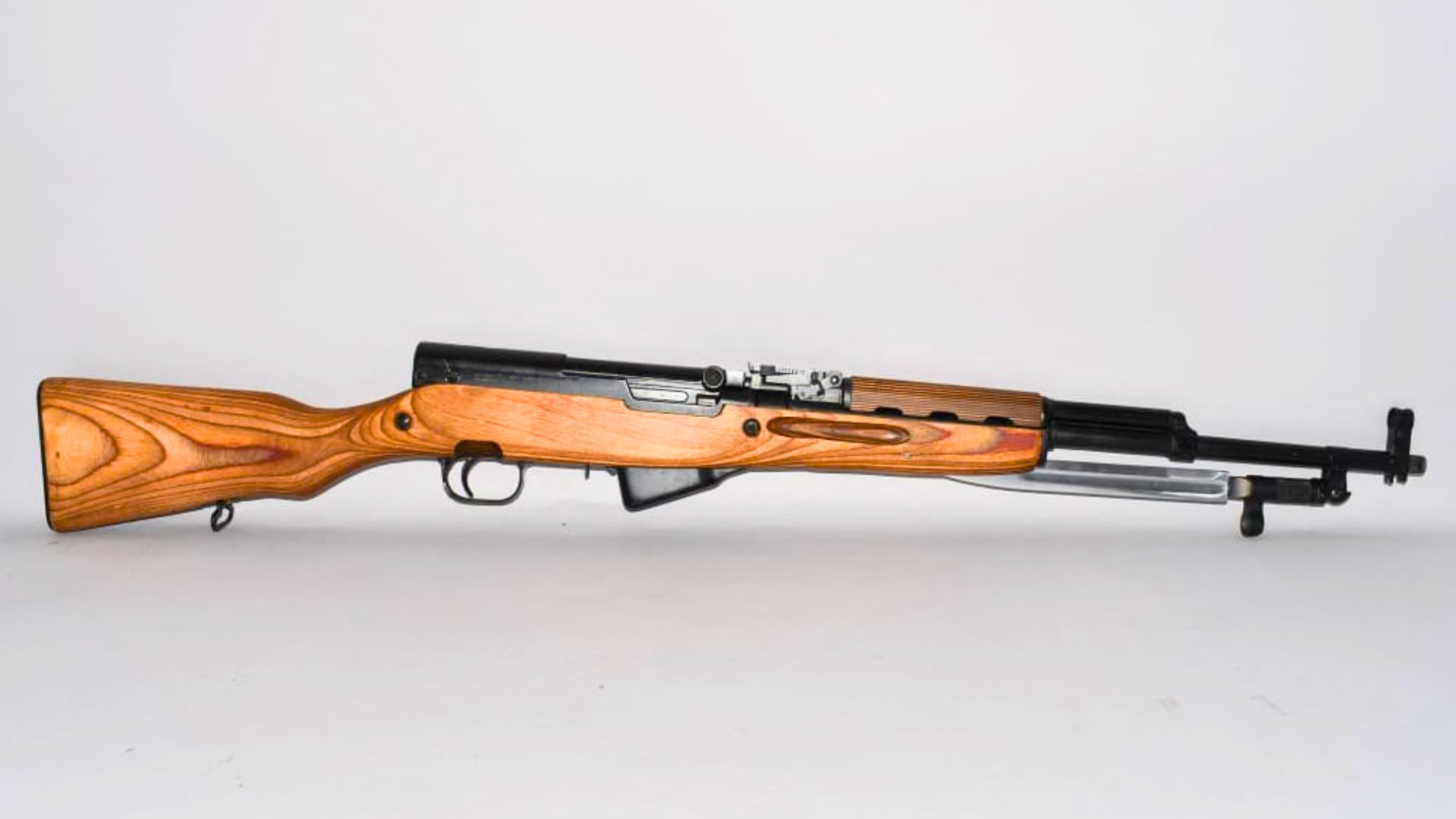
The SKS entered service in the mid-1940s, designed to be a stopgap between bolt guns and the emerging AK platform. Nobody expected it to hang around once the AK-47 arrived, yet it did. Its simple, rugged design made it a favorite in second-line and militia units for decades.
The SKS was used in conflicts across Asia, Africa, and the Balkans, long after it was considered obsolete. Its ability to take abuse, feed reliably, and hit consistently made it too practical to discard. Even today, millions still sit in storage or serve as civilian rifles around the world.
FN FAL

The FN FAL was designed in the late 1940s as a battle rifle for NATO allies. It became the “right arm of the Free World,” serving in over 90 countries. Its designers probably assumed it would give way to lighter 5.56 rifles within a decade or two—but the FAL refused to leave the fight.
Decades later, it was still active in Africa, South America, and even parts of the Middle East. The gas system could be tuned to keep it running in nearly any condition, and the build quality was exceptional. Even now, some armies keep them on hand for reserve or marksman roles.
Springfield 1903
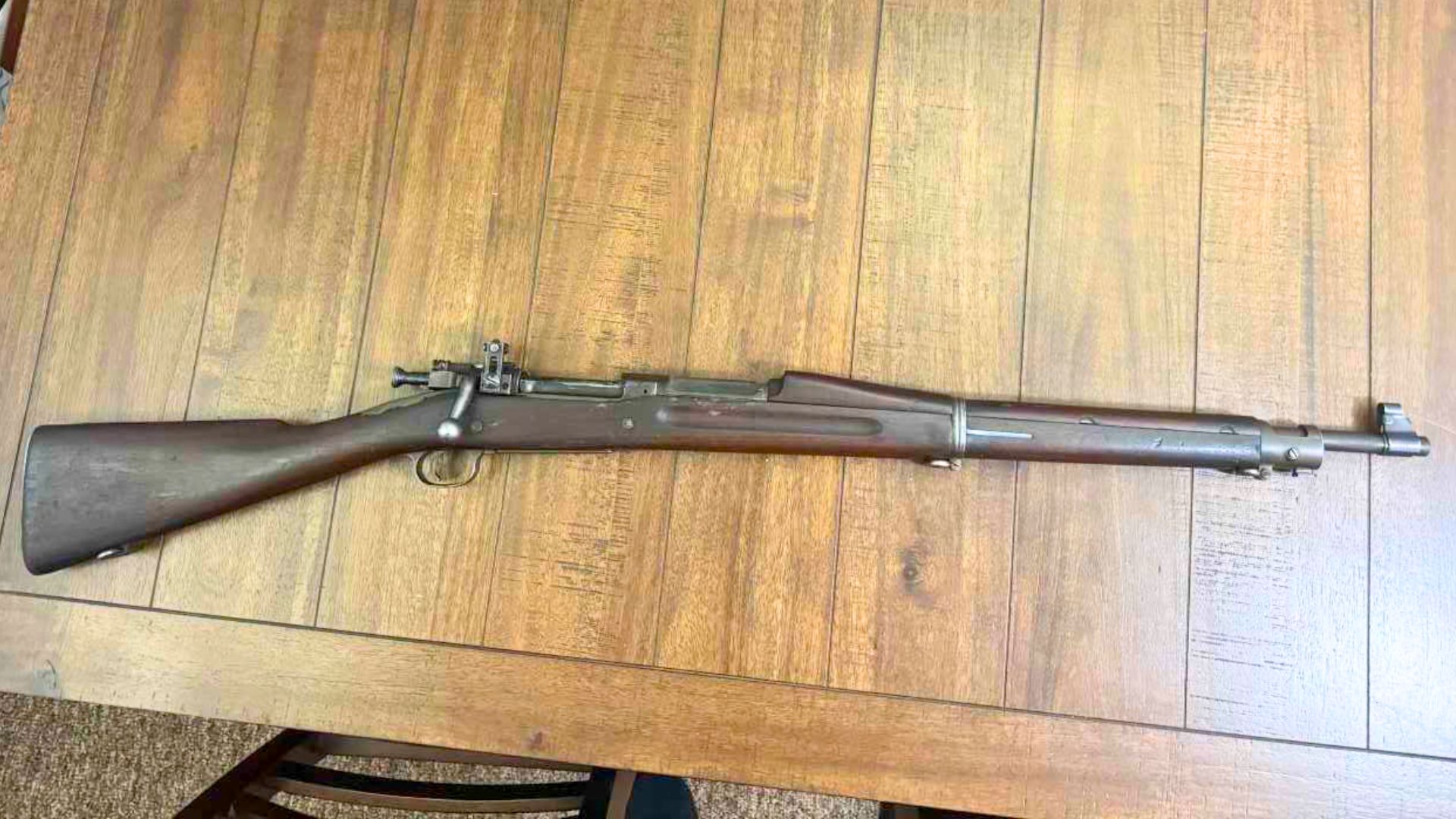
The 1903 Springfield was supposed to be America’s early 20th-century service rifle—then came the Garand. But the 1903 didn’t go quietly. Snipers used it in World War II and Korea, and it stayed in limited service for decades after. The Marine Corps held onto theirs for longer than most realize.
Its Mauser-inspired action proved timeless, and for many marksmen it remained a trusted tool even after semi-autos took over. The rifle was designed for an era of trench warfare, yet it kept proving useful well into the Cold War.
AK-47
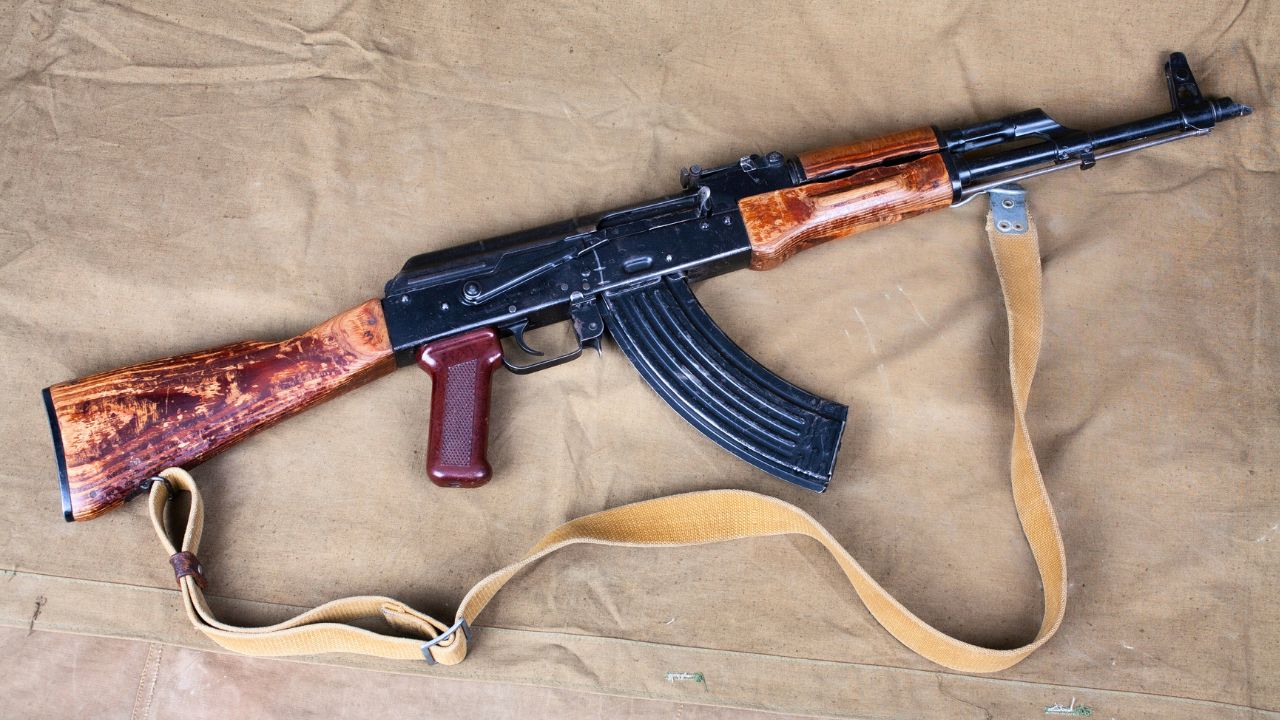
Mikhail Kalashnikov likely never imagined his 1947 design would still be in service more than 75 years later. The AK’s simplicity and reliability made it impossible to phase out. It has been copied, modified, and modernized countless times, but the heart of the design remains unchanged.
From jungle warfare to desert combat, the AK has endured everything humans can throw at it. While nations have adopted more modern rifles, millions of AKs continue to see frontline service. It’s not refined, but it’s effective—and that’s why it refuses to disappear.
M16A1
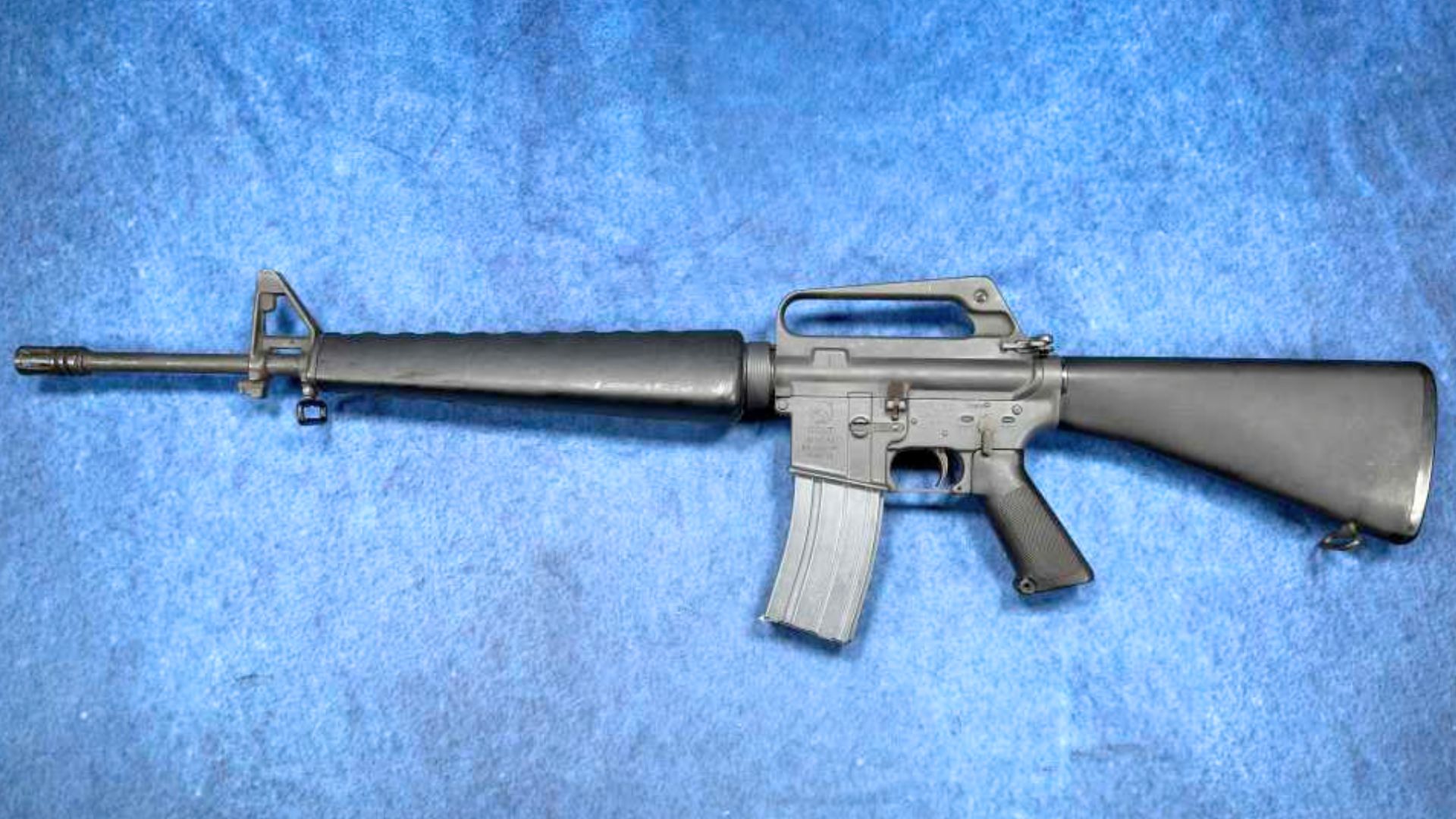
When the M16A1 entered Vietnam, few thought it would still be relevant sixty years later. Early failures nearly doomed it, but once the bugs were fixed, it became a foundation for decades of military rifles. The design has evolved into the M4 and beyond, yet the original layout remains the standard.
What started as a lightweight experiment turned into one of the longest-serving service rifles in U.S. history. Its adaptability and balance kept it relevant long after newer rifles came and went.
Winchester Model 70 (Military Sniper Use)

The Winchester Model 70 was designed as a hunting rifle, not a sniper platform. Yet during Vietnam, the Marine Corps adapted it for precision work, and its accuracy proved exceptional. It continued to serve in various sniper roles long after it was supposed to be outdated.
The controlled-feed action, smooth bolt, and inherent precision made it too good to retire quickly. Even after more advanced platforms emerged, the Model 70 remained a trusted tool for those who valued accuracy above all else. It’s the rifle that reminded everyone that good design never goes out of style.
Like The Avid Outdoorsman’s content? Be sure to follow us.
Here’s more from us:
*This article was developed with AI-powered tools and has been carefully reviewed by our editors.