
Some guns stick around way past their expiration date. Maybe they were passable when they first hit the market, or maybe they were never great to begin with—but for whatever reason, they’re still being made today. And the truth is, they shouldn’t be.
Whether it’s poor materials, outdated design, constant malfunctions, or no practical role in a modern setup, these firearms have outlived their usefulness. There are better, safer, and more reliable options on the shelf now. These are the ones it’s time to retire for good.
Cobra Derringers
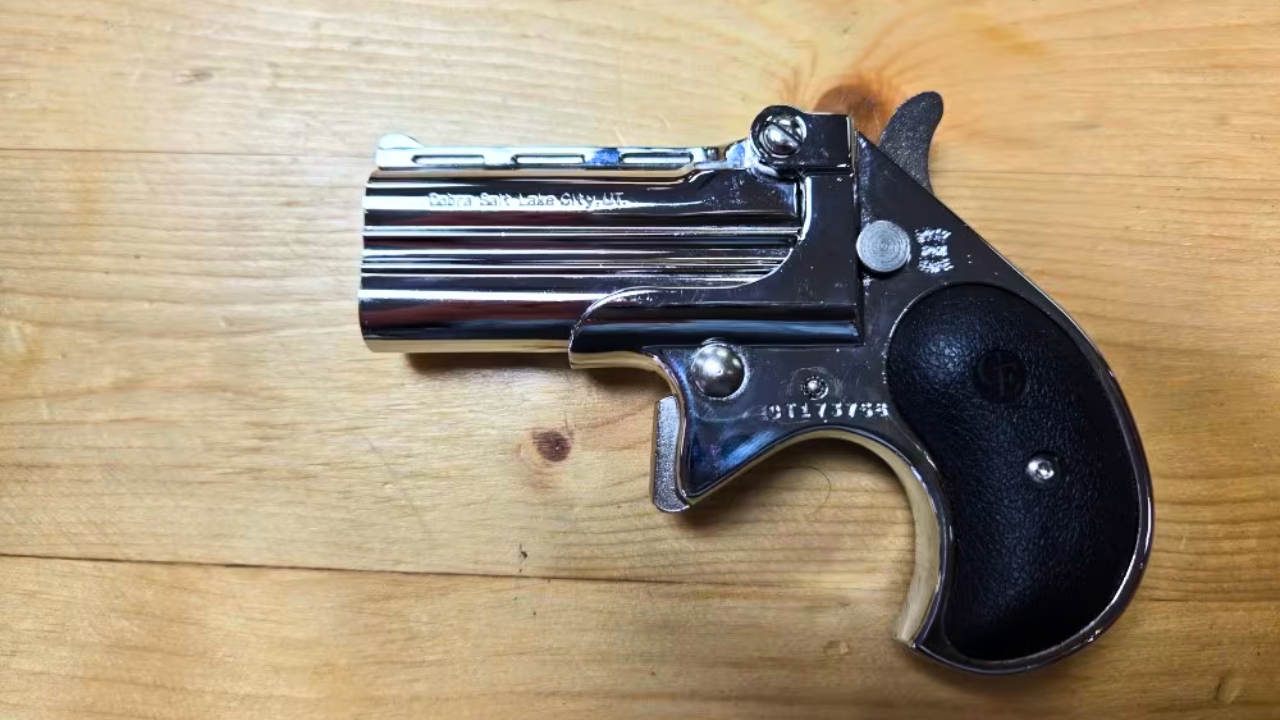
These tiny two-shot pistols are still in production, but they’ve never offered much in terms of reliability or control. They’re hard to shoot well, slow to reload, and chambered in calibers that don’t bring much stopping power to the table.
They look old-school and might appeal to folks wanting a backup gun, but there are better pocket pistols that actually cycle reliably and hold more than two rounds. For personal defense or even backup carry, these just don’t make sense anymore.
Hi-Point C9
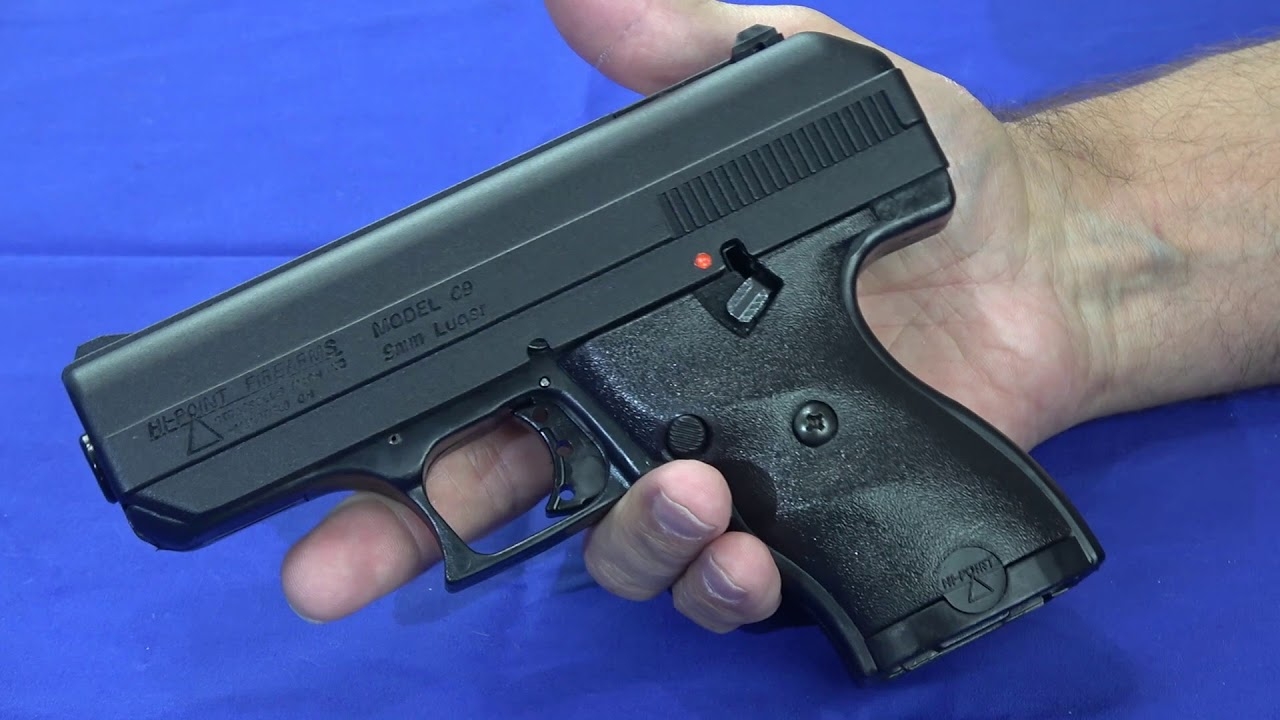
Hi-Point gets credit for offering affordable guns, but the C9 has always been bulky, awkward, and prone to issues. The blowback design makes it top-heavy, and the trigger feels more like a stapler than a firearm.
It technically works, but in a world full of budget-friendly striker-fired pistols that shoot smoother and carry easier, the C9 feels like a step backward. There are too many better options today to keep this one in production.
Taurus Spectrum

The Spectrum tried to be a stylish .380 carry gun, but it flopped hard in reliability and ergonomics. It has soft, rounded edges meant for comfort, but the grip feels slippery, and the trigger is mushy with a long reset.
The biggest problem? Too many reports of jams and misfeeds. A defensive pistol needs to run clean and smooth—and this one just doesn’t. It didn’t catch on for a reason, and it’s time Taurus moved on.
Remington 770

The 770 was meant to be a budget hunting rifle, but it quickly gained a reputation for sloppy bolts, rough triggers, and inconsistent accuracy. Compared to even modest bolt guns from other brands, the 770 feels unfinished.
Remington stopped making them briefly, but they’ve popped back up in various forms over the years. Truth is, there are better budget rifles out there now that don’t come with as many compromises. The 770 had its chance—it didn’t earn a comeback.
Kel-Tec SU-16

The SU-16 is lightweight and packs small, but its polymer receiver and awkward manual of arms make it less than ideal for real-world use. It’s not inaccurate, but it’s not exactly dependable under heavy use, either.
It fills a weird niche between backpack rifle and survival carbine, but it doesn’t excel at either. With more modern folding rifles and better compact 5.56 options available, the SU-16’s design feels outdated and flimsy by today’s standards.
Chiappa Rhino (2-Inch Models)
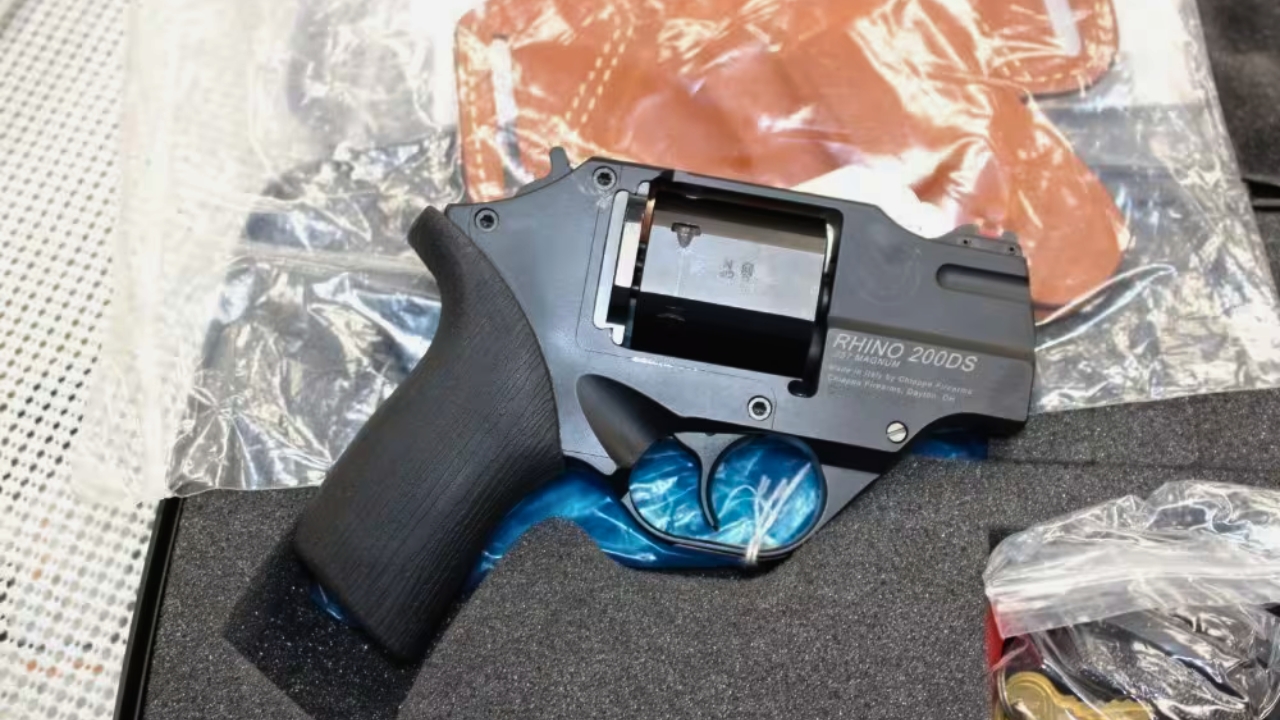
The Chiappa Rhino has a unique low bore axis, but the 2-inch barrel versions are awkward and hard to shoot. The grip shape doesn’t do much to help control recoil in .357 Magnum, and the trigger isn’t anything to brag about.
It’s interesting from an engineering standpoint, but when it comes to real use, especially in snub-nose form, it doesn’t outperform a traditional revolver. It’s not that the concept is terrible—it’s just that this version doesn’t justify keeping it on the shelves.
Heritage Rough Rider .22 Revolvers (with Safety)

The Rough Rider is cheap and fun, but the added thumb safety on a single-action .22 revolver makes no real sense. It breaks the classic feel, adds unnecessary complexity, and tends to confuse new shooters more than help them.
There’s a place for affordable plinkers, sure—but this design is showing its age. If Heritage updated the platform or ditched the awkward safety, it might have more staying power. As it stands, it feels like a throwaway range toy.
Uzi Pro Pistol

The Uzi Pro pistol looks cool and leans hard into the nostalgia factor—but it’s big, clunky, and tough to run well without a brace. As a pistol, it’s too large to conceal and too awkward to shoot accurately with one hand.
There’s no real use case for it anymore. Modern PCCs and subgun-style pistols are lighter, better built, and actually ergonomic. If you want an Uzi, the older models have more charm—this one just feels like it missed the point.
Phoenix Arms HP22A

This small .22 pistol is often marketed as a budget-friendly plinker, but it’s plagued with safeties stacked on safeties, a dated design, and questionable reliability. It’s not unsafe—it’s just not intuitive or enjoyable to shoot.
Even with regular cleaning and decent ammo, malfunctions are common. There are far better .22 handguns on the market today that are easier to run and more fun to shoot. It’s time to let this one go.
Walther CCP (Original Version)

The original CCP used a gas-delayed blowback system that was supposed to reduce recoil—but ended up being finicky and hard to clean. Field-stripping it required a special tool, and many shooters complained about poor reliability and gritty triggers.
Walther eventually revised the design, but the first version should’ve been pulled sooner. If any variant of the CCP is still lingering in production or circulation, it’s not doing the brand any favors. Better options exist, even in Walther’s own lineup.
*This article was developed with AI-powered tools and has been carefully reviewed by our editors.


