Photo credit: Sambulov Yevgeniy/Shutterstock.com
Some handguns make you sharper the moment you start working with them. Others shine a spotlight on every bad habit you’ve picked up over the years. These aren’t “bad” guns on their own, but they’re unforgiving. If your grip is soft, your trigger press is uneven, or your stance changes under stress, these models will magnify those mistakes.
They react to small inconsistencies with big shifts in accuracy or control, and the feedback can feel harsh when you’re trying to improve. So if you’ve ever wondered why certain pistols seem to misbehave the second you relax your fundamentals, this list will look familiar.
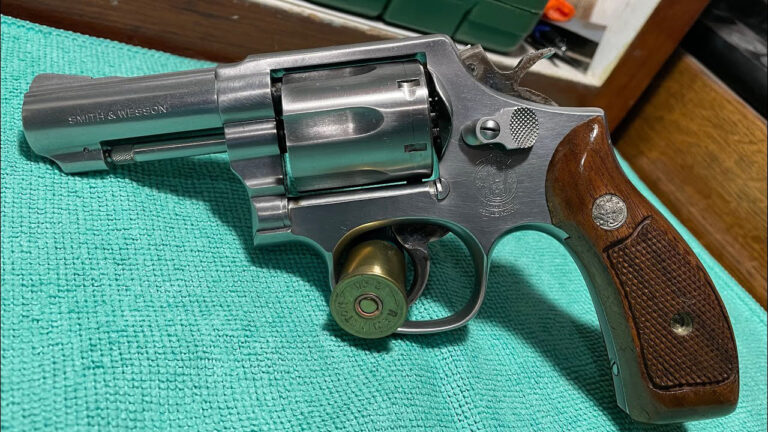
Smith & Wesson Airweight 642

The 642 is a reliable little revolver, but it’s one of the quickest guns to expose weak fundamentals. Its light frame transfers every ounce of recoil into your hand, and if your grip isn’t firm, the muzzle climbs hard. The double-action trigger also punishes anyone with uneven trigger pressure. Shooters who slap or rush the break see their rounds drift immediately. Even though it’s a trusted carry gun, it demands smooth mechanics every time. If your technique slips, the 642 lets you know with wide groups and wandering shots that are hard to rein in without discipline.
Glock 43
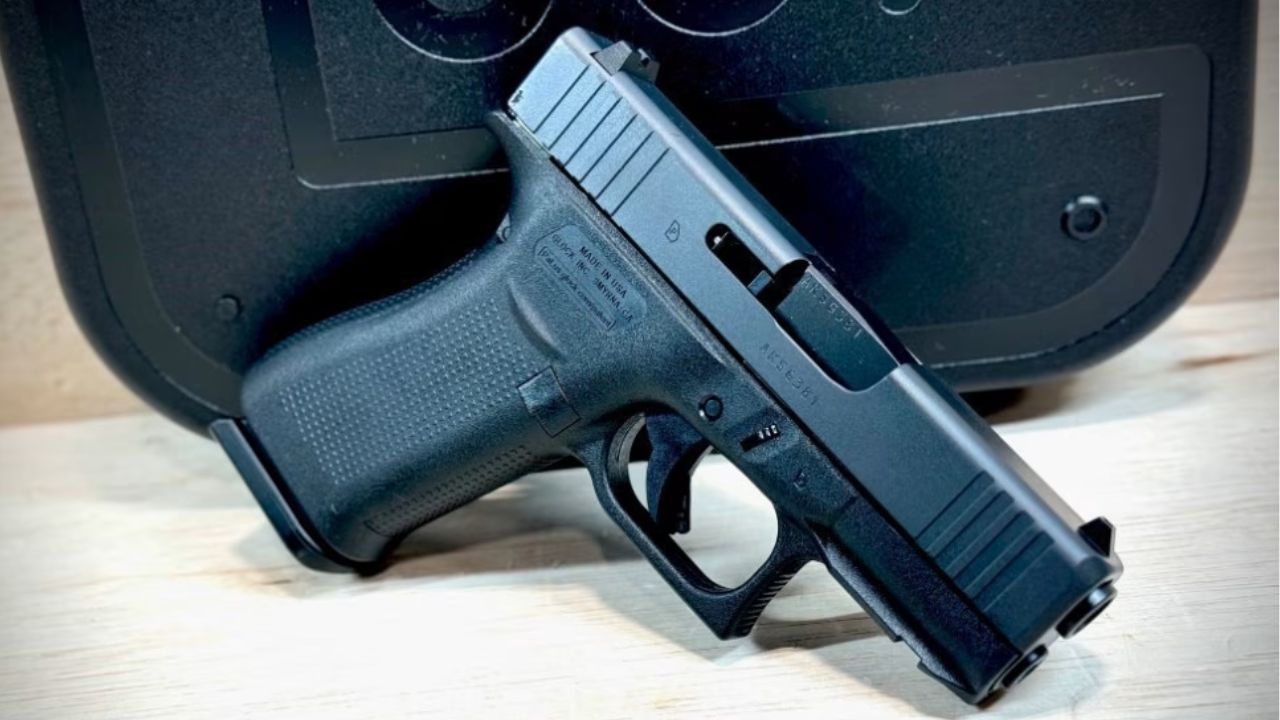
The Glock 43 is slim, lightweight, and easy to carry, but those same traits reveal flaws in your mechanics. With a grip that doesn’t offer much surface area, any inconsistency in hand placement shows up as lateral movement or snappiness. The short sight radius also means small aiming errors become big misses downrange.
If you grip lightly or anticipate recoil, the gun reacts instantly. Many shooters like it for concealed carry, but it’s not a platform that hides mistakes. It forces you to lock in your wrist and tighten every part of your form to keep rounds centered.
Ruger LCP Max

The Ruger LCP Max packs a lot of capability into a tiny frame, but that size is exactly what punishes sloppy technique. Short grips magnify wrist movement, making follow-ups unpredictable if your support hand isn’t firm. The lightweight build increases muzzle rise more than expected, especially with defensive loads. Add the abbreviated sight radius, and minor errors in alignment kick shots off target.
The gun isn’t inaccurate—far from it—but it demands clean fundamentals. If you’re easing into recoil or riding the trigger inconsistently, the LCP Max exposes those issues in a hurry.
SIG Sauer P365 SAS

The P365 SAS removes traditional sights in favor of a flush-mounted fiber/tritium window, and that unconventional setup highlights aiming flaws immediately. If your presentation angle isn’t consistent, the sight picture becomes hard to track. The slick slide also makes it clear when your grip slips, because there’s very little texture to compensate. Shooters who don’t apply steady pressure from both hands see the pistol twist under recoil. While the standard P365 line is forgiving, the SAS version holds you accountable the second your form wavers.
Springfield Hellcat RDP
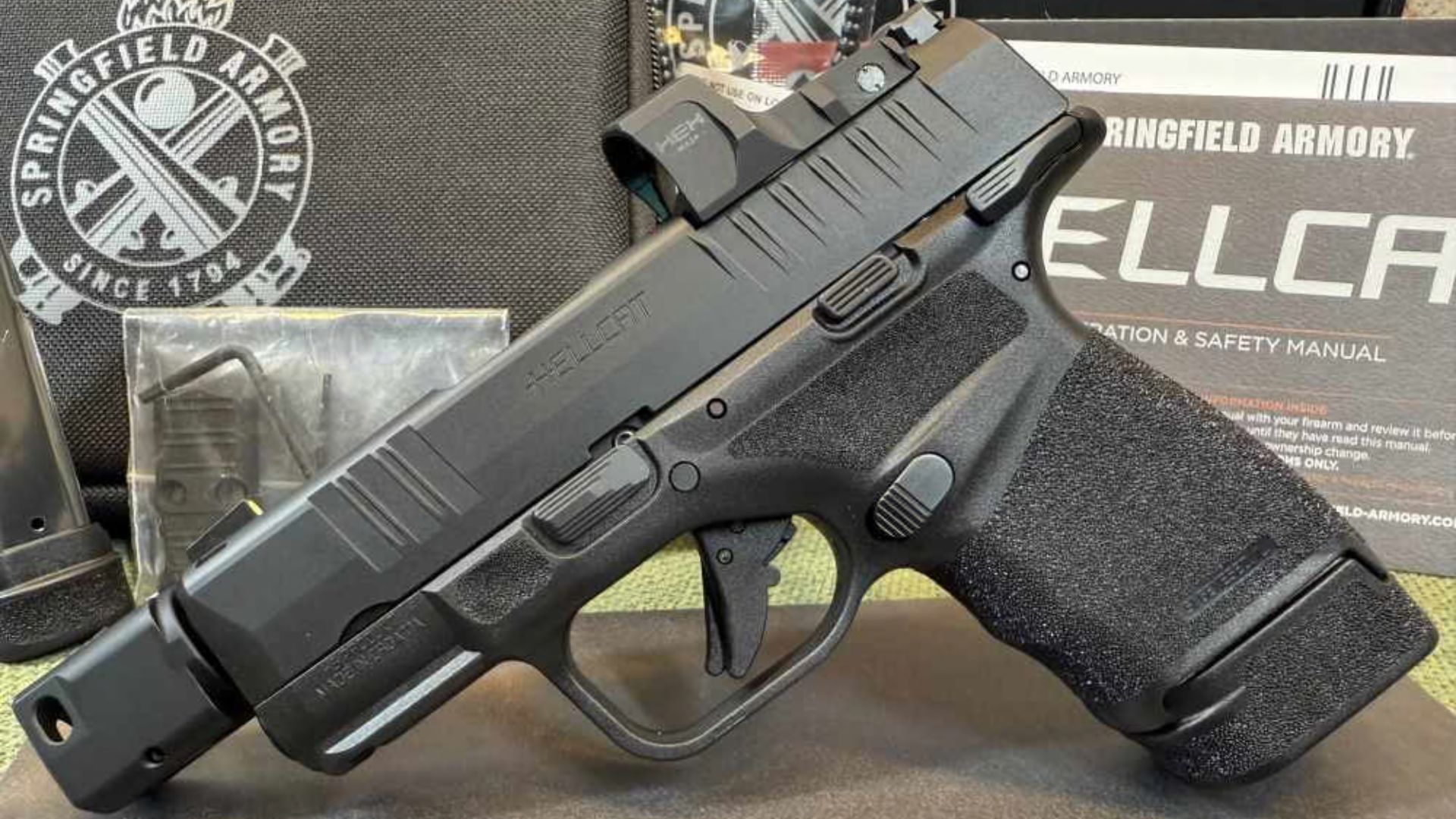
The Hellcat RDP brings great features, but the compensated barrel and added blast amplify poor grip structure. If you aren’t locking your wrists and controlling the gun evenly, the muzzle movement gets erratic. The trigger, while crisp, also highlights uneven pressure as you prep through the wall. Shooters who rely on muscle memory rather than clean technique notice group sizes jump quickly. It’s a capable carry pistol, but it rewards discipline and exposes tension, anticipation, and rushed mechanics more than most guns in its size category.
Taurus G2C

The Taurus G2C is well known for its approachable price, but many shooters don’t expect how quickly it calls out inconsistent technique. The long trigger pull magnifies rushed presses, and if your finger isn’t moving smoothly, shots will drift. The gun also tends to react heavily to weak grip pressure, especially when firing in quick strings. While it can run reliably, it’s not one of the more forgiving pistols on the market. Anyone with habits like over-anticipating recoil or slapping the trigger will see those flaws appear immediately on the target.
Walther PPS M2

The PPS M2 has a clean trigger and smooth ergonomics, but the slim grip doesn’t give you much margin for error. If you don’t control recoil with steady support-hand pressure, the gun snaps upward more than you’d expect. The short frame also punishes shooters who change finger placement from one shot to the next. It’s accurate in trained hands, but it highlights even small lapses in consistency. Shooters often notice that slight grip changes lead to surprising shifts in point of impact, making this gun a fast judge of form.
Kimber Micro 9

The Kimber Micro 9 feels great in the hand, but its lightweight build makes it unforgiving during recoil. If your grip shifts even slightly, the muzzle rise becomes pronounced. The single-action trigger also magnifies errors for anyone who rushes the break or presses unevenly. Shooters who ride the thumb safety inconsistently introduce more movement without realizing it. While the gun can shoot tight groups when handled properly, it exposes every shaky habit—from recoil anticipation to inconsistent wrist tension. It teaches discipline whether you’re ready or not.
FN 509 Compact

The FN 509 Compact offers excellent durability, but the trigger and ergonomics highlight bad habits more than some shooters expect. If you preload the trigger incorrectly or slap through the break, the gun exaggerates that movement with noticeable shot placement shifts. The grip texture is aggressive, which sounds helpful, but it also reveals when your support hand isn’t applying equal pressure. Any imbalance shows up as torque under recoil. Competent shooters run the 509 well, but it doesn’t mask imperfect fundamentals the way some softer-shooting pistols do.
CZ P-07

The P-07 brings a smooth DA/SA system, yet it exposes two common flaws: inconsistent trigger control and improper grip transitions. If you rush the heavy first pull, the gun sends rounds low or wide. If your thumbs aren’t properly aligned during the SA stage, recoil control falls apart on follow-up shots. The polymer frame keeps the weight down, but that reduction means more muzzle rise when technique slips. The P-07 is accurate and dependable, but it forces shooters to build a consistent rhythm with the trigger and grip.
Beretta APX A1 Carry
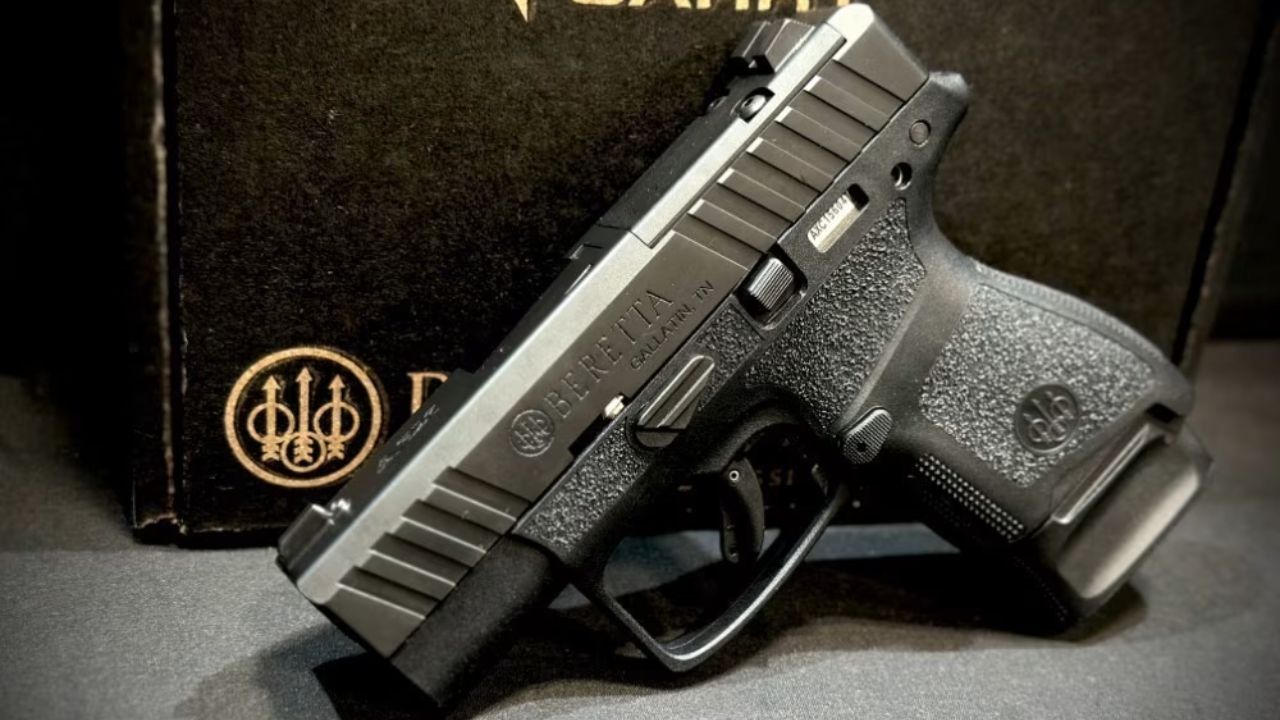
The APX A1 Carry is slim and lightweight, which means it reacts strongly when grip fundamentals aren’t solid. The short grip causes shooters to adjust hand placement from shot to shot, and those changes translate directly into scattered hits. The trigger is clean but shows any inconsistency in finger pressure. Even sight alignment errors become noticeable because of the short radius. Experienced shooters appreciate how controllable it can be with proper technique, but newcomers quickly learn that the APX doesn’t hide mistakes—every habit, good or bad, shows up clearly downrange.
Mossberg MC1sc
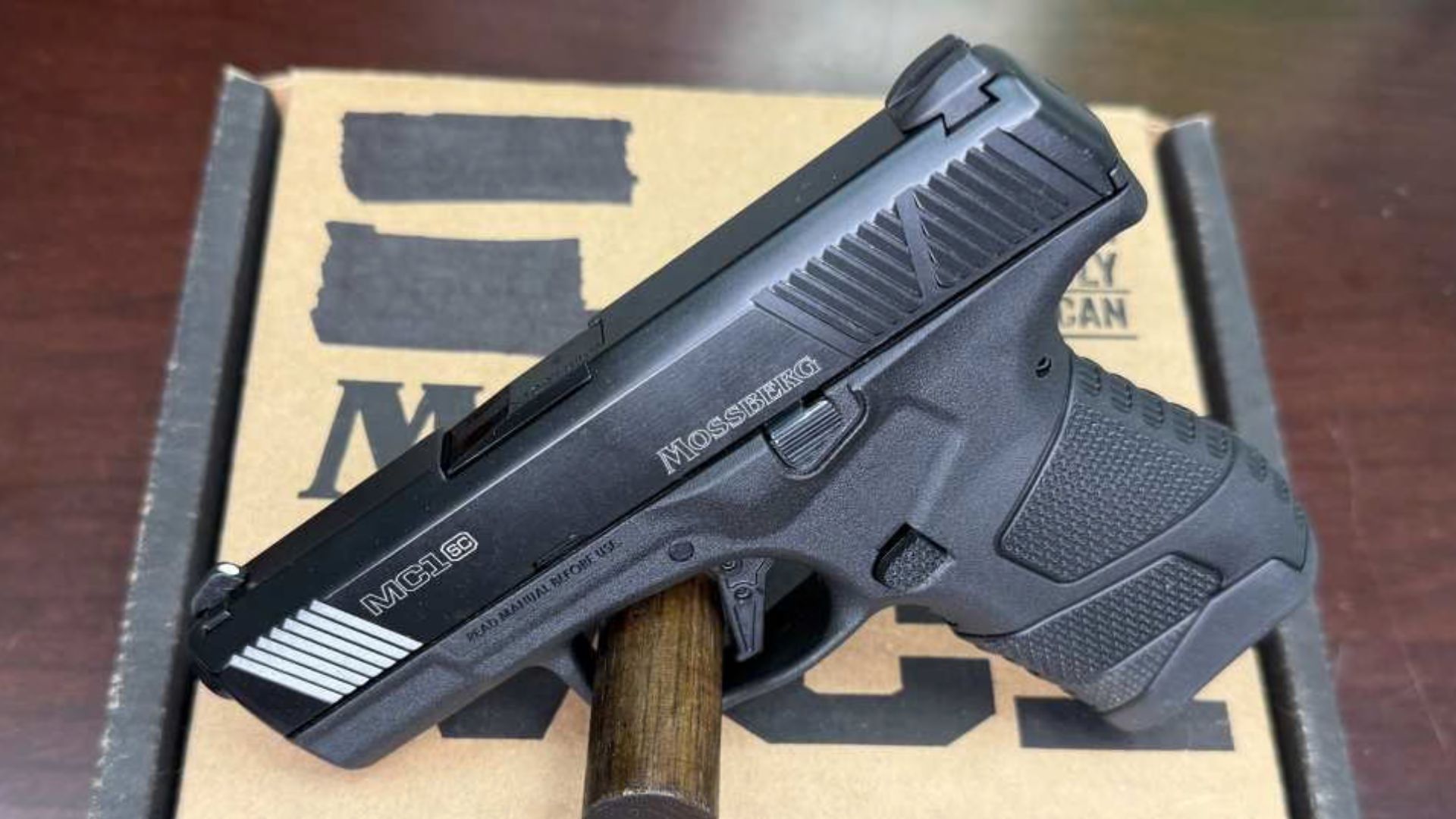
The MC1sc is reliable and well made, but its narrow grip and snappy recoil uncover weak mechanics. If your support hand doesn’t lock in tightly, the gun will twist under recoil and shift point of impact. The flat trigger also reveals uneven pressure and rushed breaks. Shooters who don’t maintain a firm wrist angle end up fighting muzzle rise throughout every shot string. In trained hands, the MC1sc offers excellent accuracy, but it demands steady fundamentals. Anyone with bad habits gets quick, unforgiving feedback.
Kahr CM9
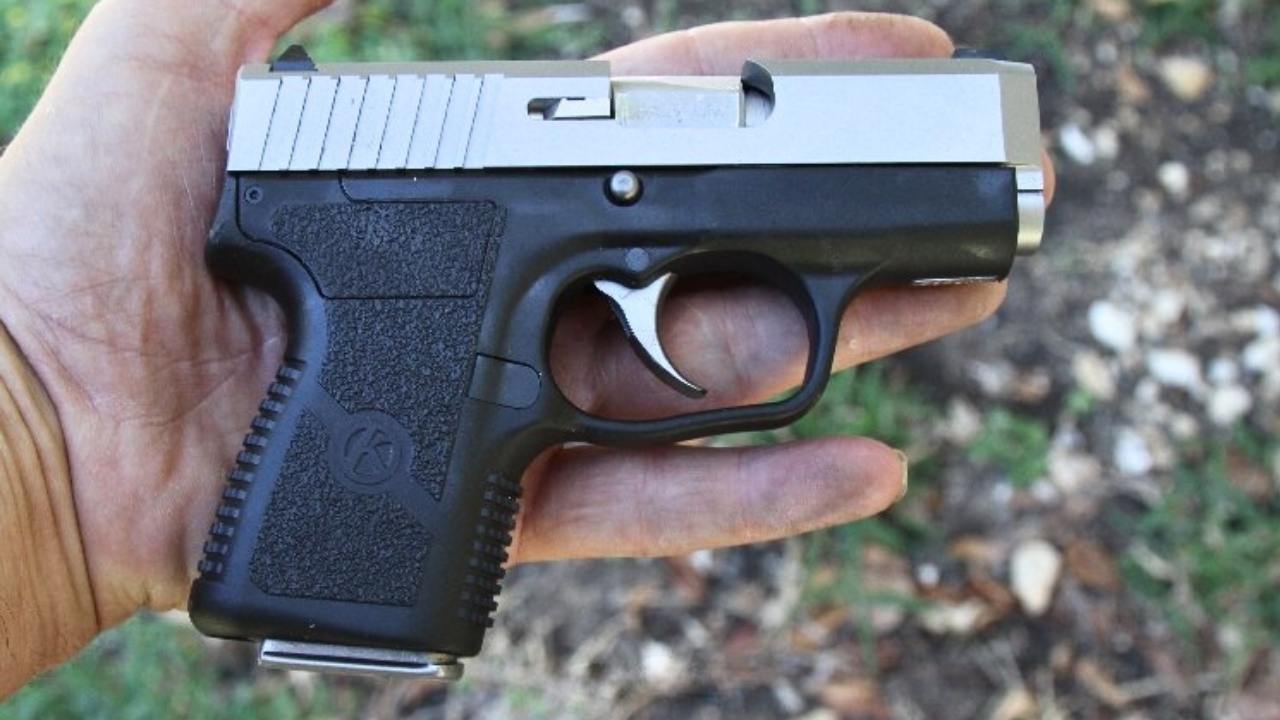
The CM9 has a long, smooth trigger pull that many shooters appreciate, but that same pull magnifies flaws. If you move too quickly, the muzzle drifts; if your grip isn’t stable, the gun wanders as you press through the break. Its small frame makes recoil feel sharper, highlighting any anticipation or tension in your hands. The CM9 rewards patience and clean mechanics. If you haven’t built those skills yet, the gun makes the learning curve obvious with wide groups and inconsistent point of aim.
Bersa Thunder 380

The Bersa Thunder looks friendly, but new shooters quickly learn that its DA/SA system exposes uneven trigger control. The first pull is long and heavy, revealing rushed mechanics with low shots. The follow-up pull is lighter, which highlights grip inconsistencies when transitioning between modes.
The small frame also punishes relaxed wrist angles with noticeable muzzle flip. While accurate, the Thunder brings every mistake to the surface faster than most budget pistols. It’s a great training tool because it makes your flaws impossible to ignore.
Rock Island TAC Ultra CS
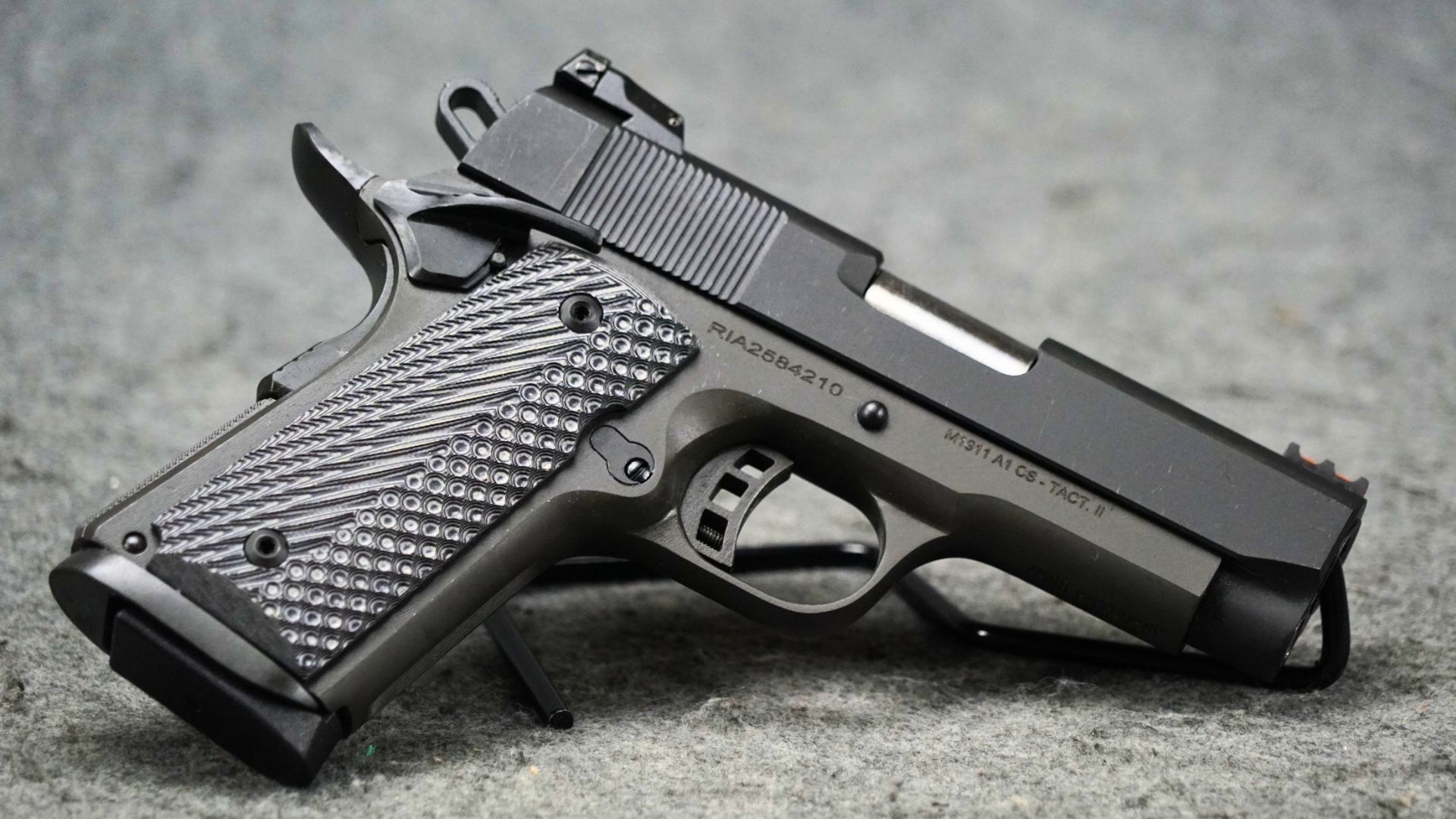
The TAC Ultra CS is a compact 1911, and that means it reacts strongly to sloppy technique. Compact 1911s have short slides that cycle fast, so any weak grip or poor wrist tension causes feeding issues or erratic recoil paths. The crisp trigger exposes rushed breaks, and the safety requires consistency with thumb placement.
While it shoots exceptionally well when handled correctly, it doesn’t tolerate shortcuts. Shooters with anticipation, uneven pressure, or inconsistent hand alignment see those errors the moment the gun starts running.
Like The Avid Outdoorsman’s content? Be sure to follow us.
Here’s more from us: