Every handgun has a price, but not every handgun earns the number attached to it. Some models command premium money because of branding, marketing, or unique design choices, yet their real-world reliability doesn’t match what shooters expect at that level. Spend enough time on ranges or in classes and you’ll see the same handful of pistols struggle more often than they should—especially considering what they cost.
Most of these guns aren’t unsafe or poorly built. They simply fall short of the consistency that serious shooters demand. When a handgun carries a high price tag, you expect it to run cleanly, feed well, and stay dependable across ammunition types. These models, despite their appeal, often fail to deliver that level of trust.
Kimber Solo

The Kimber Solo entered the market with a premium price and sleek design, but reliability issues made shooters hesitant almost immediately. The pistol was notoriously picky about ammunition, often struggling with anything other than high-pressure defensive loads. That limitation alone made many feel the cost didn’t match the performance.
The Solo’s short, stiff recoil system and tight tolerances were meant to enhance accuracy, yet they made the gun sensitive to even minor variances in ammo. Shooters reported failures to feed and inconsistent cycling—problems unacceptable in a pistol priced well above many proven carry guns. While the Solo looked great and felt comfortable in the hand, its inconsistent behavior left many wondering why such a costly handgun didn’t offer the reliability expected at that price point.
SIG Sauer P238 HD California Models

The P238 platform is generally reliable, but some of the California-compliant HD models have shown persistent cycling and extraction issues that don’t align with their premium cost. The added mechanical components required to meet state restrictions introduced variables that affected feeding consistency for many shooters.
Despite the high-quality materials and refined ergonomics, these models occasionally struggle with ammunition that runs flawlessly in other micro .380 pistols. The cost places the P238 HD among upper-tier pocket guns, yet reports of inconsistent performance make shooters question the return on investment. When you’re spending that much, you expect a carry pistol that runs cleanly on every box of ammo you feed it—not one that demands careful load selection to stay dependable.
Walther CCP (Original Version)

The original Walther CCP debuted with a price suggesting premium performance, but reliability problems surfaced quickly. The gas-delayed system, while interesting on paper, created frequent feeding and ejection inconsistencies. Many owners found themselves clearing stoppages more often than they expected from a handgun in this price range.
Maintenance also complicated matters. The first-generation CCP required a multi-step takedown tool that made cleaning tedious and discouraged routine upkeep. Even when maintained carefully, the pistol still had trouble digesting a variety of loads, leaving shooters frustrated. For the price, shooters expected more stability and fewer headaches. The later M2 version fixed many issues, but the original CCP remains a reminder that cost doesn’t guarantee reliability.
Beretta 3032 Tomcat (Early Fat-Slide Models)

The Tomcat carried a higher price than most pocket pistols in its size class, yet early fat-slide models experienced notable frame stress, crack issues, and inconsistent cycling. The tip-up barrel design is convenient, but it introduced mechanical variables that impacted reliability with hotter .32 ACP loads.
Many shooters found that the pistol ran well only with specific ammunition, and deviations often produced failures to feed or eject. Considering what the Tomcat cost compared to simpler, more dependable pocket guns, many felt the reliability didn’t justify the premium. While later versions improved durability, the early models taught shooters that “more expensive” doesn’t always mean “more dependable.”
Colt Mustang Reissue

The Colt Mustang reissue came with heritage appeal and a premium price, yet reliability varied noticeably from sample to sample. Some ran smoothly, while others experienced frequent feeding issues that required break-in periods or magazine swaps to solve. That inconsistency is tough to accept when the pistol is priced above several proven micro .380s.
The single-action design is appealing, but the small slide and lightweight frame create a sensitivity to ammunition that many modern carry guns don’t exhibit. Shooters often feel they’re paying extra for nostalgia rather than functional reliability. When consistency is critical, the Mustang’s price-to-performance ratio leaves questions.
Heckler & Koch P7M10

The P7M10 is undeniably well made, but many shooters agree the reliability doesn’t justify its steep cost—especially in .40 S&W. The heavy slide and gas-delayed system struggle under the increased pressure of the round, leading to erratic cycling and sharp recoil that affects follow-up accuracy.
While the P7 series is admired for craftsmanship, the M10 version doesn’t deliver the smooth, predictable reliability shooters expect from an HK at this price point. Malfunctions aren’t rampant, but the pistol’s performance doesn’t match its collector-level pricing. For the money, shooters often find far more dependable options without the quirks introduced by the M10’s design compromises.
SIG Sauer 1911 Ultra Compact

SIG’s Ultra Compact 1911 models bring premium features and premium price tags, yet reliability varies, especially when the pistols get dirty. The short-slide 1911 format is notoriously finicky, and SIG’s version is no exception. Many shooters report feeding and extraction inconsistencies that don’t occur in similarly priced compact pistols with more modern designs.
At this price level, buyers expect a gun that runs smoothly across ammunition types. Instead, the Ultra Compact often requires magazine tuning, recoil spring adjustments, or careful ammo selection to achieve dependable performance. The pistol’s accuracy and build quality are solid, but the reliability demands make shooters question the cost.
Springfield Armory EMP (Early 9mm Models)
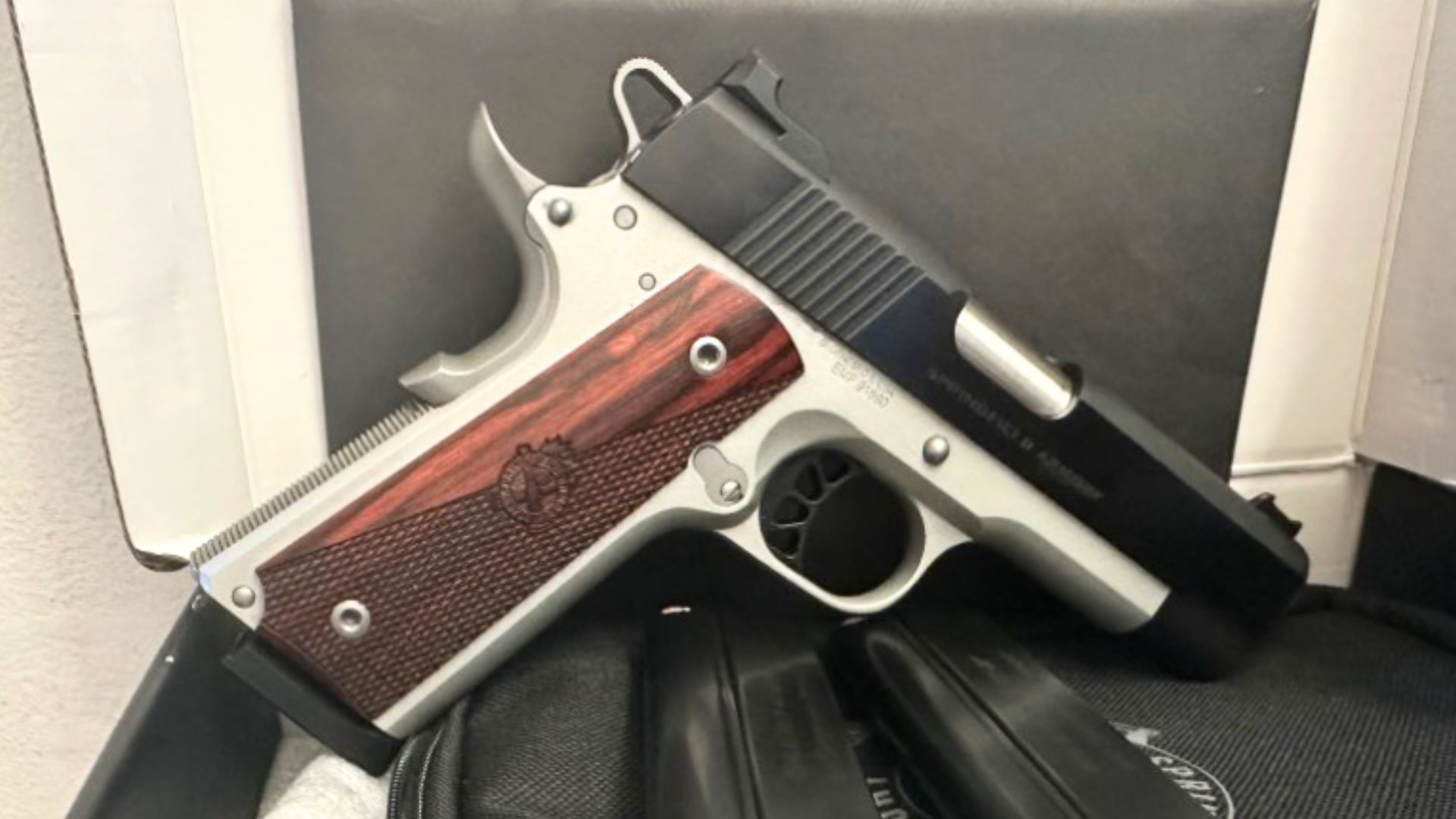
The EMP was marketed as a high-end compact 1911 optimized for 9mm, but early models experienced reliability issues centered around feeding geometry and extractor tension. Shooters often found that the pistol needed break-in periods far longer than expected for a handgun in this price class.
The EMP’s ergonomics and trigger feel great, yet the inconsistent cycling overshadowed those strengths. When a handgun costs significantly more than other compact 9mms, shooters expect flawless performance out of the box—not a checklist of adjustments to keep it running. Even though later versions improved, the early models left a lasting impression on buyers who felt the premium price wasn’t backed by dependable reliability.
Rohrbaugh R9

The Rohrbaugh R9 had one of the highest price tags of any pocket pistol, yet its reliability depended heavily on strict ammunition rules. It wasn’t recommended to run +P loads, and even standard-pressure rounds needed to be chosen carefully. Many shooters reported cycling issues with common carry ammunition.
The recoil spring required frequent replacement—far more often than typical pistols—which added to the cost and reduced confidence. For such an expensive handgun, shooters expected a level of reliability that the R9 simply didn’t deliver consistently. While it was exceptionally small and finely crafted, its performance limitations made its price hard to justify.
Kimber Micro 9 (Early Production)

The Kimber Micro 9 brought a premium price and attractive features, but many early models suffered from recurring reliability issues. Failures to feed, early slide lock, and extractor tension problems were commonly reported. Those issues improved with later production, yet the early reputation remains.
Given its cost, shooters expected a compact 9mm that performed with the consistency of other proven pistols in the same category. Instead, many owners spent time tuning or returning their pistols for service. Even when running well, the Micro 9 requires more attention than shooters typically want from a gun in this price range.
SIG Sauer P210 Standard

The SIG P210 is beautifully built and extremely accurate, but the price puts it in a tier where shooters expect flawless reliability. While the Swiss-made originals were fantastic, some modern production models show sensitivity to ammunition, especially with lighter loads. The tight tolerances that make the pistol accurate also reduce forgiveness under less-than-ideal conditions.
For the high cost, shooters expect a handgun that runs everything confidently. When the gun only performs at its best with specific loads, it leads some owners to question whether the price matches its real-world reliability. It’s a masterpiece in many ways, but not always the most dependable choice in its class.
Nighthawk Custom Subcompact 1911s

Nighthawk builds high-end pistols with meticulous craftsmanship, but their subcompact 1911s still face the same inherent reliability challenges that plague the format. Short-slide 1911s simply don’t feed as predictably as their full-size counterparts, no matter how finely tuned they are. With a price that rivals custom rifles, many shooters expect absolute reliability—something the design struggles to deliver consistently.
When a pistol costs several thousand dollars, buyers don’t want to see occasional nose dives or failures to return to battery. Yet these issues still appear, not because of poor workmanship, but because the platform is unforgiving in short configurations. The cost-versus-reliability balance often leaves owners reconsidering their investment.
Colt Mustang Pocketlite (Reissue)

The Pocketlite carries nostalgia and a price tag to match, yet many reissued models experience feeding inconsistencies with modern defensive ammunition. The older-style feed ramp geometry wasn’t designed with today’s bullet shapes in mind, which leads to occasional stoppages.
For a pistol that costs more than many modern pocket 9mms, shooters expect better reliability across different loads. The Pocketlite runs well when fed ideal ammunition, but its limitations make the premium harder to justify, especially when more dependable options cost considerably less.
Dan Wesson ECO

The Dan Wesson ECO brought custom-level pricing to the concealed-carry 1911 market, yet early users saw reliability issues common to short 1911s. Feeding problems with hollow points and inconsistent slide velocity were frequently reported. Even with a reputation for superb craftsmanship, the design’s limitations showed through.
For the price, shooters expect consistent function without needing to test multiple magazines or ammunition types. The ECO is well made, but its finicky behavior left many wondering whether the cost reflected performance or simply branding.
Like The Avid Outdoorsman’s content? Be sure to follow us.
Here’s more from us: