Photo credit: Buffalo's Outdoors/YouTube
Some handguns look like they’ll be easy to shoot—small frame, decent ergonomics, maybe even marketed as “light recoiling”—but once you squeeze the trigger, they bark back a lot harder than expected. It’s not always the caliber’s fault. A short barrel, high bore axis, or poor grip design can make a mild round feel like a punch. That can ruin your follow-up shots or make you flinch before you even break the trigger. If you’re looking for something manageable for training or everyday carry, it’s worth knowing which pistols kick harder than they lead on.
Glock 27

The Glock 27 is compact and chambered in .40 S&W, which already brings more snap than most folks want in a gun this small. On paper, it looks like a versatile carry option—lightweight, good capacity, and Glock reliability. But shoot it side by side with a 9mm subcompact, and you’ll feel the difference right away.
The grip doesn’t give your pinky much to hold, and that short sight radius makes recoil recovery even trickier. It’s not a bad gun by any means, but the recoil impulse can catch newer shooters off guard. If you want a Glock in this size, the 26 in 9mm is a lot easier on your hands.
Ruger LCP II (.380 ACP)

You’d think a .380 ACP pistol this small would be easy to shoot, but the LCP II is surprisingly jumpy. At under 10 ounces unloaded, there’s hardly any mass to soak up recoil. The result? It flips, it snaps, and you’ll feel it every time.
The grip doesn’t give you much to work with either. For experienced shooters, it’s manageable. But for newer hands or folks looking for a soft-shooting pocket pistol, this one often disappoints. It’s reliable and convenient, but don’t expect it to be pleasant at the range.
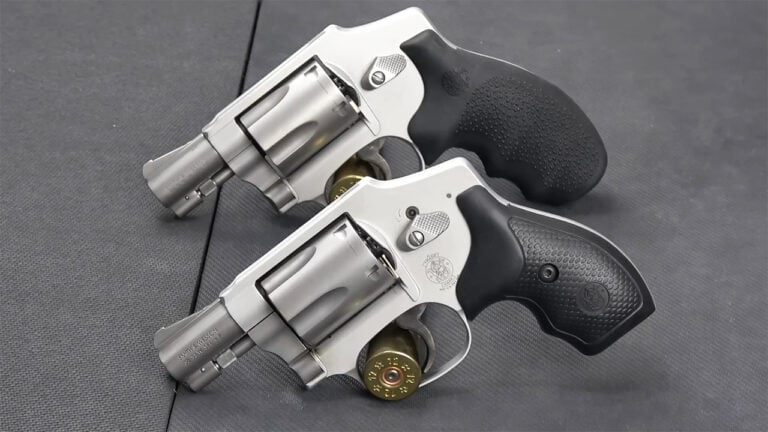
Smith & Wesson 340PD

This scandium-frame .357 Magnum revolver looks like a brilliant idea until you pull the trigger. It weighs under a pound and packs full-house magnum rounds. Recoil is punishing—enough to bruise palms and make range trips unpleasant.
Even with .38 Special loads, the 340PD doesn’t settle down much. It’s purpose-built for deep concealment, not comfort. If you need something ultra-light and powerful, it’ll do the job, but don’t expect it to shoot like a range toy. It kicks hard and makes no apologies.
Kahr CM40
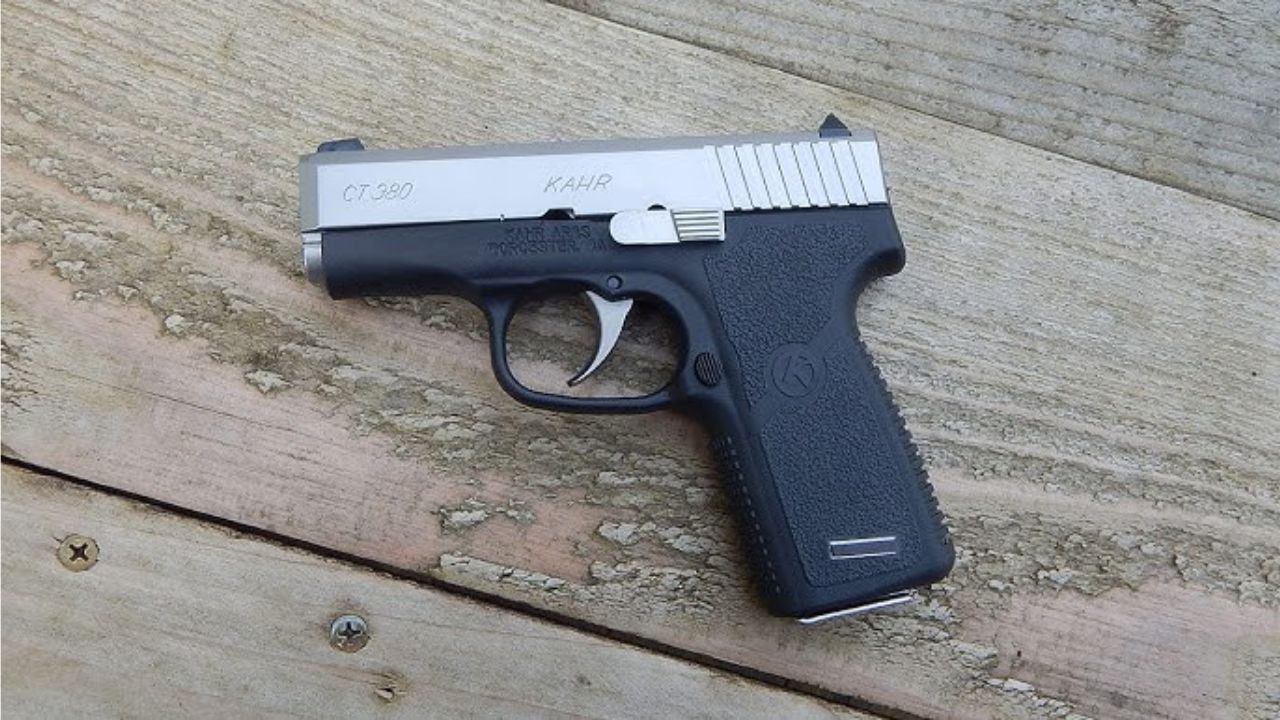
The CM40 is another .40-caliber pistol in a tiny frame, and the result is a lot more snap than most shooters want in a backup gun. The single-stack design is slim, but that also means you’ve got less grip to hang onto.
The long trigger pull and snappy recoil make follow-up shots a chore, especially if you’re running practice drills. Kahr builds a solid pistol, but this one has a reputation for being punishing during extended sessions. It carries well, sure—but it earns every bit of that muzzle rise.
Walther PPS M2 (.40 S&W)

The PPS M2 in .40 S&W is slim and well-built, but it doesn’t tame recoil like its 9mm sibling. Walther did a good job with ergonomics, but physics still wins. That flat profile and short barrel mean you’re working harder to control it shot to shot.
In a world full of soft-shooting carry guns, this one feels a bit out of step if you’re recoil sensitive. It’s accurate and reliable, but it tends to move around in your hands more than expected. Many folks who try both versions end up sticking with the 9mm.
Beretta Nano

The Nano is a tiny 9mm that doesn’t look like it should have much recoil. But it has a higher bore axis than you’d expect, and there’s no real beavertail to help you lock your grip in.
As a result, it snaps more than some of its competitors in the same class. The grip texture is fairly slick, and if your hands are sweaty or you’re wearing gloves, it doesn’t take much to lose control of the recoil. It’s compact, but that size comes with a tradeoff in comfort and control.
KelTec PF9

This ultra-slim 9mm was made to disappear on your belt, not to impress at the range. It’s extremely light, and when paired with hot ammo, it kicks like a much larger caliber. Muzzle rise is sharp, and the recoil impulse feels sudden and abrupt.
The PF9 is serviceable, and plenty of folks carry them, but you’ll find yourself gripping tighter and flinching sooner than expected. It’s a gun that does the job, but it demands a little pain tolerance. If recoil management is a priority for you, this probably won’t be a favorite.
Taurus PT709 Slim

The PT709 Slim is comfortable to carry but can be snappy under pressure. It’s a striker-fired 9mm with a small grip and a lightweight frame, which makes recoil management harder than it should be.
Follow-up shots require more effort than you’d think for a gun in this caliber. The slide tends to flip upward quickly, and even though Taurus did a decent job with the trigger, it doesn’t make up for how it moves in the hand. It’s affordable, but if you’re recoil-sensitive, it’s worth test-firing first.
SIG Sauer P290RS

The P290RS was SIG’s attempt at a small, hammer-fired 9mm carry gun, but it wound up delivering more recoil than many shooters expected. Its trigger pull is long and heavy, and that, combined with a short grip and stout muzzle rise, doesn’t do you any favors.
It’s well-built, but the experience of shooting it fast or accurately is tiring. You’ll notice the recoil immediately, and it doesn’t settle down unless you’re running the lightest loads. Most people who buy one eventually move on to something with better manners.
Springfield XD-S (.45 ACP)

Packing .45 ACP in a single-stack, polymer frame sounds good in theory—until you feel the recoil. The XD-S manages recoil better than some in its class, but it’s still more than most people expect when they pick it up.
You don’t get much help from the grip or the weight, and the slide has a tendency to snap back harder than you might like. For some shooters, it’s fine. But if you’re expecting a .45 to feel like a soft push, this one feels more like a jab.
CZ 2075 RAMI (.40 S&W)
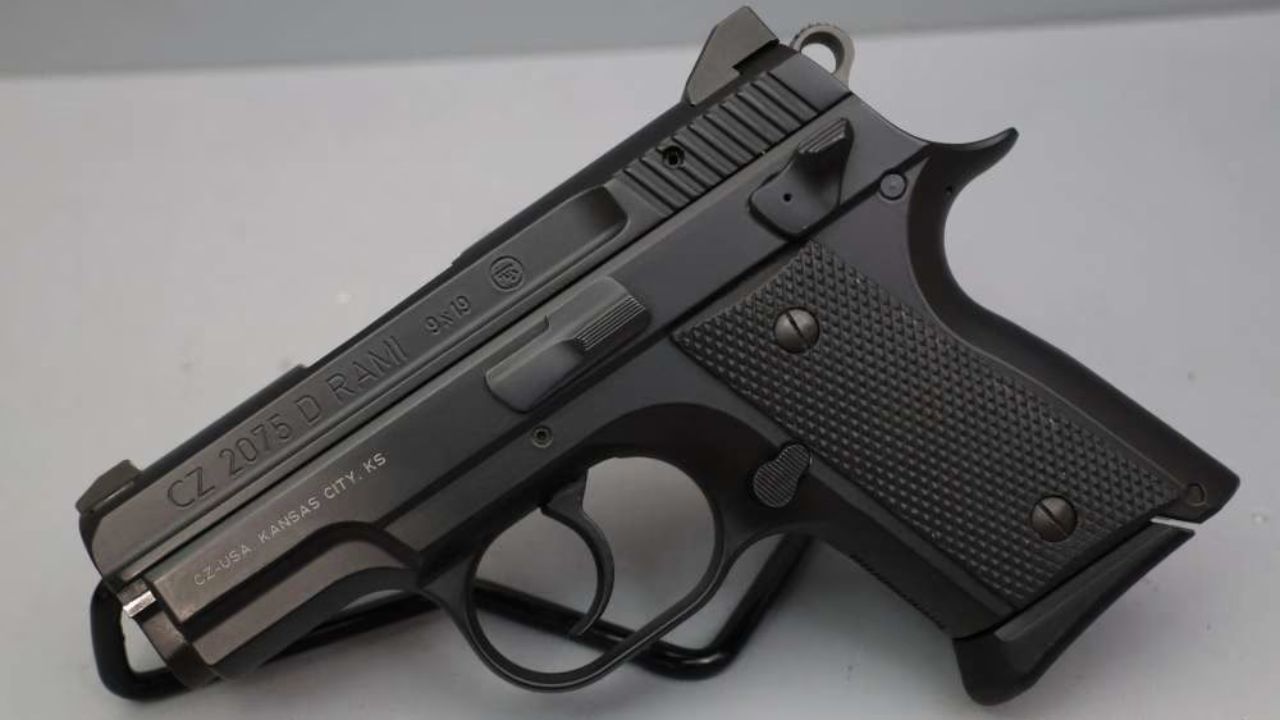
The RAMI is a chunky little pistol that should soak up recoil—but in .40 S&W, it doesn’t quite deliver the way you’d hope. It’s heavy for its size, but that snappiness still comes through, especially in the hands of someone not used to the caliber.
The slide has a short travel, and the grip, while curved nicely, doesn’t always allow for the control you need. If you’re planning to run a lot of rounds through it, prepare to feel it in your wrists. It’s a compact powerhouse—but it doesn’t hold back.
Like The Avid Outdoorsman’s content? Be sure to follow us.
Here’s more from us:
The worst deer rifles money can buy
Sidearms That Belong in the Safe — Not Your Belt
*This article was developed with AI-powered tools and has been carefully reviewed by our editors.