Photo credit: BurstReview/YouTube
Some rifles win you over at the gun counter but lose you the moment you sit down to clean them. A rifle shouldn’t feel like a chore, but certain models make maintenance so frustrating, awkward, or tedious that shooters decide early on that the relationship isn’t worth the trouble. Whether it’s impossible-to-reach parts, carbon buildup that refuses to come loose, or designs that demand complete disassembly just to get started, these rifles are the ones shooters rarely keep after their second cleaning session.
If you’ve owned enough rifles, you’ve probably met at least one that shoots fine but becomes a headache the moment the cleaning kit comes out.
Remington 742 Woodsmaster

The Remington 742 Woodsmaster has a long history in deer camps, but its gas system and action design make it one of the most frustrating rifles to maintain. Carbon packs into the chamber and locking recesses in a way that’s difficult to reach without specialty tools. After only a few thorough cleanings, many owners discover cycling issues that weren’t always obvious before disassembly.
Once worn, the action rails can develop binding, which adds more headaches. Even rifles that shoot well eventually reach a point where cleaning becomes a battle of stubborn grit versus limited access. Many hunters retire the 742 not because it won’t shoot—but because maintaining it requires more patience than they’re willing to give.
Ruger Mini-14 (Older Models)

The early Mini-14 rifles are reliable overall, but cleaning them regularly is tedious enough that many shooters lose interest. The gas system requires removing small parts that like to launch across the room if you aren’t careful, and carbon collects heavily along the piston and op-rod. Breaking the rifle down isn’t intuitive, especially for new owners.
Once the rifle has been shot a few hundred rounds, buildup inside the gas block and action takes real work to remove. Shooters appreciate the Mini-14’s handling, but many admit they part ways with the rifle when they realize that every cleaning session turns into a long, messy ordeal.
FN FAL (Surplus or Mixed-Parts Rifles)

The FAL is a proven battle rifle, but surplus versions often carry decades of grime, worn parts, and mismatched components that make cleaning an ongoing fight. Getting the internals spotless requires breaking down multiple assemblies, and carbon around the gas plug and piston builds rapidly. The adjustable gas system is a strength in the field but introduces more nooks and crannies that trap debris.
Once shooters tackle the second full cleaning, they often discover how long it really takes to get the rifle running smoothly. Many love the FAL’s history, yet the maintenance demands push casual shooters to sell them sooner rather than later.
SKS with Cosmoline Residue

The SKS itself isn’t a bad design, but surplus examples arrive soaked in cosmoline that seeps into every crevice. The first cleaning is a marathon. The second cleaning—after heat and shooting pull out more hidden residue—is the breaking point for many shooters. The bolt, firing pin channel, gas tube, and trigger group all require deep scrubbing to ensure reliable function.
Once you think you’ve removed it all, more appears. Many first-time SKS owners enjoy shooting the rifle but lose patience with the ongoing cleanup. The rifle runs well after the work is done, yet the repeated layers of cosmoline make it one many shooters sell before they ever truly finish the job.
M1 Garand (Non-Matching or Heavily Used)

A well-maintained Garand is a pleasure, but surplus rifles that have been rebuilt multiple times introduce cleaning challenges that frustrate new owners. Carbon accumulates in the gas cylinder and around the op-rod, and freeing stuck carbon often requires dedicated tools. The gas plug must be removed carefully to avoid stripping threads, which is common on older rifles.
After a couple of deep cleanings, many shooters realize they’re spending more time maintaining the Garand than shooting it. Reliability isn’t usually the problem—the amount of effort needed to keep it running smoothly is what sends many owners looking for something simpler.
Ruger 10/22 (Poorly Maintained or Budget Builds)

The 10/22 is a great rifle, but once carbon, wax, and unburned powder build up inside the receiver, cleaning becomes tedious. Budget aftermarket parts or neglected rifles often require full disassembly to reach the bolt face, firing pin channel, and extractor area. Waxed .22 ammo coats everything, turning cleaning into a multi-stage project.
Many shooters love their first 10/22 but lose enthusiasm when they realize that long-term reliability demands more effort than expected. The rifle’s modularity is a strength, but for some, the cleaning routine becomes a barrier to keeping it.
Remington 597

The Remington 597 performs well when clean, but maintaining it can push shooters away. The dual-guide-rod system collects debris quickly, and getting the bolt fully cleaned requires more disassembly than most .22 rifles. Extractor pockets also build up grime that leads to cycling issues if not scrubbed deeply.
Many shooters report that the rifle runs well until the second thorough cleaning, when they realize just how many small parts and assemblies need attention. Once fouling starts affecting reliability, the frustration grows. The rifle has its fans, but plenty of owners admit they sold theirs simply to avoid the ongoing cleaning hassle.
Marlin Model 60 (Older Tube-Fed Versions)

The Marlin Model 60 shoots smoothly, but cleaning older tube-fed models can be a challenge. Powder residue and wax accumulate heavily inside the action, and reaching the bolt face and feed throat requires removing parts that aren’t always intuitive to access. The feed throat design, especially on pre-upgrade models, catches debris in places that require full teardown to clean.
Shooters who enjoy the rifle’s accuracy eventually get tired of the cleaning routine. The action collects grime quickly, and the stock often needs to be removed to reach everything. Many owners decide after a couple of deep cleanings that the rifle demands more effort than they want to give a .22 plinker.
Century Arms C308 (Surplus-Based Builds)

The C308 is built on surplus CETME parts, and cleaning them can be a long process. The roller-delayed system collects carbon around the locking rollers and trunnion, and surplus stocks and handguards often hide additional grime. Getting the bolt head fully clean requires disassembly that many shooters aren’t comfortable performing.
After the second cleaning, most owners realize that maintaining the rifle takes far longer than shooting it. Reliability can suffer if carbon builds up around the rollers, so you can’t skip the work. Many shooters enjoy the rifle’s power but trade it away because the cleaning demands don’t match the shooting experience.
AK Variants with Poorly Fitted Gas Pistons

While AKs are known for reliability, some lower-quality builds contain misaligned or poorly fitted gas pistons that trap carbon aggressively. Cleaning the gas block, tube, and piston becomes a dirty, time-consuming job. The first cleaning is manageable. The second—after the rifle has cycled enough rounds to pack carbon into every gap—reveals how much work the design can require when tolerances are off.
Most AK shooters keep their rifles, but owners of specific budget variants often sell them because cleaning feels endless. It’s not the platform’s fault—it’s the build quality that drives people away.
Mosin-Nagant Rifles Fired with Surplus Ammo

The Mosin-Nagant itself is simple, but once corrosive surplus ammo comes into play, cleaning becomes a commitment. You need to scrub the bore, chamber, bolt face, and magazine well thoroughly after each use, or corrosion appears quickly. After a couple of deep cleanings, many shooters decide the ritual isn’t worth it.
The rifle fires well enough, but corrosive salts penetrate every corner of the action. Missing even a small patch of residue can cause rust. Shooters often love the rifle’s history yet sell them soon after realizing the cleaning demands that come with surplus ammunition.
Browning BAR (Older Hunting Models)

Older BAR rifles shoot smoothly, but cleaning them is complicated. Full access to the gas system requires removing the forearm and working with small, heat-blued parts that carbon bonds to quickly. The action requires partial disassembly to reach hidden areas that accumulate fouling.
Many hunters love how the BAR performs in the field but quickly learn that cleaning it thoroughly is a chore. By the second or third teardown, they decide the rifle demands more maintenance than they want from a hunting semi-auto.
HK SL8 (Surplus or Converted Models)
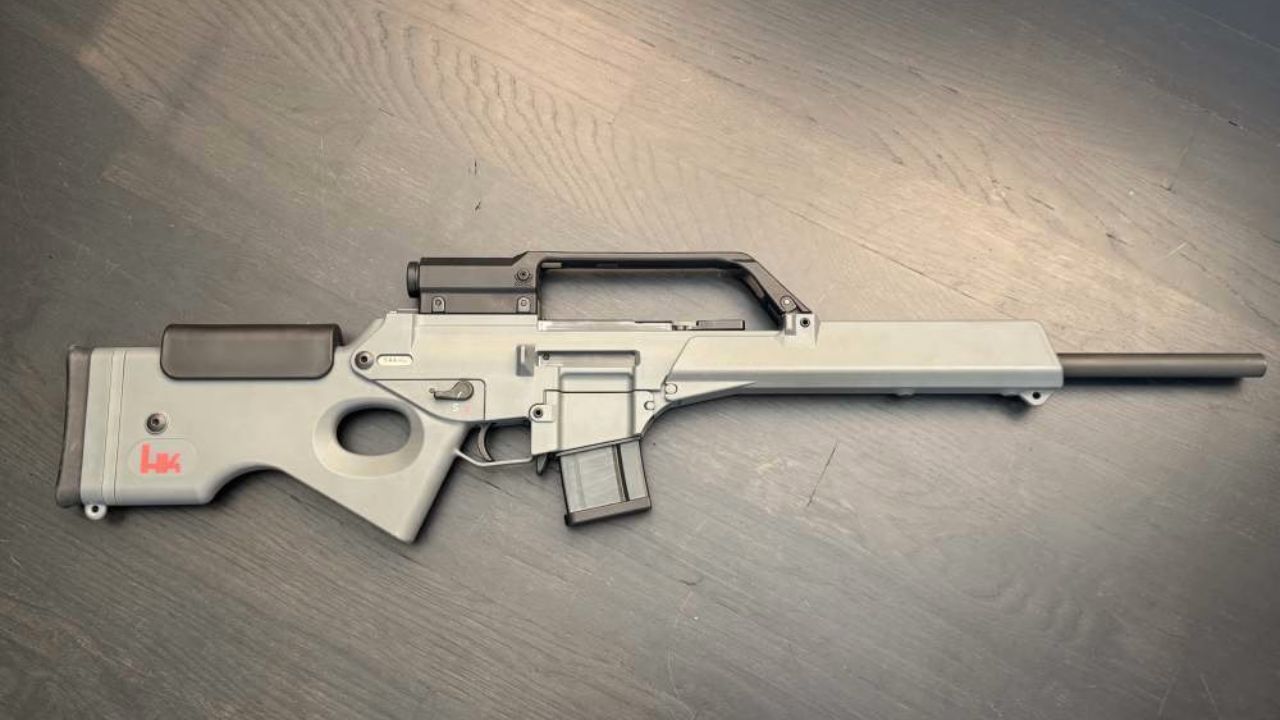
The SL8’s piston system and polymer layout create a rifle that performs well but requires extensive disassembly for cleaning. The bolt carrier assembly has multiple components that must be separated and scrubbed, and carbon forms heavily around the gas components.
After the second cleaning, many shooters grow tired of removing and reassembling small parts that require careful alignment. The rifle shoots accurately, but maintaining it can turn into a project that overshadows the fun of owning it.
Rossi RS22 (Heavily Used)
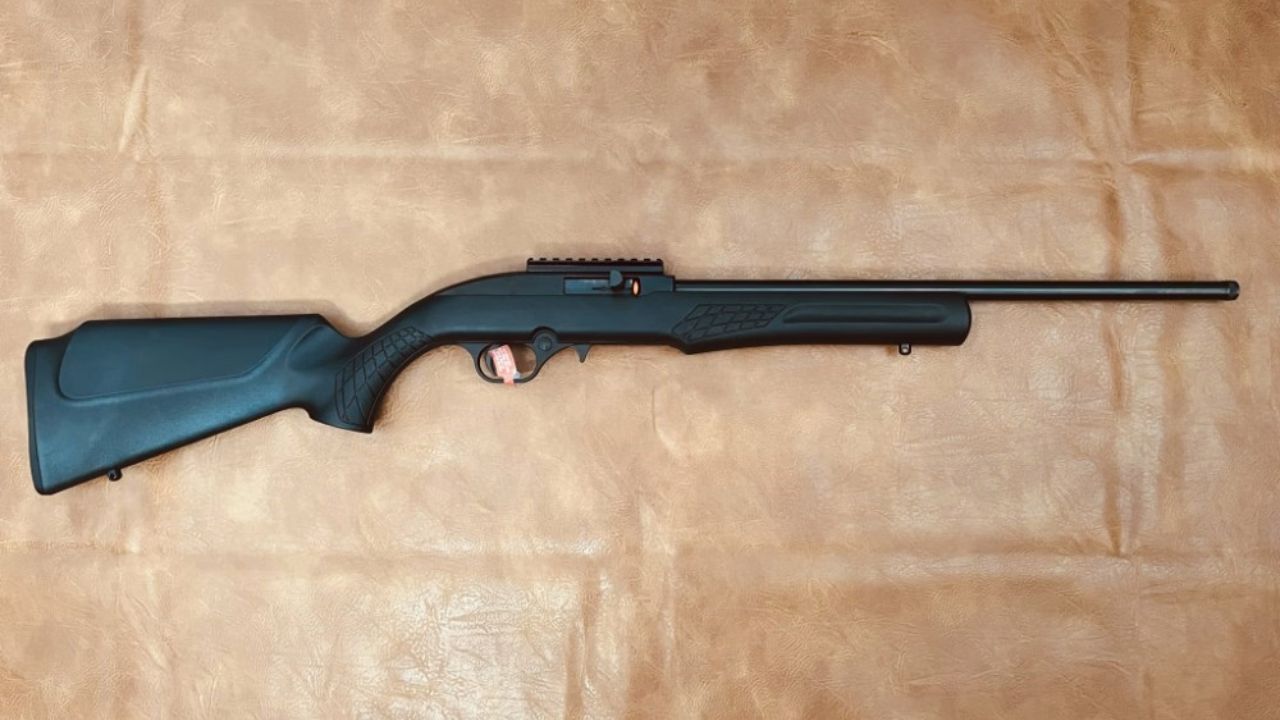
The Rossi RS22 is budget-friendly, though heavy fouling leads to feeding issues that require complete disassembly to resolve. Carbon and wax coat the bolt and action quickly, and accessing the firing pin channel requires more steps than most shooters expect from an entry-level .22 rifle.
After a couple of deep cleanings, many owners realize the rifle’s maintenance needs outweigh its low cost. It shoots well enough when clean, but staying ahead of fouling becomes a chore that leads many to sell it early.
Like The Avid Outdoorsman’s content? Be sure to follow us.
Here’s more from us: