Photo credit: CZ9mmUSA/YouTube
Follow-up shots get hard when a pistol moves too much, returns to target inconsistently, or forces you into a grip that’s hard to repeat under speed. Sometimes it’s caliber. Sometimes it’s weight. Sometimes it’s a short grip or a high bore axis. And sometimes it’s the shooter trying to muscle the gun instead of letting the gun track.
Glock 27

The G27 is compact, light, and pushes .40 in a short package. That’s a recipe for snappy recoil and a gun that doesn’t settle quickly between shots unless your grip is locked in. Many shooters can shoot it accurately for single shots, then struggle to keep the dot/front sight returning to the same place for rapid follow-ups.
It’s not unmanageable—it just demands good technique. The short grip makes consistency harder, and fatigue shows up fast in longer sessions. If you’re trying to run fast doubles, you’ll notice the gun wants to bounce more than a similar-size 9mm, and that’s where your follow-ups start wandering.
Glock 29 (10mm)

A compact 10mm that you can actually carry sounds great. Then you try to run fast pairs and reality shows up. The G29 can be a handful depending on load selection, and even “milder” 10mm loads still tend to move the gun more than most shooters are used to.
Follow-up difficulty comes from recoil impulse and grip size. The gun can torque in the hand and return inconsistently if you’re not clamping with the support hand correctly. If you’re honest about the role—woods gun, defensive option, not a speed-runner—it makes sense. If you’re trying to shoot it like a compact 9mm, your splits will tell on you.
S&W M&P Shield .40

The Shield .40 is a classic “single-shot feels fine, follow-ups feel messy” pistol for many shooters. The gun is slim and easy to carry, but .40 in a thin frame can produce an abrupt recoil impulse that makes the muzzle jump and return inconsistently. You can train around it, but it takes real work.
What gets people is how fast it compounds. One good double turns into a string where your hands get tired, your grip pressure changes, and your cadence falls apart. If you carry it, you need a plan: practice in short blocks, focus on consistent return-to-sight-picture, and don’t let the gun bully you into flinching.
Springfield XD-S .45
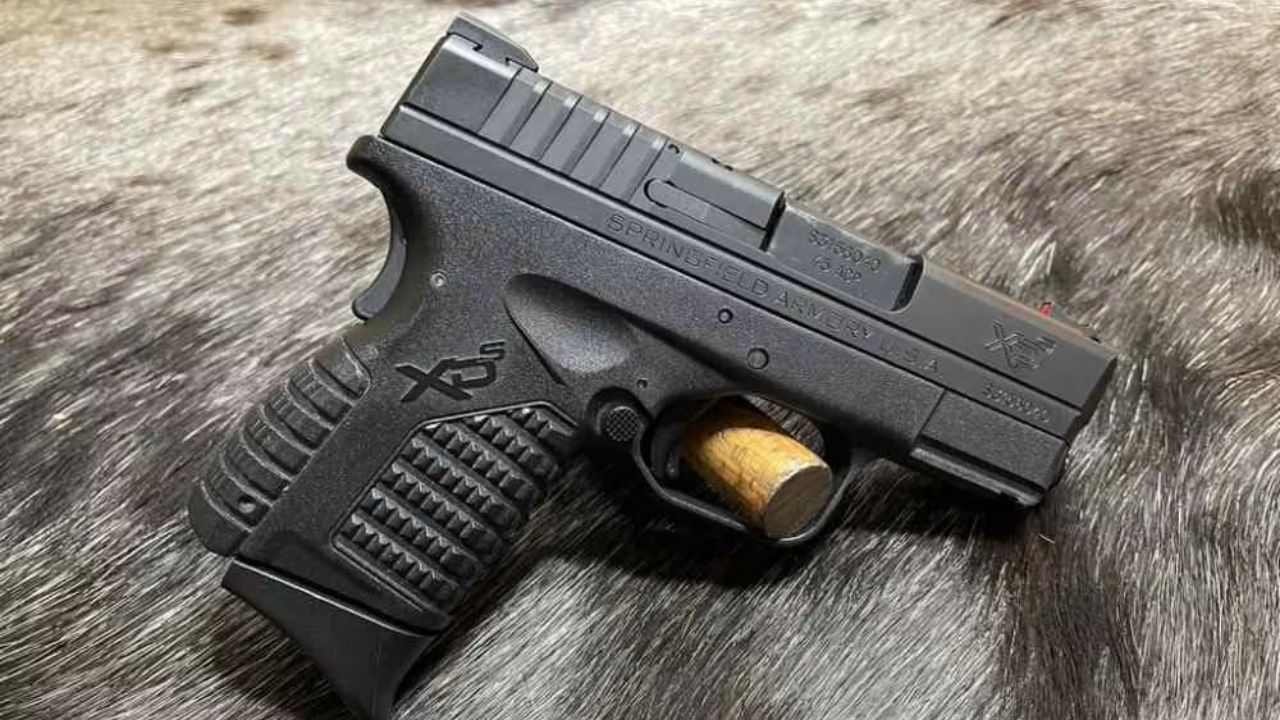
The XD-S .45 carries well, but follow-ups can be harder than they should be because it’s a slim, relatively light pistol firing .45 ACP. That combination tends to create more muzzle rise and more disruption of your grip between shots. Many shooters can make accurate hits, then struggle to keep fast pairs tight.
The other factor is grip safety interaction. Under stress and speed, inconsistent grip can show up more than you expect—especially if your hands are cold or sweaty. If you’re going to run an XD-S hard, your support-hand clamp and consistent grip pressure need to be non-negotiable.
Kimber Ultra Carry II (.45 ACP)

Short 1911s can be fast in skilled hands, but the Ultra Carry II can make follow-ups harder because of the short grip and the way recoil hits in a light .45. The gun can feel “sharp” rather than smooth, and it takes more deliberate technique to keep the sights returning the same way every time.
A lot of shooters also find they start adjusting their grip mid-string because the gun shifts. That’s when your second shot drifts and you start chasing the gun instead of driving it. If you want quick, consistent pairs, a heavier gun or a longer grip usually makes life easier.
Springfield 1911 Micro Compact (.45 ACP)
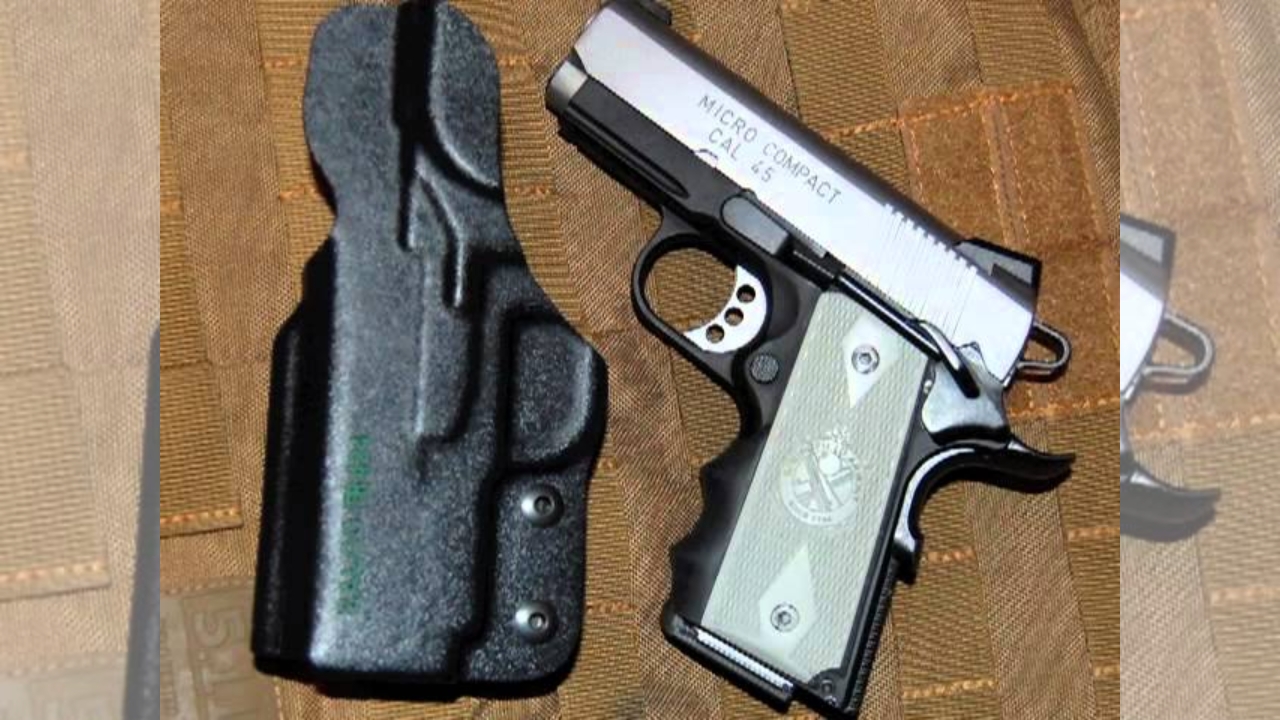
Micro 1911s are simply less forgiving. The short slide cycle and short grip can make the recoil feel abrupt, and follow-ups become a control problem. You’ll often see shooters shoot a good first shot, then the gun moves enough that the second shot turns into a “re-find” instead of a natural return.
Even if the pistol runs reliably, it’s still a small .45 with limited leverage. That means you have to grip it correctly and repeatably every single time. If your grip shifts, the gun’s return changes, and your splits get slower because you’re rebuilding your sight picture after every shot.
HK USP Compact (.40 S&W)
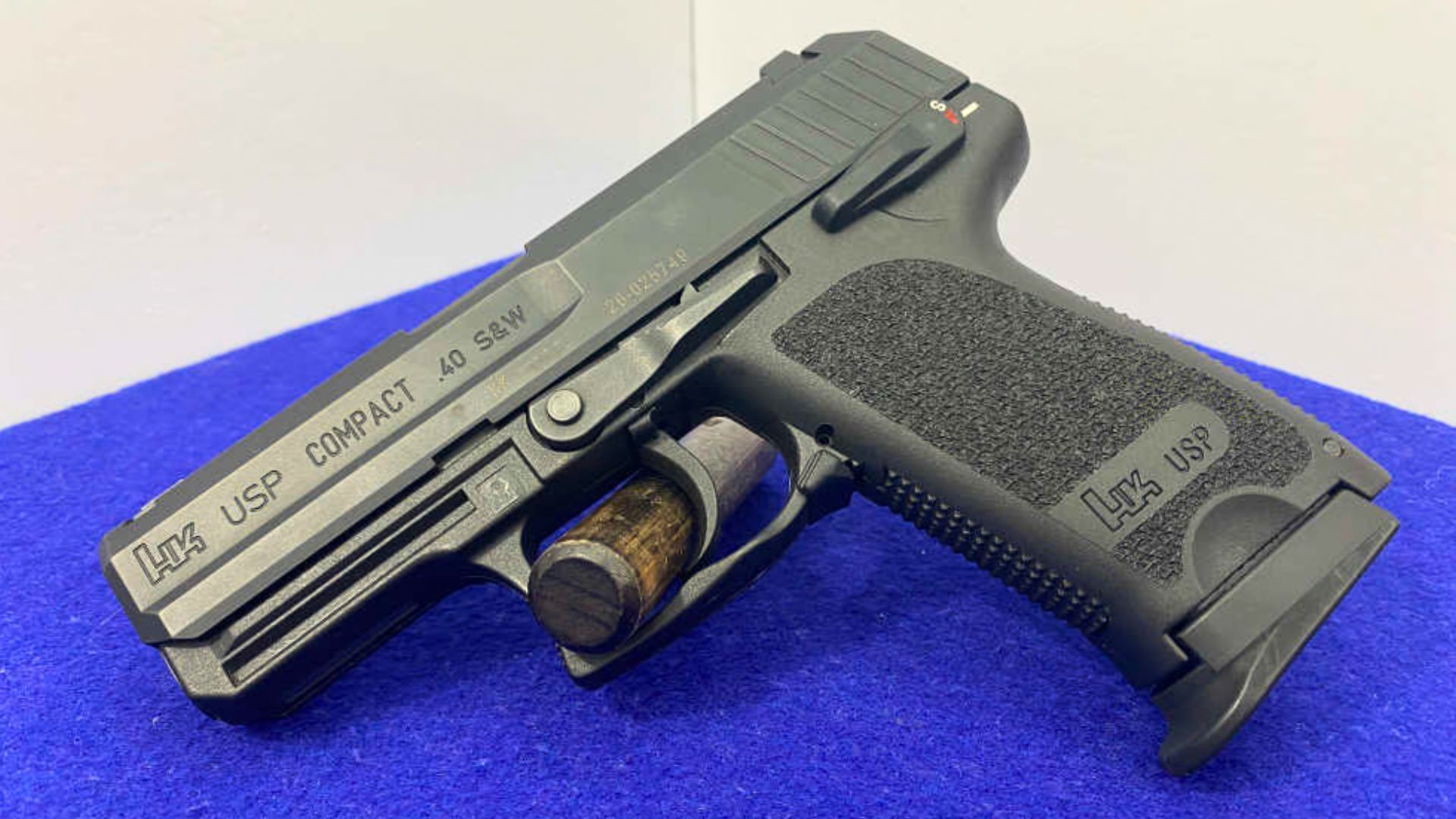
The USP Compact in .40 is a durable gun, but follow-ups can feel harder than expected because of the recoil impulse and how the gun returns for some shooters. The platform can feel “tall” in the hand compared to some modern compacts, and that changes how muzzle rise presents during fast shooting.
It’s very shootable with good technique, but it can punish lazy grip work. If you let the gun move and then try to “catch” it, your second shots will be late and off. The fix is a stronger, more consistent support-hand clamp and letting the gun return instead of trying to force it.
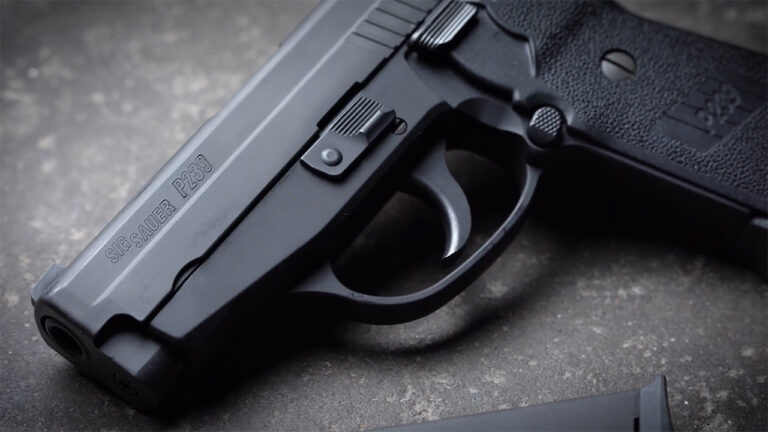
SIG Sauer P239 (.40 S&W)
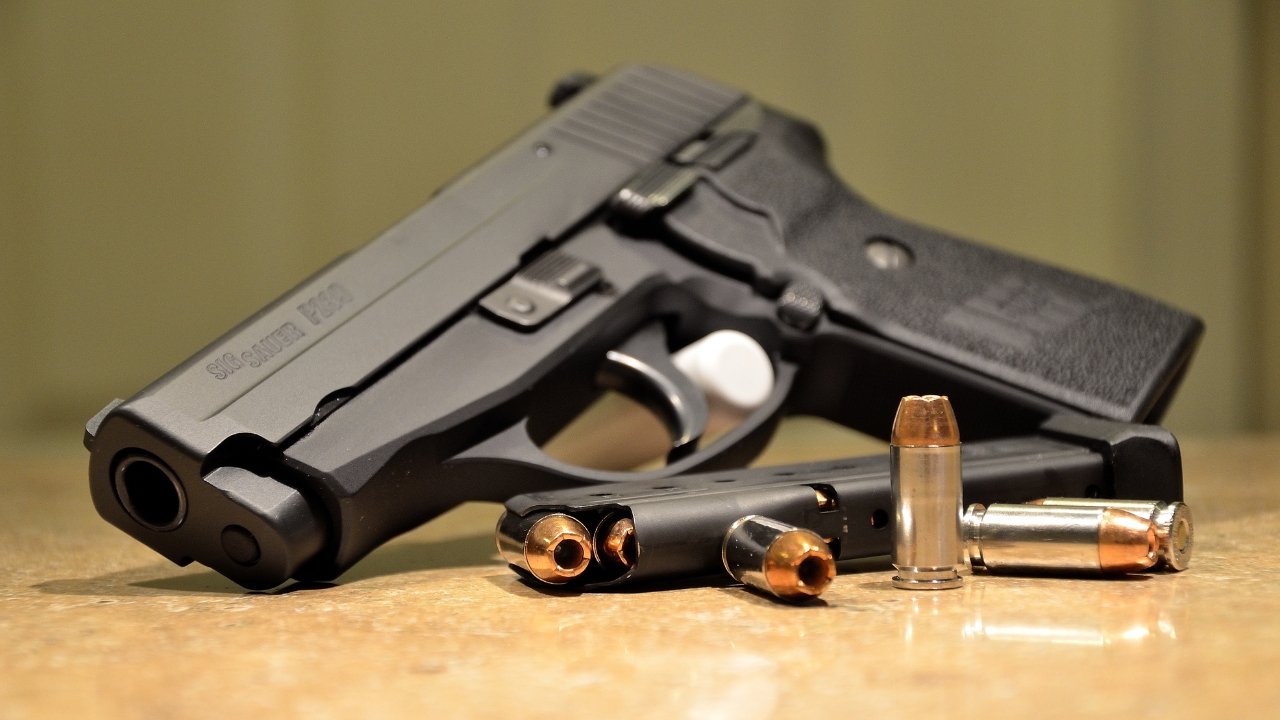
The P239 in .40 is a neat carry option, but follow-ups can be a fight because it’s a slimmer gun with a recoil impulse that feels sharper than a heavier duty pistol. The grip shape and weight distribution can make the gun move more in the hand, especially when you try to run it quickly.
A lot of shooters do fine at slow-fire and then get surprised when their cadence falls apart under speed. It’s not that the gun is inaccurate—it’s that it’s harder to keep it stable across fast strings. If you’re going to carry one, practice controlled pairs and make sure your grip is not changing between shots.
SIG Sauer P220 compact (.45 ACP)
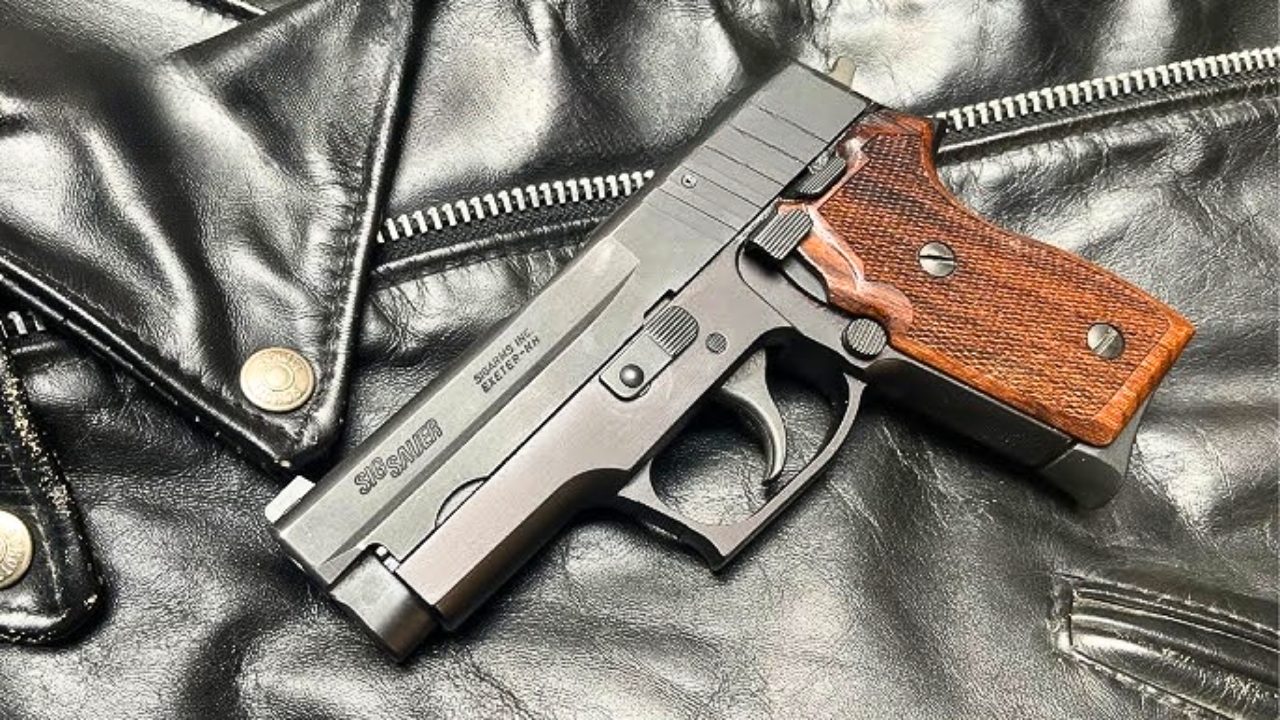
The P220 compact is accurate and trustworthy, but .45 in a carry-size package can slow follow-ups for shooters who aren’t committed to grip work. The recoil impulse can feel like more “roll,” and if you don’t lock the gun in with the support hand, the sights take longer to settle.
It’s a great pistol for deliberate shooting. It can be run fast, but it takes intention. If your goal is blazing fast splits with minimal movement, a 9mm in a similar size is easier. If your goal is a proven .45 you can shoot well and carry, the P220 Carry can do it—just don’t pretend it’s effortless for follow-up speed.
Glock 30S (.45 ACP)
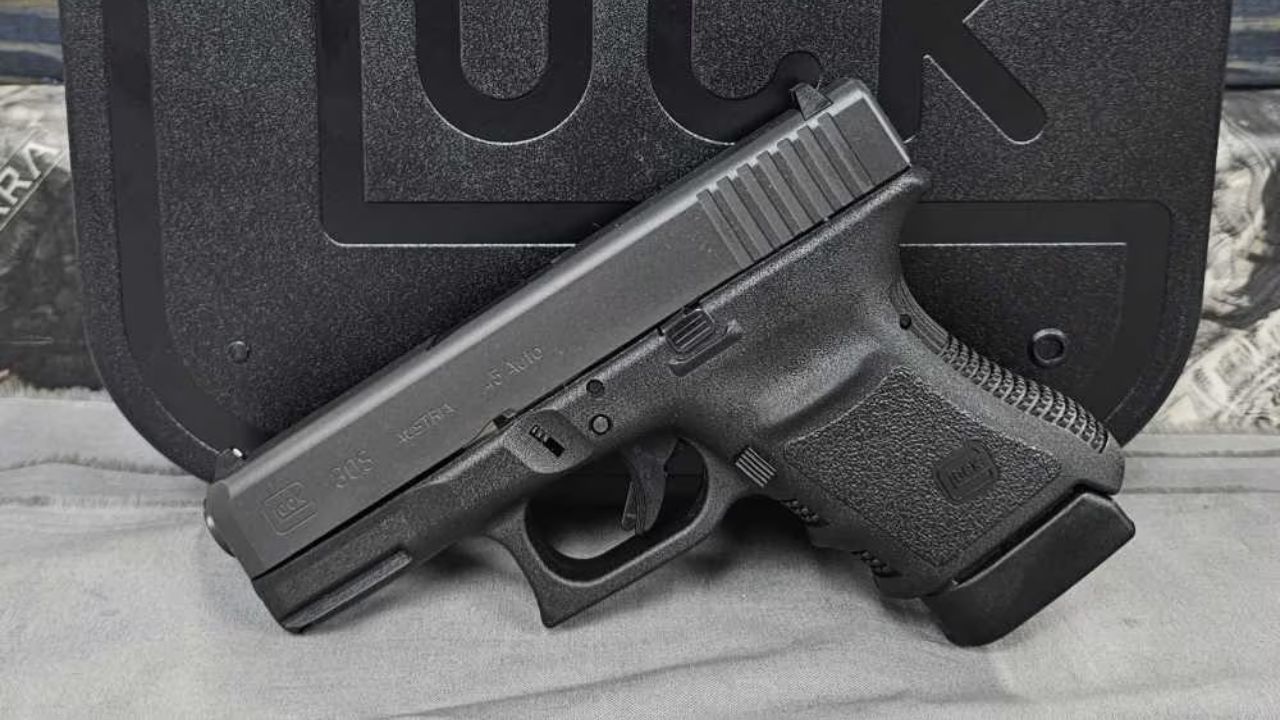
The 30S is a cool concept: .45 performance in a compact-ish Glock. Follow-ups can be harder because the gun is still a short grip and .45 recoil. Many shooters find the gun wants to rise and return a little inconsistently unless the support hand is really doing its job.
It’s also a gun that can feel great in the store and fine for the first magazine, then start getting “busy” when you push speed. If you carry it, do real drills—pairs, cadence work, transitions—and see what your hits do. The target will tell you if the gun is slowing you down.
Ruger LCR .357 Magnum

Light .357 revolvers are famous for making follow-ups ugly. The LCR carries extremely well, but full-power .357 in a lightweight revolver is a lot. The gun moves, the grip can shift, and recovery time between shots is longer for most shooters—even if the first shot is solid.
Many people end up practicing mostly with .38 Special because it’s more manageable, which is smart. But if your carry load is hot .357, you need at least enough practice with it to understand how it changes your return-to-target. Follow-ups aren’t just slower—they can get sloppy if you’re flinching.
S&W 340PD (.357 Magnum)

The 340PD is a carry dream and a follow-up nightmare with magnum loads for most humans. It’s brutally light, and recoil isn’t just “snappy”—it disrupts grip, timing, and confidence. First shots are doable. Second shots are where you see people hesitate because they’re bracing for the hit.
If you carry a 340PD, most serious owners run .38 +P or very carefully chosen loads because they want controllability. If you insist on .357, be honest about practice. Follow-ups are only as good as your willingness to actually train with what the gun does to your hands.
Taurus 605 (.357 Magnum)

The 605 is compact and carry-friendly, but follow-ups with magnum loads can be tough because the gun is small and light enough to move a lot. Your grip has to be consistent, and with small revolvers, consistency is harder. People often “milk” the grip as they press the trigger again, and the muzzle dips or drifts.
If you keep it in .38 +P territory, it’s a lot more controllable. If you’re running .357, accept that your split times will be slower unless you’re genuinely trained up on the platform. Small revolvers don’t reward rushing.
Charter Arms Bulldog (.44 Special)

The Bulldog is a legitimate carry revolver, but it’s not a fast follow-up machine. The recoil impulse is a big push and it can roll the gun in the hand. That means you often have to rebuild your grip slightly between shots, which slows everything down. On top of that, double-action trigger work under recoil takes practice.
It’s an honest gun: it tells you immediately if your fundamentals aren’t clean. If you want quick, consistent doubles, a heavier revolver or a 9mm compact is easier. If you want a carryable big-bore revolver, accept that follow-ups demand discipline.
S&W 329PD (.44 Magnum)
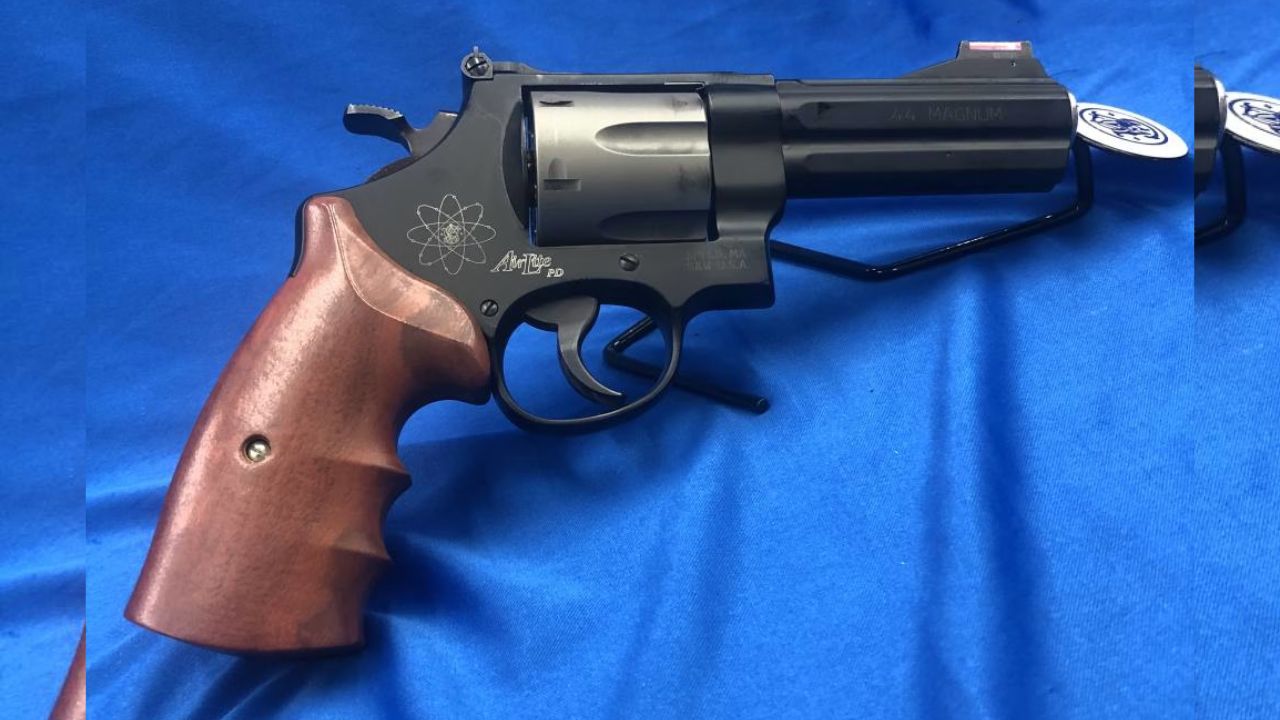
This is the extreme version: very light for its caliber, and follow-ups are hard for almost everyone. Even if you’re strong, the gun moves enough that your sight picture gets disrupted badly. People can shoot it, but shooting it fast and accurately is a different level of work.
Most owners end up choosing loads carefully and limiting round counts per session because it’s punishing. It’s a specialized tool. If you choose it, train realistically: first shot accuracy, controlled follow-up with time to settle, and no pretending it’s going to run like a 9mm. It won’t.
Like The Avid Outdoorsman’s content? Be sure to follow us.
Here’s more from us: