Photo credit: WHO_TEE_WHO/YouTube
Some rifles feel like they’re locked in. Good weight, good balance, sits nice on bags, doesn’t wobble. Then you get one group that looks great… and the next has a random round 2–4 inches out for no obvious reason. Most of the time, that “flyer” isn’t magic. It’s usually stock flex touching the barrel, inconsistent action screw torque, a bedding surface that shifts, a hot skinny barrel, or a scope/mount issue that only shows up once recoil and heat start stacking.
This isn’t a “never buy these” list. It’s a “these models are more likely to do this in factory trim, and here’s what to check before you blame your trigger finger.”
Ruger American

The Ruger American is one of the best values out there, but the factory stock can be flexy enough that a rifle that feels rock solid on a rest still throws flyers when the fore-end touches the barrel under pressure. If your front bag, bipod, or even your hand pressure changes, the barrel contact changes. That turns into “random” shots that aren’t random at all.
If you own one and you’re chasing flyers, start simple: verify the barrel is truly free-floated with the rifle loaded the way you shoot it (bipod pressure matters). Then torque the action screws consistently, check scope base screws, and try a different front rest setup. A stiffer stock or bedding job often “fixes” the mystery overnight.
Savage Axis

Axis rifles can shoot, but the lightweight factory setup is a perfect recipe for heat and flex issues. A thin sporter barrel warms fast, and once it’s warm, point of impact can start drifting. On top of that, the stock can flex enough that a small change in support pressure changes how the barrel is being influenced.
If it shoots a tight first group and then starts tossing one out, pay attention to cadence. Let it cool, then repeat. If the pattern repeats, don’t keep burning ammo trying to “prove it.” Torque the action screws, confirm your barrel channel clearance, and test a couple ammo types that are known to be consistent. A cheap stock upgrade can turn an Axis into a very different rifle.
Remington 783

The 783 can be accurate, but it’s also the kind of rifle where little setup issues show up as flyers—especially if the stock is putting pressure on the barrel in ways you don’t notice until it’s on a rest. It may feel steady, but that stability can mask the fact that the fore-end is interacting with the barrel differently shot to shot.
If you’re seeing flyers, do the boring checks: scope rings and base screws, action screw torque, and then test the barrel float with downward pressure applied at the fore-end like a bipod would. A small amount of stock sanding in the barrel channel can clean up a lot of “mystery” behavior. Also check the crown—factory crowns aren’t always perfect.
Mossberg Patriot

Patriots often feel great on the bench because they’re easy to hold steady, but they can still throw flyers if the rifle is sensitive to how it’s supported. Light rifles can recoil a little differently depending on how hard you “pin” them into the bags, and that changes how the action settles in the stock. That shows up as a stray shot even when your hold felt identical.
If you’re chasing flyers, shoot a few groups with a very consistent rear bag setup and don’t death-grip the rifle. Then check action screws and scope mounts. Some rifles calm down a lot with a consistent torque value and a slightly different front rest height. This is one where “steady” doesn’t always mean “repeatable.”
Winchester XPR
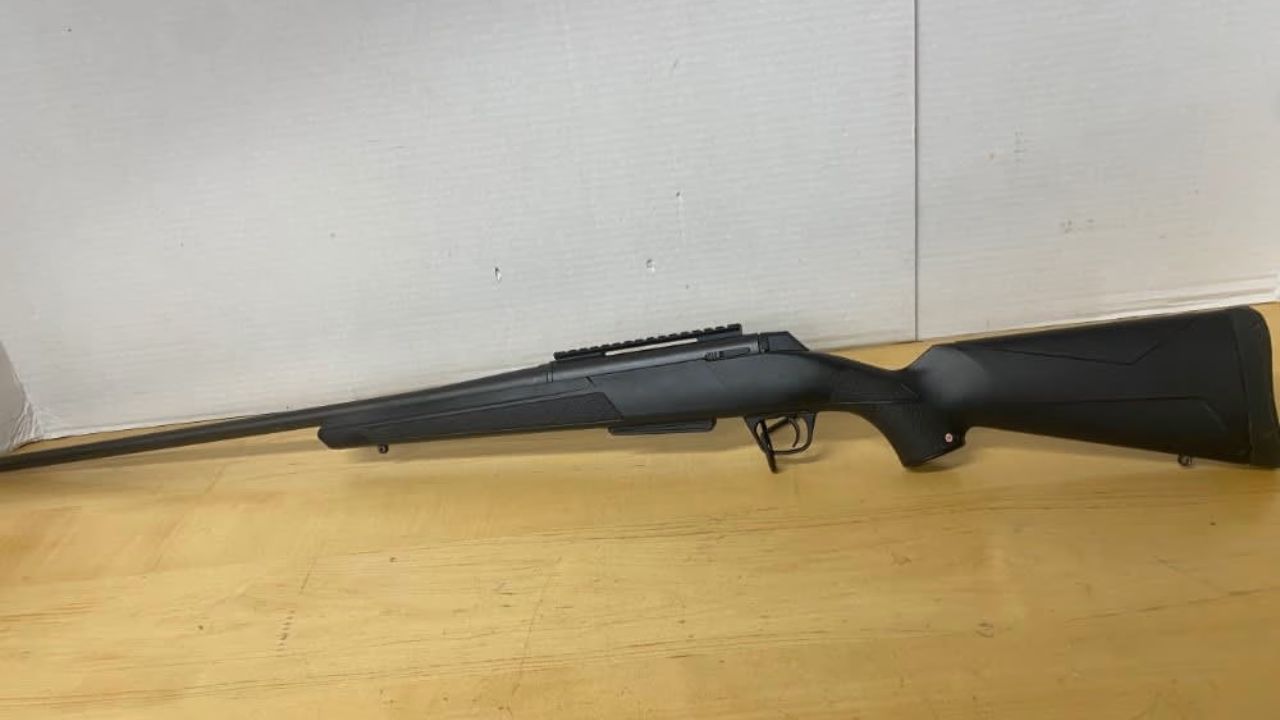
The XPR can be a hammer, but the factory stock and bedding setup can still be the weak link when it comes to odd flyers. It’ll feel stable and balanced, but if the action isn’t bedding consistently—or if the fore-end flex changes barrel contact—your target will show it even if you’re doing everything right.
If your groups look good except for one round that “escaped,” start with torque and float. Then try a different support method: bipod vs. bags vs. front rest. If it changes dramatically, the stock is your variable. The XPR usually responds well to simple fixes, but you have to diagnose it like a system, not a single part.
Tikka T3x Lite
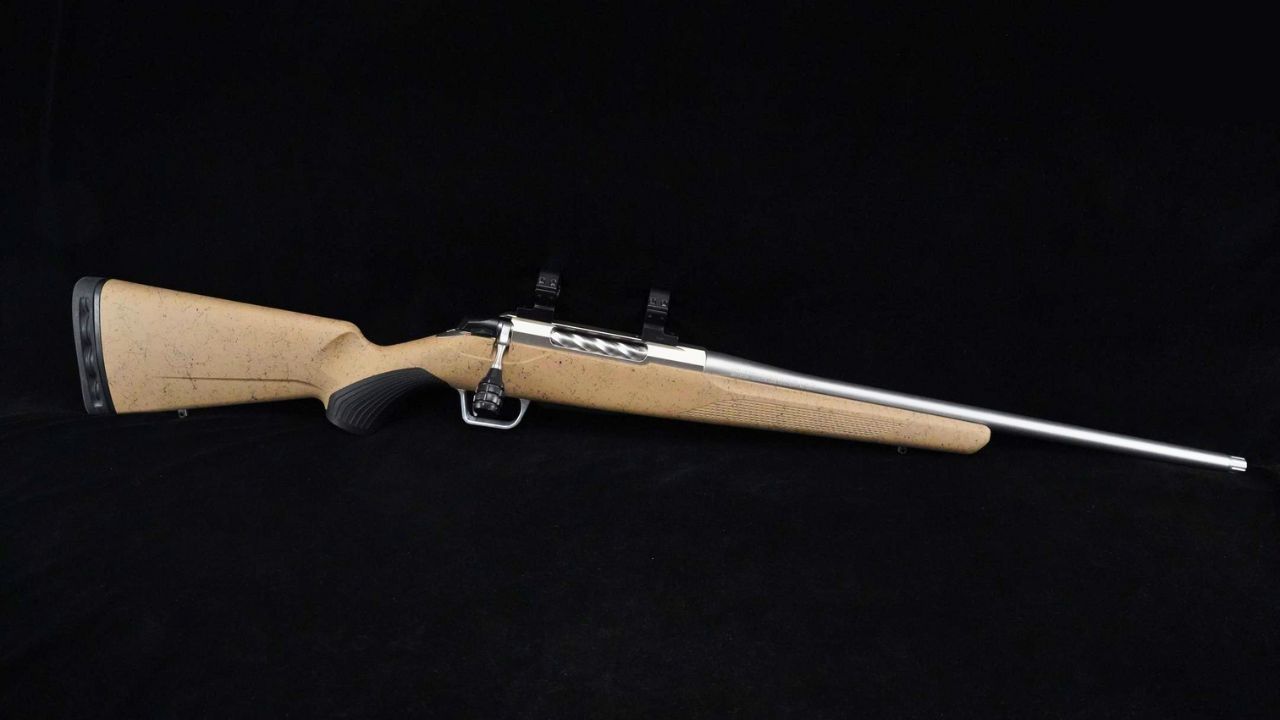
Tikkas are usually stupid accurate, but the Lite models have thin barrels that can heat up and start walking shots if you run them like a range rifle. The gun feels dead steady because the action and ergonomics are good, but the barrel is still a lightweight hunting tube. After a few quick strings, the rifle can toss a shot or drift enough that you call it a flyer.
If you see it, change one thing: slow down and let it cool. If the “flyers” go away, you’re not dealing with bad accuracy—you’re dealing with a barrel profile being used outside its comfort zone. For hunting, it’s fine. For long bench sessions, treat it like a hunting rifle: fewer shots, more cooling.
Howa 1500 Hogue
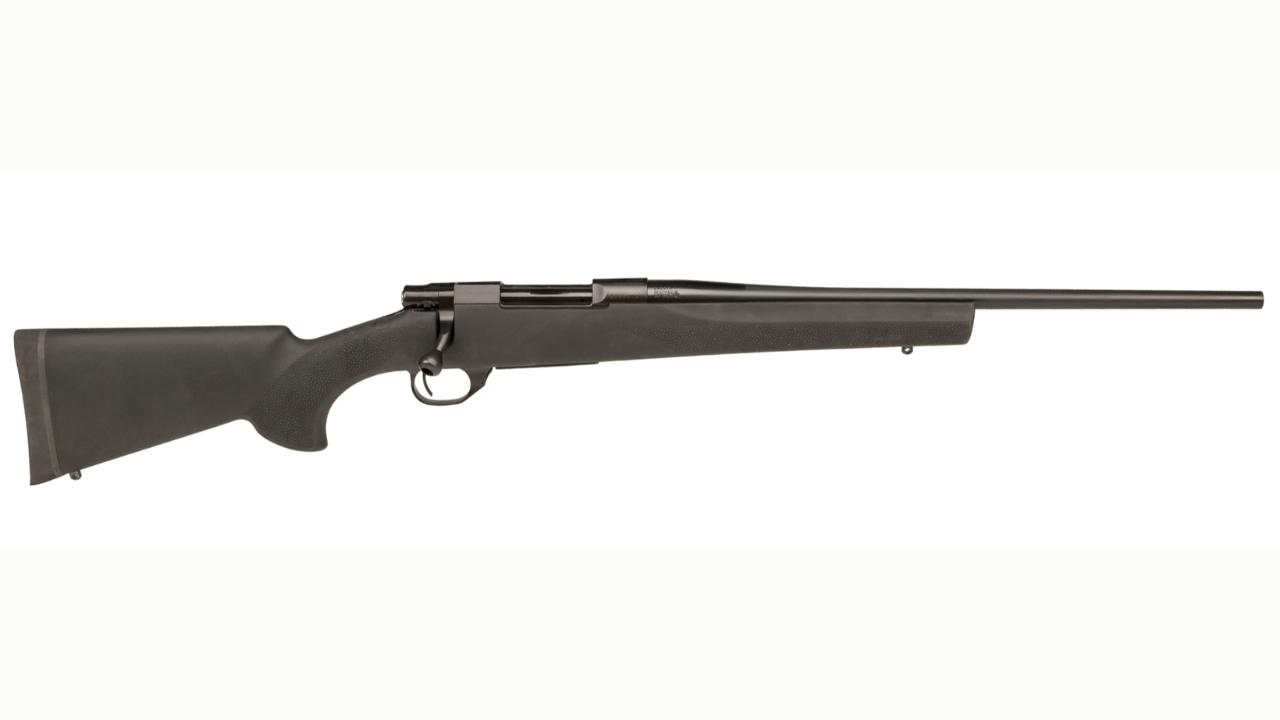
Howa actions are solid, but the Hogue Overmolded stocks can flex enough that a rifle feels great in the hands and still changes barrel contact when you load a bipod or push into a front bag. That barrel contact can create the classic “tight group plus one out” pattern, especially as the barrel warms and everything shifts.
Fixing this is usually not complicated. Confirm float under real pressure, torque the action screws consistently, and consider a stiffer stock if you’re serious about consistency. The Howa action is usually not the issue—it’s the interface between action, stock, and how you’re supporting the rifle.
Thompson/Center Compass

Compasses can surprise people with good groups, then frustrate them with random flyers that don’t match the rest of the group. A lot of that comes down to the factory stock and how the rifle reacts to different support pressure. A rifle can feel rock steady in your shoulder and still be mechanically inconsistent shot to shot if the action is shifting slightly or the barrel is being influenced.
If a Compass is “almost great,” don’t keep swapping ammo first. Check mounts, torque, and float. Then shoot slow with consistent bag pressure. If you can make the flyers appear and disappear by changing how you support the fore-end, you’ve found your culprit. That’s fixable.
CVA Cascade

Cascades have a strong reputation, but any rifle can throw flyers if the action screws aren’t torqued evenly or if the bedding surface isn’t perfectly consistent. The Cascade often feels super stable on the bench—good ergonomics, good recoil feel—so when a flyer happens, it catches people off guard.
Start with repeatability: torque to the same value every time, mark your screws, and verify nothing is loosening. Then check rings/bases and try one known-consistent load. If it still throws a random shot, inspect the crown and confirm the barrel channel isn’t touching under pressure. Most “Cascade flyers” I’ve seen end up being setup-related, not the rifle being inherently inaccurate.
Kimber Mountain Ascent

Ultralight rifles are awesome to carry and often miserable to troubleshoot. A Mountain Ascent can feel unbelievably steady on bags because the balance is good, but the whole system is light enough that tiny differences in shoulder pressure, bag squeeze, or grip tension change recoil behavior. That shows up as “random” flyers even when you think you’re doing the same thing.
With ultralights, your best tool is discipline: consistent hold, consistent rear bag pressure, slow cadence, and letting the barrel cool. Also double-check scope mounts—light rifles can be surprisingly hard on optics and screws because recoil impulse is sharp. If you want bench-rifle consistency, don’t buy an ultralight hunting rifle and expect it to behave like a varmint rig.
Browning X-Bolt Hunter

X-Bolts can shoot lights out, but some examples are picky about how they’re supported. They’ll feel steady and comfortable, then throw a flyer when your front support changes slightly. It’s often a stock pressure/bedding consistency issue, not the barrel suddenly “going bad.”
If you’re seeing it, test the rifle off bags and off a bipod and see if the pattern changes. If it does, the rifle is sensitive to fore-end load. Bedding and consistent torque can help, but even without modifications, you can tighten things up by shooting the rifle the same way every time—same bag, same placement, same pressure.
Weatherby Vanguard

Vanguards are usually dependable and accurate, but factory stocks can still introduce inconsistency, especially if you’re loading the rifle hard into a bipod or resting the fore-end in a way that changes pressure. The rifle feels steady because it’s a solid action and a solid design. That “steady” feeling can hide the fact that your support method is changing how the barrel behaves.
Before you chase ammo, check the basics: torque, mounts, float under pressure. Then shoot slow. If the first group is tight and later groups start wandering, don’t call it a flyer problem—call it heat and support pressure. Vanguards usually reward boring fundamentals.
Ruger Gunsite Scout
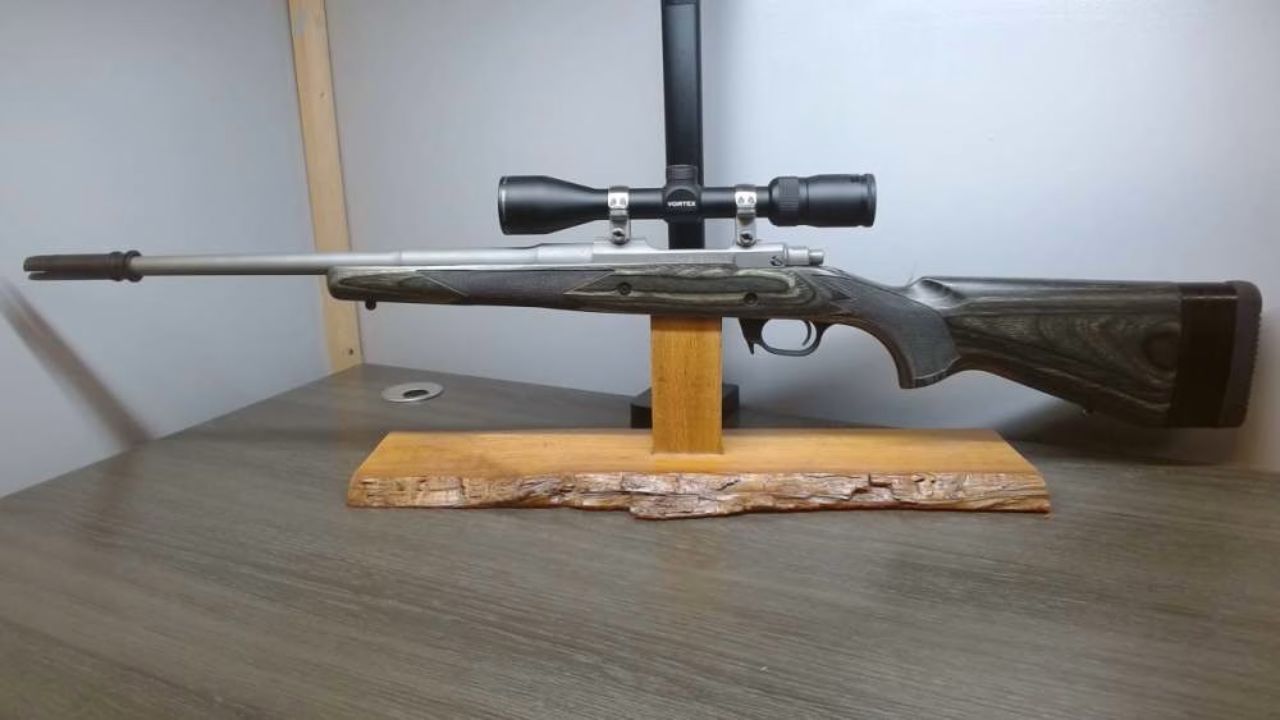
Scout-style rifles feel steady and point well, but shorter barrels and different stock setups can make them more sensitive to ammo and harmonics. That can show up as “one out” even when the rifle feels planted. It’s not always a defect—sometimes the rifle just prefers specific loads and hates others.
If you’re seeing flyers, try a different bullet weight and make sure the optic/mount setup is rock solid. Scouts are often set up with forward mounts or different rails, and if anything is moving even a little, you’ll see it. Also watch your cadence—short barrels heat quickly too.
Mini-14
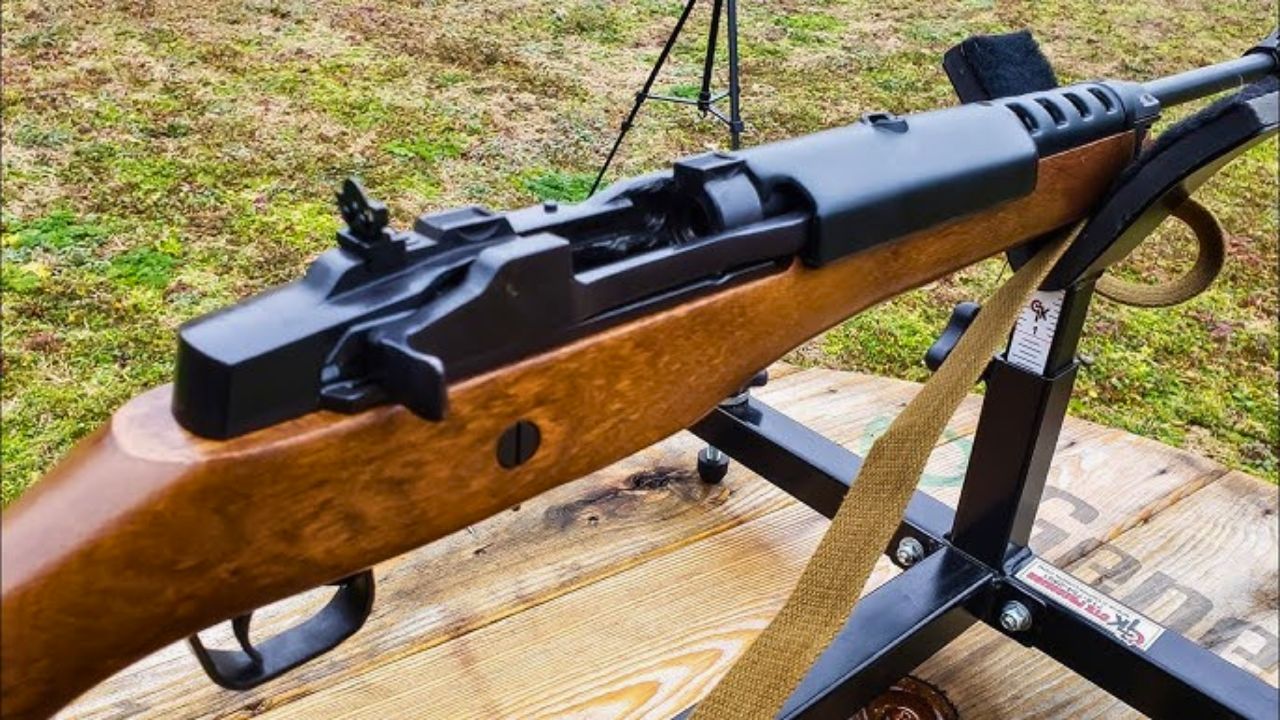
Mini-14s can feel extremely steady on a bench because the balance is good and recoil is mild. Then you start running strings and groups open up fast. Some of that is barrel profile and heat, some is the platform’s normal accuracy limitations compared to a bolt gun. “Flyers” can just be the gun doing what it does when it warms.
If you’re expecting bolt-gun consistency, the Mini will humble you. But you can still improve it by controlling cadence, using consistent ammo, and making sure the optic mount is solid. The key is judging it fairly: it’s a handy rifle, not a benchrest gun.
AR-15 carbines with pencil/light barrels
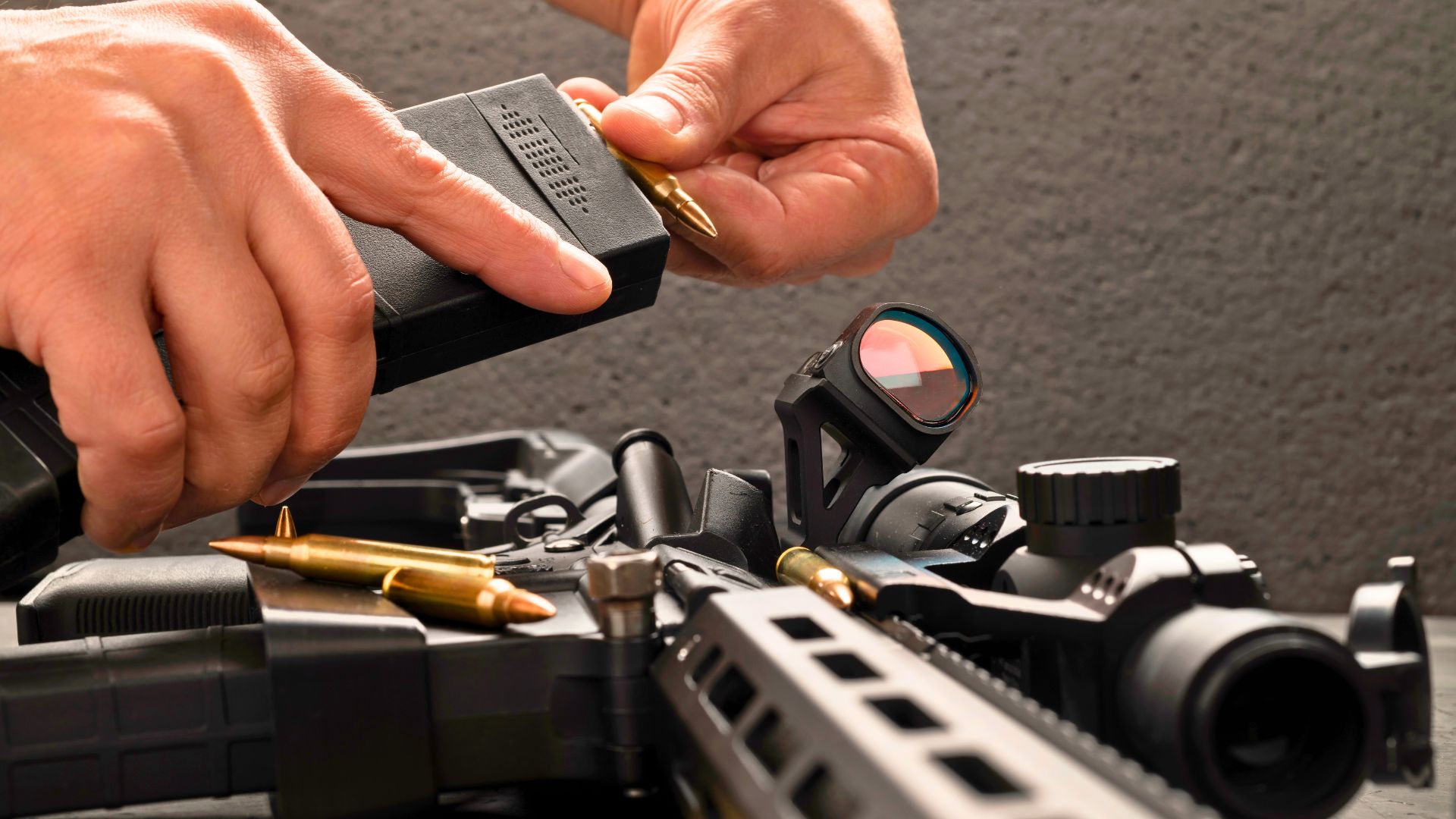
A light-barreled AR can feel dead steady and still start “throwing flyers” once the barrel heats and point of impact shifts. You’ll see a clean first group, then the next group drifts or opens. Guys blame their optics, their trigger, their ammo—when it’s just a lightweight barrel doing physics things.
If you want consistent POI for strings, run a heavier barrel profile. If you want light and handy, accept that heat changes behavior and plan your shooting cadence around it. The AR platform is honest: barrel profile matters, and “steady on bags” doesn’t change what heat does to thin steel.
Like The Avid Outdoorsman’s content? Be sure to follow us.
Here’s more from us: