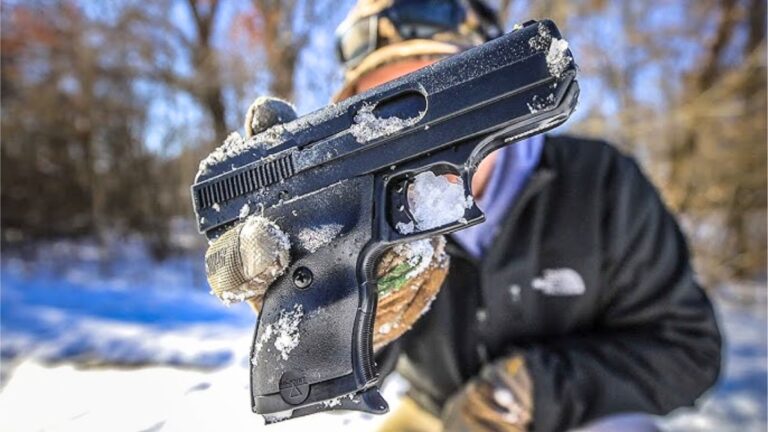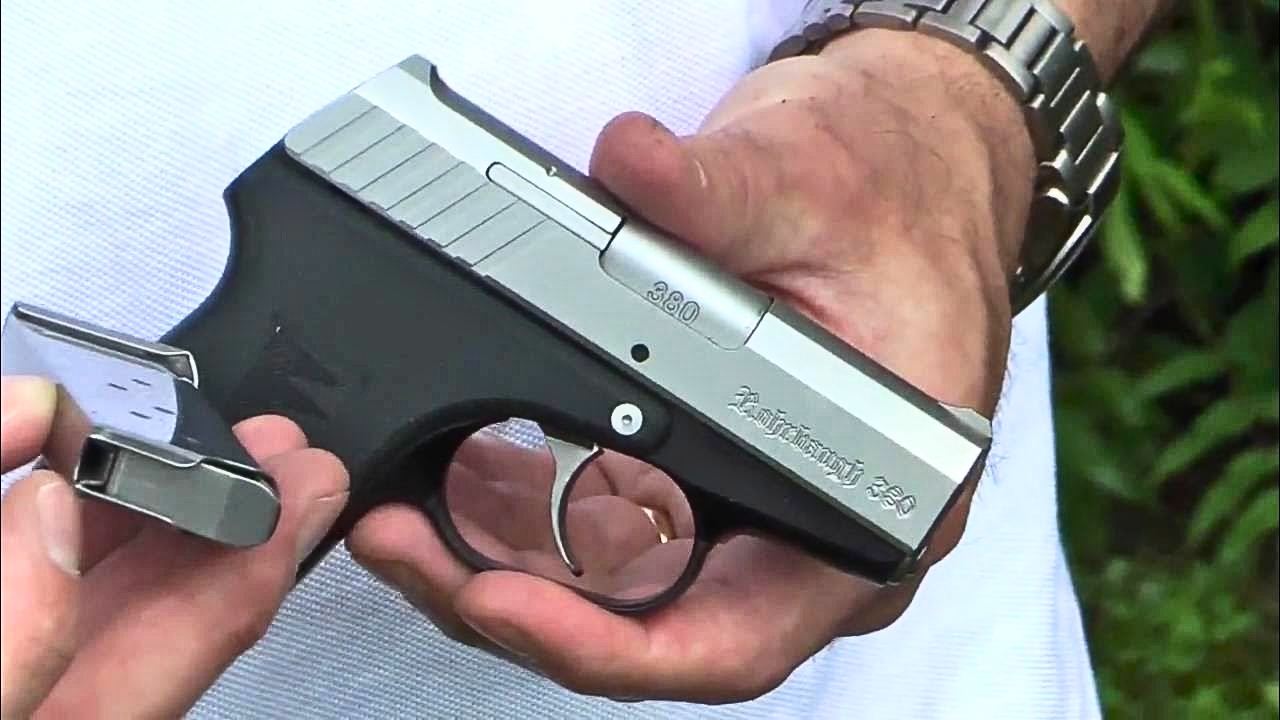
Photo credit: TheTacticalTim/YouTube
Some pistols disappear in a pocket or vanish inside the waistband… and that’s exactly why they sell. The problem is a lot of those same guns are light, short, thin, and fast-cycling, which means they beat up your hands and punish any little grip mistake. You’ll carry them every day, then avoid training with them because they’re miserable past the first couple mags.
This list isn’t “these guns are junk.” It’s “these guns are easy to live with on your belt and annoying to live with on your hands.”
Ruger LC9

The original LC9 carries like a dream and fits places a thicker pistol won’t. On the range, a lot of shooters struggle with it because the trigger and the small grip work against fast, consistent shooting. You can shoot it well, but it usually takes more focus than people expect for a 9mm.
Where it gets rough is volume. The gun is thin, the grip is short, and recoil feels sharper than most people anticipate. If you don’t lock your support hand in the same way every time, the gun moves more than it should and follow-up speed falls apart. It’s a “carry more than you practice” trap for a lot of owners.
Ruger LCP II

The LCP II is one of the easiest pistols in America to actually carry. It’s also one of the easiest pistols to convince yourself you’ll train with… until you shoot it. The grip is tiny, recoil is snappy for its size, and long range days quickly turn into sore hands and sloppy trigger presses.
The gun does what it’s meant to do: be there when nothing else will. But if it’s your primary carry, you’ve got to be honest about practice. Most people shoot a couple magazines and call it good. That’s not enough if this is the gun you’re betting your life on. Short, regular sessions beat one big miserable session.
Smith & Wesson Bodyguard .380

Bodyguard .380s carry extremely well and feel “smart” on paper. On the range, they can feel awkward: small grip, short sight radius, and a recoil feel that’s sharper than people expect from .380. Many shooters also find the trigger and ergonomics take real work to run quickly.
A lot of owners end up fighting the gun instead of building reps. If your grip isn’t consistent, the pistol shifts and your hits drift low or wide. It’s not a gun that forgives sloppy pressure. It can be a legit deep-carry choice, but it’s rarely a “fun practice” gun, and that matters.
Beretta Pico

The Pico disappears in a pocket like it’s not even there. That’s the whole point. Then you shoot it and remember it’s a tiny, light pistol with very little grip to hold onto. The recoil impulse is sharp and the gun tends to concentrate that recoil into a couple hot spots in your hand.
It’s one of those pistols that’s easier to carry than to master. You can get competent with it, but you’ll usually do it with short practice blocks and lots of dry work. If you try to run 150–200 rounds in one trip, most people start getting sloppy because their hands are tired and their grip starts shifting.
Seecamp LWS .32

The Seecamp is a purpose-built deep concealment pistol. It’s great at that role and not pretending to be anything else. On the range, it’s rough because everything is tiny: grip, sights, controls, and the margin you have for a clean trigger press.
Where people struggle is consistency. The gun isn’t built to be shot fast at distance. It’s built to be carried always and used up close. If you try to make it a “range pistol,” you’ll hate it. If you accept it as a specialized carry tool and train accordingly—draw, grip, a few controlled shots—you’ll have a better relationship with it.
NAA Guardian .380

The Guardian is heavier than it looks, which some people think will make it comfortable. The problem is the grip is still small, and the weight doesn’t magically turn it into a pleasant shooter. A lot of shooters feel like it’s beating the same part of their hand over and over because there’s not much surface area to spread recoil out.
It also tends to be the kind of pistol people don’t run hard. They’ll shoot a few mags, decide it’s “good enough,” and then it becomes a true “carry-only” gun. If that’s your plan, fine—just don’t lie to yourself about your skill with it. Tiny pistols need more deliberate practice, not less.
Kel-Tec P-3AT

The P-3AT is classic “pocket carry reality.” It’s light, flat, and easy to stash. It’s also not a pistol most people enjoy shooting. The recoil is snappy, the grip is short, and it’s easy to end up with inconsistent pressure that makes the gun feel jumpy.
The biggest issue is follow-through. A lot of shooters start anticipating recoil quickly with this gun because it’s unpleasant. That leads to low hits and sloppy cadence. If you carry it, don’t try to be a hero with round counts. Do short, regular sessions and make sure you can draw and get solid hits fast without the gun making you flinch.
Kel-Tec P-32
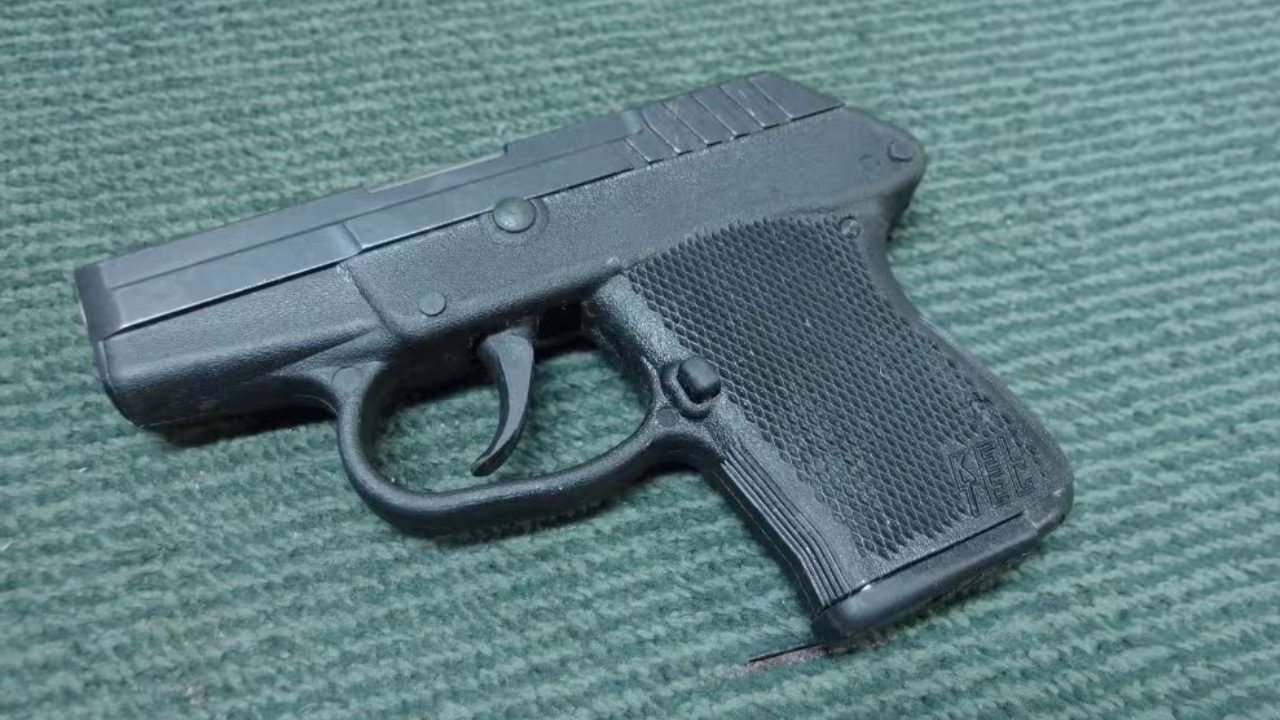
The P-32 is softer than the P-3AT for many people, but it’s still tiny. The “rough on the range” part comes from grip size and controls, not brute recoil. Your hand position can shift more easily, and tiny shifts change how the gun tracks and how your trigger press behaves.
The P-32 is a legit “always gun” for a reason. Just understand that real practice with it looks different. You’re not building your whole skill set on it. You’re maintaining competence—draw, grip, a few accurate shots—so the gun isn’t a stranger when you need it.
Diamondback DB380

DB380s carry well and feel like an easy answer for deep concealment. On the range, many shooters find they’re working harder than they should be to keep hits tight. The grip is small, recoil is sharp for .380, and the gun can feel “busy” in your hands when you try to shoot fast.
The other reality is small pistols magnify everything—ammo choice, grip consistency, magazine condition. If you’re trying to become confident with it, you’ll usually need to slow down and build clean reps instead of trying to run it like a compact 9mm. It’s not the same job, and it won’t feel the same.
Taurus TCP .380

The TCP is thin and easy to carry, which makes it tempting. On the range, it can feel harsh and twitchy, especially when you start pushing pace. The small grip can lead to “pinch points,” and the gun will move around more than you want unless you’re very consistent.
A lot of shooters buy it as a budget deep-carry option, then don’t put in the practice because it’s unpleasant. That’s the pattern you want to avoid. If you carry one, commit to short, frequent sessions and enough dry work that the trigger press and grip feel automatic. Tiny guns punish hesitation.
Remington RM380

The RM380 carries nicely and has that “classic small .380” vibe. On the range, it can feel more abrupt than people expect, and the small grip can make it hard to keep the gun stable through a full magazine. Many shooters end up readjusting their grip without realizing it, and that’s when accuracy gets inconsistent.
The RM380 can be a functional carry pistol, but it’s not the kind of gun that’s naturally fun to train with. If it’s in your rotation, treat practice like maintenance—confirm you can draw, control it, and put hits where they need to go—without turning range day into hand pain.
Colt Mustang

The Mustang carries great and feels like a classy answer to deep concealment. On the range, a lot of shooters find it’s easier to shoot “okay” than to shoot fast and consistent. Small controls and a short grip make your hands do more work than you expect, and the gun doesn’t give you much forgiveness when your support hand isn’t perfectly placed.
It’s also a pistol that tempts people into low practice volume. They’ll shoot it a little, decide it’s fine, and then it becomes a “carry-only” piece. If you want real confidence, put it through short drills regularly. Small pistols demand repetition.
SIG Sauer P238

The P238 is one of the more shootable tiny .380s, but it can still be rough on the range once you extend the session. The size is the main limiter. The gun is comfortable for a magazine or two, then your grip starts to fatigue and your trigger control suffers because there’s not much gun to hold onto.
The P238 can be an excellent carry pistol if you’re realistic about training. Use it to stay sharp on your draw and first-hit speed, and do your higher-volume practice with a larger pistol that doesn’t beat your hands up. The goal is competence, not suffering.
Kahr PM9

The PM9 carries extremely well, especially for people who want a thin 9mm. On the range, it can be rough because of the small grip and the long trigger. That combo makes some shooters “milk” the grip during the press, and the gun will punish you with drifting hits if your pressure isn’t clean.
It’s also a pistol that rewards a calm approach. If you try to hammer it like a duty gun without dialing in your grip, it’s going to feel harder than it should. The PM9 can be accurate and reliable, but it asks you to be disciplined. Most people don’t want disciplined—they want easy—and that’s why it ends up being carried more than shot.
Rohrbaugh R9

The R9 is the definition of “great in the holster.” It’s tiny for a 9mm, and it exists for deep concealment. On the range, it’s rough because it’s a small, light 9mm with very little grip to work with. It’s not built for extended practice sessions, and the gun will let you know that quickly.
Owners who understand the role love it: carry a lot, shoot enough to stay competent, and don’t pretend it’s a high-volume trainer. If you try to run it like a compact 9mm class gun, you’re going to hate it. It’s a specialized tool, and it needs a specialized training approach.
Like The Avid Outdoorsman’s content? Be sure to follow us.
Here’s more from us: