Photo credit: WeBuyGunscom/GunBroker
Some handguns can be made great. The problem is how many of them require that work up front—polishing, extractor tuning, spring schedules, magazine experiments—before they feel dependable. A defensive pistol should not be a hobby project. If you enjoy tinkering, fine. But if you want a handgun you can buy, verify, and carry with confidence, these are the ones that too often turn into tuning sessions.
A lot of the guns on this list share a common theme: they’re either small versions of platforms that run better full-size, or they’re budget builds where tolerance stacking shows up quickly.
Kimber Ultra Carry II (3-inch 1911)

Short 1911s are a reliability gamble, and the Ultra Carry II is a common example. The slide speed and timing window get tight in a 3-inch gun, and that makes it more sensitive to extractor tension, recoil spring health, and magazine quality. A gun that’s slightly out of spec will show it fast.
Owners often end up doing the “1911 checklist”: trying multiple magazines, tuning the extractor, swapping recoil springs on a schedule, and experimenting with ammo. When a pistol demands that kind of routine to feel trustworthy, it’s not a great choice for the guy who just wants a dependable carry tool.
Colt Defender (3-inch 1911)
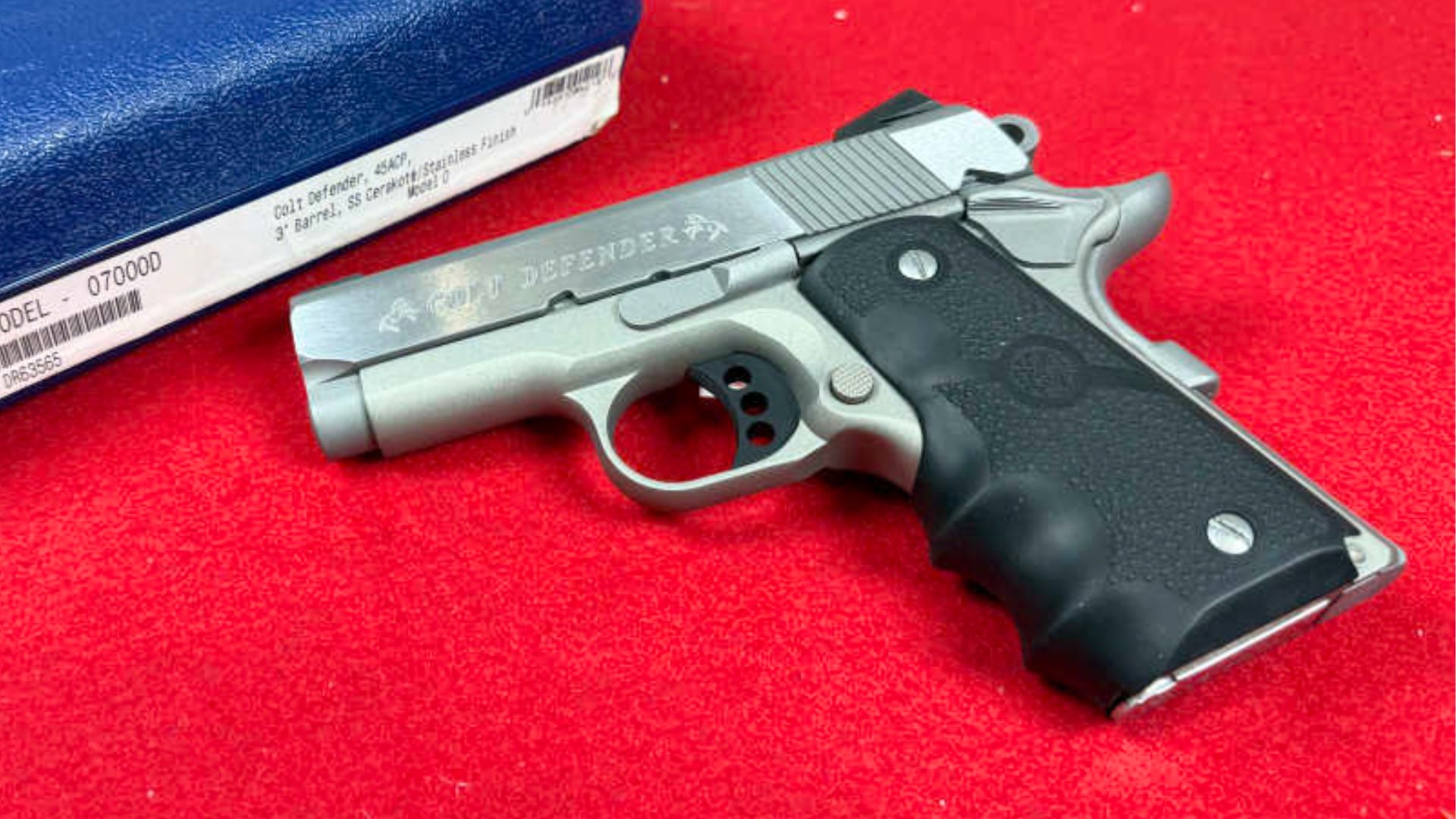
The Colt Defender can be a good pistol, but it’s still a 3-inch 1911. That means the same physics apply. Even well-made examples can be less forgiving than a Commander or full-size Government model when the gun is dirty, dry, or the shooter’s grip isn’t perfect.
A lot of Defender owners end up becoming “maintenance guys” without meaning to. Recoil springs, magazine selection, and sometimes extractor work become part of ownership. If you’re willing to keep up with it, fine. But that’s the point—this category asks more of the owner than most modern carry guns.
Kimber Micro 9
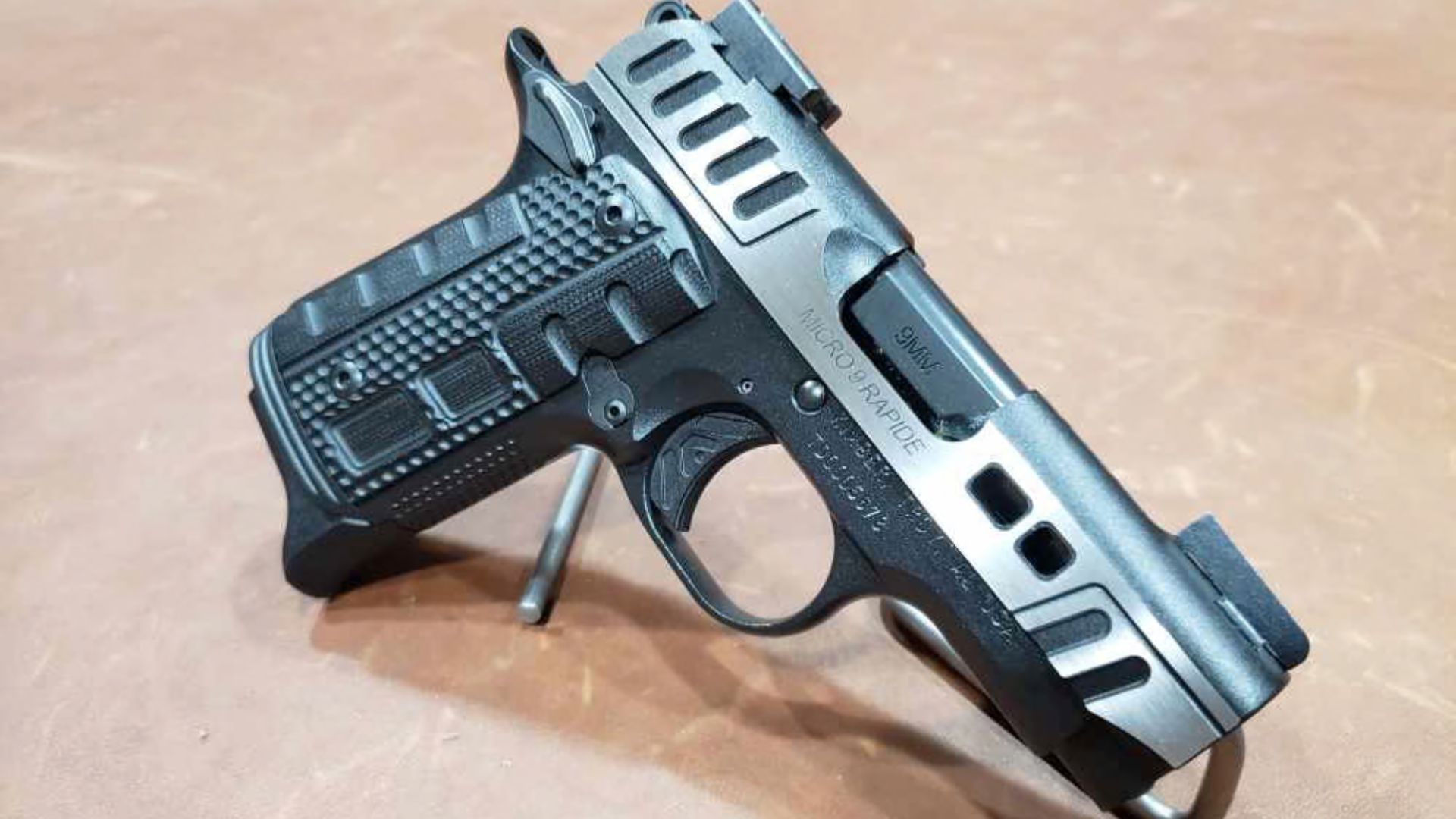
The Micro 9 is attractive because it’s small and easy to conceal, but too many owners end up chasing reliability with ammo selection and small-part tuning. Tiny pistols simply don’t tolerate sloppy tolerances, and not every example ships with the kind of consistency you’d want for a defensive gun.
If a carry gun needs a break-in period plus a list of “only run these loads,” it’s already asking too much. Some Micro 9s are solid. Many are not solid enough to justify the time and money spent trying to make them behave.
SIG Sauer P938

The P938 can be excellent, but it also shows up in the “tuning” conversation because it’s small and less forgiving. Recoil spring maintenance matters, magazines matter, and some shooters end up needing to adjust their grip technique to avoid issues. That’s not the end of the world, but it’s still a factor.
A pistol that demands consistent upkeep and consistent technique is a pistol that’s easier to mess up in real life. If you’re disciplined, it can be a good carry gun. If you’re not, it can become a gun that you want to trust more than you actually do.
Springfield Armory 911

Micro-1911 style pistols like the 911 can be accurate and handy, but they often require more tuning and attention than a striker-fired micro 9mm. Springs, magazines, ammo, and cleaning schedules can all matter more than new buyers expect.
The biggest disappointment is that many people buy these for simplicity, then discover they’re not simple at all. A gun that needs careful selection of everything around it isn’t the easiest defensive tool to live with.
Rock Island Armory GI 1911

Budget 1911s are the classic tuning trap. An RIA GI model can be a fine base, but it often isn’t a finished product in the “trust it immediately” sense. Feed ramps, extractor tension, and small parts can vary. Some run great. Some don’t until someone with experience fixes the little stuff.
If you like building and improving a pistol, that can be fun. If you want a handgun you can carry tomorrow with confidence, needing to tune a budget 1911 is not the best starting point.
Taurus 1911 (older runs)

Older Taurus 1911s have a reputation for uneven fit and QC, which often means you’re more likely to encounter issues that require tuning. Even if the gun “works,” it might not feel trustworthy until the small parts are adjusted and the gun is proven with good mags and ammo.
And again—this is a 1911. The platform rewards proper fitting. When you start with a pistol that may be rough in key areas, you often end up paying either in time or in gunsmith work to reach the reliability level you expected at purchase.
Remington R51

The R51 is a prime example of a pistol that needed more than a range session to earn trust—many never did. The early production reputation alone makes it a risky buy, and when a gun’s history includes major reliability concerns, tuning becomes a rabbit hole.
Even if you could “fix” one, the question becomes: why? A defensive pistol should be a solid system. If the platform itself is questionable, you’re building confidence on sand.
Kel-Tec PMR-30
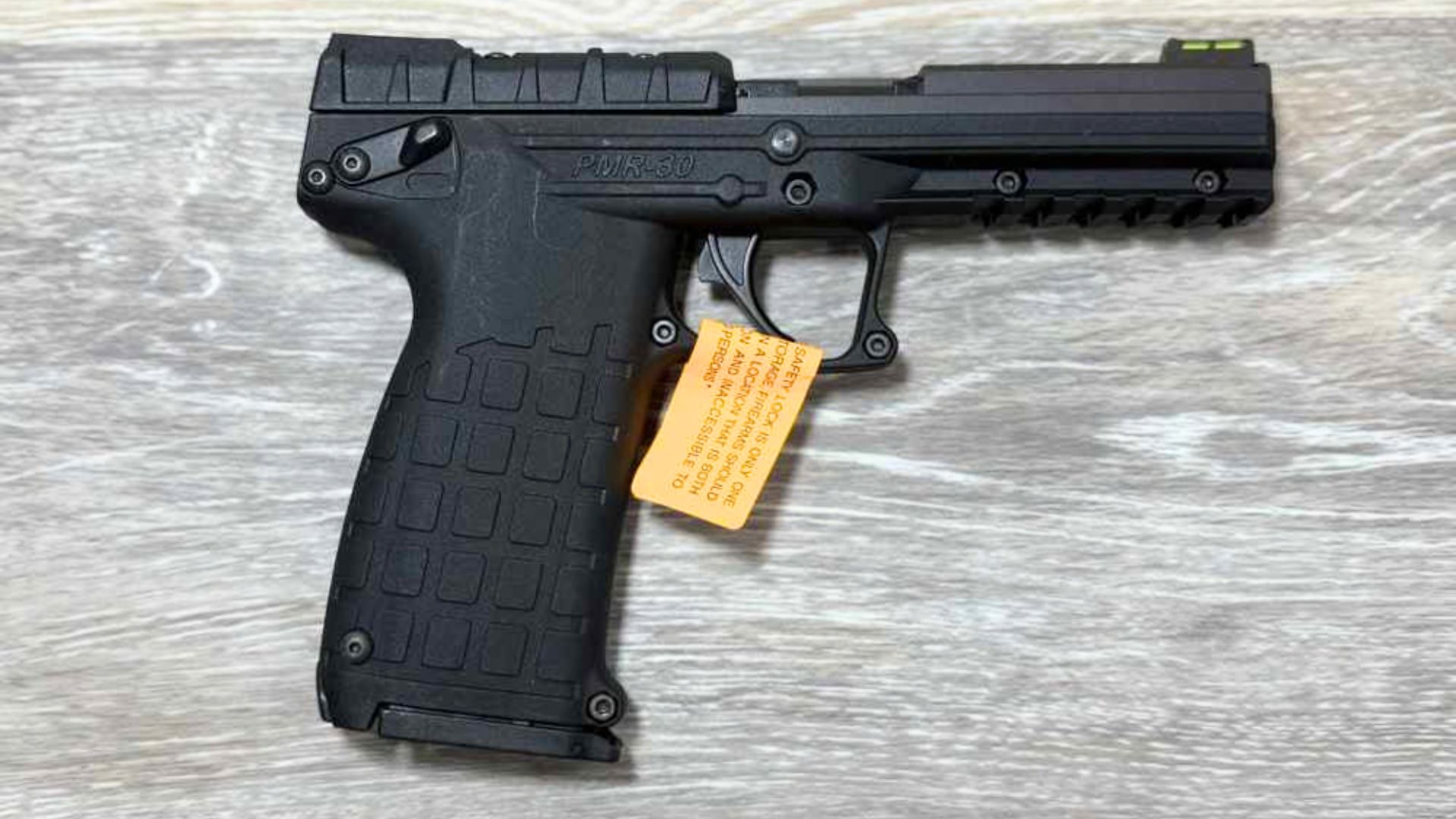
The PMR-30 can run well, but it often requires a specific handling routine. Load the mags wrong and you’ll learn quickly. Feed it ammo it doesn’t like and you’ll learn again. A gun that requires special rules can be made dependable, but it asks more of the owner than most people want.
For a defensive or practical role, that’s the issue. You want a handgun that runs in imperfect conditions, not one that runs only when you treat it gently and follow a checklist.
Kel-Tec P-11

The P-11 has a long history as a compact, budget-friendly option, but it’s also a gun many owners never truly trust because it’s harder to shoot well and harder to run smoothly. A heavy trigger and small grip can lead to sloppy shooting, which often gets blamed on the gun instead of the shooter.
Some people end up trying to “tune” their way out of a platform limitation—lighter springs, tweaks, different mags—when what they actually need is a pistol that fits them better. The P-11 can work, but it often takes too much effort for too little payoff.
SCCY CPX-2

This is another budget pistol where tuning becomes an attempt to fix what is, in many cases, just the nature of the gun. Heavy trigger, ergonomics that don’t help most shooters, and inconsistent results lead owners to chase improvements rather than accept it as a low-cost compromise.
When you find yourself trying to polish and tweak your way into confidence, that’s the whole point of this list. A carry gun should inspire confidence through performance, not through wishful thinking and modifications.
1911 Officer-size models (general category)
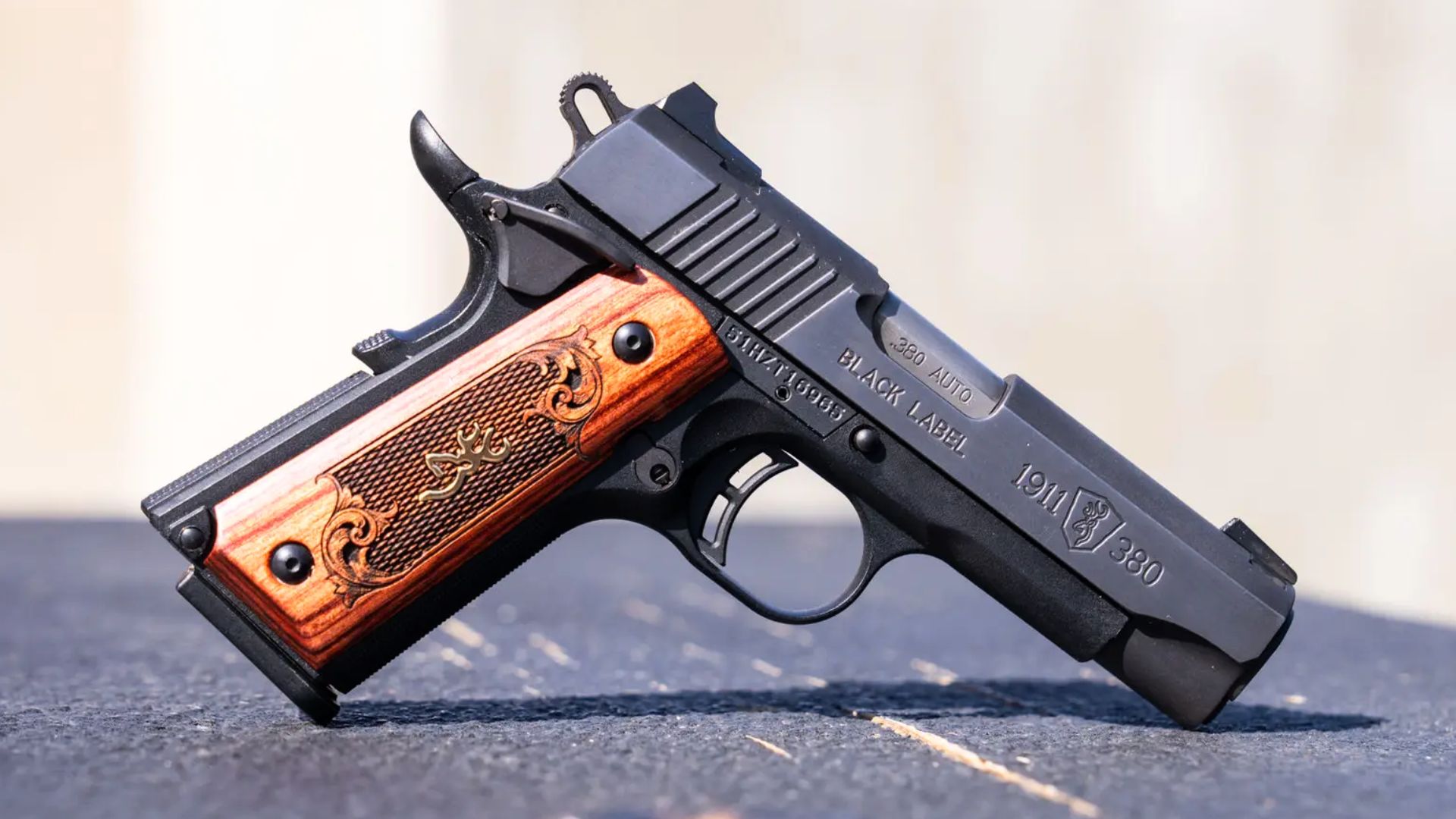
Officer-size 1911s (shorter barrels) tend to require more tuning than Commander or Government models. The smaller the 1911 gets, the less forgiving it becomes. Springs wear faster, timing gets tighter, and little issues show up more often.
This isn’t brand-specific. It’s mechanical reality. If someone wants a 1911 for carry and they want less tuning, a 4.25″ Commander is usually a safer bet than anything in the 3-inch neighborhood.
Beretta Nano

The Nano isn’t necessarily a “needs a gunsmith” gun, but it often becomes a “needs too much effort to love” gun. Many shooters don’t shoot it well, and that creates an urge to change sights, adjust grip modules (if applicable), and chase a setup that feels confident.
When a pistol doesn’t deliver shootability out of the box for most users, it becomes a tuning project through accessories and experimentation. Some people make it work. Many simply move on.
Kahr CM9

Kahr pistols can be good, but they often come with an expectation of break-in and can be sensitive to certain ammo shapes. Some owners report needing time and patience before the gun settles. That’s not inherently terrible, but it’s not what most people want from a carry gun.
If you’re okay with proving it thoroughly before trusting it, fine. But if you want immediate confidence, a gun that needs an extended “get it running right” period can feel like it demands too much tuning to trust.
Walther CCP

The CCP attracted people who wanted soft recoil and carry comfort, but the design has a reputation for being more complicated than it needs to be. When a pistol’s system feels unique and maintenance feels less straightforward, confidence can take longer to build.
A carry gun should be easy to keep running. When owners feel like they need special attention and a learning curve just to maintain and trust the gun, it ends up fitting this headline.
Like The Avid Outdoorsman’s content? Subscribe to our newsletter so you never miss an article.
Here’s more from us: