Photo credit: rawf8/Shutterstock.com
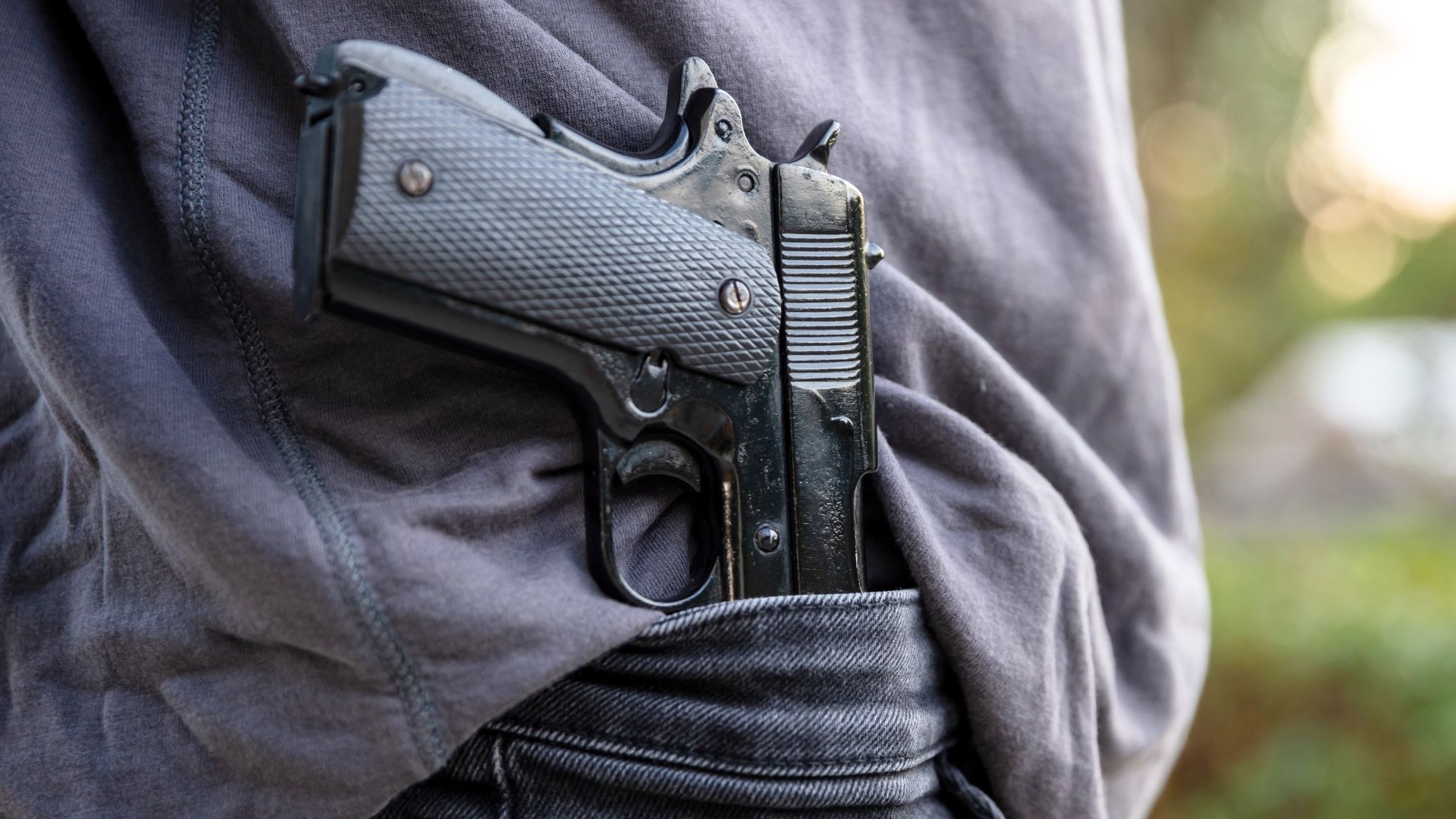
Some pistols get a carry reputation because they look right on a spec sheet: small, light, “high capacity,” good brand name. Then you actually carry them every day and run real drills—draws, reloads, one-handed shooting, sweaty summer carry, lint in the holster—and the shine comes off. The gun might still be usable, but it doesn’t live up to the hype people attach to it.
This list isn’t saying every one of these is trash. It’s saying these are the pistols that often disappoint once you treat them like a real carry tool instead of a store-counter decision.
Kimber Micro 9

The Micro 9 gets bought because it’s slim, classy, and “1911-ish” in a small package. The issue is that small pistols have a tighter operating window, and a lot of Micro 9 owners end up dealing with ammo sensitivity, inconsistent reliability, or a gun that needs more maintenance attention than they expected.
A carry gun should be boring. With the Micro 9, too many people find themselves diagnosing magazines, springs, and specific loads. Some examples run fine—no argument. But the category has enough “it was great until…” stories that it falls short of the reputation of being a simple, trustworthy daily carry.
SIG Sauer P938
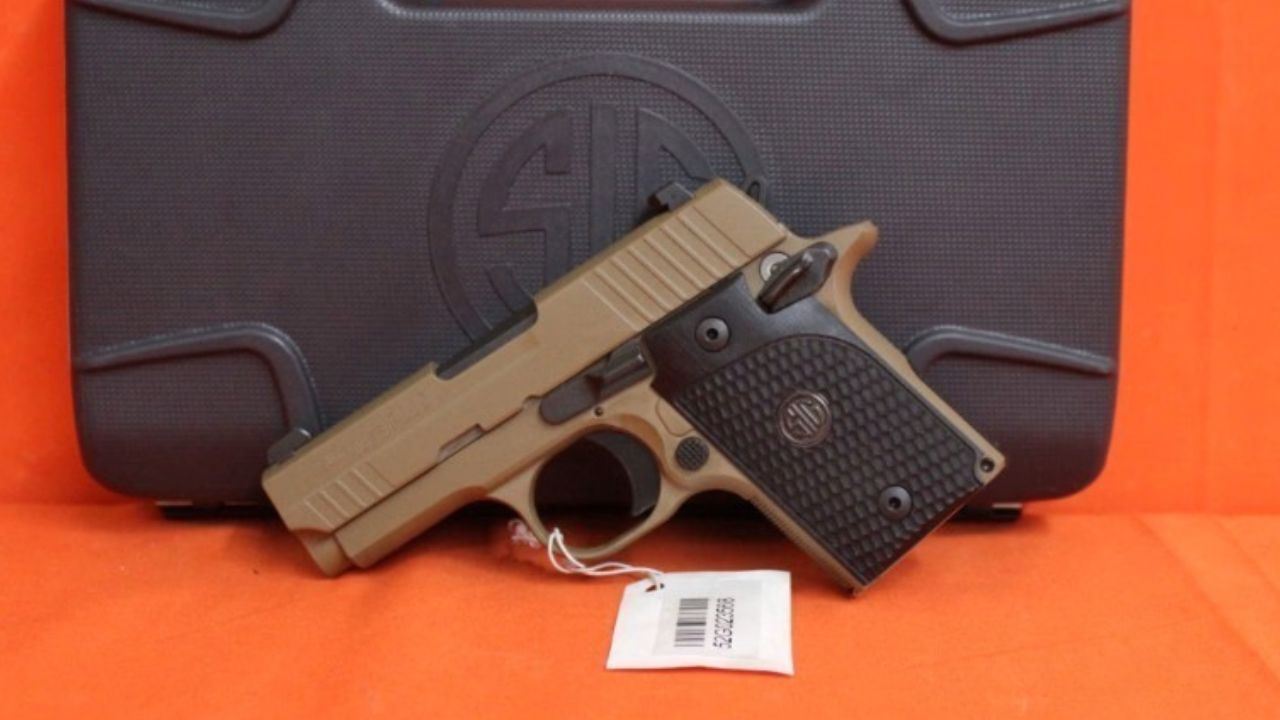
The P938 has the same appeal: micro size, familiar controls, quality name. The letdown comes when people expect it to run like a compact duty gun. Tiny 9mms are less forgiving. Grip matters more, limp-wristing shows up faster, and the gun can be pickier about ammo shape and spring condition.
The other issue is training reality. A lot of people carry these because they hide easily, then they don’t practice enough because small guns are less pleasant to shoot. That creates a gap between “I carry it” and “I can run it fast and clean.” The pistol ends up being a comfort blanket instead of a skill-based carry choice.
Springfield Armory XD-S (9mm)

The XD-S got marketed hard as a slim carry answer. Plenty of people bought it expecting a perfect “single-stack that shoots like a bigger gun,” then found it wasn’t as comfortable or as shootable as they hoped. The grip and recoil feel can be sharp for some shooters, especially during longer practice sessions.
When a gun discourages practice, it becomes a weak carry pick no matter how easy it is to conceal. The XD-S can be carried, sure. But for many people it doesn’t deliver the shootability and confidence they expected compared to newer slim 9mms that are easier to run.
Remington R51
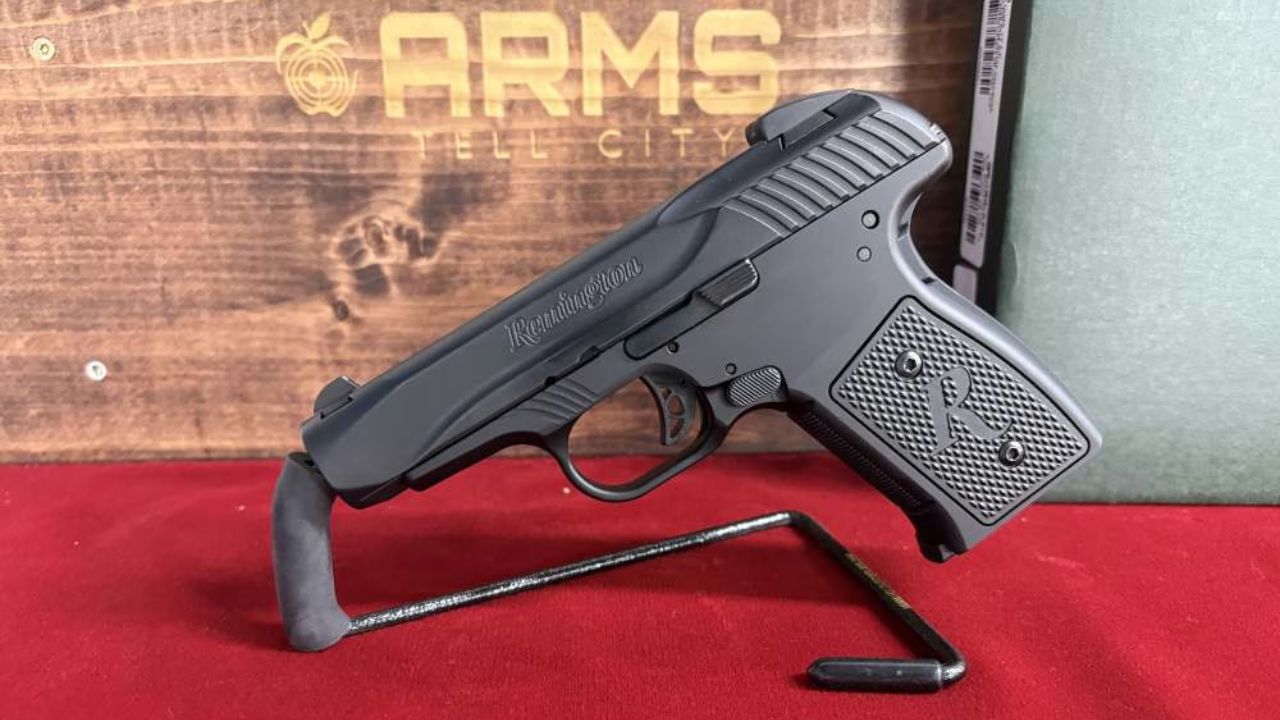
The R51 is the definition of a pistol that sounded like a great concealed carry story and then didn’t deliver. Early runs built a reputation for serious function issues and inconsistent reliability that made it hard to trust. Once a gun gets that kind of baggage, it’s tough to recover.
Even if a later example runs better, the platform never became a truly proven carry workhorse. Parts support, magazine availability, and shared real-world confidence are part of concealed carry value. The R51 never earned that, which is why it falls short of what it promised.
Taurus Spectrum

The Spectrum was aimed at the easy-carry crowd, but a lot of people walked away unimpressed. Trigger feel, shootability, and overall confidence weren’t where they needed to be for a gun that’s supposed to ride on you daily. When a pistol feels cheap in the wrong ways, you start questioning it.
A carry gun doesn’t need to be fancy, but it needs to be predictable and shootable. The Spectrum’s reputation didn’t hold up because many owners didn’t feel like it was a pistol they could run confidently under stress.
SCCY CPX-2

SCCY pistols get attention because the price is tempting, and on paper they seem like a simple carry solution. The problem is that the heavy trigger, mediocre ergonomics, and inconsistent shooter results make it hard for many people to shoot them well. A carry gun you can’t shoot cleanly is a problem.
Some folks will say, “It went bang at the range.” Cool. The real test is whether you can get fast, accurate hits from concealment and manage the gun under pressure. The CPX-2 often falls short of that reputation as a budget “carry option” because it doesn’t help the shooter succeed.
Kel-Tec PF-9
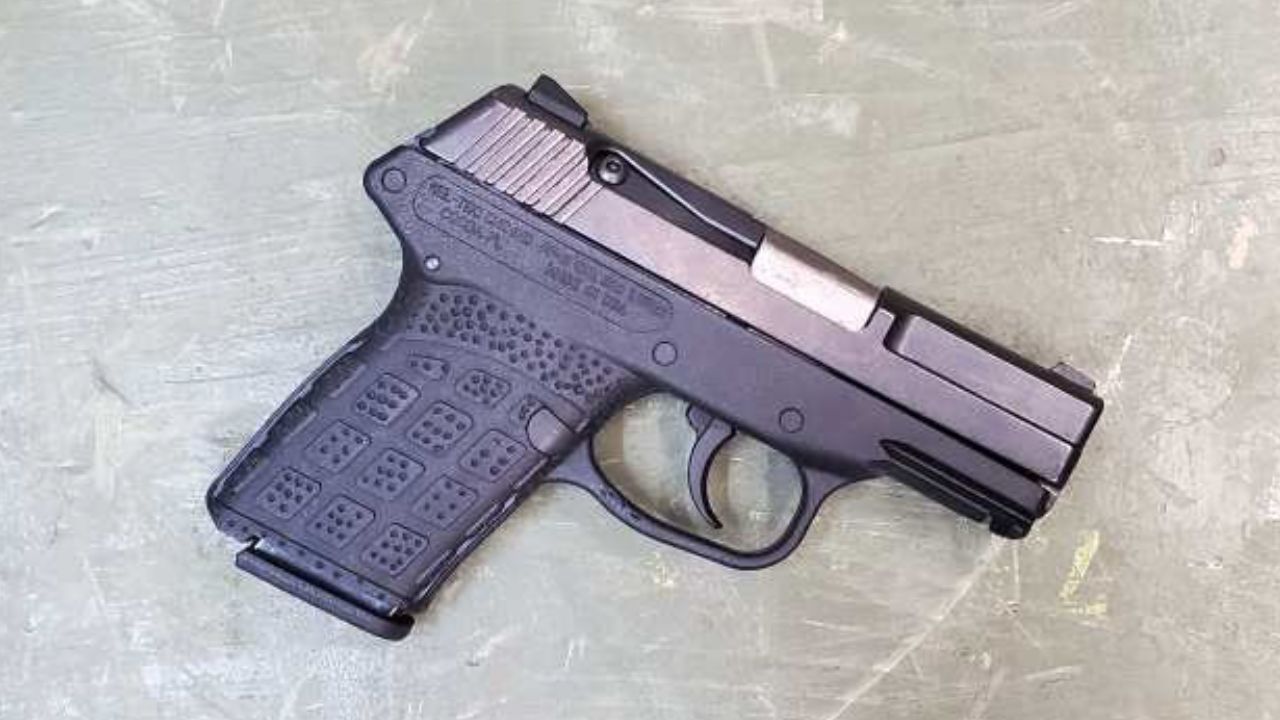
The PF-9 has been around a long time, and it earned a reputation as a super-light 9mm you could always carry. The downside is that it can be harsh to shoot, and harsh guns lead to low practice volume. Many owners carry it because it’s easy to carry, not because they shoot it well.
That gap matters. If you dread training with your carry pistol, you won’t train enough. The PF-9 may be carryable, but for a lot of shooters it falls short of being a gun they trust to run fast and accurately when it counts.
Kel-Tec P-11
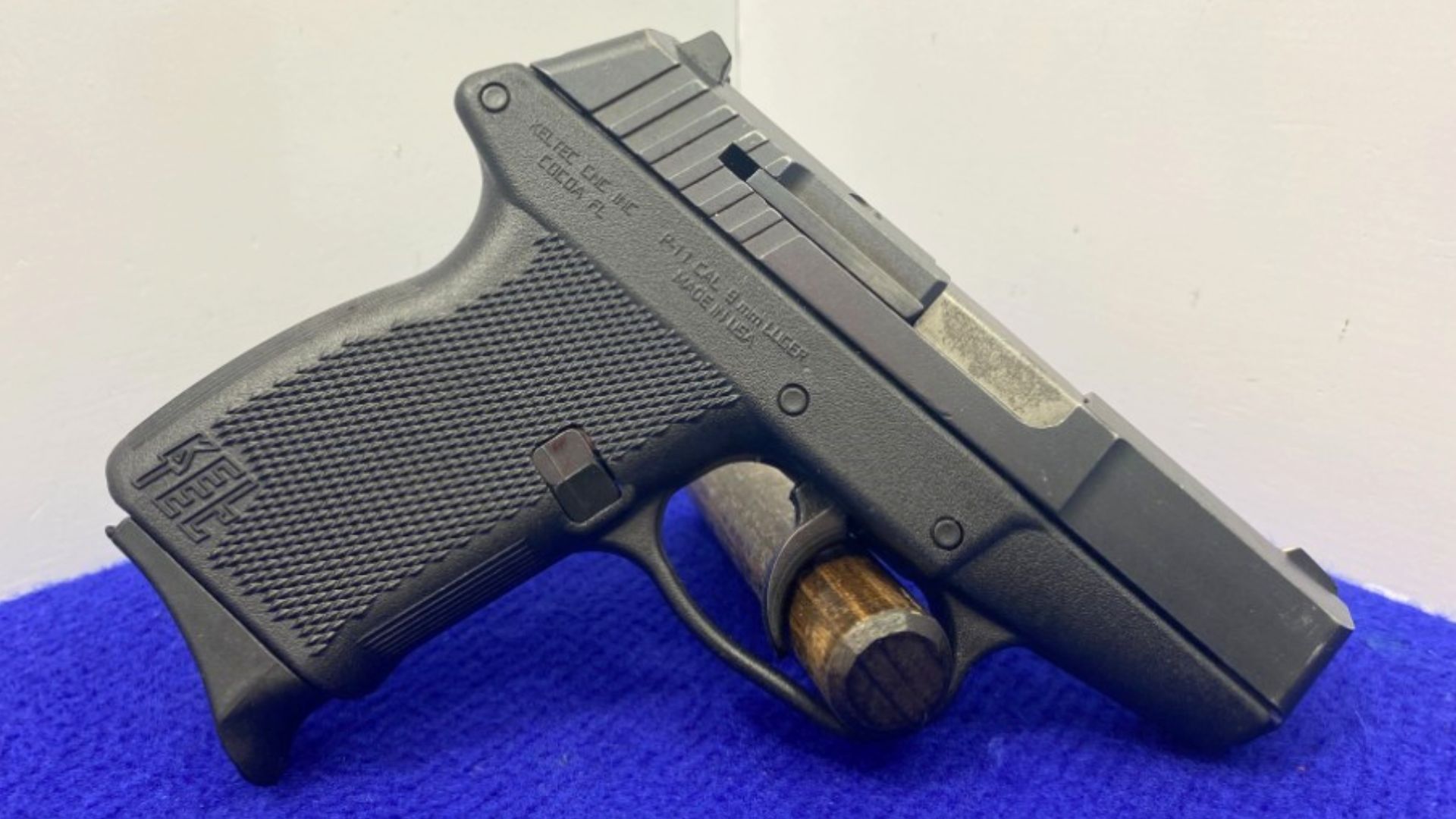
The P-11 is another Kel-Tec that looks like a practical solution until you start shooting it seriously. The heavy trigger and handling quirks make it harder for many shooters to shoot accurately under speed. It’s not impossible, but it takes more effort than most people want for a carry pistol.
A pistol that demands extra work can still be a good tool if the shooter commits. But most people don’t. They buy it because it’s compact and inexpensive, then they never become truly confident with it. That’s why it often doesn’t live up to the carry reputation.
Ruger EC9s
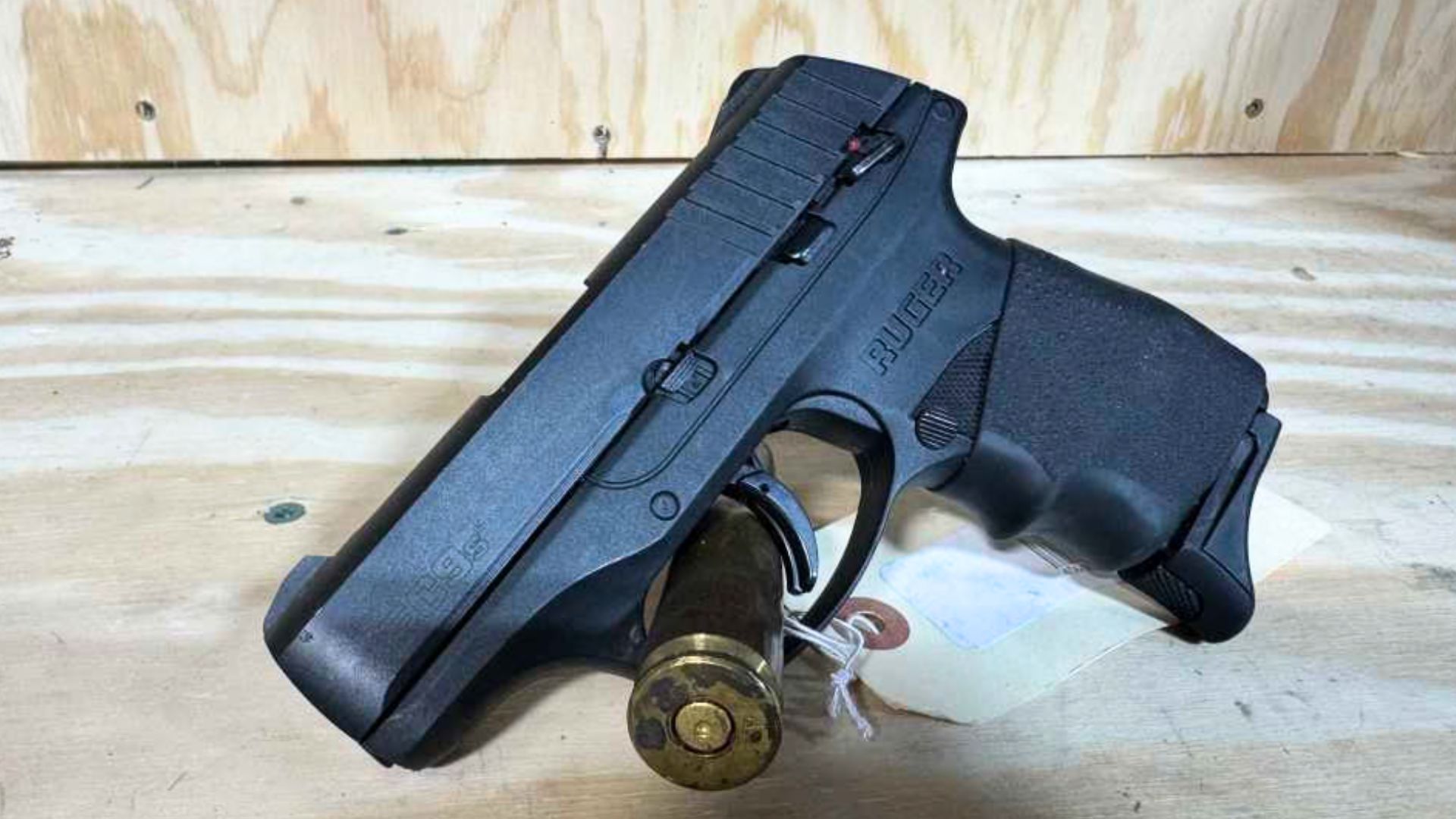
The EC9s gets bought as a “simple, affordable slim 9mm.” The letdown is that the sights, trigger feel, and overall shootability can leave people wanting more, especially compared to other slim pistols that are only slightly more expensive but noticeably easier to run.
When a carry pistol is harder to shoot well, it creates doubt. The EC9s can work, but it often doesn’t inspire the confidence people expect from a modern EDC pistol—especially once they compare it side by side with newer designs.
Ruger LCP (Gen 1 / early versions)

The original LCP is legendary for being tiny and carryable, but it falls short when people pretend it’s a “real fighting pistol.” It’s a deep concealment tool first. The sights are minimal, the trigger feel can be long, and the gun isn’t built for effortless precision.
Lots of people buy it because it disappears, then realize they don’t actually shoot it well under speed. That’s not a moral failure—it’s just reality with tiny .380s. The reputation sometimes oversells what the platform realistically allows most shooters to do.
Kahr CM9

Kahr pistols have loyal fans, and the CM9 can be a solid carry gun. But it also has a reputation for needing a break-in period and can be sensitive in ways that surprise new buyers. If you’re expecting instant “out of the box” perfection, it can disappoint.
The other issue is the trigger and shooting cadence. Some shooters love it, some never get comfortable with it. A concealed carry pistol should feel intuitive. When a gun feels like it requires an adjustment period that many people won’t invest in, it often falls short of the carry hype.
Walther CCP

The CCP looked like a smart concealed carry answer for people who wanted softer recoil and easy handling. The problem is that it didn’t earn a universal “trust it” reputation, and the design has been seen as more complicated than it needed to be. Complication isn’t always bad, but it raises the stakes on maintenance and user confidence.
A lot of carriers want simple and proven. When a pistol’s track record feels mixed and the system feels different from what most people train with, it struggles to meet the concealed carry reputation it tries to claim.
Beretta Nano

The Nano had a lot of early interest because Beretta’s name carries weight, and the pistol looked like a sleek pocketable 9mm option. The letdown for many shooters was shootability—small grip, snappy feel, and a trigger experience that didn’t inspire confidence for fast, accurate work.
The Nano isn’t automatically unreliable. The issue is that it often doesn’t help the shooter succeed. Concealed carry is already a hard skill. A pistol that makes it harder to get clean hits quickly tends to get replaced.
Springfield Armory Hellcat (for some shooters)

The Hellcat is popular and many owners love it. The reason it lands here is simple: it’s a micro-compact, and micro-compacts don’t fit everyone. For some shooters, it feels snappy, and the short grip can make fast, repeatable shooting harder. That can lead to “I carry it, but I’m not truly confident with it.”
If a gun doesn’t match your hands and your recoil tolerance, the reputation doesn’t matter. The Hellcat can be a great carry pistol, but it’s not automatically a confidence machine for everyone. That’s why some people move on after the honeymoon phase.
Glock 43 (not 43X)

The Glock 43 has a strong reputation because it’s a Glock and it’s slim. The letdown is that it’s often less shootable for many people than the 43X or 48, and the shorter grip makes consistent control harder under speed. A lot of carriers start with the 43, then realize they want more grip and easier shooting.
It’s not that the 43 is bad. It’s that the concealed carry reputation can oversell the experience. Many shooters end up with “I can carry it, but I don’t enjoy training with it,” and that’s not where you want to be with an EDC pistol.
Like The Avid Outdoorsman’s content? Subscribe to our newsletter so you never miss an article.
Here’s more from us: