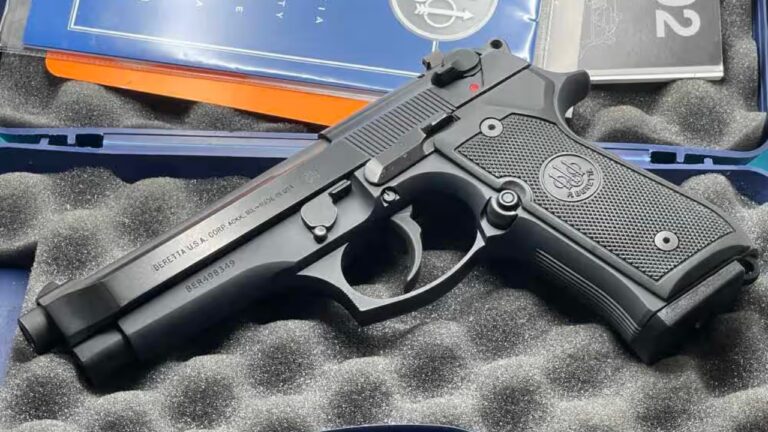
Photo credit: Buffalo's Outdoors/YouTube
Collectors don’t regret missing a gun because it was “cool.” They regret it because it filled a niche nothing else quite matched—then vanished before they ever grabbed one at a fair price. Sometimes it’s a design that was ahead of its time. Sometimes it’s a plain working gun that turned out to be better than the replacement. And sometimes it’s a model that got cut because the market moved on, even though the people who actually shot them knew what they had.
The pattern is always the same. You handle one at a show, think “I’ll find another,” then prices creep up and the clean examples dry up. A few years later you’re watching auctions wondering why you didn’t buy the one that was sitting right there on the table. If you’ve ever said “I should’ve bought that when I had the chance,” you already understand this list.
Heckler & Koch P7M8

The P7M8 is one of those pistols that feels like it came from a different timeline. It’s compact, accurate, and built with a level of machining you don’t see often anymore. The squeeze-cocker system also gives you a very specific kind of safety and speed—carry it ready, but it won’t fire unless you deliberately activate it.
The regret comes later when you realize how hard it is to replace that experience. The P7’s low bore axis and fixed barrel make it shoot flatter than you’d expect for its size, and the whole gun feels precise without being delicate. You also learn why people complain about heat during long strings—and why that didn’t matter much for the intended role. When you finally decide you want one, you’re shopping against collectors.
Colt Python (original production)

The original Python earned its reputation the old-fashioned way: it shot well, it looked right, and it felt like a premium revolver every time you cycled the action. You notice the lockup, the trigger, the balance—things that don’t show up on a spec sheet but matter to anyone who actually runs a wheelgun.
Collectors regret missing them because the “classic” Python is its own category, separate from modern interpretations. You can find revolvers that are strong, and you can find revolvers that are smooth, but the older Pythons hit a mix of finish, feel, and mystique that keeps demand hot. Even if you’re not a safe-queen guy, you understand it the moment you handle a clean one. The problem is you usually handle it after prices have already run away.
Browning Hi-Power (classic FN/Browning pattern)

The classic Hi-Power is one of the most carried handguns in history, and it earned that status by being slim, pointable, and easy to live with. It also gave you 13 rounds of 9mm in a time when that wasn’t normal. In the hand, it still feels “right” in a way a lot of modern pistols don’t.
People regret missing them because the original pattern has a personality that newer designs don’t copy perfectly. The triggers vary, the sights vary, and the era matters, but a good one shoots better than you’d expect and carries flatter than a lot of double-stacks. When production of the classic pattern dried up, the market didn’t stop loving the design. If you passed when they were common, you end up paying collector money for what used to be a working man’s pistol.
Smith & Wesson 3rd Gen 5906
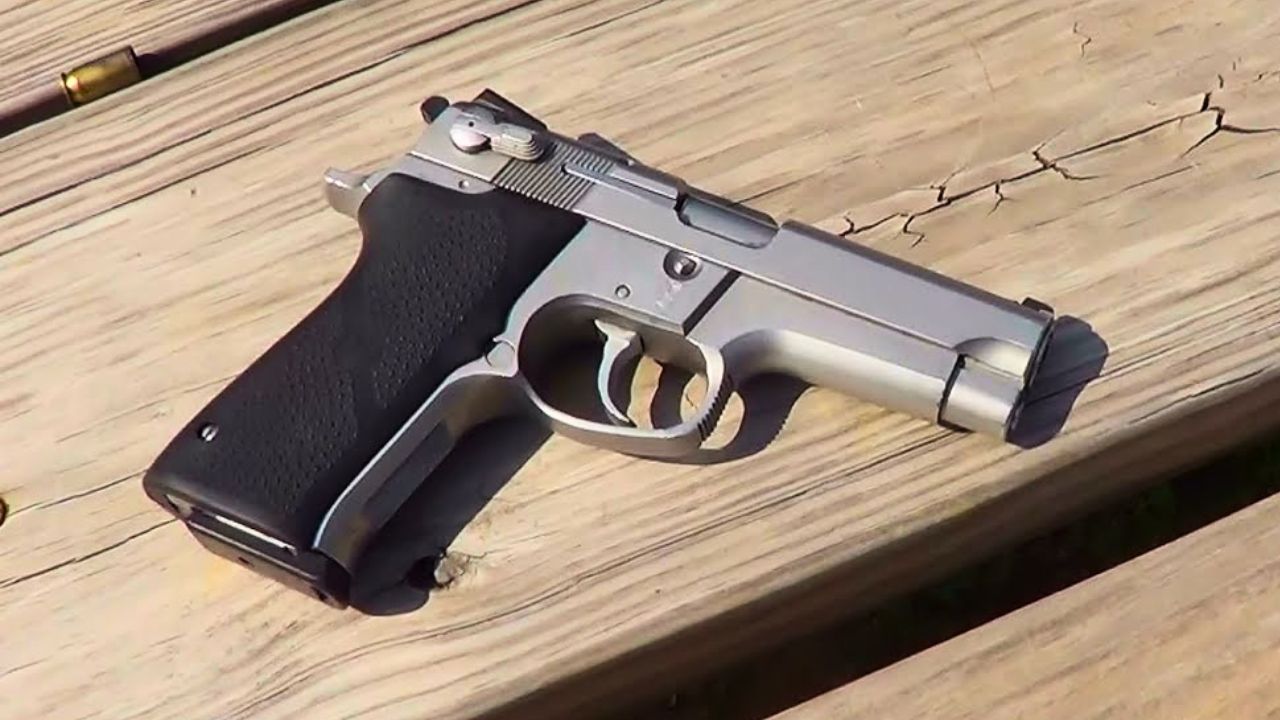
The 5906 is peak old-school American duty pistol: stainless, tank-like, and built to be carried daily by people who might not baby their gear. It’s heavier than modern polymer guns, but that weight makes recoil easy, and the gun tends to run and run if it’s maintained.
Collectors regret missing them because the 3rd Gen Smith autos have become their own ecosystem. The 5906 in particular is the kind of pistol you can actually shoot a lot, not just admire. It represents an era when duty guns were overbuilt and meant to last through hard service. Once people started realizing how well these hold up—and how much nicer some examples feel than the current “value” guns—prices started creeping. The clean police-trade-in days don’t last forever.
Ruger P89

The P89 isn’t fashionable, and that’s exactly why it gets missed. It was a brick of a 9mm with a reputation for feeding anything and surviving abuse. If you wanted a pistol that didn’t care about being dropped, sweated on, or shot with whatever cheap ammo you could find, the P89 was the kind of tool that kept going.
Collectors regret missing them because the market has a way of circling back to “ugly but effective.” Ruger’s old P-series guns were built like they expected you to do dumb things with them. When they disappeared, people realized there aren’t many modern pistols with that same mix of durability and low drama at a bargain price. You can still find them, but the nicest ones don’t sit long anymore—especially the versions that haven’t been ridden hard.
Ruger Deerfield Carbine (Model 99/44 and .44 Magnum variant)

The Deerfield is one of those rifles you didn’t appreciate until you tried to replace it. It gave you a handy semi-auto .44 Magnum carbine that actually made sense for the woods—fast handling, enough punch, and a practical package for deer, hogs, and general ranch work.
People regret missing it because the concept hasn’t been widely repeated in a modern, widely available way. Sure, there are other pistol-caliber carbines, but a dedicated .44 semi-auto that balances well and runs reliably is not something you stumble across every day. The Deerfield also fits a certain kind of hunting reality: short shots, heavy cover, quick follow-ups. Once it was gone, the used market became the only market, and clean examples started getting treated like collectibles instead of tools.
Remington 870 Wingmaster (classic configuration)
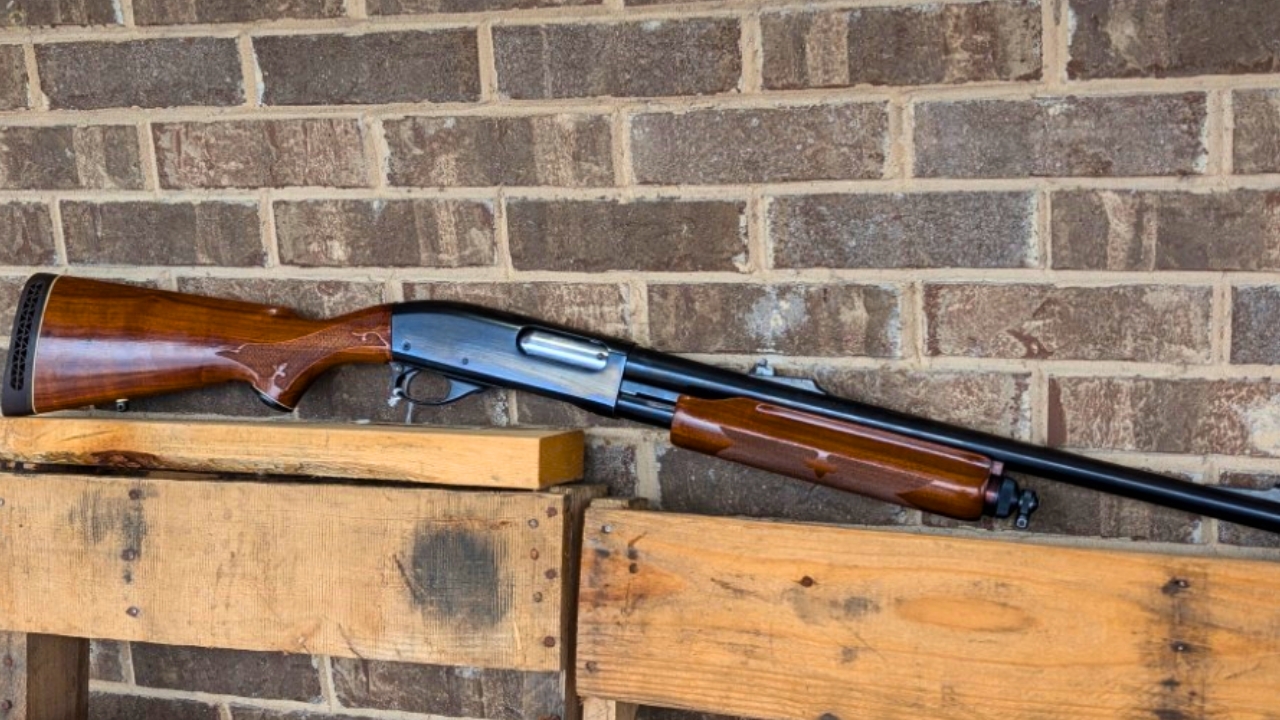
Yes, the 870 name still exists in the public mind, but the older Wingmasters have a feel that people chase. The action on a well-used Wingmaster can be unbelievably smooth, the bluing and walnut look like a different era, and the whole gun feels like it was built to be kept, not replaced.
Collectors regret missing them because the old ones are getting harder to find in truly clean condition. Plenty were used hard, refinished, or modified, and that’s fine for a hunting gun. But if you want an original, honest Wingmaster that hasn’t been messed with, you’re competing with people who know exactly what they’re looking at. The regret isn’t about owning a pump shotgun. It’s about owning the pump shotgun that represents how American sporting guns used to be made.
Winchester Model 9422

The 9422 is one of those rimfire lever guns that makes you smile the moment you cycle it. It feels tight, smooth, and “real,” like a centerfire scaled down properly instead of a cheap .22 made to look like a lever gun. It also shoots well enough that you stop blaming the gun when you miss.
Collectors regret missing it because there’s no perfect substitute. Plenty of .22 lever actions exist, but the 9422 has that Winchester fit-and-finish vibe that people associate with older rifles. It became a classic while people were still treating it like a casual plinker. Once it disappeared, parents who wanted “the nice .22 lever gun” started competing with collectors who wanted an investment-grade example. If you passed on one because it seemed pricey at the time, that decision usually ages poorly.
Marlin 39A
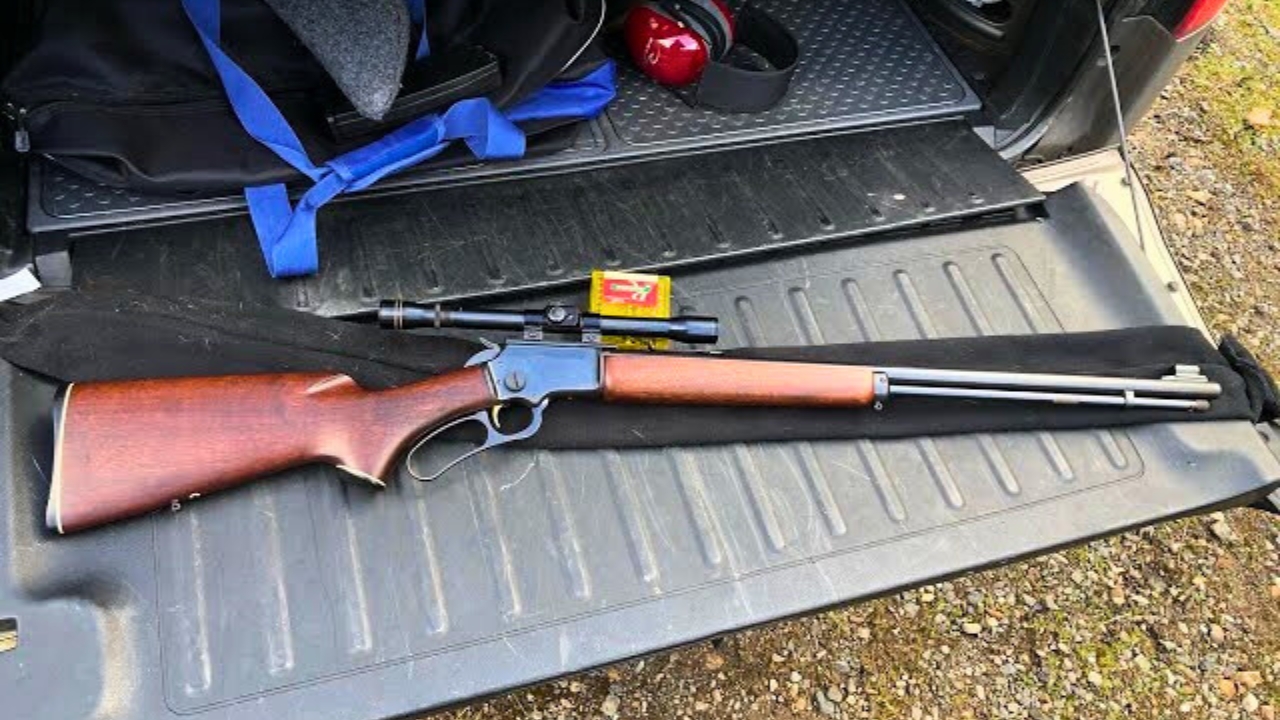
The 39A is an heirloom-grade .22, and you feel that the first time you carry it. It balances like a real rifle, shoots like it wants to make you look good, and it has a reputation for lasting across generations. It’s also the kind of gun that turns casual range trips into a tradition.
Collectors regret missing it because it’s one of the last .22 lever guns that consistently felt “premium” without needing you to hunt down rare variants. Older 39As especially have a following for a reason, and clean examples don’t get cheaper as time passes. Even if you aren’t trying to build a collection, you understand the appeal: it’s a rifle you can actually use, and it still feels like a keepsake. When a gun does both, the market never stops wanting it.
Smith & Wesson Model 3913

The 3913 is a carry pistol from the era before micro-compacts took over. It’s slim, reliable, and sized in a way that carries comfortably without feeling like a toy. You get a real sight radius, a real grip, and a pistol that points naturally—especially for people who shoot metal guns well.
Collectors regret missing it because it fits a role a lot of modern pistols don’t nail the same way. The 3913 is thin, but it’s not tiny. It has enough mass to tame recoil, and it tends to be boringly dependable if it’s in good shape. When it was common, people treated it like an ordinary compact 9mm. Now it’s one of those “they don’t make them like this anymore” guns that gets snapped up fast whenever a clean one appears.
Colt Detective Special

The Detective Special is a classic because it solved a real problem: a compact revolver with a usable grip and a capacity edge over the five-shot crowd. It carries well, points naturally, and it feels like a serious handgun instead of an emergency compromise. For a lot of people, it was the practical revolver before “snub-nose” became a category.
Collectors regret missing them because the good ones disappeared into safes. Once you realize you want a clean Detective Special—especially an example that hasn’t been abused or modified—you’re hunting, not shopping. It also carries a certain “American detective gun” story that collectors love. But the regret is usually more practical than romantic: you want a revolver you can actually shoot and enjoy, and the Detective Special checks that box while also being genuinely collectible.
Smith & Wesson Model 1076
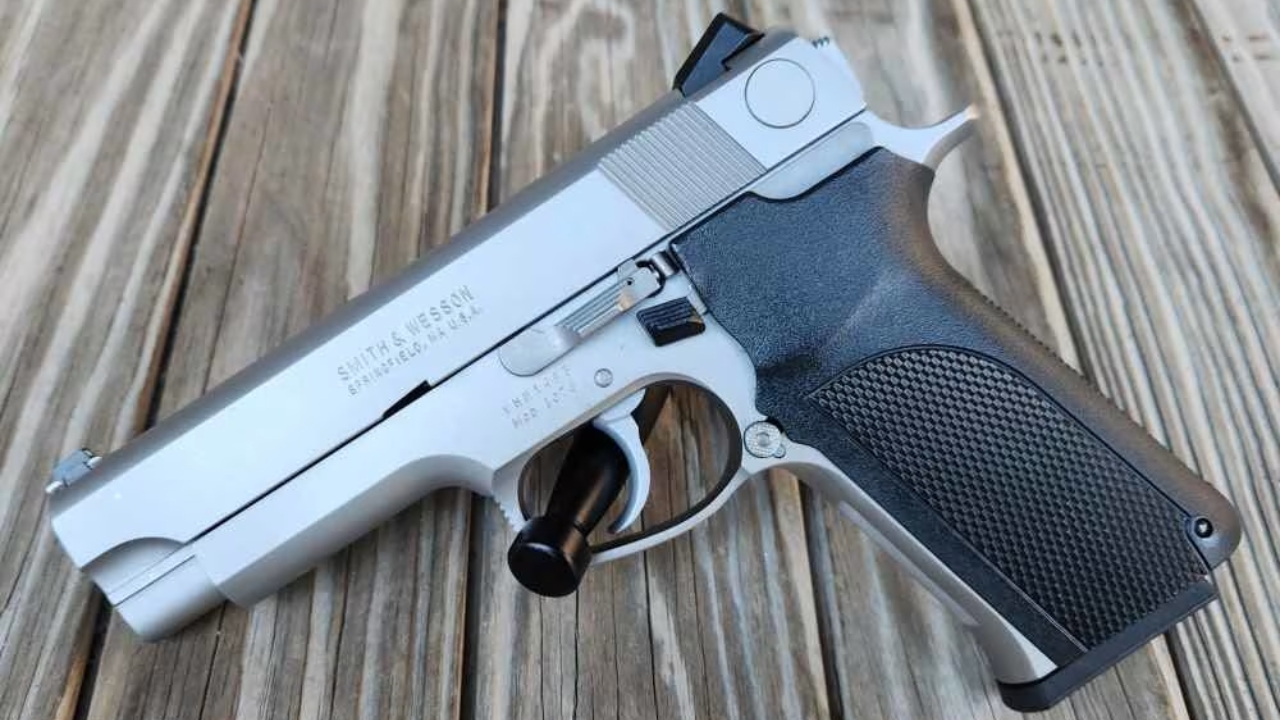
The 1076 is a snapshot of a specific moment in American law enforcement history, when 10mm looked like the future and agencies were experimenting hard. It’s a sturdy, serious pistol with a particular vibe—big, purposeful, and built to run in duty conditions.
Collectors regret missing it because it’s not just “another metal auto.” It’s tied to the 10mm story in a way few pistols are, and that story keeps getting more popular as the cartridge comes back around. The 1076 also tends to attract people who like mechanical heft and unusual service guns. When you finally decide you want one, you’re not the only person who had that thought. Clean examples get treated like artifacts, and the price reflects it.
SIG Sauer P225 (West German / classic pattern)
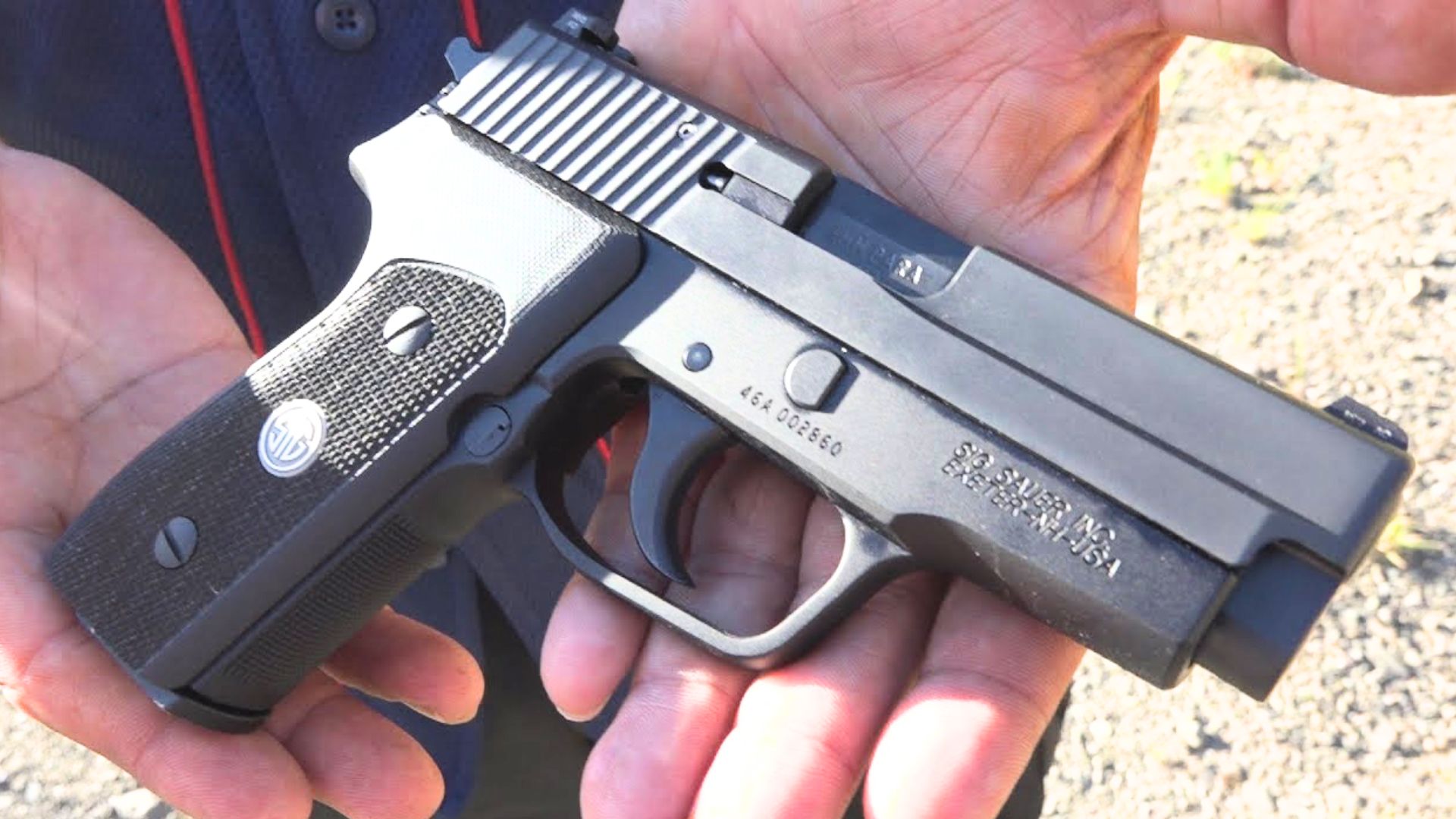
The P225 is the kind of pistol that makes you rethink what “compact” should feel like. It’s slim, balanced, and very easy to shoot well for its size. The grip fits a lot of hands, and the whole gun feels like it was designed around practical carry instead of marketing bullets.
Collectors regret missing them because the classic P225 represents a level of refinement that people associate with SIG’s earlier years. The newer market is full of capable pistols, but the older stamped-slide SIGs and West German-marked guns carry a certain appeal that doesn’t fade. The P225 also sits in a sweet spot: not tiny, not bulky, and genuinely comfortable for real carry. If you passed when they were “reasonable,” you end up chasing condition and provenance later.
Steyr GB
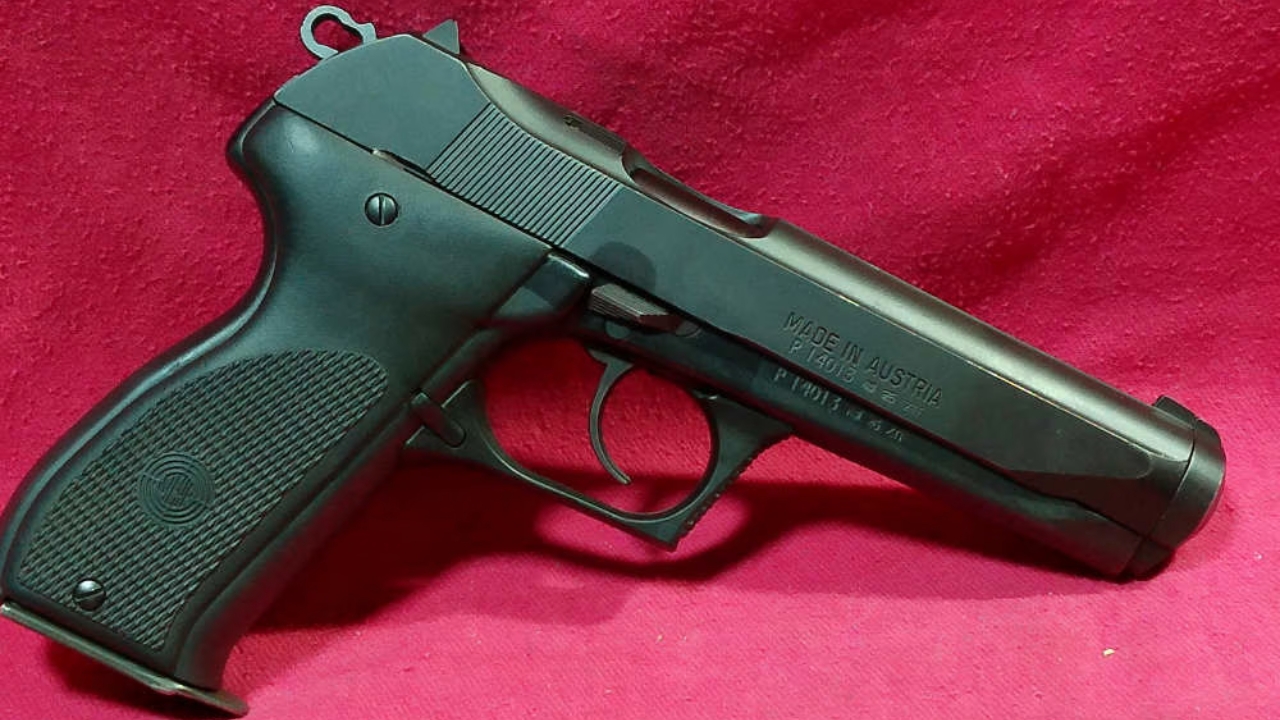
The Steyr GB is one of those pistols that surprises people who only know the common names. It’s a big 9mm with a unique operating system and a reputation for being soft shooting for its size. It also has a very European feel—different controls, different balance, and a design philosophy you don’t see much in modern production guns.
Collectors regret missing it because it’s a true oddball that still works as a shooter. A lot of discontinued guns are interesting but impractical. The GB can be both, which is why it keeps drawing attention. Once you decide you want one, you’re dealing with limited supply and a collector audience that appreciates “weird” engineering. The market for uncommon, functional pistols has a way of getting hotter with time.
Heckler & Koch USP Compact in .40 (early variants)
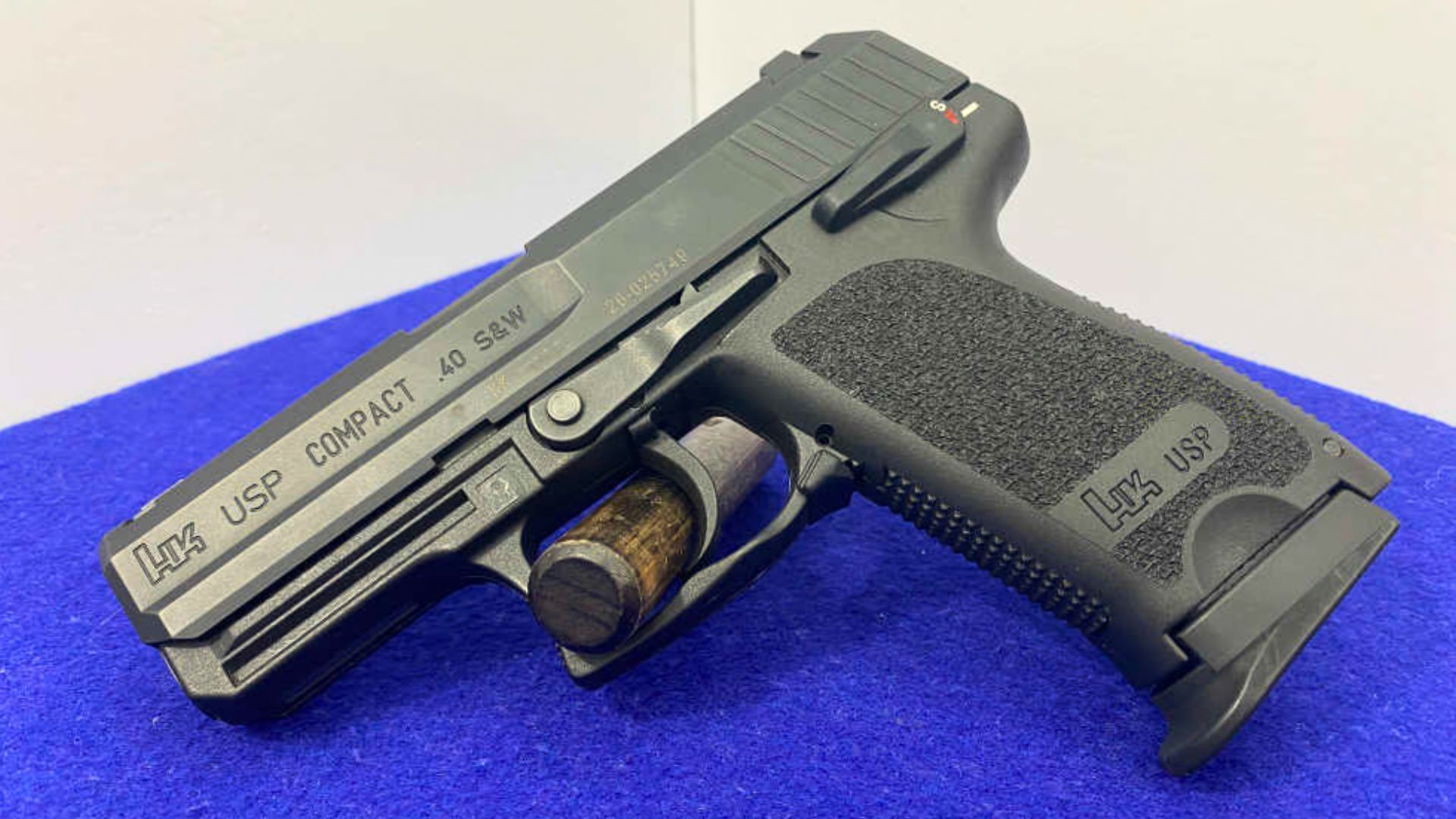
The USP Compact in .40 was a serious-duty answer in the era when .40 S&W ruled holsters. It’s overbuilt, reliable, and it handles pressure well—both in cartridge and in hard use. The recoil impulse is snappy compared to 9mm, but the gun is designed to take it without drama.
Collectors regret missing certain early variants because the market has shifted away from .40, but the people who like these guns really like them. They’re not chasing trends. They’re chasing a platform that runs and feels solid. When something is both discontinued in particular configurations and still respected as a working gun, it becomes collectible almost by accident. You look up one day and realize the exact version you want is harder to find than you expected, especially with the right markings and condition.
Ruger Red Label

The Ruger Red Label is the kind of shotgun that makes sense once you’ve carried enough guns through fields and timber. It offered an American-made over/under that regular hunters could actually afford compared to the high-end European names. It wasn’t trying to be a bespoke showpiece. It was trying to be a working O/U.
Collectors regret missing them because the category has only gotten more expensive. When a domestic, serviceable over/under disappears, it leaves a gap. People who own Red Labels tend to hang onto them, and that tight supply pushes interest. The regret is also practical: an over/under that fits you and shoots where you look becomes a lifetime gun, and those don’t come along every day. If you handled one years ago and passed, you often remember it the next time you shop and see the price tags.
Browning A-Bolt (classic generations)

The A-Bolt was one of those rifles that quietly earned trust. It fed smoothly, carried well, and tended to shoot better than most owners could. It also hit that sweet spot of being “nice” without being delicate, which is exactly what a hunting rifle should be.
Collectors regret missing them because the A-Bolt line has a strong following, and certain configurations have become genuinely sought after. People remember the handling, the fit, and the way the rifle felt in the field. When a gun builds that kind of relationship, it doesn’t stay cheap once it’s gone. The other factor is nostalgia with a purpose: hunters aren’t only collecting these. They still want to hunt with them. That keeps demand steady and makes the clean, unmodified ones harder to score.
Winchester Model 70 Classic (controlled-round-feed era runs)

The Model 70 has never stopped being respected, but specific Classic-era controlled-round-feed rifles built a reputation that collectors chase hard. They feel like “real rifles” in the way serious hunters mean it—solid action, dependable feeding, and a layout that works in bad weather and worse angles.
Collectors regret missing certain discontinued runs because they combine real-world usefulness with the kind of build quality people remember. When a particular era gets a reputation for doing things right, everyone starts hunting that era. Then the nicest examples stop showing up in local racks. The regret isn’t about owning a Model 70. It’s about owning the Model 70 that fits the story you trust—one you’d actually carry into elk country without second-guessing it, and one you’d still be proud to hand down later.
Like The Avid Outdoorsman’s content? Be sure to follow us.
Here’s more from us: